

The Evolving Landscape of Digital Marketing and Visual Content
In the highly competitive digital realm, compelling visual content is no longer a luxury but a necessity. Studies consistently show that content with relevant images receives significantly more views than content without. For instance, according to data compiled by HubSpot, articles with images every 75-100 words get double the social shares compared to articles with fewer images. However, the creation of high-quality, diverse, and contextually relevant imagery presents substantial challenges for marketers, particularly those operating with limited budgets, time, or specialized graphic design skills. Traditional methods often involve costly professional photography, complex image editing software, or reliance on generic stock photos that lack brand specificity or contextual relevance.
The rapid advancements in artificial intelligence, particularly in generative AI and natural language processing, have begun to democratize complex creative processes. AI tools are increasingly enabling users without specialized technical skills to generate sophisticated content, from text to images, with simple commands. AWeber, an established player in the email marketing space known for its user-friendly tools, has strategically embraced this AI revolution to enhance its offerings, aiming to provide its users with cutting-edge capabilities that streamline their marketing efforts and elevate their brand presence. This move aligns with a broader industry trend where SaaS platforms are integrating AI to deliver more powerful, efficient, and accessible solutions.
Core AI Image Editing Functionalities: A Deep Dive
AWeber’s new AI image editing suite introduces several transformative features designed to address common pain points in digital content creation:
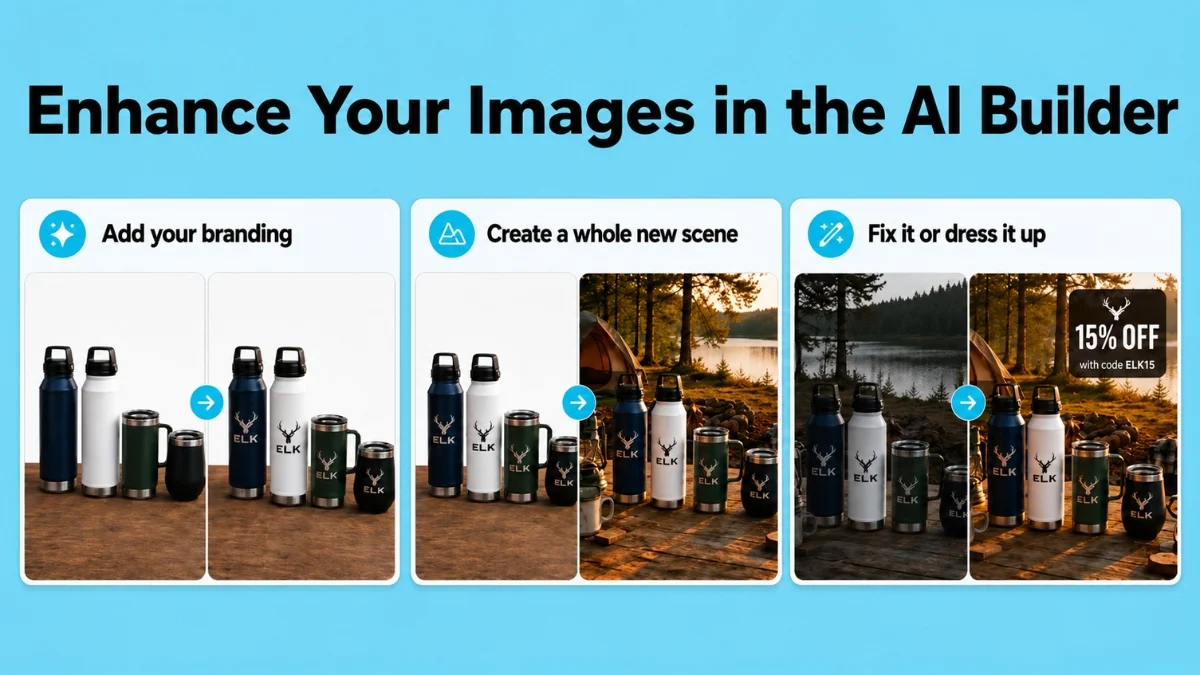
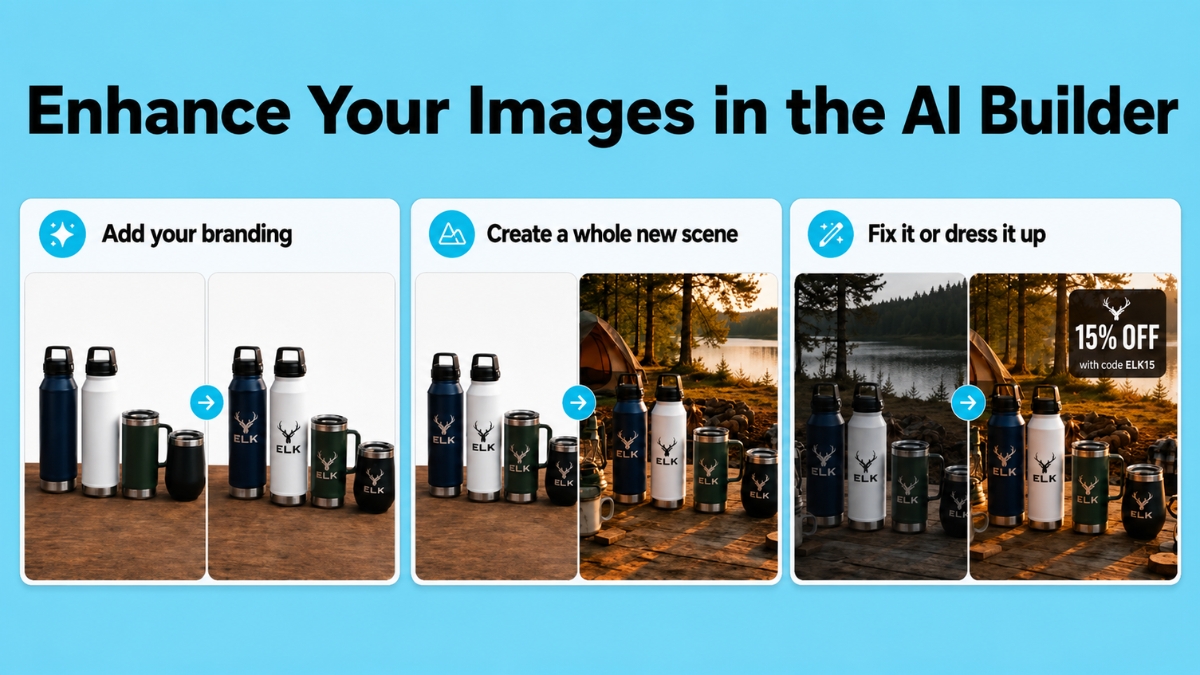
1. Dynamic Scene Generation: Placing Products in Context
One of the most significant challenges for e-commerce businesses and marketers is showcasing products in diverse, aspirational, or lifestyle-oriented settings without conducting multiple photoshoots. AWeber’s AI now allows users to take a basic studio product shot and, with a simple text prompt, place it into an entirely new scene. Imagine a plain shot of a coffee mug transformed to appear on a cozy "campsite table with a sunrise background," a "modern kitchen counter," or a "busy office desk setup." This capability is crucial for marketing, as lifestyle imagery has been shown to dramatically increase consumer engagement and purchase intent. Research by companies like Shopify suggests that lifestyle product photos can improve conversion rates by up to 30% by helping customers visualize themselves using the product. The AI interprets the prompt and intelligently renders the product within the described environment, adjusting lighting, shadows, and perspective to create a seamless, realistic integration. Each generated scene is saved as a new, distinct image file, allowing marketers to test various contexts for different campaign segments without overwriting the original.
2. Seamless Brand Integration: Enhancing Brand Consistency
Maintaining consistent branding across all marketing materials is paramount for brand recognition and trust. Often, marketers rely on stock photography or product shots that lack overt branding. AWeber’s AI image editor addresses this by enabling users to "add your brand logo to the top right corner" or "overlay a subtle watermark with the company name." The AI intelligently integrates the specified branding elements, ensuring they appear natural and professionally placed within the image, rather than simply pasted on top. This feature eliminates the need for manual graphic design work to brand every visual asset, significantly saving time and ensuring brand cohesion across diverse content, from social media posts to email newsletters and signup forms. Analysts predict that such features will become standard in marketing platforms, as brand consistency is a critical driver of customer loyalty and perceived quality.
3. Effortless Flaw Correction: Achieving Photographic Perfection
Even professional photos can have minor imperfections, and amateur shots often suffer from more significant issues. Traditionally, correcting these flaws—such as bad lighting, distracting backgrounds, or awkward cropping—required specialized photo editing skills and software like Adobe Photoshop. AWeber’s AI simplifies this process dramatically. Users can input prompts like "brighten the image and remove shadows," "blur the background to highlight the product," or "re-crop the image to a 16:9 aspect ratio focusing on the main subject." The AI processes these commands, making intelligent adjustments to improve the aesthetic quality of the photo. This capability is particularly beneficial for small businesses and individual marketers who may not have access to professional photographers or graphic designers, allowing them to achieve polished, high-quality visuals without extensive technical expertise or expense. The ability to fix issues post-capture also reduces the need for costly reshoots, enhancing efficiency.
4. Sophisticated Text Overlays: Designing Integrated Promotional Messages
Text overlays are frequently used for promotional messages, calls-to-action, or headlines. However, simply placing text over an image can often look amateurish or disjointed. AWeber’s AI goes beyond basic text insertion by integrating text overlays in a way that looks "designed." Users can prompt the AI to "add a promo code ‘SAVE20’ in a stylish font matching the scene’s aesthetic" or "overlay a headline ‘Limited Time Offer’ with a subtle shadow effect." The AI considers the image’s existing elements, color palette, and style to render text that appears to be an intrinsic part of the visual composition. This ensures that promotional messages are not only clear but also visually appealing and congruent with the overall brand image, enhancing their impact and readability. This feature is particularly valuable for creating engaging social media graphics, banner ads, and email headers that capture attention effectively.
Non-Destructive Editing and Image Generation from Scratch
A key advantage of AWeber’s implementation is its non-destructive editing approach. Each AI-generated edit saves as a new, separate file, while the original image remains untouched in the user’s library. This functionality is invaluable for A/B testing different visual approaches or for iterative design, allowing marketers to experiment freely without the risk of losing their source material. If a particular edit doesn’t perform as expected, users can easily revert to the original or try a new prompt without starting from scratch.
Beyond editing existing images, AWeber’s AI also offers the capability to "Start with a brand-new image." This feature allows users to bypass the need for an existing photo entirely. By simply describing the desired image—for example, "a minimalist workspace with a laptop, coffee cup, and a plant, in soft natural light"—the AI can generate an entirely new image from scratch. This opens up vast possibilities for creating unique, custom visuals tailored precisely to specific campaign needs, offering unparalleled creative freedom and reducing reliance on external image libraries.
Implementation and Future Rollout Timeline
The initial rollout of AWeber’s AI image editing capabilities began on June 30, 2026, with immediate availability in the AI Signup Form Builder. This strategic choice places the powerful new tool at a critical touchpoint for customer acquisition, enabling businesses to create highly optimized and visually engaging signup forms that convert visitors into subscribers more effectively.
Looking ahead, AWeber has confirmed that these AI features will be "coming soon" to its AI Landing Page Builder and AI Email Builder. This phased rollout ensures that users will eventually have access to these advanced visual content creation tools across their entire marketing funnel, from initial lead capture to nurturing and conversion through email campaigns and dedicated landing pages. This integrated approach underscores AWeber’s commitment to building a comprehensive AI-powered marketing ecosystem.
Statements and Industry Reactions
While AWeber has not yet released specific official statements regarding this launch, industry analysts anticipate that company leadership will emphasize the democratization of advanced marketing tools. An inferred statement from an AWeber executive, perhaps its CEO or Head of Product, might highlight: "Our mission has always been to empower entrepreneurs and small businesses with tools that simplify complex marketing tasks. With our new AI image editing, we’re not just enhancing our platform; we’re giving every marketer the power of a professional design studio at their fingertips, enabling them to create stunning, on-brand visuals with unprecedented speed and ease. This is a significant step towards a future where sophisticated content creation is accessible to everyone."
Marketing technology experts are likely to view this development as a significant competitive move. "AWeber’s integration of advanced generative AI for image editing positions them strongly in a rapidly evolving market," notes an unnamed industry analyst. "As more marketing platforms incorporate AI, the differentiator will be how seamlessly and effectively these tools empower users. AWeber’s focus on practical applications like branding, scene generation, and flaw correction addresses core pain points for their target audience, setting a new benchmark for ease of use in visual content creation within an email marketing platform."
Broader Impact and Implications for Digital Marketing
The introduction of AWeber’s AI image editing capabilities carries several broader implications for the digital marketing landscape:
1. Democratization of Design and Creativity: This technology significantly lowers the barrier to entry for professional-grade visual content. Small business owners, solo entrepreneurs, and marketers without formal graphic design training or budget for professional designers can now create high-quality, customized images. This levels the playing field, allowing smaller entities to compete more effectively with larger organizations that have dedicated design resources.
2. Enhanced Efficiency and Scalability: Marketers can now generate multiple variations of visuals for A/B testing, personalized campaigns, and diverse platform requirements in a fraction of the time it would take manually. This increased efficiency allows for more iterative design processes, quicker campaign launches, and greater adaptability to market trends, ultimately leading to more optimized and effective marketing efforts. The ability to quickly iterate and test different visual approaches is crucial in today’s data-driven marketing environment.
3. Reshaping the Role of Marketers: Rather than spending hours on manual image manipulation, marketers can shift their focus to strategic planning, prompt engineering, and creative direction. The AI becomes a powerful assistant, executing the tedious tasks and allowing marketers to concentrate on the overarching message and brand narrative. This could lead to a more strategic and less tactical approach to visual content creation.
4. Competitive Landscape Shift: AWeber’s move intensifies the competition among marketing automation and email service providers. Competitors will likely be compelled to accelerate their own AI integration efforts to offer similar capabilities, driving further innovation across the industry. This could lead to a new era of "AI-first" marketing platforms, where generative capabilities are standard.
5. Future of Content Creation: This development hints at a future where AI plays an even more central role in content ideation and production. As AI models become more sophisticated, they could assist not just in editing but in conceptualizing entire visual campaigns, suggesting optimal imagery based on performance data, and even generating video content from text prompts. While concerns about authenticity and the role of human creativity persist, tools like AWeber’s demonstrate AI’s potential as a powerful augmentative force for human ingenuity.
In conclusion, AWeber’s launch of advanced AI image editing features marks a significant milestone in the evolution of digital marketing tools. By offering intuitive, text-prompt-driven capabilities for scene transformation, branding, flaw correction, and sophisticated text overlays, AWeber is empowering its users to create visually compelling content with unprecedented ease and efficiency. This strategic integration of AI not only enhances AWeber’s platform but also reflects a broader industry trend towards democratizing advanced creative tools, ultimately enabling marketers of all sizes to elevate their brand presence and engage their audiences more effectively in the ever-demanding digital landscape. As these features roll out across AWeber’s full suite of builders, they are set to redefine the standards for visual content creation in digital marketing campaigns.








