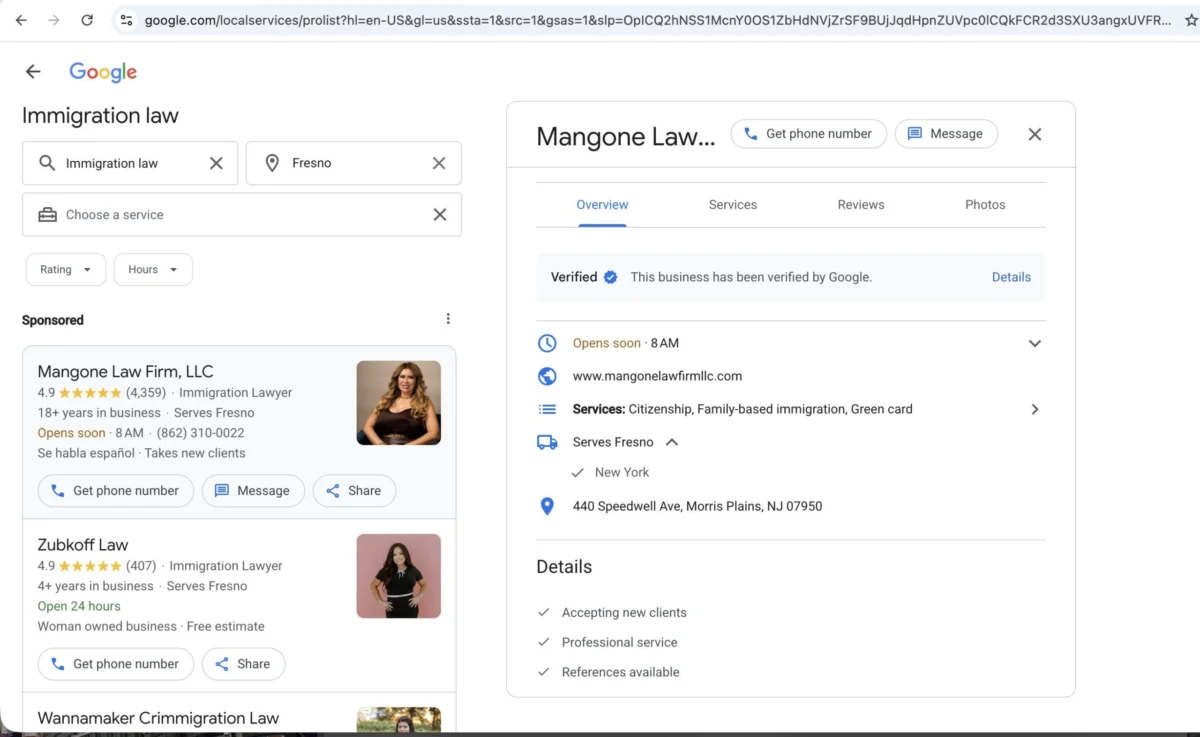
The seismic shift in information retrieval driven by generative AI models like ChatGPT, Google Gemini, and Microsoft Copilot has fundamentally reshaped how brands interact with their audiences. What once seemed a straightforward win – seeing a brand name appear in an AI-generated response – now necessitates a deeper understanding of its nature: is it a mere mention or a substantive citation? This distinction is paramount for modern SEO strategies and overall brand visibility, signaling a pivotal evolution in digital marketing.
The Evolving Landscape of Digital Discovery
For decades, digital discovery was largely dominated by traditional search engine results pages (SERPs), where “10 blue links” directed users to websites. Brands invested heavily in SEO tactics aimed at securing top organic rankings, driving direct traffic. However, the advent of large language models (LLMs) has introduced a new paradigm. Users are increasingly turning to AI assistants for direct answers, summaries, recommendations, and comparisons, often without needing to click through to a source website. This shift from navigational search to conversational AI has profound implications for how brands build awareness, credibility, and ultimately, market share.
The rapid adoption of generative AI underscores this transformation. ChatGPT alone garnered 100 million users within two months of its launch, a testament to the public’s embrace of AI-driven information. As these platforms integrate more deeply into search engines and daily workflows, the visibility a brand achieves within AI outputs becomes as crucial, if not more so, than its ranking in traditional search results. This urgency compels brands to adapt their strategies, moving beyond simple keyword optimization to a more nuanced approach focused on AI interpretability and relevance.
Demystifying AI Brand Mentions
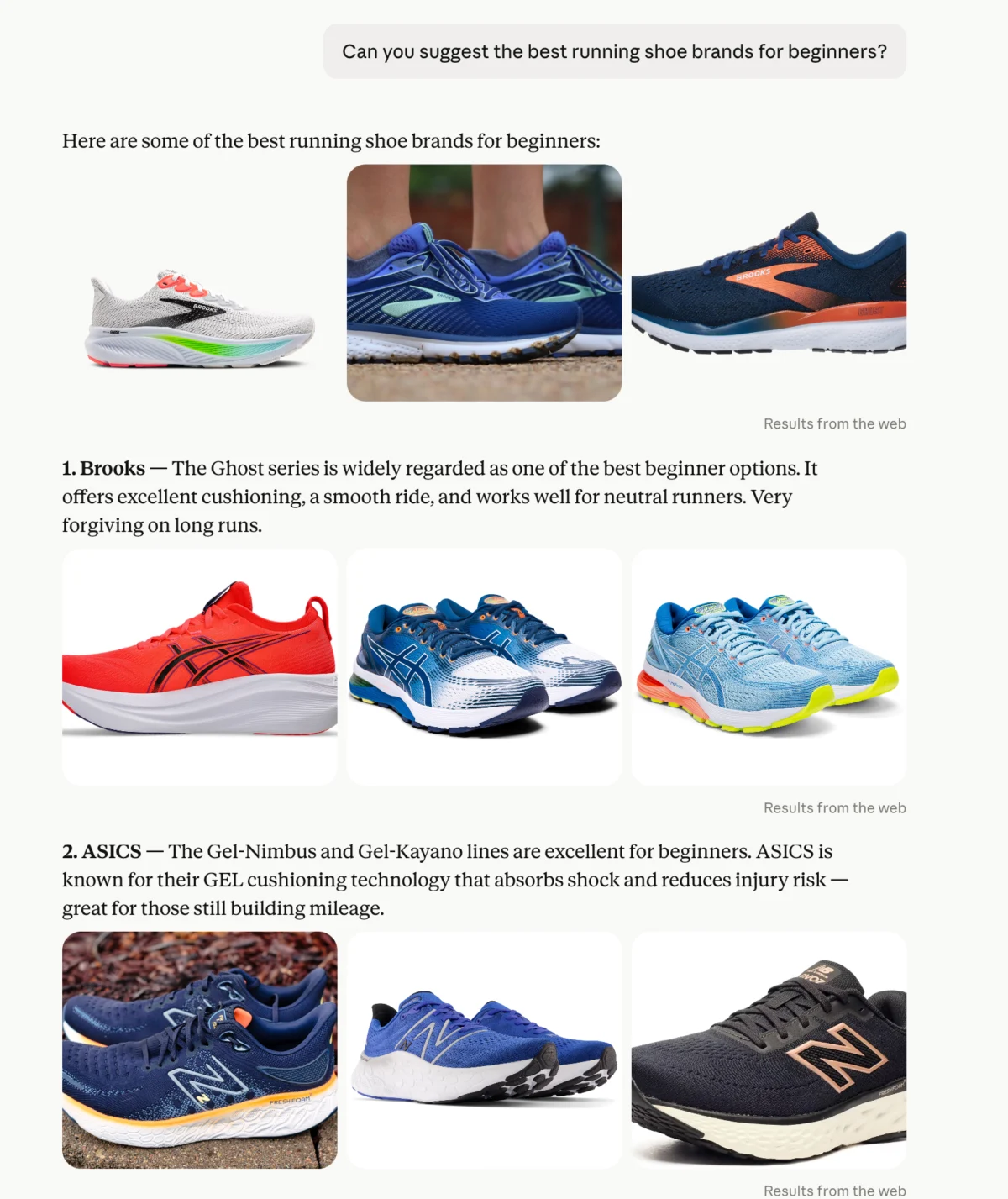
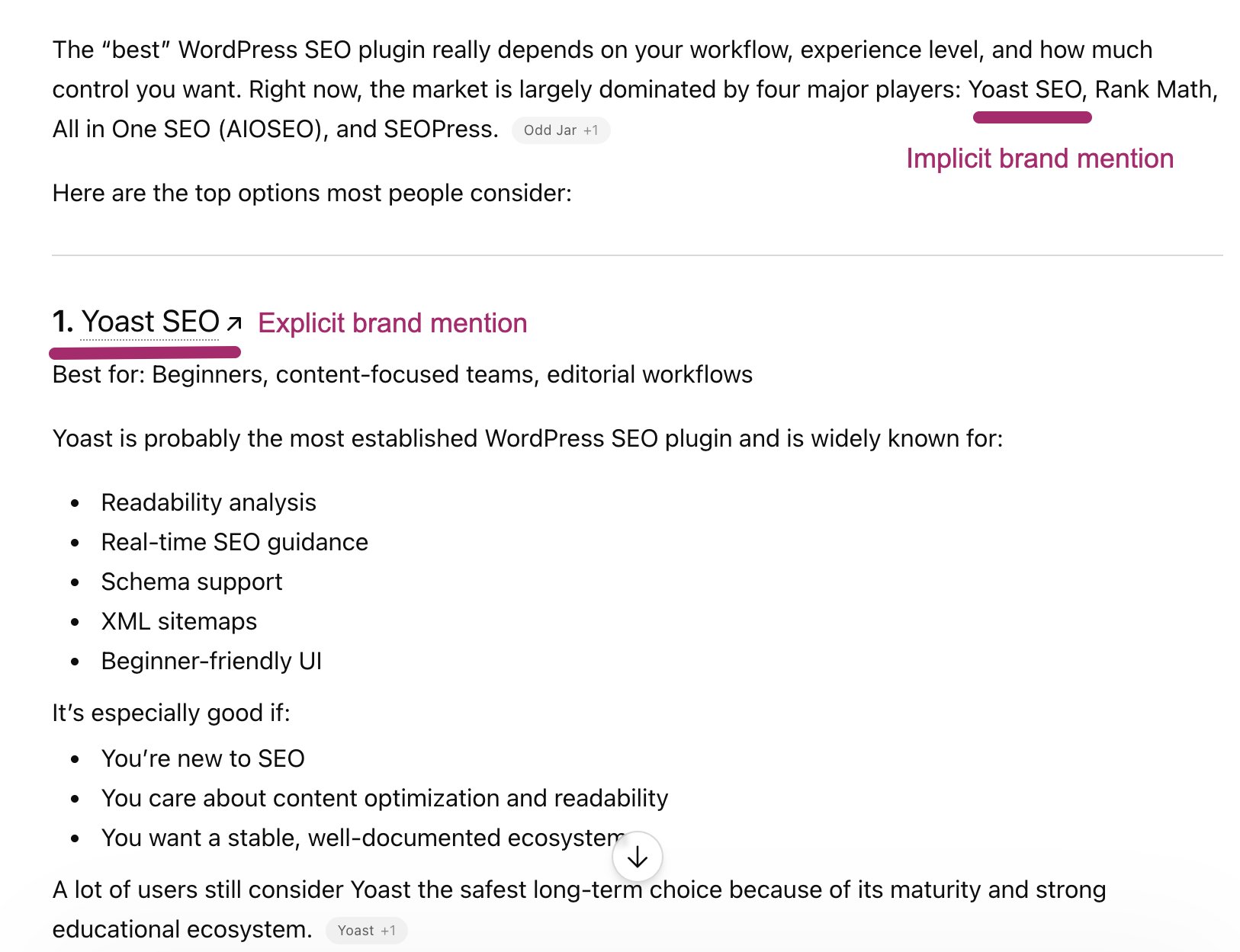
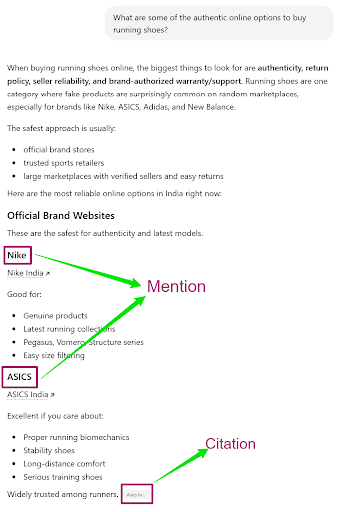
An AI brand mention occurs when an AI tool references a brand name within its generated response, recommendation, comparison, or summary. These mentions can be either explicit, meaning they include a direct link to the brand’s website or profile, or implicit, where the brand name appears without a clickable hyperlink. While seemingly less impactful than a direct citation, brand mentions are vital for cultivating brand awareness and establishing category relevance within the AI ecosystem.
AI models incorporate brand mentions in various conversational contexts, reflecting the user’s query and intent. Common instances include:
- Direct Recommendations: When a user prompts, “What are some of the best project management tools for small businesses?”, an AI might respond with “For small businesses, tools like Asana, Trello, and Monday.com are highly recommended for their user-friendly interfaces.”
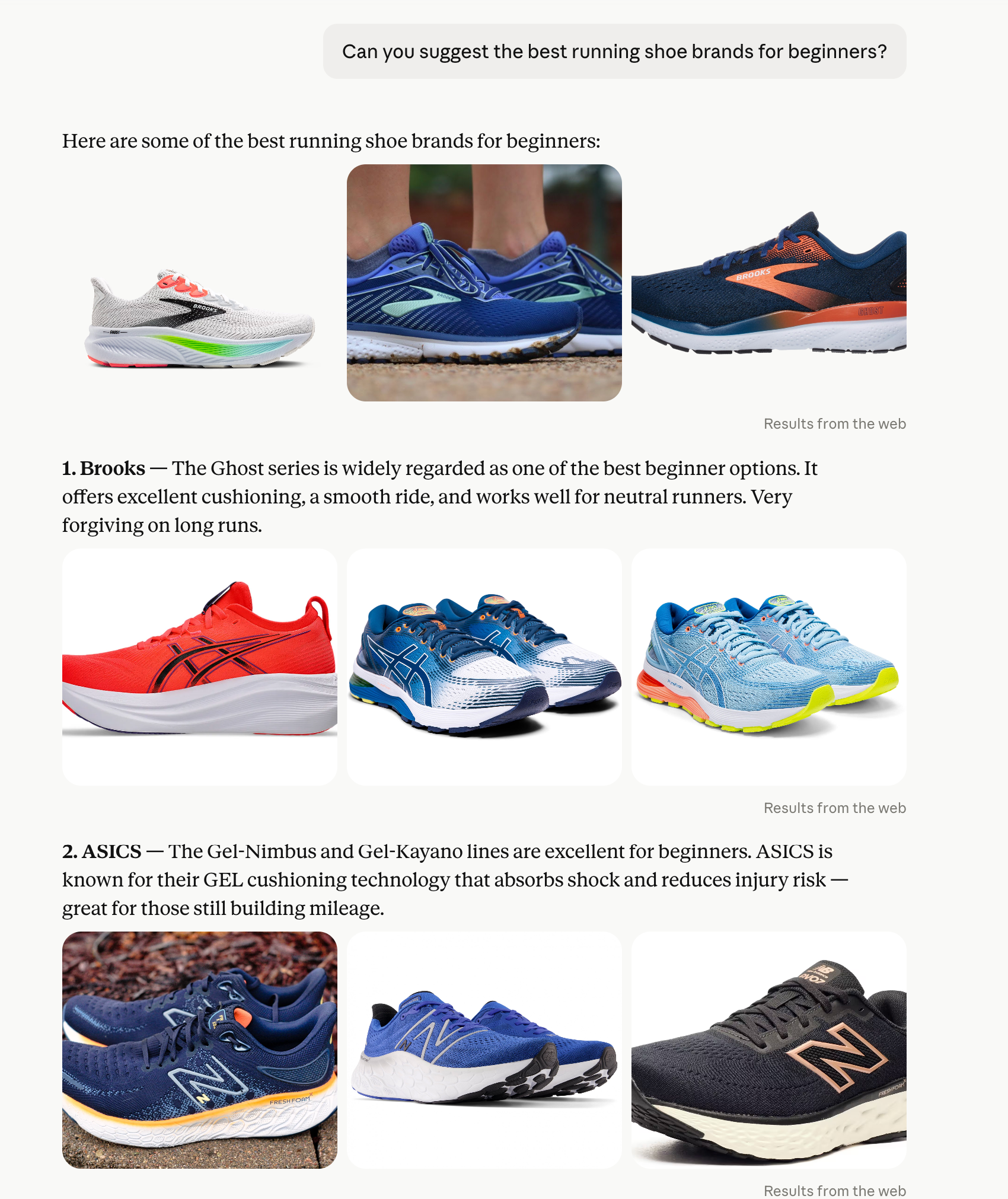
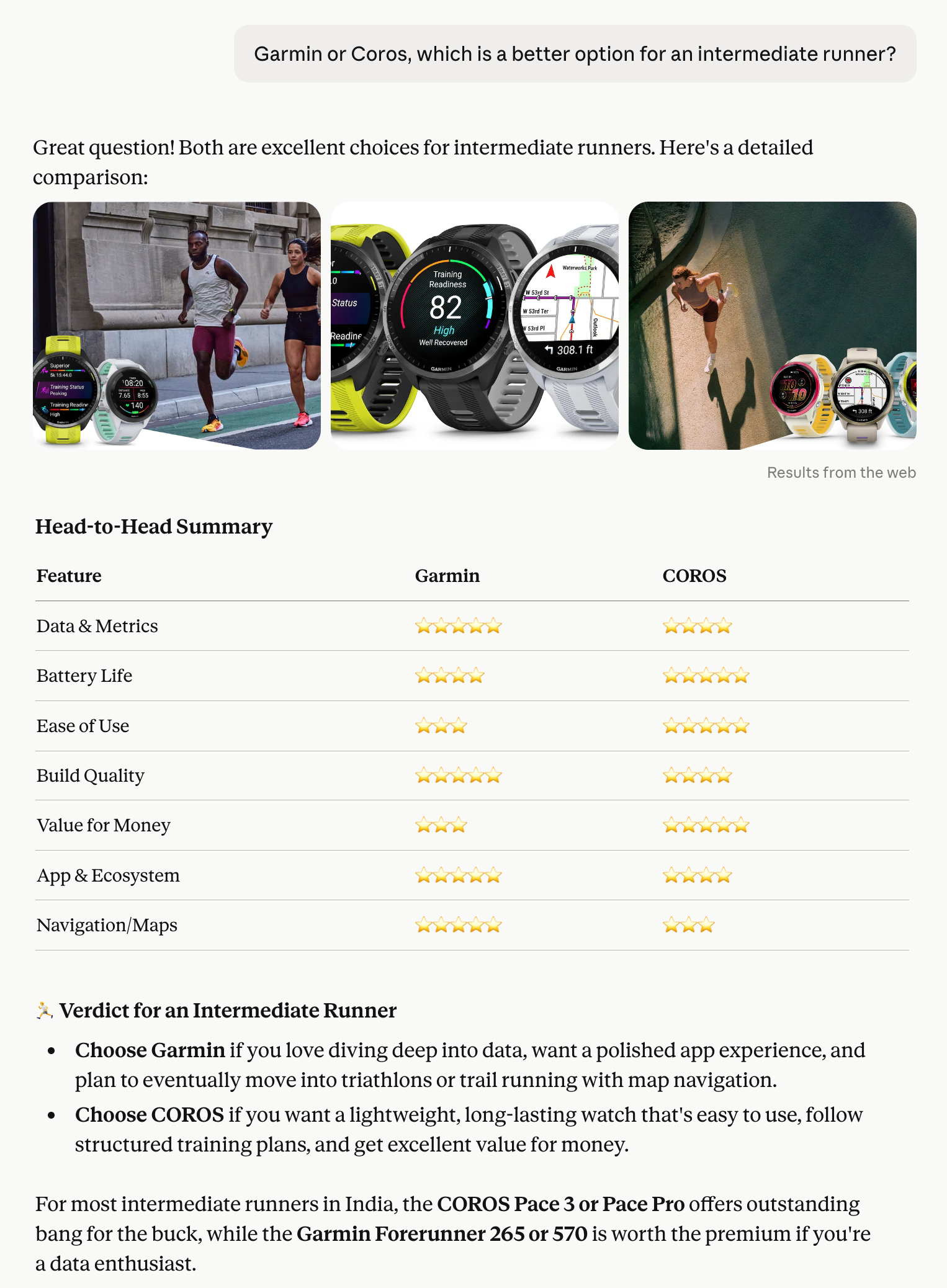
- Comparisons: In response to queries such as “Compare leading CRM software,” the AI may mention brands like Salesforce, HubSpot, and Zoho, outlining their features, pricing, and use cases side-by-side.
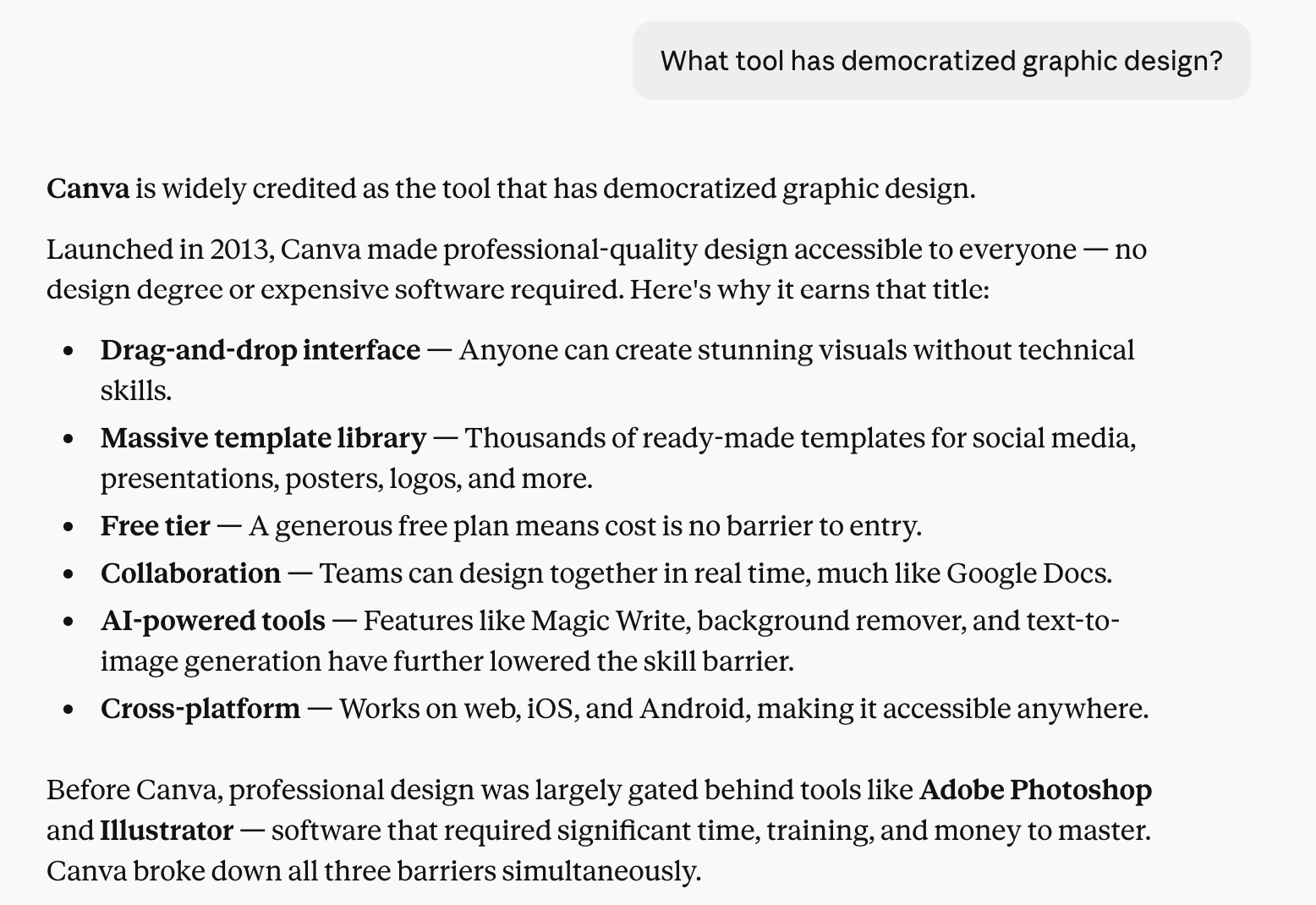
- Examples within Answers: To explain a concept like “cloud storage solutions,” an AI might use “Dropbox and Google Drive are prime examples of popular cloud storage providers.”
- Contextual References: Brands can naturally emerge in broader discussions. For example, a query about “innovations in electric vehicles” might yield mentions of Tesla, Rivian, and Lucid Motors within the contextual narrative.
The primary impact of AI brand mentions lies in building mindshare and ensuring a brand remains within the user’s consideration set. Even without a direct link, repeated mentions foster familiarity and a perception of relevance, which can indirectly drive future searches or conversions.
The Power of AI Citations
In contrast to a mere mention, an AI citation represents a more explicit attribution of information to a specific source. AI systems and search engines include citations to support the answers they generate, crediting the original content creator or publisher. These citations typically point to a specific webpage, report, article, or document, often featuring a direct link, footnote, or inline source reference.
The significance of AI citations extends beyond simple visibility; they are critical signals of authority, credibility, and trustworthiness. When an AI system cites a brand’s content, it validates that content as a reliable and authoritative source of information. This acts as tangible proof of expertise, directly contributing to a brand’s reputation and potentially driving qualified traffic. For instance, an AI response might state, “According to the latest report from [Brand X] on market trends,…” followed by a link to the report.
While both mentions and citations contribute to AI visibility, their underlying signals and direct impacts differ significantly. A mention indicates brand recognition and relevance, placing the brand within a relevant topic cluster. A citation, however, signifies that the brand’s content is considered a foundational or reliable data point, essential for the AI’s factual accuracy and explanatory depth. In many scenarios, a comprehensive AI response might feature both, mentioning a brand in a general context while also citing its specific content to back up a particular claim.
How Large Language Models Process Brand Information
Understanding the intricate mechanisms by which LLMs decide what brands to mention or cite is crucial for optimizing AI visibility. These models do not “choose” brands in a human-like manner; rather, they generate responses based on complex patterns, probabilities, and signals derived from vast datasets and real-time information retrieval.
-
Training Data and Associative Learning: The foundational layer for any LLM is its extensive training data, which comprises trillions of words, images, and other digital content. Within this data, LLMs learn how frequently certain brands appear alongside specific topics, products, or use cases. When a brand is consistently discussed in connection with a particular industry or solution, the model develops a strong associative link. For example, if “Adobe” frequently appears with “graphic design software,” the model reinforces this connection. Brands that are mentioned across diverse contexts and content types build more robust and flexible associations, making them more likely to surface in varied queries.
-
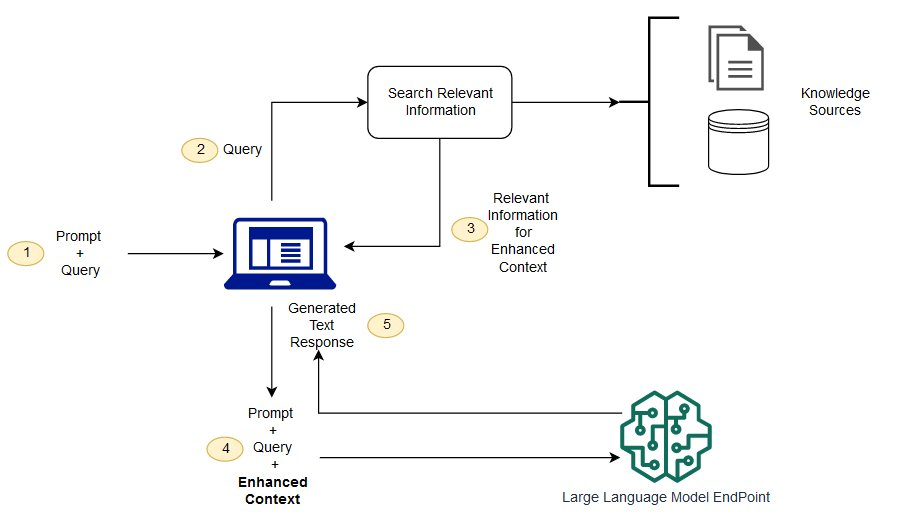
Retrieval-Augmented Generation (RAG): Many advanced AI systems move beyond their static training data by employing Retrieval-Augmented Generation (RAG). This dynamic process allows LLMs to retrieve external, up-to-date information from indexed sources—such as web pages, databases, academic papers, and news articles—in real-time to augment their responses. When a user submits a query, the RAG system first identifies and fetches relevant documents. The LLM then synthesizes this newly retrieved information with its existing knowledge base to generate a more accurate, current, and contextually rich answer. For brands, this means that having high-quality, easily discoverable content in indexed sources is paramount for RAG systems to find and incorporate.
-
Semantic Understanding and Entity Recognition: LLMs operate on a principle of semantic understanding, interpreting the intent behind a user’s query rather than relying solely on exact keyword matches. Through Natural Language Processing (NLP), models convert text queries into vector representations, enabling them to identify conceptual similarities and return semantically relevant answers. For example, a query about “collaboration tools for hybrid teams” will be mapped to broader concepts like “remote work solutions,” “communication platforms,” and “project management software.” Brands that consistently and clearly associate themselves with these semantic entities across their content are more likely to be recognized and mentioned. Entity clarity, where a brand is described uniformly across various sources, is vital; ambiguity can hinder the model’s ability to confidently link the brand to relevant topics.
-
Authority, Trust, and Cross-Source Validation: AI systems assess the trustworthiness and authority of information sources. They validate claims by cross-referencing patterns across multiple sources and weighing the credibility of those sources. A brand consistently referenced by reputable, independent platforms (e.g., industry publications, academic journals, established news outlets) gains significant authority in the eyes of an LLM. This aligns closely with Google’s E-E-A-T (Experience, Expertise, Authoritativeness, and Trustworthiness) principles, which have been increasingly emphasized for human evaluators and are now implicitly woven into AI’s information assessment. Brands that invest in public relations, earned media, and expert contributions naturally strengthen these critical authority signals.
-
Query Relevance and User Intent: Fundamentally, an AI model prioritizes relevance. Even highly authoritative or frequently mentioned brands will not appear in a response unless they precisely match the user’s intent, specific use case, target audience, or the problem being addressed. AI models are becoming adept at discerning nuances in queries, such as “best budget-friendly software,” “enterprise solutions,” or “tools for beginners.” Brands that clearly articulate their value proposition, target audience, and specific applications within their content are better positioned to align with these nuanced user intents.
-
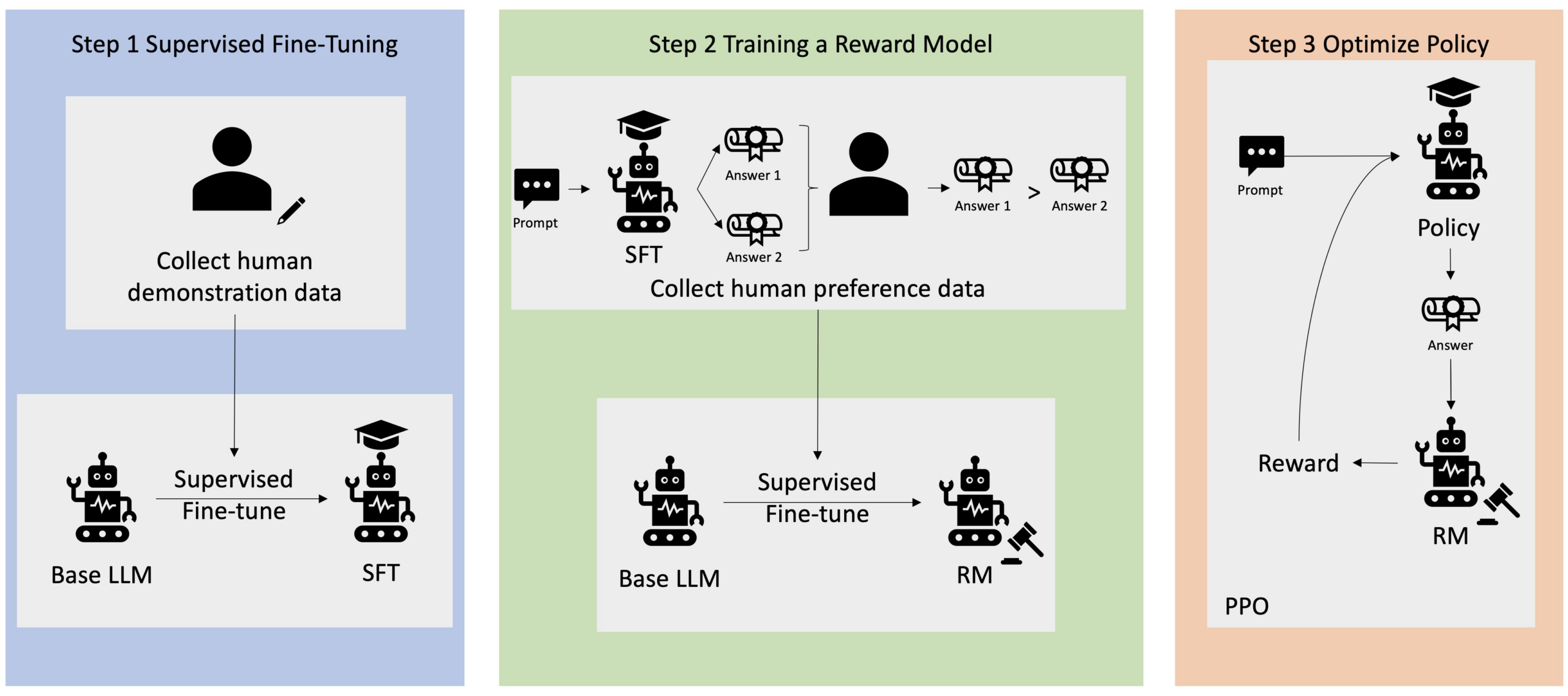
Reinforcement Learning from Human Feedback (RLHF): LLMs are continuously refined through human feedback loops, a process known as RLHF. Human evaluators review AI-generated responses, providing guidance on their accuracy, helpfulness, harmlessness, and overall quality. This feedback helps train the model to produce more desirable outputs. In the context of brand mentions, if a brand is consistently associated with negative sentiment or inaccurate information in human evaluations, the model may learn to deprioritize or avoid mentioning it. Conversely, brands consistently appearing in neutral or positive contexts across diverse sources are reinforced, aligning AI mentions more closely with quality, trust, and user expectations.
Strategic Imperatives for Enhanced AI Visibility
To thrive in the AI-driven discovery landscape, brands must adopt a multi-faceted strategy that optimizes for both mentions and citations.
-
Crafting AI-Friendly Content: Create content that is inherently easy for AI systems to understand, parse, and reuse. This means prioritizing clear definitions, structured explanations, and direct answers over verbose, ambiguous prose. Use headings, bullet points, numbered lists, and summary boxes. For example, a “What is X?” page with a concise, well-defined answer at the top, followed by structured details, is more digestible for an AI than a long-form article that buries the core definition.
-
Targeting Evaluative Queries: Proactively create content that addresses “best of,” “versus,” or “which one should I choose” types of queries. Comparison pages, product reviews, and solution guides that objectively evaluate options (including your own product/service) provide AI models with clear context for recommending your brand. Such content helps AI understand when your offering is the optimal fit for a specific user need.
-
Fortifying Authority Signals: Actively pursue opportunities for your brand to be mentioned and cited across trusted, independent sources. This includes securing media coverage (PR), earning mentions in industry reports, contributing expert insights to reputable publications, and fostering a strong community presence. Every high-quality third-party mention reinforces your authority and credibility in the eyes of AI.
-
Maintaining Content Freshness: For topics that evolve rapidly, regularly updating cornerstone content is crucial. AI systems prioritize up-to-date information. An “ultimate guide” or “best tools” list that is refreshed quarterly with current data, trends, and product updates will signal greater reliability than stagnant content, increasing its likelihood of being retrieved and cited.
-
Ensuring Consistent Entity Clarity: Your brand’s identity and value proposition must be consistently articulated across all your digital assets and external mentions. If your product is “AI-powered marketing automation for e-commerce,” ensure this precise description is used uniformly. This consistent messaging helps AI systems build an unambiguous understanding of what your brand does and when it is relevant. Semantic linking, where your content explicitly connects your brand to related concepts and terminology, further aids this clarity.
-
Cultivating Citation-Worthy Content: To earn citations, focus on creating content that others (including AI) would naturally want to reference. This encompasses original research, unique data sets, insightful thought leadership, proprietary studies, and practical resources that offer genuine value. Content that contributes new knowledge or a distinct perspective to a conversation is highly likely to be picked up as a credible source.
The Symbiotic Relationship: Mentions and Citations Combined
While distinct, AI brand mentions and citations are not mutually exclusive; they form a symbiotic relationship. Mentions lay the groundwork for brand recognition and topical relevance, positioning a brand within the collective consciousness of the AI. Citations, on the other hand, elevate that brand from merely being known to being recognized as an authoritative and trustworthy source.
Optimizing for both is the most robust strategy. Brands that consistently appear in relevant conversations while simultaneously publishing credible, high-quality content that demonstrates expertise are far more likely to achieve superior AI visibility. This dual approach ensures that a brand is not only visible but also validated, building both broad awareness and deep trust.
Measuring AI Brand Performance
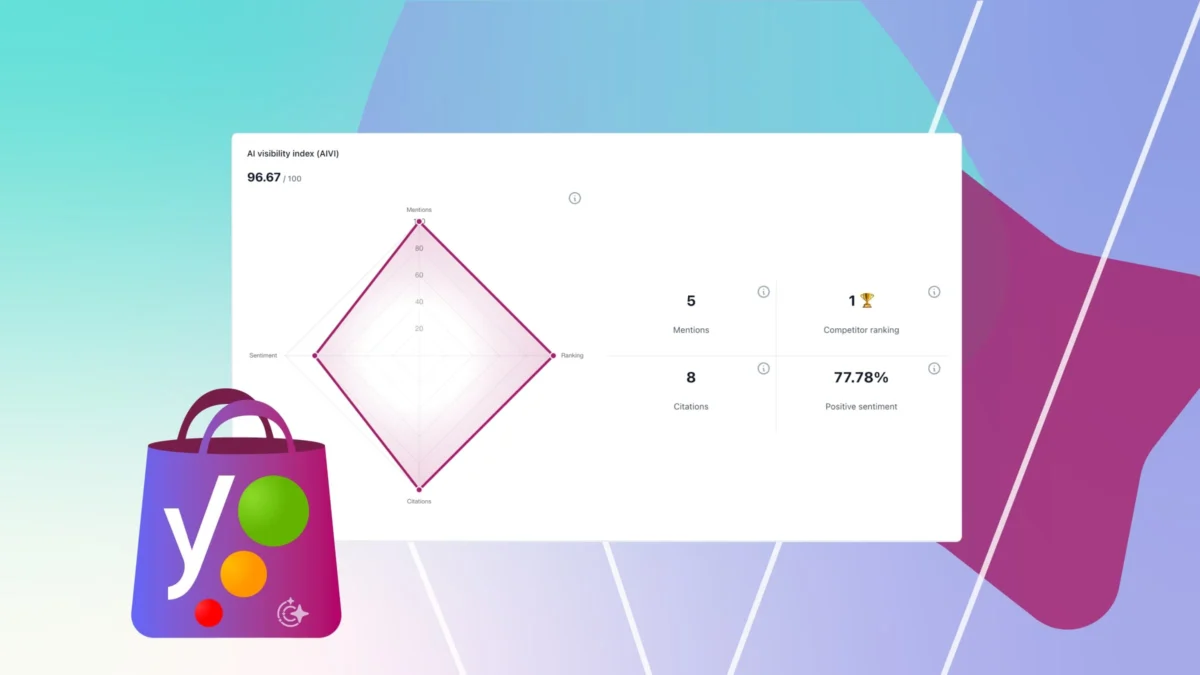
The traditional SEO metrics of organic traffic, keyword rankings, and impressions remain important, but they no longer paint a complete picture of brand performance in the AI era. New metrics for AI visibility are emerging, focusing on:
- AI Mention Volume: How often a brand is mentioned across various LLM responses.
- AI Citation Rate: The frequency with which a brand’s content is cited as a source.
- Sentiment of Mentions: The overall positive, neutral, or negative tone associated with brand mentions in AI outputs.
- Contextual Relevance Score: How accurately and relevantly the brand is mentioned within AI responses.
- Discoverability Score: A composite metric reflecting overall brand presence and visibility in AI-driven search experiences.
Tools like Yoast SEO AI+ are beginning to provide insights into these new metrics, allowing brands to monitor their presence across AI platforms and identify opportunities for improvement.
The Road Ahead: Challenges and Opportunities
The journey into AI-driven discovery presents both challenges and unparalleled opportunities. Brands must navigate the inherent complexities of algorithmic changes, the potential for AI “hallucinations” (generating plausible but incorrect information), and the evolving ethical considerations around source attribution and bias.
However, for proactive brands, the opportunity is immense. By strategically optimizing for both AI mentions and citations, they can solidify their position as leaders, experts, and trusted sources within the new information ecosystem. The future of brand visibility is deeply intertwined with how effectively brands can communicate their value, expertise, and trustworthiness to artificial intelligence, ensuring they are not just seen, but understood and valued.