rifanmuazin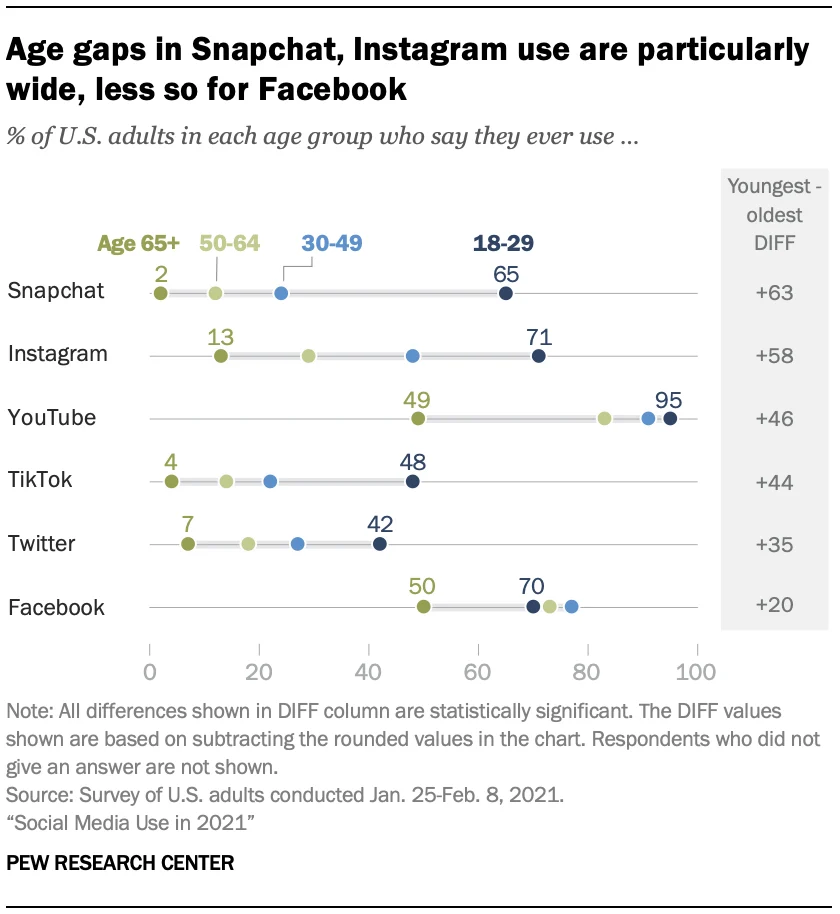
The word "target" is a cornerstone of modern marketing, representing the critical understanding of who a brand is attempting to communicate with. This strategic focus encompasses various dimensions, including behavioral, psychographic, demographic, and geographic segmentation. However, an increasingly vital layer in effective targeting is the nuanced approach required when addressing different generational cohorts. In a continuing series dedicated to dissecting digital marketing for distinct age groups, this article delves into the characteristics, consumption patterns, and optimal marketing approaches for Millennials (born between 1980 and 1994), building upon previous coverage of Generation Z. The aim is to equip marketers with the insights necessary to ensure their messages reach these influential demographics in the right channels and with resonant content.
Understanding the Millennial Generation: Beyond the Stereotypes
Millennials, a generation that has surpassed Baby Boomers in size, now represents the largest demographic cohort. They have often been characterized by their digital fluency, a pronounced focus on health and wellness, and a perceived burden of student loan debt. While these descriptors offer a starting point, a more comprehensive understanding requires a deeper exploration of their formative experiences and evolving values. Unlike Generation Z, who were born into a fully realized digital landscape, Millennials witnessed and actively participated in the foundational stages of the digital revolution. The rise of platforms like Facebook, the widespread adoption of mobile phones, and the ubiquity of search engines like Google and e-commerce giants such as Amazon and Apple all occurred during their formative years and early adulthood. This direct engagement with technological innovation has cultivated a generation that is inherently tech-savvy and adept at navigating the digital realm.
Further enriching this understanding, research indicates that Millennials generally possess higher levels of education compared to preceding generations. However, this educational attainment is frequently juxtaposed with significant financial challenges. The escalating costs of higher education and the soaring real estate market have contributed to a substantial debt load for many, consequently delaying traditional life milestones. Marriage, homeownership, and starting families are often postponed as individuals prioritize financial stability and personal development. This shift in life pacing is a critical consideration for marketers aiming to connect with this demographic.
Beyond these economic and technological factors, Millennials are often described as self-oriented, idealistic, and valuing individual freedom. This can translate into a strong emphasis on personal well-being and a pursuit of experiences over material possessions. The surge in dietary preferences such as vegetarianism, veganism, and pescetarianism, along with the cultural phenomenon of avocado toast, can be seen as manifestations of this health-conscious and self-expressive ethos. For marketers, recognizing that experiences often hold greater currency than tangible goods is paramount in crafting compelling value propositions.
The Millennial Consumer: A Spectrum of Spending Habits
A comprehensive study conducted by McKinsey & Company identified several distinct clusters within the Millennial consumer base, highlighting the diversity of their purchasing behaviors. While the exact clusters are not detailed in the provided excerpt, the overarching finding emphasizes that financial prudence, often driven by debt concerns, coexists with a willingness to invest in premium and quality products. This suggests a discerning consumer who prioritizes longevity, demonstrable health benefits, and perceived value over impulsive or disposable purchases. Therefore, marketing messages that emphasize durability, ethical sourcing, and tangible benefits that contribute to a healthier lifestyle are likely to resonate more effectively.
This dual inclination—concern for financial future coupled with a willingness to spend on perceived value—presents a complex but rewarding challenge for marketers. It underscores the importance of transparent pricing, clear articulation of product benefits, and a focus on long-term value rather than short-term gratification. Brands that can demonstrate a commitment to quality, sustainability, and genuine customer well-being are better positioned to capture the attention and loyalty of this generation.
Strategic Pathways to Engage Millennials: Platforms and Messaging

The question of how to effectively reach and engage Millennials requires a dual approach: identifying the optimal platforms for communication and crafting messages that resonate with their values and aspirations.
Platforms to Reach Millennials
Leveraging data on platform usage is crucial for effective digital marketing campaigns. While the specific platforms were not enumerated in the original text, industry trends and available data consistently point to certain digital environments as key touchpoints for Millennials.
- Social Media: Platforms like Instagram, Facebook, and increasingly TikTok, continue to be significant channels. Instagram, with its visually driven content, aligns well with Millennial preferences for experiences and aspirational lifestyles. Facebook, despite its broader demographic reach, remains a hub for community building and information sharing. Emerging platforms and evolving features on established ones require ongoing monitoring.
- Video Content Platforms: YouTube remains a dominant force, with Millennials consuming vast amounts of video content, from educational tutorials and product reviews to entertainment and vlogs. Short-form video content, mirroring trends on TikTok and Instagram Reels, is also gaining traction.
- Search Engines and E-commerce Sites: As digitally native consumers, Millennials rely heavily on search engines for product research and comparison. Optimized search engine marketing (SEM) and strong search engine optimization (SEO) are therefore essential. E-commerce platforms are not just transactional spaces but also sources of product information and reviews.
- Content Marketing and Blogs: Millennials are often seeking in-depth information and solutions to their problems. High-quality content marketing, including blog posts, articles, and white papers, that addresses their interests and concerns can build trust and authority.
- Influencer Marketing: Given their value for authenticity and peer recommendations, collaborations with relevant influencers can be highly effective. However, the focus must be on genuine partnerships and transparent endorsements.
The accompanying visual, depicting age gaps across different social media platforms, underscores the need for marketers to be acutely aware of where their target audience spends their time online. While younger generations might dominate newer platforms, Millennials maintain a strong presence on established ones, often utilizing them for different purposes.
Messaging That Speaks to Millennials
Crafting effective messaging for Millennials goes beyond simply listing product features. It requires an understanding of their core values and motivations. As highlighted in the provided text, segmenting the Millennial audience into the identified consumer clusters is a critical first step in tailoring communication.
- Authenticity and Transparency: Millennials are wary of overly polished or inauthentic marketing. Brands that are transparent about their products, their mission, and their impact tend to build stronger connections. Genuine storytelling and behind-the-scenes glimpses can be powerful tools.
- Value-Driven Communication: Messaging should articulate the tangible benefits and long-term value of a product or service. This includes highlighting quality, durability, health benefits, and how the offering contributes to a desired lifestyle or solves a specific problem.
- Purpose and Social Impact: Many Millennials are motivated by brands that demonstrate a commitment to social and environmental responsibility. Highlighting ethical sourcing, sustainable practices, or charitable contributions can significantly enhance brand appeal.
- Experiential Focus: Given their preference for experiences over material goods, marketing should emphasize how a product or service enhances life experiences. This could involve showcasing how a travel product enables exploration, how a tech gadget facilitates connection, or how a wellness service promotes personal growth.
- Personalization and Customization: Millennials appreciate feeling understood and catered to. Personalized messaging, product recommendations, and customized offers can significantly improve engagement.
- Community and Connection: Fostering a sense of community around a brand can be highly effective. This can be achieved through interactive content, user-generated content campaigns, and platforms that encourage dialogue and shared experiences.
Broader Implications for the Marketing Landscape
The evolving understanding of the Millennial generation has significant implications for the broader marketing landscape. As this demographic continues to mature and gain greater purchasing power, their preferences and values will increasingly shape market trends and brand strategies. Marketers who fail to adapt their approaches to align with Millennial expectations risk becoming irrelevant.
The emphasis on authenticity, purpose, and experiential value signals a shift away from traditional, product-centric advertising towards a more human-centered and values-driven approach. Brands will need to demonstrate a clear understanding of their impact on consumers and the world around them. Furthermore, the data-driven nature of Millennial consumption necessitates sophisticated analytical capabilities for marketers to accurately segment, target, and measure the effectiveness of their campaigns.
The insights gleaned from understanding Millennials also provide a valuable framework for future generational marketing efforts. The principles of digital fluency, value alignment, and personalized communication are likely to remain relevant, albeit with evolving technological and cultural nuances.
Conclusion: A Dynamic and Evolving Target Audience
In conclusion, marketing to Millennials is a complex but ultimately rewarding endeavor. It requires moving beyond simplistic stereotypes and delving into the multifaceted realities of their lives. Their digital nativity, educational aspirations, financial realities, and evolving values all contribute to a unique consumer profile. By strategically identifying the most effective platforms and crafting messaging that speaks to their desire for authenticity, value, purpose, and experiences, brands can forge meaningful connections and achieve lasting success in this influential market segment. Continuous research, adaptation, and a genuine understanding of their evolving needs will be the keys to unlocking the full potential of engaging with the Millennial generation. For brands seeking to refine their digital marketing solutions to effectively reach and convert this audience, consulting with experienced marketing professionals can provide invaluable strategic guidance.