
 rifanmuazin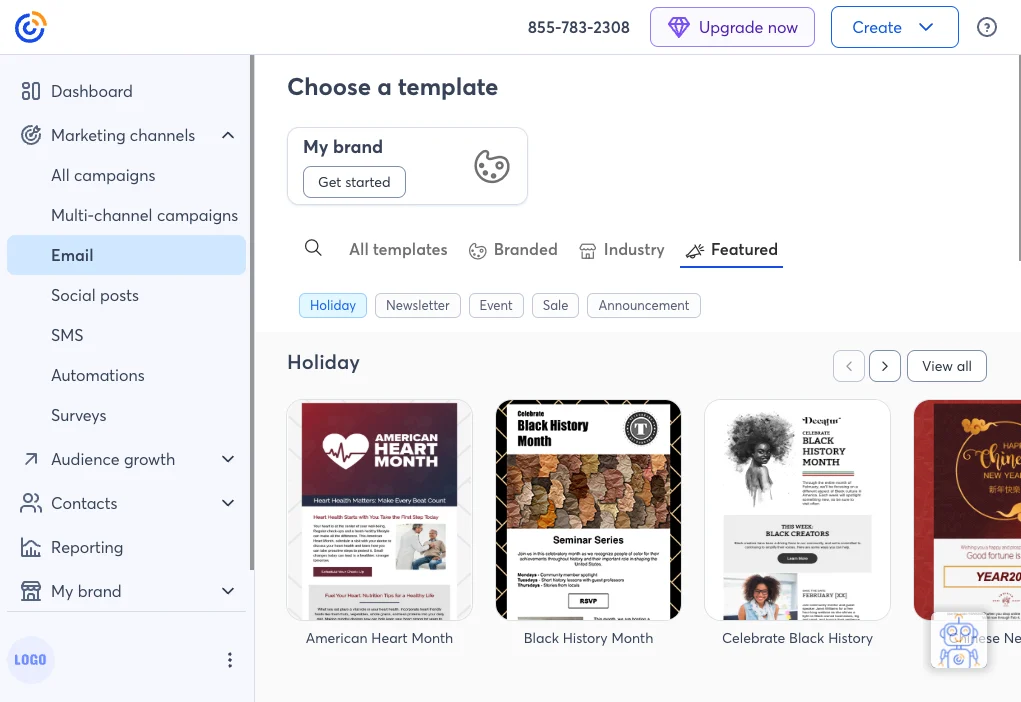
Email remains an indispensable cornerstone of digital communication for businesses of all sizes, serving as a direct and owned channel to connect with customers. This enduring relevance is underscored by recent data from Mailjet’s 2024 email engagement report, which indicates that a significant 75.4% of consumers across key markets including the U.S., UK, France, Germany, and Spain express a preference for email when receiving promotional messages. Furthermore, 74% favor email for critical transactional communications, such as order confirmations and password resets, over all other available channels. This demonstrates email’s unparalleled position as a trusted and effective medium for both marketing and operational outreach.
The digital marketing ecosystem, however, presents businesses with a formidable challenge: the sheer volume and diversity of email marketing platforms. From solutions tailored for agile startups to robust systems designed for expansive enterprise teams, and from automation-heavy powerhouses to streamlined, simplicity-focused offerings, the landscape is vast and often overwhelming. Identifying the platform that aligns precisely with a business’s operational cadence, strategic objectives, and budgetary constraints requires a nuanced understanding of the market and a rigorous evaluation process.
The Enduring Power of Email in the Digital Age

Email’s journey from a rudimentary communication tool to a sophisticated marketing powerhouse spans decades. Born in the early days of the internet, it quickly evolved from simple text-based messages to rich HTML content, paving the way for newsletters and promotional campaigns. The turn of the millennium saw the rise of dedicated email service providers (ESPs), democratizing email marketing for businesses beyond tech giants. This evolution accelerated with the advent of robust analytics, segmentation capabilities, and, crucially, marketing automation. Today, email is not merely a broadcast channel but a dynamic, interactive medium capable of highly personalized and contextually relevant communications.
In an era dominated by ever-changing social media algorithms and rising ad costs, email stands out as one of the few marketing channels where businesses retain full control over their audience and data. This “owned media” aspect provides a crucial hedge against the volatility of third-party platforms. Industry benchmarks consistently highlight email marketing’s exceptional return on investment (ROI), often cited as high as $42 for every $1 spent, far surpassing many other digital channels. This efficiency stems from its directness, measurability, and the inherent intent of subscribers who have opted into receiving communications.
Key Considerations for Strategic Platform Selection
Choosing the “best” email marketing platform is less about identifying a universally superior product and more about finding the optimal fit for specific business needs. Based on extensive testing and analysis of dozens of tools, several critical attributes consistently emerge as determinants of a platform’s suitability:
-
Intuitive User Experience and Ease of Use: A platform should not demand extensive technical expertise or a steep learning curve. The ability to effortlessly build subscriber lists, design compelling campaigns using drag-and-drop editors, and configure automation sequences from a clean, logical dashboard is paramount. Tools that feel clunky or require constant reference to documentation often lead to underutilization and frustration.
-
Robust Automation Capabilities: Modern email marketing thrives on automation. Whether it’s a meticulously crafted welcome sequence for new subscribers, a series of post-purchase follow-ups, or re-engagement campaigns for inactive users, the platform must offer reliable and easily configurable automation workflows. These systems should enable businesses to create complex customer journeys without requiring any coding knowledge, ensuring timely and relevant communication at scale.
-
Seamless Integration Ecosystem: An email marketing platform rarely operates in isolation. Its ability to seamlessly integrate with a business’s existing technology stack—including CRM systems, e-commerce platforms (e.g., Shopify, WooCommerce), booking software, customer support tools, and analytics dashboards—is crucial for a cohesive and efficient marketing operation. Strong native integrations or reliable connectors like Zapier ensure data fluidity and prevent workflow bottlenecks.
-
Transparent and Scalable Pricing Models: For small and growing businesses, unpredictable or overly complex pricing can be a significant barrier. Ideal platforms offer affordable entry-level plans, “pay-as-you-go” options, or models that scale predictably with usage (e.g., per email sent rather than per contact). Avoiding expensive commitments or prohibitive minimum volume requirements allows businesses to start small and confidently expand their email efforts as their subscriber base and revenue grow.

-
Room for Growth and Advanced Features: A chosen platform must not only meet current needs but also accommodate future expansion. It should support the scaling of campaigns, the management of increasingly large and segmented lists, and the implementation of more sophisticated automations without incurring prohibitive costs or necessitating a complete migration. Advanced capabilities such as A/B testing, detailed analytics, advanced segmentation, dynamic content, and deliverability optimization become critical as marketing strategies mature.
Analyzing the Diverse Landscape of Email Marketing Platforms
The market offers a rich tapestry of solutions, each with its unique strengths catering to specific niches.
-
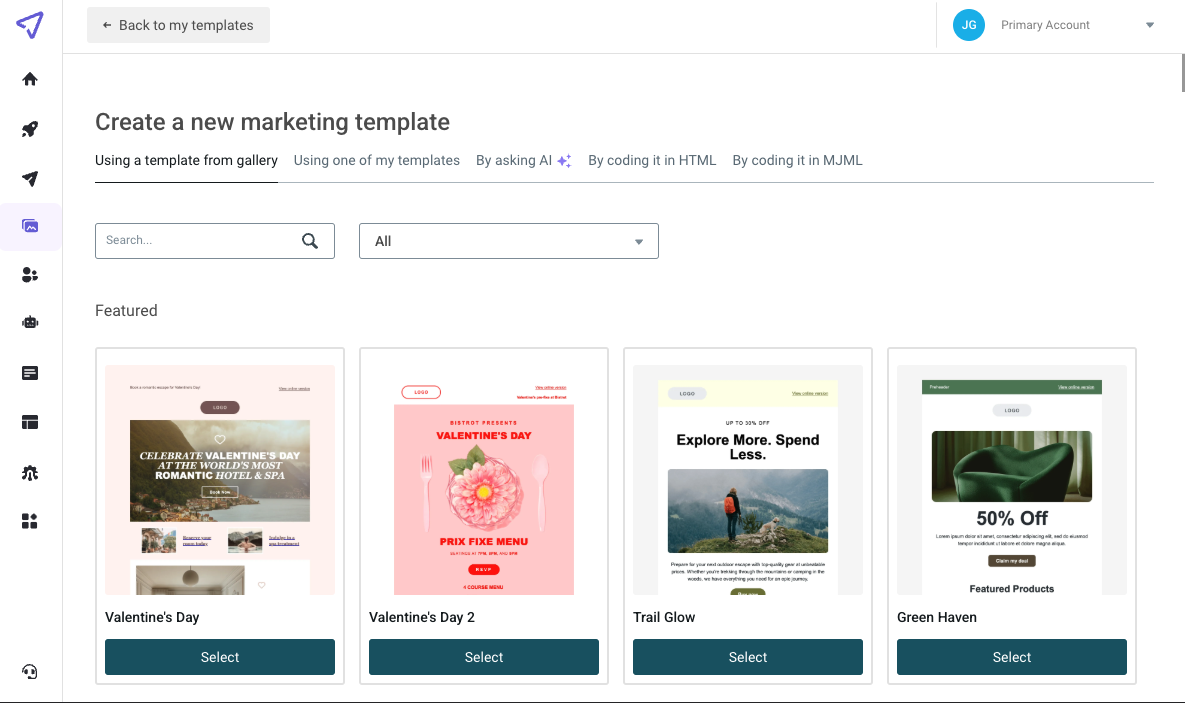
Mailjet: The Budget-Conscious Powerhouse. Positioned as an excellent choice for teams mindful of cost, Mailjet distinguishes itself by charging based on the number of emails sent rather than contact volume, offering predictable pricing as lists grow. It provides an intuitive interface for both marketing and transactional emails, alongside form builders and landing page capabilities. Its strength lies in balancing affordability with a comprehensive feature set suitable for startups and growing teams.
-
Mailchimp: The Entry Point for Beginners. Often the first name encountered by newcomers to email marketing, Mailchimp offers a user-friendly interface and a generous free plan (up to 500 contacts). It excels at helping businesses launch their initial campaigns with ease, though its automation and customization options may present limitations as strategies become more complex.
-
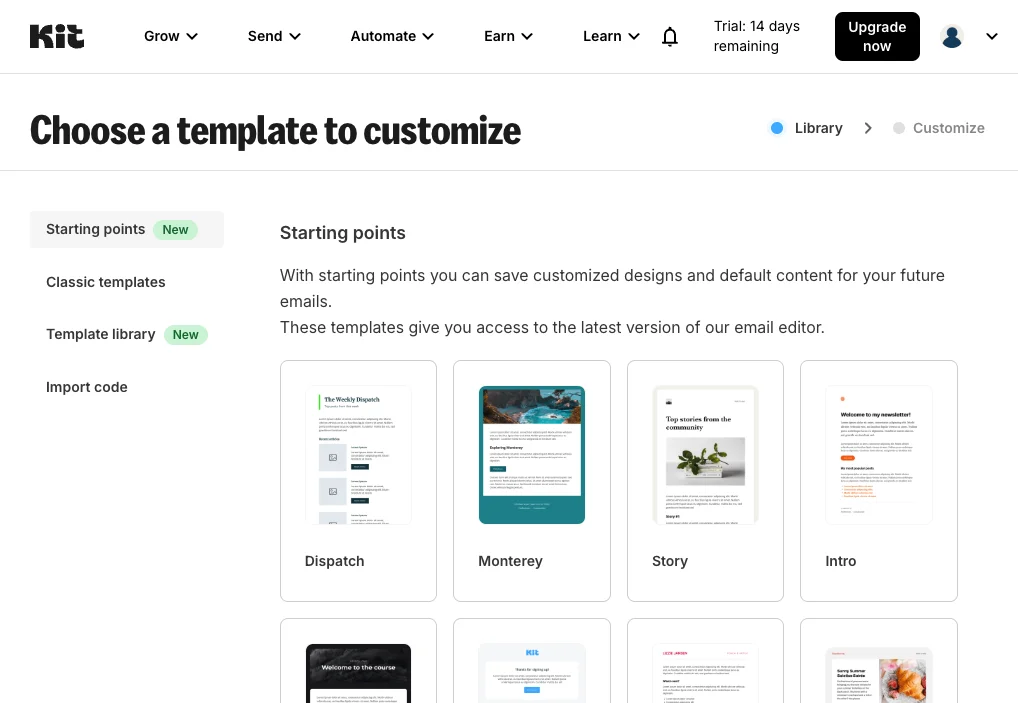
Kit (formerly ConvertKit): Tailored for Digital Creators. Designed with bloggers, YouTubers, and solo entrepreneurs in mind, Kit focuses on audience growth and automated follow-ups. Its free plan supports up to 10,000 subscribers, making it highly attractive for content creators, though advanced multi-sequence automations and funnels require a paid upgrade.
-
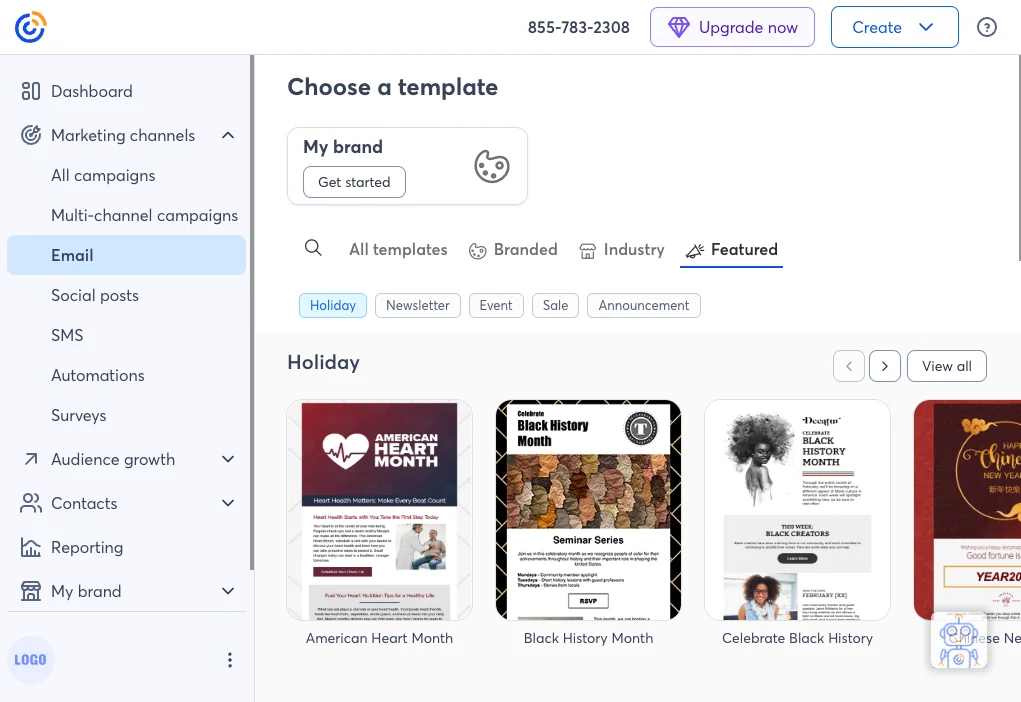
Constant Contact: Social Media Integration for Brands. For businesses looking to synchronize email campaigns with their social media presence, Constant Contact offers an easy-to-use drag-and-drop editor and consistently high email delivery rates. It’s particularly well-suited for brands with a strong Facebook and Instagram presence, although its more advanced plans can become costly for smaller operations.
-
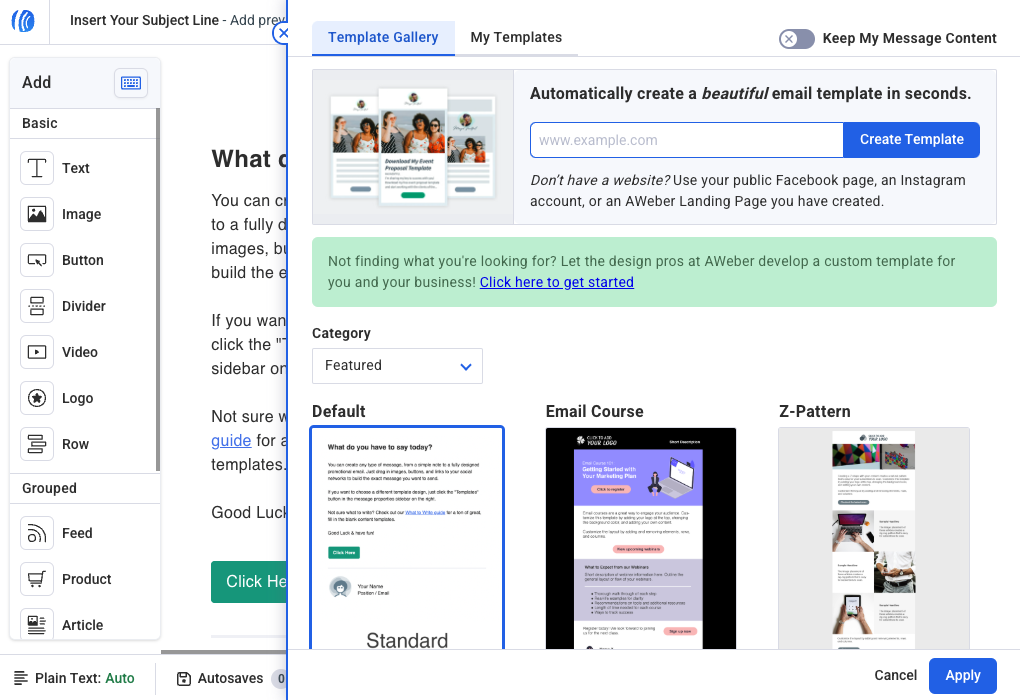
AWeber: A Legacy of Reliability. With over two decades in the market, AWeber is a trusted name among solo entrepreneurs and small business owners. It provides a straightforward platform with pre-built templates, automation, and integrations with popular platforms like Etsy and YouTube. While not the most cutting-edge, it consistently delivers on core functionalities, including solid analytics and testing tools.
-
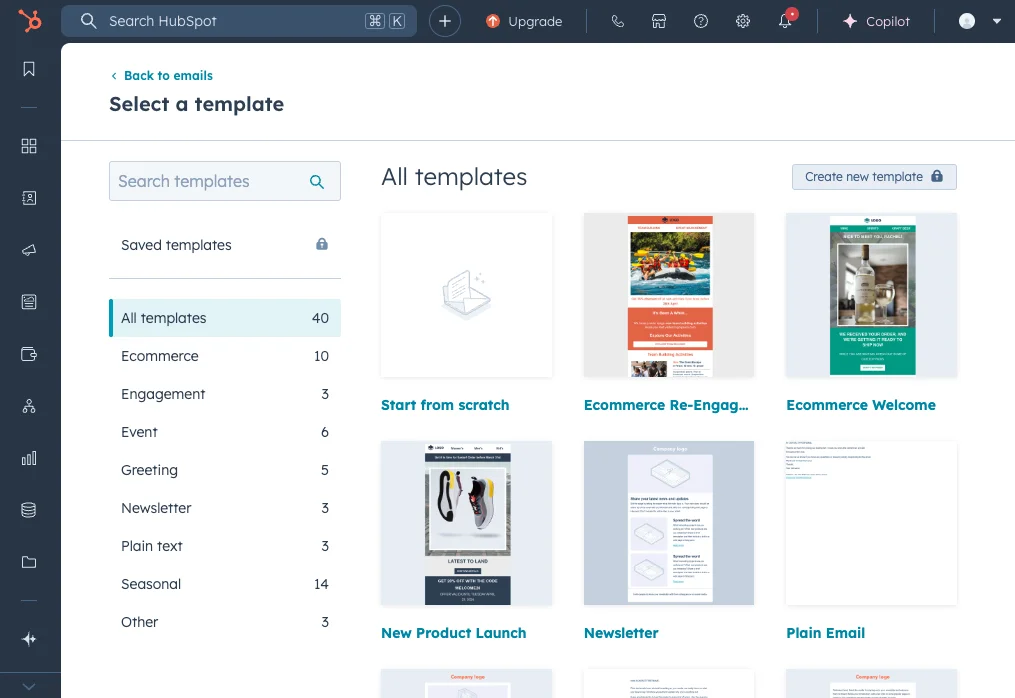
HubSpot: The All-in-One Marketing Ecosystem. HubSpot transcends traditional email marketing, offering a comprehensive CRM and marketing suite. It allows businesses to manage contacts, build automated email flows, and track performance from a single dashboard. Its free tier is surprisingly robust, but accessing advanced automation features necessitates a significant price increase.
-
Omnisend: E-commerce Specialization. Purpose-built for online stores, Omnisend integrates omnichannel marketing tools like SMS and push notifications directly into its platform, even on the free plan. It excels at driving e-commerce revenue through features like abandoned cart emails and product recommendations, though its email deliverability and template diversity might not be industry-leading.
-
Brevo (formerly Sendinblue): Multi-Channel Campaign Orchestration. Brevo facilitates the integration of email, SMS, and live chat into a unified platform, making it ideal for businesses seeking a consolidated communication hub. Its clean user interface enhances navigation, but deeper analytical insights are typically reserved for higher-tier plans.
-
ActiveCampaign: The Automation Powerhouse. For businesses demanding advanced marketing automation and a built-in CRM, ActiveCampaign offers unparalleled depth. It provides granular control over the customer journey through detailed workflows, dynamic content, and smart segmentation. While incredibly powerful, it comes with a steeper learning curve and a higher price point, suitable for teams ready to invest in sophisticated strategies.
Pricing Structures and Long-Term Value
Understanding the nuances of pricing models is critical. Platforms typically employ:
- Subscriber-based pricing: Costs increase with the size of your contact list.
- Email-send-based pricing: Costs are determined by the volume of emails sent.
- Feature-based tiers: Higher tiers unlock more advanced functionalities like advanced automation, A/B testing, or dedicated support.
- Freemium models: Offer a free entry-level plan with limited features or contact/send allowances.
For small businesses, evaluating the balance between initial cost and future scalability is paramount. A seemingly affordable plan might become disproportionately expensive as a business grows, potentially necessitating a costly and disruptive migration. Strategic platform selection involves projecting future needs and choosing a provider that offers transparent, scalable pricing to avoid such pitfalls.
Strategic Alignment: Matching Platforms to Business Use Cases
The ideal email marketing tool is deeply contingent on the specific nature and objectives of a business:
- Small Businesses: Prioritize simplicity, affordability, and time-saving features. Intuitive dashboards, responsive support, and straightforward automation are key.
- E-commerce Brands: Require advanced features like abandoned cart recovery, product recommendation engines, and seamless integrations with e-commerce platforms (Shopify, WooCommerce). Behavioral triggers and personalized automations are crucial for conversion optimization.
- Nonprofits: Benefit from discounted or free nonprofit plans. Features like customizable templates, donor segmentation, and integrations with fundraising platforms are essential for engaging supporters and managing campaigns efficiently.
- B2B Companies: Need robust CRM integrations, lead scoring capabilities, and tools for account-based marketing. The ability to nurture leads and align email efforts with the sales pipeline is critical.
- Digital Creators/Bloggers: Seek tools that facilitate audience growth, offer email funnels, beautiful templates, and support for selling digital products.
The Future Landscape: AI, Privacy, and Omnichannel Integration
The trajectory of email marketing is heavily influenced by advancements in artificial intelligence, evolving data privacy regulations, and the broader trend towards omnichannel customer experiences. AI is increasingly being leveraged for predictive analytics, personalized content generation, optimal send-time algorithms, and even automating email design. However, the growing emphasis on data privacy (e.g., GDPR, CCPA) necessitates platforms that offer robust compliance features, consent management, and secure data handling. Furthermore, email is no longer an isolated channel; its effectiveness is amplified when seamlessly integrated into a holistic omnichannel strategy encompassing social media, SMS, live chat, and customer relationship management.
Deciding on the Best Email Marketing Platform for You
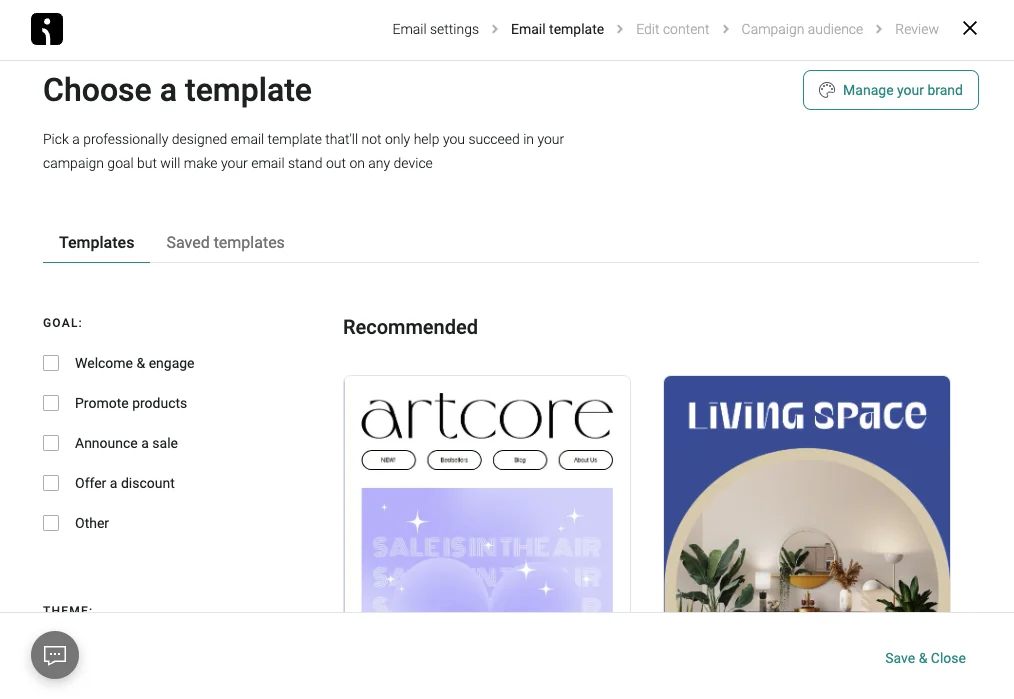
Ultimately, the decision boils down to a meticulous evaluation of core features, pricing, use case alignment, integration possibilities, scalability, and advanced capabilities, coupled with robust analytics and reporting tools. The goal is to strike a perfect balance between functionality, ease of use, and affordability, while ensuring the flexibility to adapt and scale as business needs evolve.
Key takeaways for businesses embarking on this critical selection process include:
- Define Your Needs First: Clearly outline your current and future email marketing goals, audience size, and budget.
- Prioritize Ease of Use: A powerful tool is useless if your team cannot effectively wield it.
- Embrace Automation: Leverage automation to personalize experiences and save valuable time.
- Check Integration Compatibility: Ensure seamless data flow with your existing tech stack.
- Consider Scalability: Choose a platform that can grow with your business without becoming a financial burden.
- Evaluate Deliverability: Your emails must reach the inbox to be effective.
- Demand Strong Analytics: Data-driven decisions are key to optimizing campaigns.
- Assess Support: Reliable customer support can be invaluable, especially during setup or troubleshooting.
By diligently following these guidelines, businesses can select an email marketing service that not only drives engagement and nurtures customer relationships but also positions their brand for sustained growth in the dynamic digital marketplace. The right platform serves as a powerful strategic asset, enabling businesses to navigate the complexities of modern marketing and build enduring connections with their audience.









