

Published on May 6, 2026, the strategic importance of email marketing for businesses remains undisputed in an increasingly fragmented digital landscape. Despite the proliferation of new communication channels, email continues to serve as a cornerstone for direct customer engagement, offering a unique blend of reach, personalization, and ownership that few other marketing avenues can match. Recent data underscores this enduring relevance, with Mailjet’s 2024 email engagement report revealing that a substantial 75.4% of consumers across the U.S., UK, France, Germany, and Spain prefer email for receiving promotional messages. Furthermore, 74% favor it for critical transactional communications, such as order confirmations and account updates, over all other available channels. This preference highlights email’s foundational role in both nurturing customer relationships and facilitating essential business operations.
The evolution of digital communication has transformed email marketing from rudimentary bulk sends into a sophisticated ecosystem of automated, personalized, and highly segmented campaigns. Businesses, whether nascent startups or established enterprises, leverage email for diverse purposes, including product announcements, welcome sequences for new subscribers, comprehensive newsletters, and targeted promotional offers. This direct line to an audience offers an invaluable advantage, particularly in an era where control over third-party platforms can be volatile. However, this very sophistication has led to a crowded marketplace of email marketing platforms, each boasting distinct features, pricing models, and target audiences. The challenge for businesses today lies not in recognizing email’s value, but in discerning which platform best aligns with their specific operational needs, growth ambitions, and budgetary constraints.
The Evolving Landscape of Email Marketing Solutions

The journey of email marketing tools has mirrored the broader digital transformation. Early platforms primarily focused on mass distribution, providing basic list management and simple HTML editors. Over the past decade, however, the industry has undergone a significant paradigm shift. The advent of advanced analytics, artificial intelligence, and sophisticated automation capabilities has reshaped expectations. Modern email marketing platforms are no longer just sending engines; they are intricate systems designed to build customer journeys, enable deep segmentation, facilitate A/B testing, and integrate seamlessly with a wider marketing and sales tech stack. This evolution means that choosing a platform today requires a holistic understanding of a business’s entire digital strategy.
The sheer volume of available options can be overwhelming. Some platforms are engineered for the lean operations of a startup, prioritizing ease of use and cost-effectiveness. Others cater to the complex requirements of large enterprise teams, offering extensive customization, robust API access, and advanced CRM functionalities. A critical distinction often lies in their approach to automation: some are built around intricate workflow builders, while others maintain a minimalist design for straightforward campaign execution. The core objective of any selection process must, therefore, be to cut through this noise and identify a tool that genuinely enhances a business’s ability to connect with its audience effectively and efficiently.
Defining Excellence: Key Criteria for Platform Selection
In evaluating the myriad of email marketing platforms, several fundamental criteria emerge as paramount for ensuring a successful deployment and sustained growth. These benchmarks, honed through extensive industry experience and rigorous testing, serve as a compass for businesses navigating their options. The "best" platform is not a universal truth but rather the one that optimally satisfies these five critical requirements relative to a specific business context.
-
Intuitive User Experience (UX): A platform’s usability is non-negotiable. Businesses should not require specialized technical expertise or extensive training to initiate campaigns, manage subscriber lists, or configure automation sequences. The ideal tool features a clean, logical dashboard, accessible drag-and-drop editors, and straightforward navigation, enabling rapid onboarding and efficient daily operations. Any system that feels cumbersome or necessitates a steep learning curve can impede productivity and adoption, particularly for smaller teams or solo entrepreneurs.
-
Robust and Reliable Automation Capabilities: Beyond simple scheduled sends, modern email marketing thrives on automation. Platforms must offer a comprehensive suite of automation features, ranging from welcome email sequences and post-purchase follow-ups to sophisticated behavioral triggers and drip campaigns. These automations should be easy to set up, highly customizable without requiring coding, and operate with unwavering reliability to ensure timely and relevant communication throughout the customer journey. The ability to segment audiences dynamically and trigger personalized messages based on specific actions or data points is crucial for maximizing engagement.
-
Seamless Integration with Existing Tech Stack: An email marketing platform rarely operates in isolation. Its effectiveness is significantly amplified by its ability to integrate with other critical business tools, such as e-commerce platforms (e.g., Shopify, WooCommerce), Customer Relationship Management (CRM) systems (e.g., Salesforce, HubSpot), booking software, analytics tools, and lead generation platforms. Strong native integrations streamline workflows, centralize data, and eliminate manual data transfer, preventing silos and ensuring a cohesive marketing ecosystem. In the absence of direct integrations, robust API access or compatibility with integration services like Zapier becomes essential.
-
Flexible and Transparent Pricing Models: Budget considerations are often a primary driver for small businesses and growing teams. Platforms should offer transparent pricing structures that scale appropriately with a business’s evolving needs. This includes affordable entry-level plans, generous free tiers for initial exploration, or pay-as-you-go options that avoid expensive long-term commitments or minimum volume requirements. The ideal pricing model allows businesses to start small and incrementally increase their investment as their subscriber base and marketing ambitions expand, without encountering prohibitive cost jumps.

-
Scalability for Future Growth: A chosen platform must not only meet current demands but also possess the inherent flexibility to support future expansion. As subscriber lists grow, campaign complexity increases, and automation needs deepen, the platform should be capable of accommodating these changes without forcing a costly and disruptive migration to a new system. This means evaluating a platform’s capacity for handling larger contact volumes, supporting more intricate automation workflows, and offering advanced features as a business matures. The long-term viability of an email marketing solution hinges on its ability to grow synchronously with the business it serves.
Understanding Pricing Structures in Detail
For small businesses and marketing teams operating with finite resources, the financial implications of an email marketing platform are as critical as its feature set. The industry employs several common pricing models, each with distinct advantages and potential drawbacks.
- Contact-Based Pricing: This is perhaps the most prevalent model, where the monthly fee is determined by the number of unique subscribers or contacts stored in the platform. While straightforward, this model can lead to escalating costs as a list grows, potentially penalizing successful list-building efforts. Businesses must actively manage their contact lists to avoid paying for disengaged subscribers.
- Email Volume-Based Pricing: Some platforms charge based on the total number of emails sent within a given period, irrespective of the contact count. This model offers predictability for businesses with consistent sending patterns but can become expensive for those sending frequent, high-volume campaigns to large lists.
- Feature-Based Tiers: Many providers offer tiered plans (e.g., Basic, Standard, Premium, Enterprise) that unlock progressively more advanced features, support levels, and sending limits at higher price points. While allowing businesses to start with essential tools, this model can force upgrades to access critical functionalities like advanced automation or detailed analytics.
- "Freemium" Models: A significant number of platforms offer a free tier with limited contacts, sending volume, or features. These are excellent for individuals or very small businesses to get started but often necessitate an upgrade once a business reaches a certain scale or requires more sophisticated tools.
Balancing immediate budgetary concerns with long-term strategic goals is paramount. An initially attractive low-cost plan may prove to be a false economy if it lacks the scalability or advanced features necessary for future growth, potentially leading to costly and time-consuming migrations down the line.
Leading Email Marketing Platforms: An In-Depth Analysis
The market offers a diverse array of platforms, each with its unique strengths and ideal use cases. A closer examination of some prominent players reveals how they align with the criteria discussed.
Mailjet: The Budget-Conscious Powerhouse
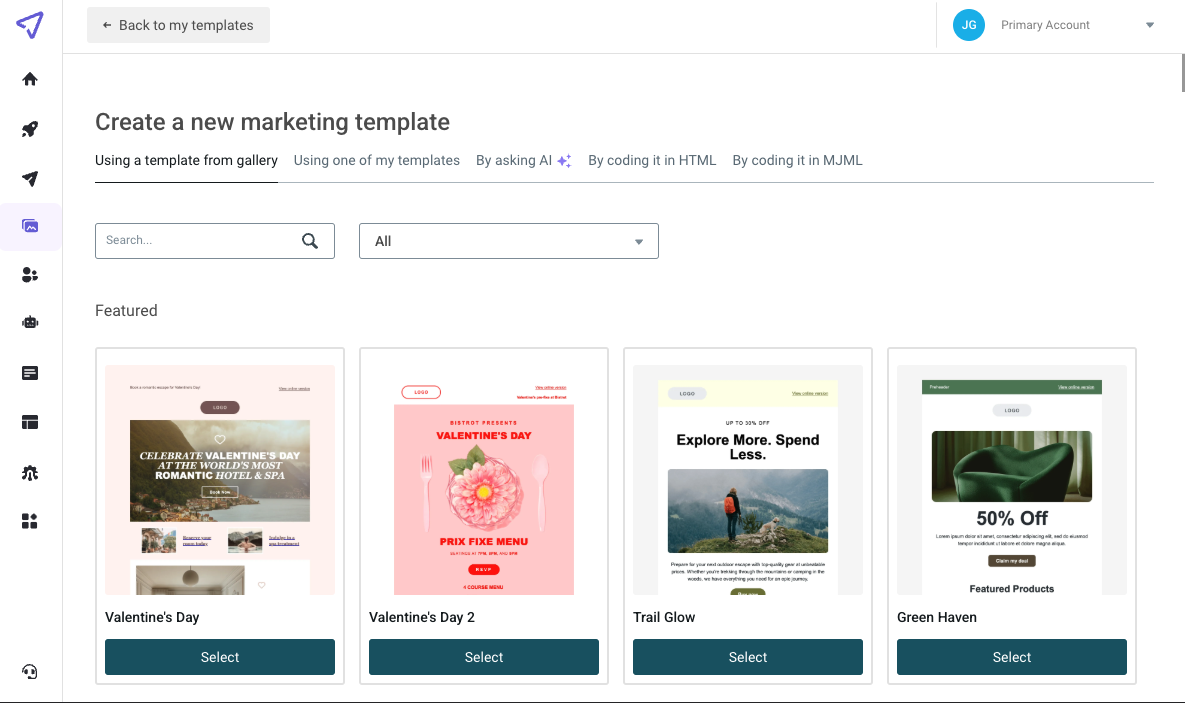
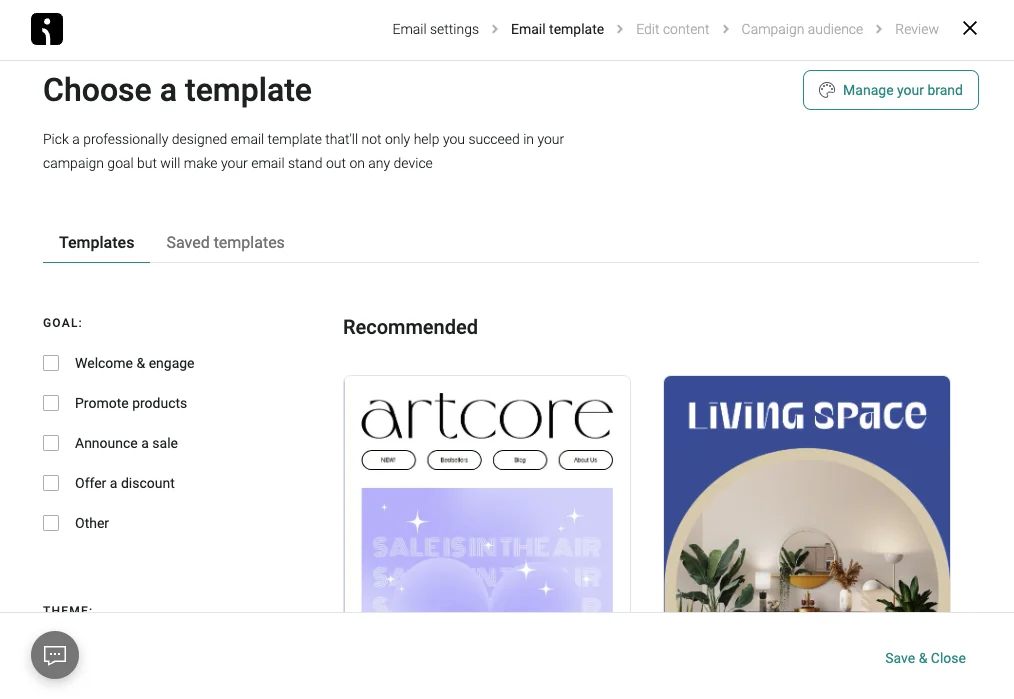
Mailjet distinguishes itself by offering a robust feature set within an exceptionally cost-effective framework, making it a prime choice for startups and growing teams. Its core strength lies in its volume-based pricing model, a departure from the common contact-based approach. This allows businesses to pay only for the emails they send, providing predictable costs even as their subscriber list expands. Mailjet provides an intuitive platform for crafting both marketing and transactional emails, complete with an easy-to-use drag-and-drop editor, pre-designed templates, and the ability to create signup forms and landing pages. Its API is particularly strong, facilitating deep integration for developers, and it supports multi-user collaboration, which is beneficial for small teams. While its analytics might not be as granular as some enterprise-grade solutions, and its template customization, though solid, may not offer the most extensive visual variety, Mailjet’s blend of affordability, user-friendliness, and comprehensive features positions it as a strong contender for businesses seeking solid email tools without a steep financial commitment.
Mailchimp: The Entry Point for Beginners
Often the first name encountered by newcomers to email marketing, Mailchimp has cultivated a reputation for being exceptionally beginner-friendly. Its solid free plan, accommodating up to 500 contacts, makes it an accessible starting point for individuals and micro-businesses to launch their initial campaigns. Mailchimp’s drag-and-drop builder is intuitive, and it offers a good range of templates, basic automation sequences, and simple list management. However, as a business’s email strategy matures, some limitations can become apparent. Its contact-based pricing model can escalate quickly with list growth, and its advanced automation and segmentation capabilities, while present, may require higher-tier plans or prove less flexible compared to more specialized automation platforms. While excellent for getting started, businesses with complex needs or aggressive growth trajectories might eventually find themselves bumping against its ceiling.
Kit (formerly ConvertKit): Tailored for Digital Creators
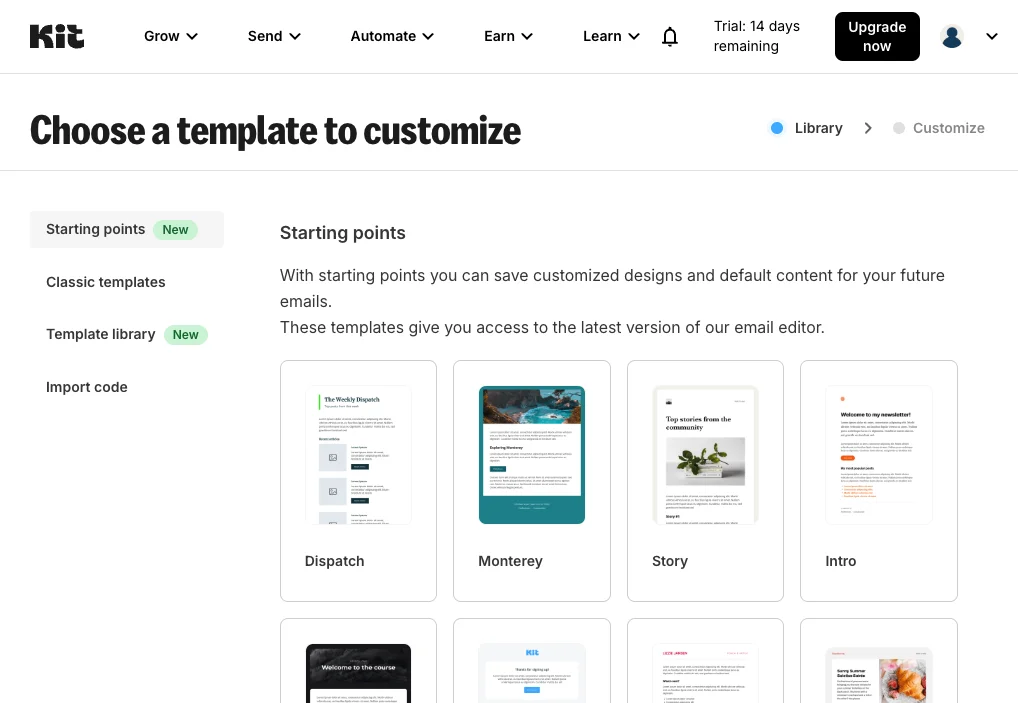
Kit, previously known as ConvertKit, is purpose-built for the unique needs of digital creators – bloggers, YouTubers, podcasters, and solo entrepreneurs. Its design philosophy centers around audience growth and automated follow-ups, even offering a remarkably generous free plan that supports up to 10,000 subscribers. Kit excels in features like customizable landing pages, signup forms, and powerful tagging and segmentation capabilities that allow creators to deliver highly targeted content. Its automation builder, though visually distinct, enables the creation of sophisticated email funnels and sequences. A potential limitation is its focus on plain-text email designs, which might not appeal to creators seeking highly visual, graphic-intensive newsletters. Furthermore, while the free plan is robust, unlocking multi-sequence automation and advanced funnel features necessitates a paid upgrade. Kit’s strength lies in its deep understanding of the creator economy, offering tools specifically designed to monetize audiences and manage digital products.
Constant Contact: The Socially Integrated Solution
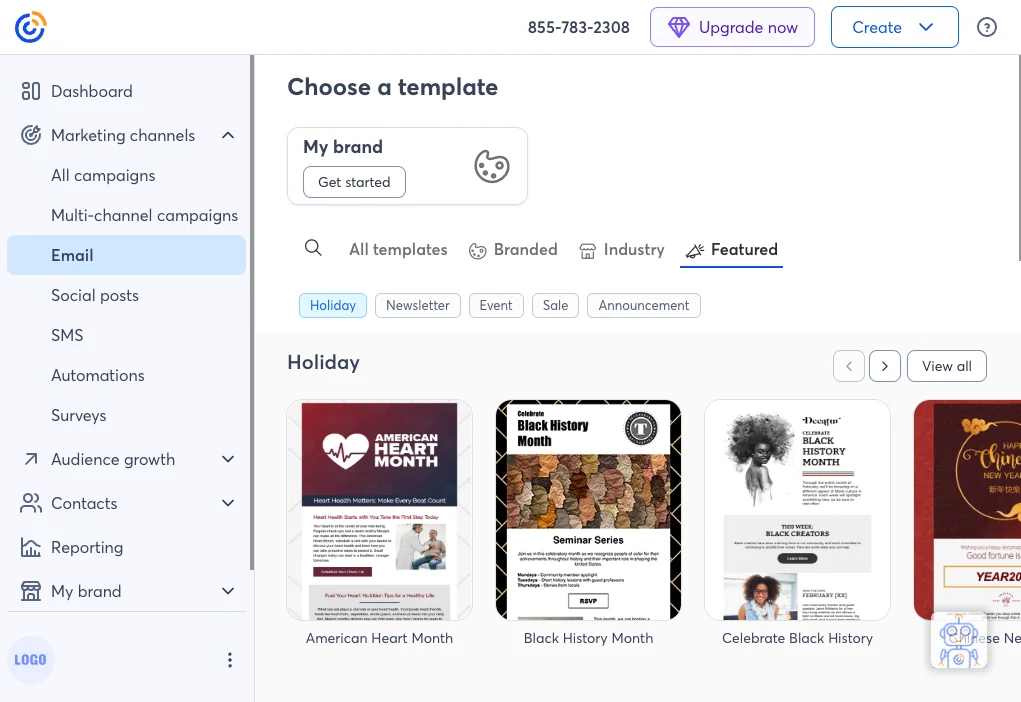
For brands that heavily leverage social media, Constant Contact offers a compelling proposition. Its platform is designed to seamlessly integrate email campaigns with social media strategies, facilitating a cohesive online presence. The drag-and-drop editor is straightforward, and the platform consistently boasts solid email delivery rates, a critical factor for campaign success. Constant Contact provides a wide array of customizable templates, event management tools, and robust reporting. It is particularly well-suited for small businesses and nonprofits that require strong brand visibility across multiple digital channels. However, its more advanced plans can become quite expensive, potentially posing a budget challenge for smaller teams seeking comprehensive features beyond basic email and social media integration.
AWeber: Decades of Reliable Service
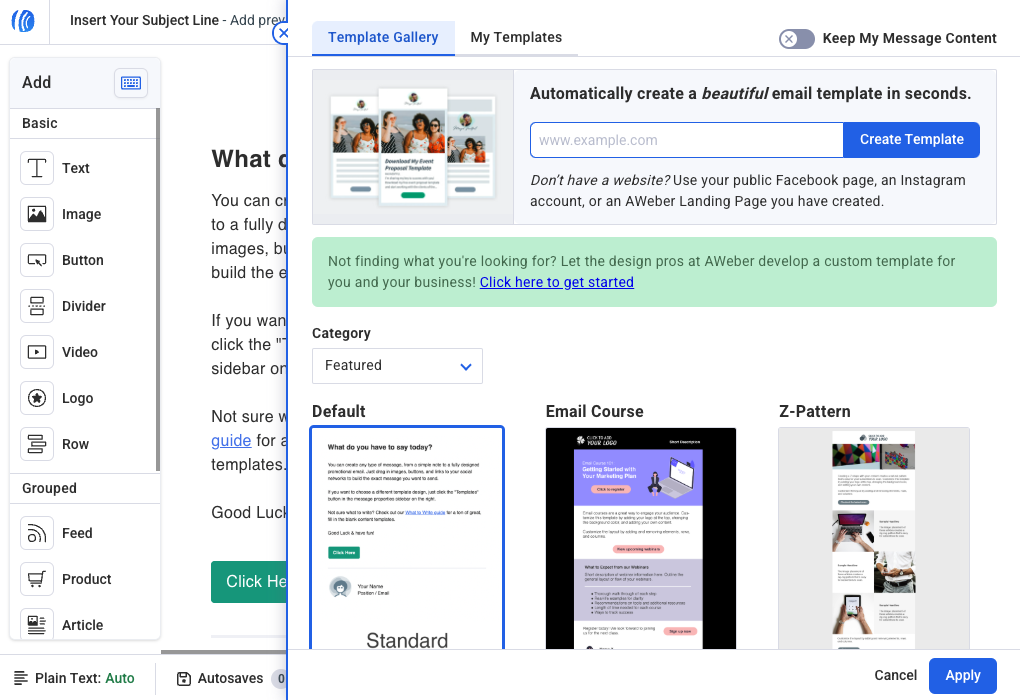
With over two decades in the industry, AWeber stands as a testament to long-standing reliability and a commitment to core email marketing fundamentals. Trusted by solo entrepreneurs and small business owners, its platform delivers the essentials exceptionally well. AWeber offers a user-friendly interface, a wealth of pre-built templates, and reliable automation tools. It also provides useful integrations with popular platforms like Etsy and YouTube. While it may not feature the cutting-edge AI or hyper-personalized dynamic content of some newer entrants, AWeber excels in delivering solid analytics, A/B testing capabilities, and robust customer support. Its long track record and focus on foundational strength make it a dependable choice for businesses prioritizing consistency and ease of use over the most advanced, complex functionalities.
HubSpot: The All-in-One Marketing Ecosystem
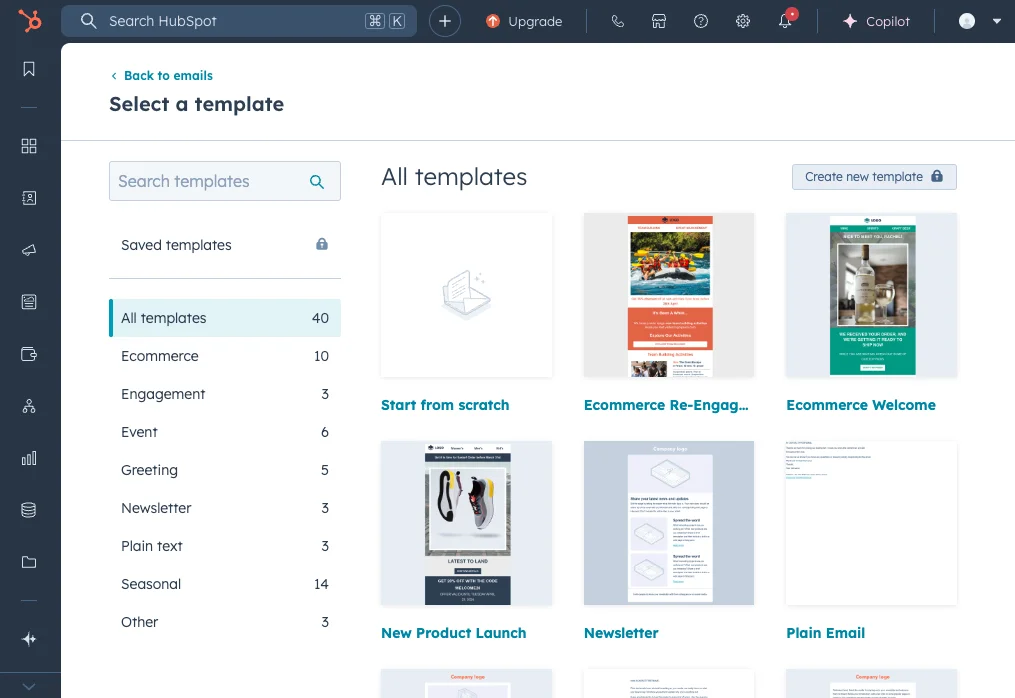
HubSpot transcends the traditional definition of an email marketing platform, serving as a comprehensive CRM and marketing suite. Its strength lies in its ability to centralize contact management, email marketing, sales tools, customer service, and content management within a single, unified dashboard. This integrated approach allows businesses to build automated email flows, track performance across the entire customer journey, and manage leads holistically. HubSpot offers a surprisingly generous free tier that includes CRM functionality and basic email marketing. However, unlocking its more advanced automation, deep analytics, and sophisticated sales and marketing features requires a significant investment in its higher-tier plans. For businesses committed to an inbound marketing philosophy and seeking a fully integrated platform to manage their entire customer lifecycle, HubSpot provides unparalleled depth, albeit with a corresponding price tag and a learning curve associated with its expansive capabilities.
Omnisend: E-commerce Marketing Specialization
Omnisend is purpose-built for the unique demands of e-commerce brands, distinguishing itself with an omnichannel marketing approach right out of the box. Even on its free plan, it provides tools for email, SMS, and push notifications, enabling online stores to engage customers across multiple touchpoints. Omnisend excels in e-commerce-specific automations, such as abandoned cart recovery, product recommendation emails, and post-purchase follow-ups. It integrates deeply with leading e-commerce platforms like Shopify and WooCommerce, offering valuable revenue attribution and customer segmentation based on purchase behavior. While rich in features crucial for online retailers, some users note that its email deliverability, while generally good, might not consistently outperform platforms with a narrower focus, and its template library, though functional, may lack the visual diversity of competitors. For e-commerce businesses prioritizing multi-channel engagement and sales-driven automation, Omnisend is a highly specialized and effective tool.
Brevo (formerly Sendinblue): Multi-Channel Campaign Orchestration
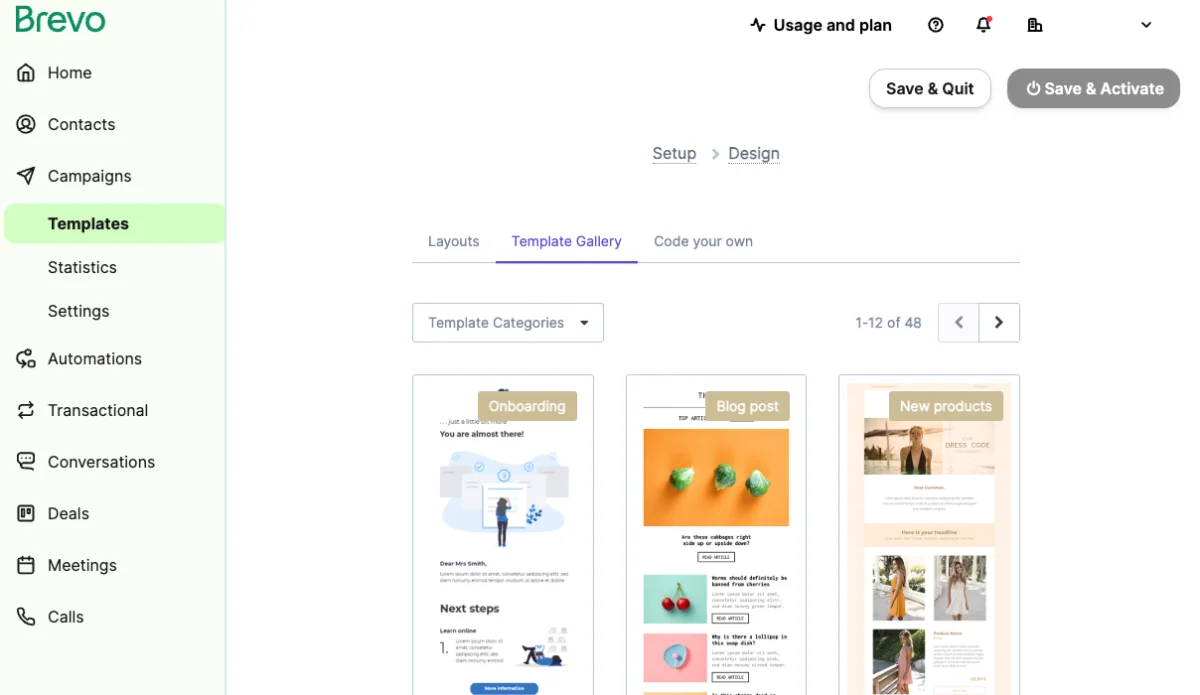
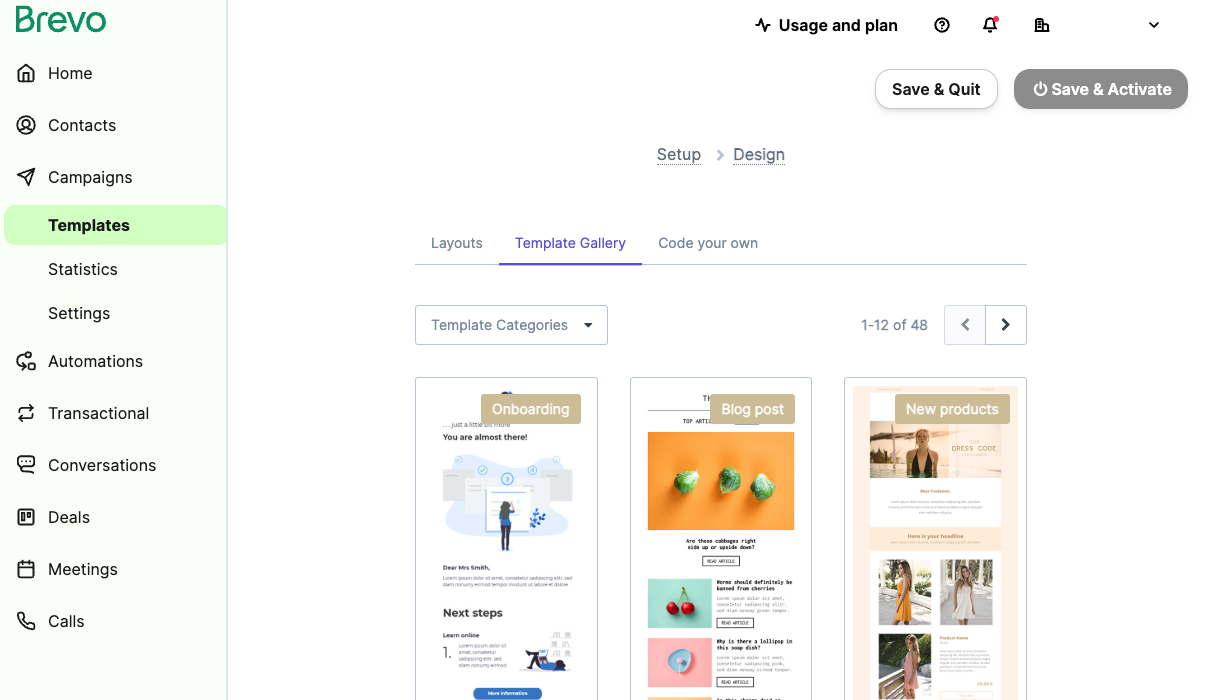
Brevo, previously known as Sendinblue, offers a compelling solution for businesses seeking to consolidate their communication efforts across multiple channels. It seamlessly integrates email, SMS, and live chat within a single, user-friendly platform, making it ideal for organizations aiming for a unified customer engagement strategy. Brevo’s clean and intuitive user interface simplifies campaign creation and management. Its pricing model, often based on email volume rather than contact count, can be advantageous for businesses with large, frequently engaged lists. However, a key consideration is that access to more advanced analytics and reporting features, critical for optimizing campaign performance, typically requires an upgrade to higher-tier plans. For businesses prioritizing a consolidated view of customer interactions and robust multi-channel capabilities without an overly complex interface, Brevo presents a strong, integrated option.
ActiveCampaign: The Automation Powerhouse
ActiveCampaign is a formidable platform designed for businesses that demand sophisticated automation and deep customer insights. It seamlessly combines advanced marketing automation with a robust built-in CRM, offering unparalleled control over the entire customer journey. ActiveCampaign excels in creating intricate, multi-step automation workflows, dynamic content personalization, and intelligent segmentation based on a wide array of behavioral and demographic data. Its strength lies in its ability to nurture leads through highly tailored sequences, manage sales pipelines, and deliver exceptionally relevant communications. This depth, however, comes with a steeper learning curve and a higher price point compared to entry-level solutions. For growing businesses, B2B companies, or those with complex sales cycles requiring hyper-personalized engagement and detailed customer tracking, ActiveCampaign provides the tools to execute highly strategic and data-driven campaigns. It demands a commitment to understanding its extensive capabilities but rewards users with powerful, measurable results.
Strategic Alignment: Which Platform for Which Business?
The optimal email marketing platform is intrinsically tied to a business’s specific operational context and strategic objectives. A one-size-fits-all approach is rarely effective.
-
Small Businesses: For lean operations or solo entrepreneurs, simplicity, affordability, and time-saving tools are paramount. Platforms like Mailjet or Mailchimp (for initial stages) offer intuitive dashboards, essential automation, and accessible support, allowing businesses to establish an email presence without significant investment in time or resources. The ability for pricing to scale gently with growth is a key factor.
-
E-commerce Brands: Online stores require tools that directly drive revenue. Features like abandoned cart recovery, dynamic product recommendations, robust integration with e-commerce platforms (Shopify, WooCommerce), and behavioral triggers are non-negotiable. Omnisend and ActiveCampaign (for deeper automation) are strong contenders, focusing on increasing conversions and customer lifetime value through highly personalized and automated purchase-path communications.
-
Nonprofits: Resourcefulness is critical for nonprofits. Platforms offering discounted pricing or specialized nonprofit plans are highly desirable. Customizable templates for fundraising campaigns, donor segmentation capabilities, and integrations with fundraising platforms are essential for engaging supporters and streamlining donation processes efficiently. AWeber or Constant Contact can be suitable, especially with their focus on ease of use and community engagement.
-
B2B Companies: Lead nurturing and pipeline management define B2B email strategy. Integration with CRM systems, lead scoring functionalities, account-based marketing tools, and sophisticated analytics for tracking lead progression are vital. HubSpot (for an integrated suite) and ActiveCampaign (for deep automation) are particularly well-suited, enabling businesses to orchestrate complex sales and marketing funnels and personalize outreach to key decision-makers.
Deciding on the Best Email Marketing Platform for You
The selection of an email marketing service is a pivotal decision that can significantly impact a business’s digital marketing efficacy and overall growth trajectory. It necessitates a thorough evaluation that balances current operational needs with long-term strategic ambitions. Beyond the specific features, businesses must consider the platform’s capacity for evolution, its commitment to deliverability, and the quality of its support infrastructure.
Key Strategic Imperatives for Selection:
- Prioritize Deliverability: The most sophisticated email campaign is worthless if it doesn’t reach the inbox. Investigate a platform’s reputation for high deliverability rates, its adherence to email sending best practices, and features like dedicated IP addresses for high-volume senders.
- Embrace Automation and Personalization: In a crowded inbox, generic emails are often overlooked. Choose a platform that empowers advanced segmentation, behavioral triggers, and dynamic content to ensure every message is relevant and timely.
- Ensure Seamless Integration: Your email platform should act as a central hub, connecting effortlessly with your CRM, e-commerce store, analytics tools, and other critical business software to create a unified customer view and streamlined workflows.
- Evaluate Scalability and Future-Proofing: Select a platform that can grow with your business, accommodating increasing subscriber volumes, evolving feature requirements, and new marketing strategies without necessitating a disruptive migration.
- Understand the Total Cost of Ownership: Look beyond the advertised monthly fee. Consider potential costs associated with exceeding contact limits, accessing advanced features, premium support, or add-ons. A clear understanding of the pricing model’s implications for your growth is crucial.
- Assess Support and Resources: Even the most intuitive platform can present challenges. Reliable customer support, extensive knowledge bases, and community forums are invaluable for troubleshooting and optimizing usage.
- Consider Advanced Capabilities: For businesses seeking a competitive edge, look for features like A/B testing, AI-driven content optimization, advanced reporting (including ROI tracking), and compliance support (GDPR, CCPA) to refine and measure performance.
The right email platform is not merely a tool for sending messages; it is an integral component of a broader digital strategy, fostering meaningful connections, nurturing relationships, and driving measurable business outcomes. By meticulously evaluating options against these strategic imperatives, businesses can select a partner that not only meets their immediate requirements but also empowers them to navigate the ever-evolving digital landscape and cultivate an email marketing strategy that truly sets their brand apart. The investment of time and due diligence in this selection process will yield substantial dividends in sustained engagement and growth.








