Nana Muazin

The convergence of the annual Black Friday shopping phenomenon and an increasingly stringent global data privacy landscape has created a high-stakes environment for digital retailers. As e-commerce platforms prepare for record-breaking traffic volumes, data privacy experts are issuing a critical warning: the window for implementing major structural changes to consent management systems has effectively closed. Instead of high-risk last-minute technical overhauls, organizations are being advised to adopt a "diagnostic-first" approach, prioritizing system auditing and risk assessment to ensure stability during the peak sales period while preparing for comprehensive remediation in the new year.

The Intersection of Peak Commerce and Privacy Regulation
Black Friday and Cyber Monday represent the highest-density period for consumer data collection in the calendar year. For many retailers, this single week accounts for a significant portion of annual revenue, driven by aggressive digital marketing, retargeting campaigns, and high-velocity user acquisition. However, this surge in activity coincides with a period of unprecedented regulatory scrutiny.
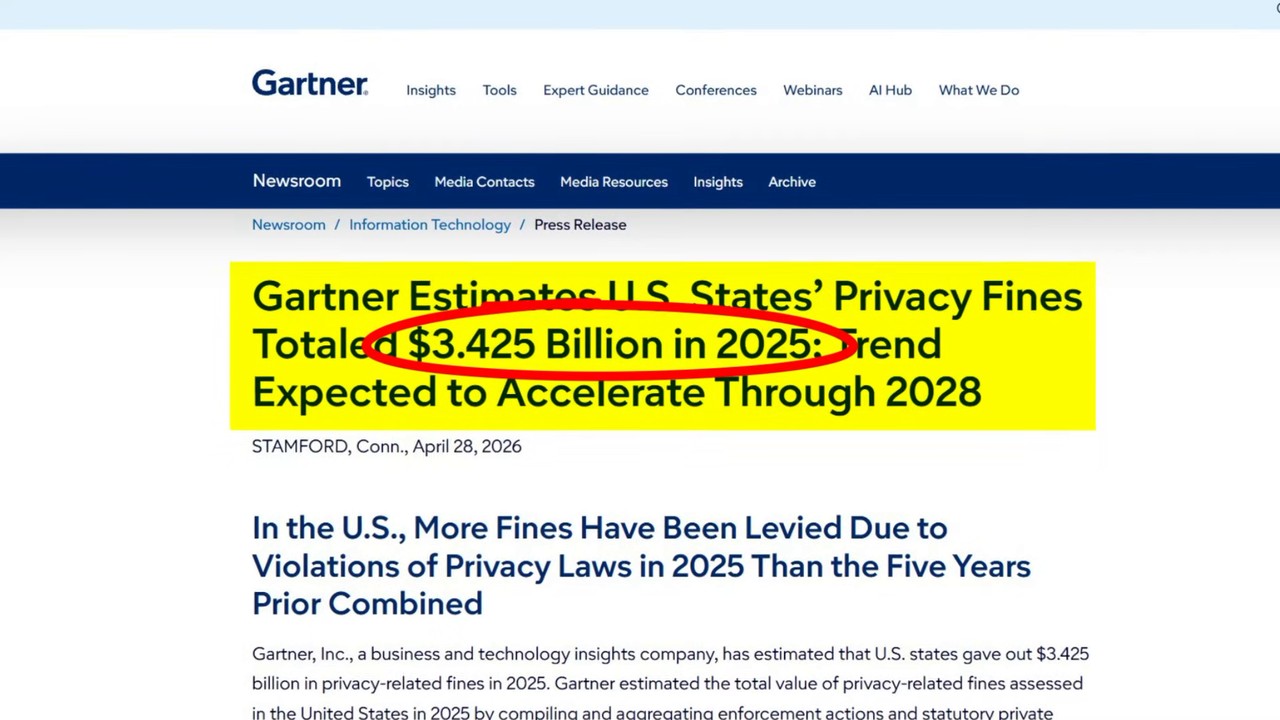
The financial implications of non-compliance have reached a critical threshold. Data from Gartner indicates that U.S. state privacy fines totaled approximately $3.425 billion in 2025, a figure that exceeds the cumulative total of the previous five years. This escalation is attributed to the maturation of state-level enforcement agencies and the implementation of comprehensive privacy frameworks in states such as California, Virginia, Colorado, and Connecticut. As more states enact similar legislation in 2026, the risk profile for retailers operating without robust consent mechanisms has expanded exponentially.
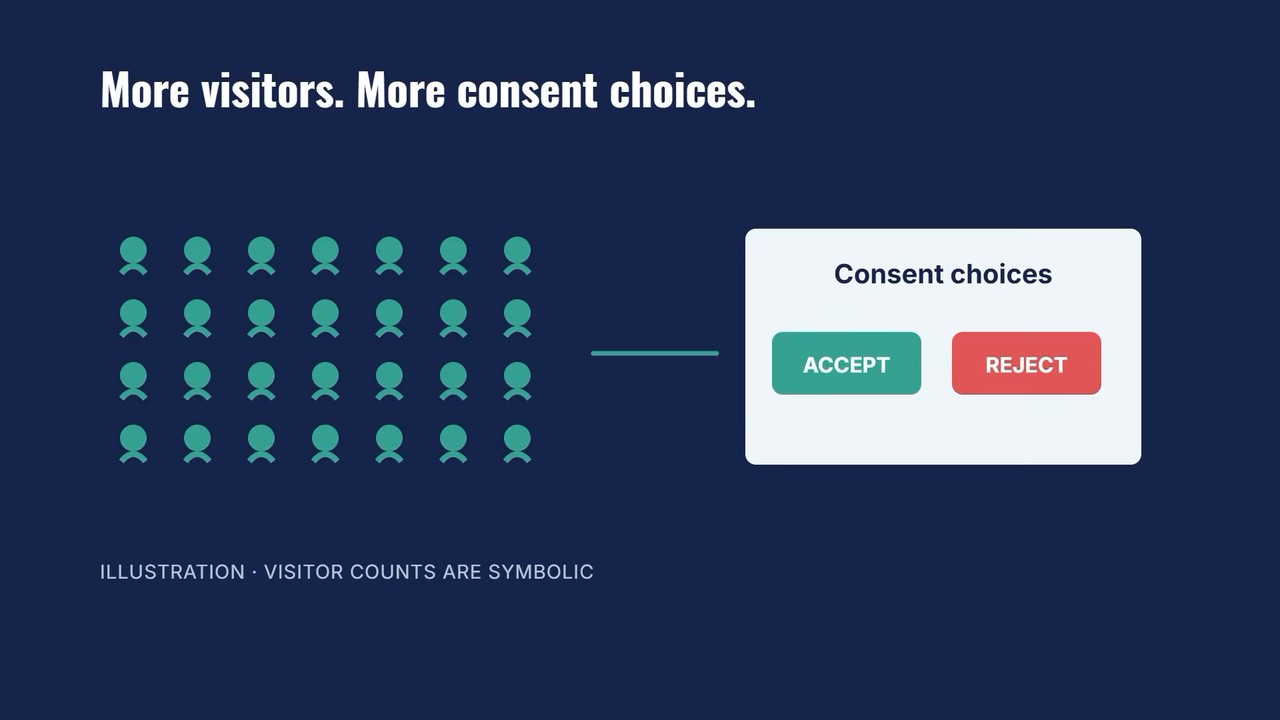
The challenge for marketing and technical teams is twofold: they must maximize data collection for attribution and optimization while ensuring that every byte of data gathered adheres to the specific consent preferences of the user. In a period where millions of new visitors interact with a site, even a minor configuration error in a Consent Management Platform (CMP) can lead to thousands of compliance violations per hour.
The Technical Reality of Holiday Code Freezes
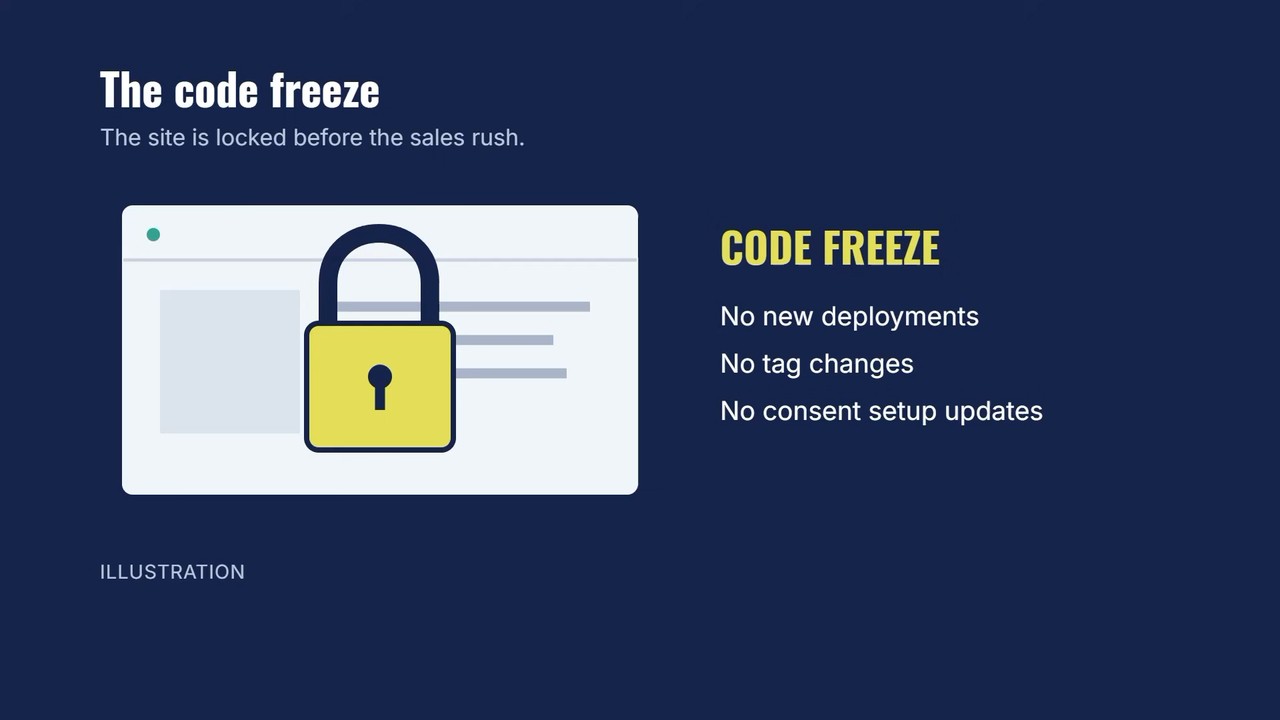
A significant barrier to immediate remediation is the industry-standard "code freeze." To ensure website stability during the highest-traffic days of the year, most enterprise IT departments prohibit any non-essential changes to the site’s codebase starting as early as October or early November.
A code freeze is a preventative measure designed to eliminate the risk of site crashes or checkout failures caused by new deployments. Within this context, updating a consent management setup—which often involves complex interactions between Tag Managers, scripts, and third-party pixels—is viewed as a high-risk operation. Industry veterans, including digital analytics consultant Jeff Sauer, suggest that attempting to "fix" a broken consent setup days before Black Friday is more likely to cause catastrophic site failure than to achieve meaningful compliance.
"The risk of breaking the checkout flow or disabling critical tracking entirely during peak traffic outweighs the benefits of a rushed compliance fix," Sauer noted in a recent technical briefing. The recommended strategy has shifted toward "check, don’t change," a framework that focuses on identifying vulnerabilities without disturbing the production environment.
A Chronology of Compliance: From Preparation to Remediation
The strategic management of consent during the holiday season follows a distinct timeline. Understanding this chronology is essential for balancing operational stability with legal responsibility.
Phase 1: Pre-Freeze Audit (October – Early November)
During this phase, organizations typically conduct deep-scan audits of their digital properties. This includes identifying all active tracking scripts, ensuring they are mapped to the CMP, and verifying that the legal basis for processing (consent or legitimate interest) is correctly categorized.
Phase 2: The Diagnostic Window (Mid-November)
As the code freeze takes effect, the focus shifts to non-invasive testing. Teams perform manual and automated checks to understand their current risk posture. This documentation phase is critical for legal defensibility, demonstrating that the organization is actively monitoring its compliance status even when technical changes are restricted.
Phase 3: The Peak Monitoring Period (Black Friday Week)
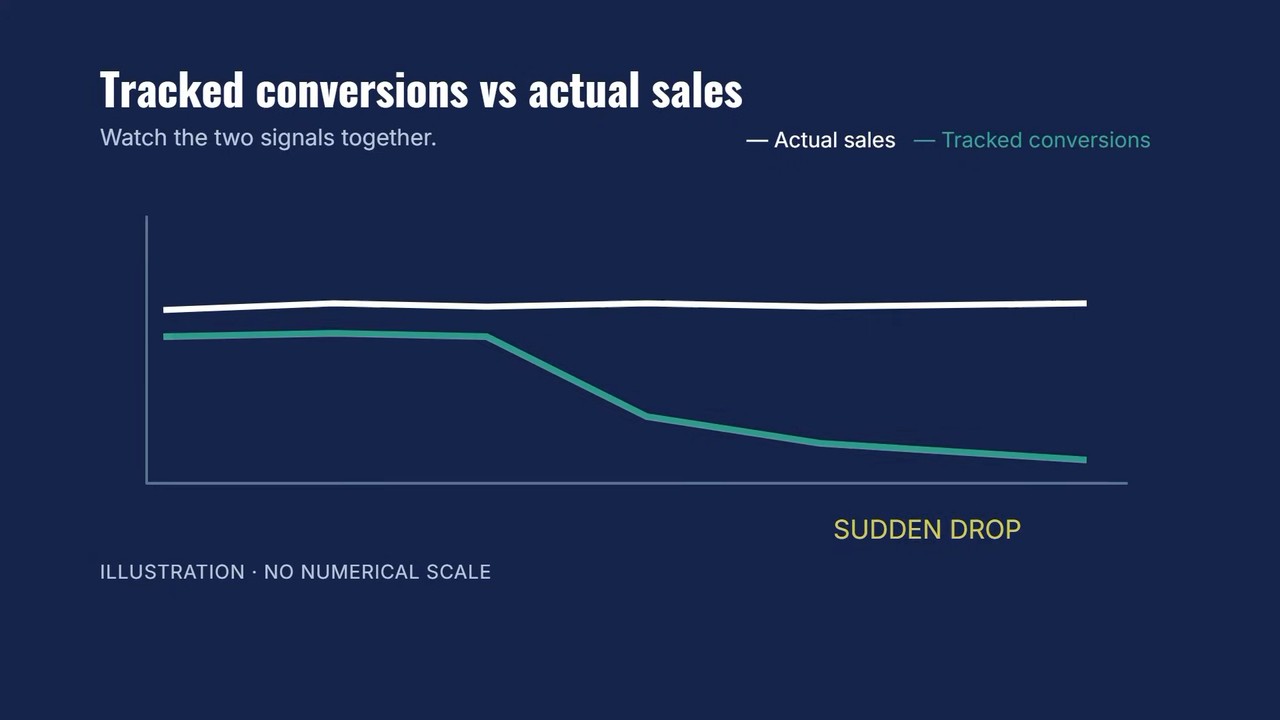
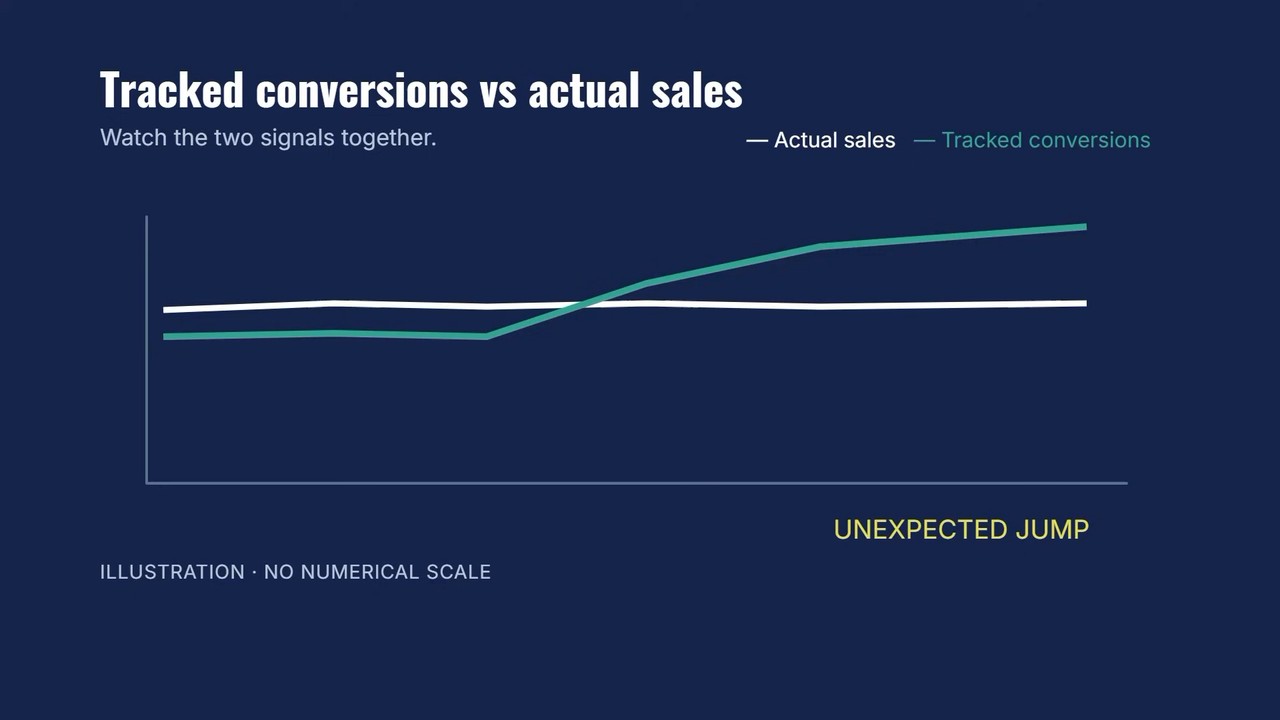
During the sales surge, the priority is data integrity and real-time monitoring. This involves comparing tracked conversions against backend sales data and watching for anomalies in consent opt-in/opt-out ratios.
Phase 4: The January Remediation (Post-Holiday)
Once the holiday rush subsides and code freezes are lifted, organizations enter the "fix-it" phase. Using the documentation gathered in November, technical teams can implement permanent, tested solutions to address the vulnerabilities identified during the peak period.
The Four-Point Consent Audit Methodology
For organizations navigating the current "diagnostic" window, experts recommend four specific checks that do not require code deployment but provide a clear picture of compliance health.
1. The Negative Consent Verification (The Reject Test)
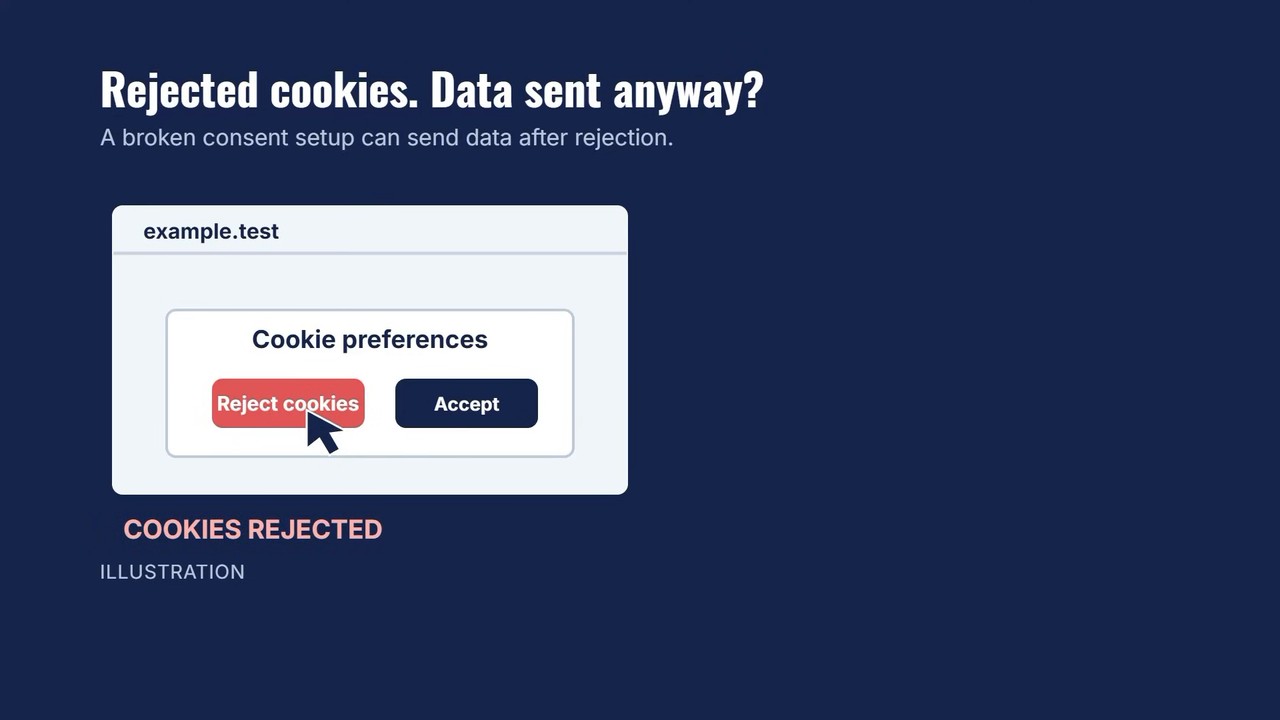
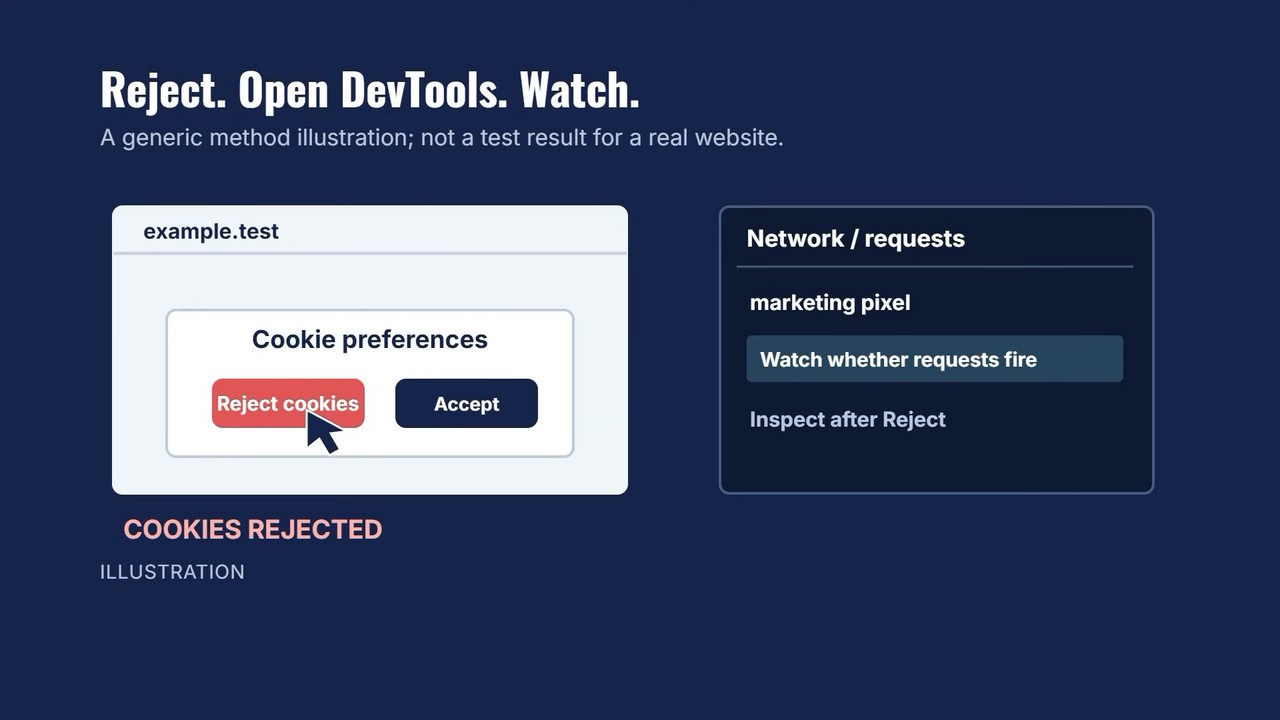
The most fundamental check involves simulating a visitor who explicitly denies consent. By accessing the site in an incognito or private browsing session and selecting "Reject All" on the consent banner, testers can monitor the browser’s Network tab (via Developer Tools). If marketing pixels—such as those from Meta, TikTok, or Google Ads—continue to fire after rejection, the consent setup is fundamentally flawed, creating an immediate compliance risk.
2. Sequence and Latency Validation
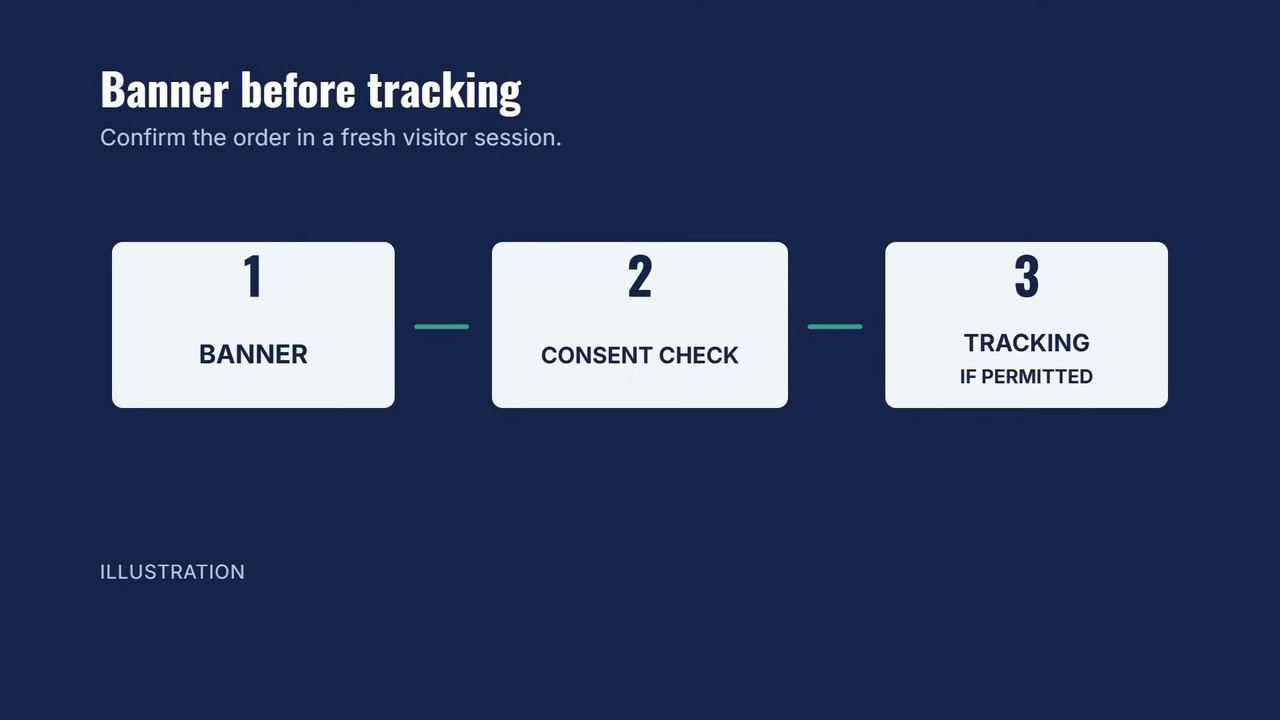
Regulatory frameworks often require that no non-essential cookies or tracking scripts be deployed until a user has made a choice. In many instances, "race conditions" occur where a tracking tag fires before the CMP has had time to load and block it. Verifying that the consent banner is the first element to execute is crucial for maintaining a "privacy by design" standard.
3. Global Privacy Control (GPC) Integration
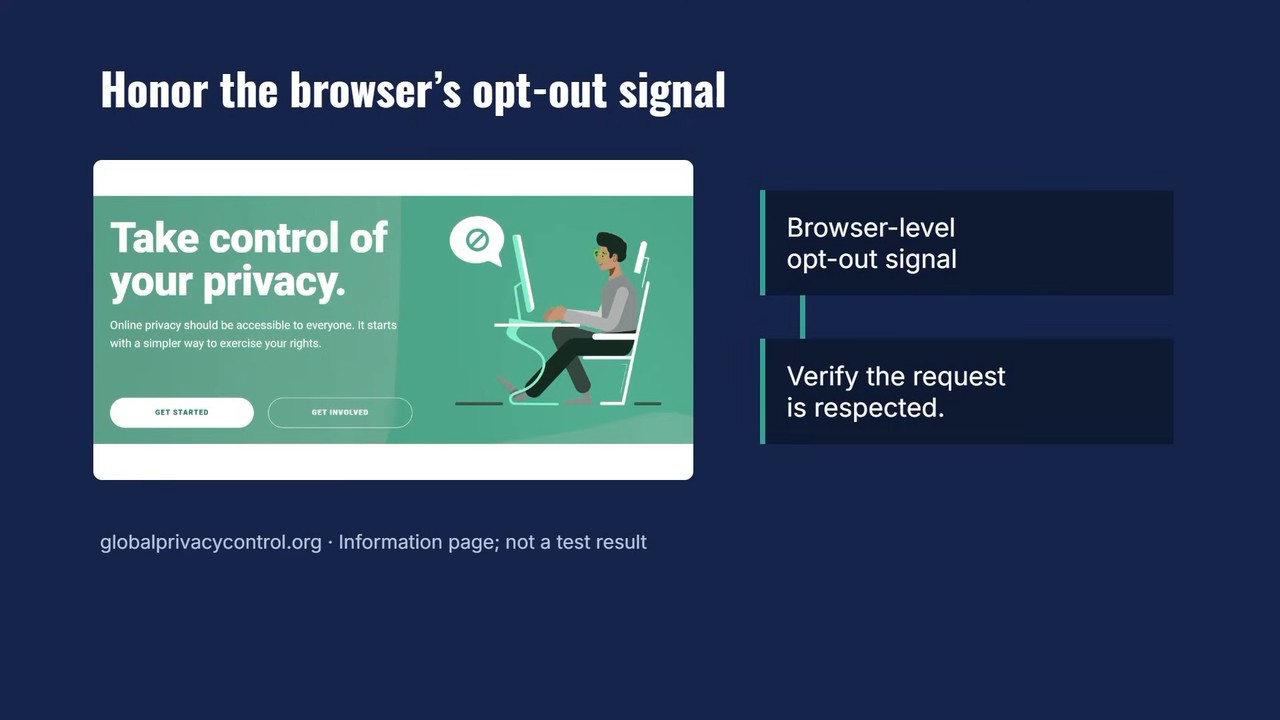
GPC is a browser-level signal that allows users to communicate their privacy preferences automatically. Several U.S. state laws now mandate that websites honor GPC as a valid opt-out request. Testing involves using a GPC-enabled browser (like Brave or Firefox) and verifying that the website recognizes the signal and automatically adjusts the consent state without requiring manual user interaction with a banner.
4. New Asset Coverage Audit
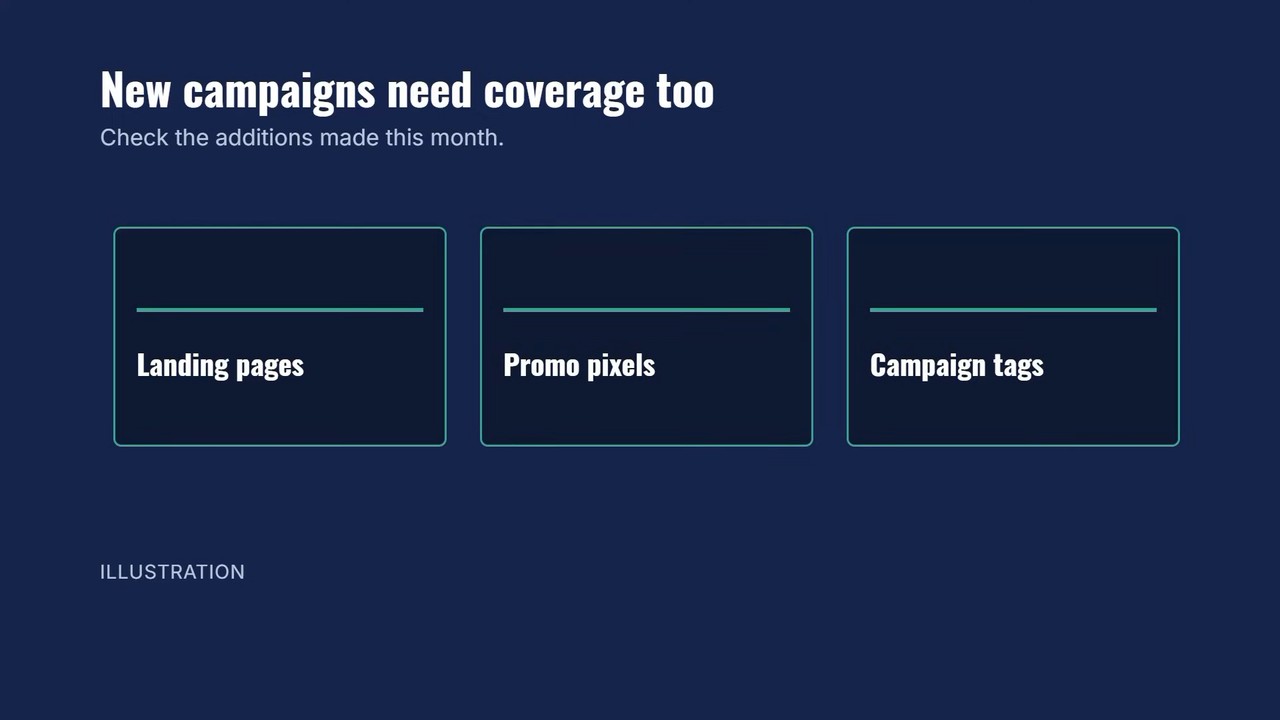
Black Friday campaigns often involve the rapid deployment of temporary landing pages and promotional micro-sites. These assets are frequently created outside of standard development workflows and may lack the global CMP header. Ensuring that every "flash sale" page is covered by the organization’s privacy framework is a common point of failure for large-scale retailers.
Data-Driven Monitoring During the Sales Rush
Once the Black Friday sales begin, the strategy shifts from auditing to active monitoring. Discrepancies in data patterns can serve as early warning signs of technical or compliance failures.
One key metric is the "Consent Ratio"—the percentage of users who accept versus those who reject tracking. If this ratio shifts dramatically during peak traffic, it may indicate that the consent banner is failing to load for certain segments of users, or that a technical glitch is defaulting users to an "accepted" state without their input.
Furthermore, retailers are advised to correlate tracked conversions in platforms like Google Analytics 4 (GA4) with actual transaction data from their e-commerce backend. While a 10-20% gap is common due to ad blockers and rejected consent, a sudden narrowing of this gap could indicate that the site has stopped honoring "reject" signals, while a widening gap could suggest that the consent mechanism is being too aggressive and blocking permitted data.
Broader Implications for the Future of Digital Marketing
The challenges faced by retailers this holiday season reflect a broader shift in the digital economy. The era of "unfettered tracking" is being replaced by a "permission-based" model. This shift is not merely a legal hurdle but a fundamental change in how brand trust is established.
According to industry analysts at Usercentrics, the parent company of Cookiebot, organizations that prioritize transparent consent management see higher long-term customer retention rates. "Consent is becoming a brand equity issue," the company stated in a recent compliance report. "Consumers are increasingly aware of their data rights, and a broken or deceptive consent experience during a high-visibility event like Black Friday can cause lasting reputational damage."
Furthermore, the introduction of "Consent Mode" by major ad platforms like Google signals a move toward modeled data. By correctly implementing consent frameworks, retailers can still gain insights from non-consenting users through anonymized, aggregate modeling, rather than losing that data entirely. However, these advanced features require a baseline of perfect compliance to function accurately.
Conclusion: Preparing for the Post-Holiday Correction
As the retail industry enters its most volatile period, the message from data privacy advocates is one of pragmatic risk management. The objective for the remainder of the year is not to achieve a state of perfect compliance through rushed, high-risk changes, but to achieve a state of perfect awareness.
By documenting current vulnerabilities and maintaining a rigorous monitoring schedule during the Black Friday surge, organizations can insulate themselves from the worst technical risks while building a robust roadmap for 2026. The goal is a transition from reactive "firefighting" to a proactive, structured privacy strategy that treats data consent as a core component of the customer experience rather than a seasonal technical hurdle. When the "code freeze" finally thaws in January, the companies that spent November auditing will be the ones best positioned to thrive in an increasingly regulated digital marketplace.


 Raul Delapena Setiawan

 rifanmuazin