

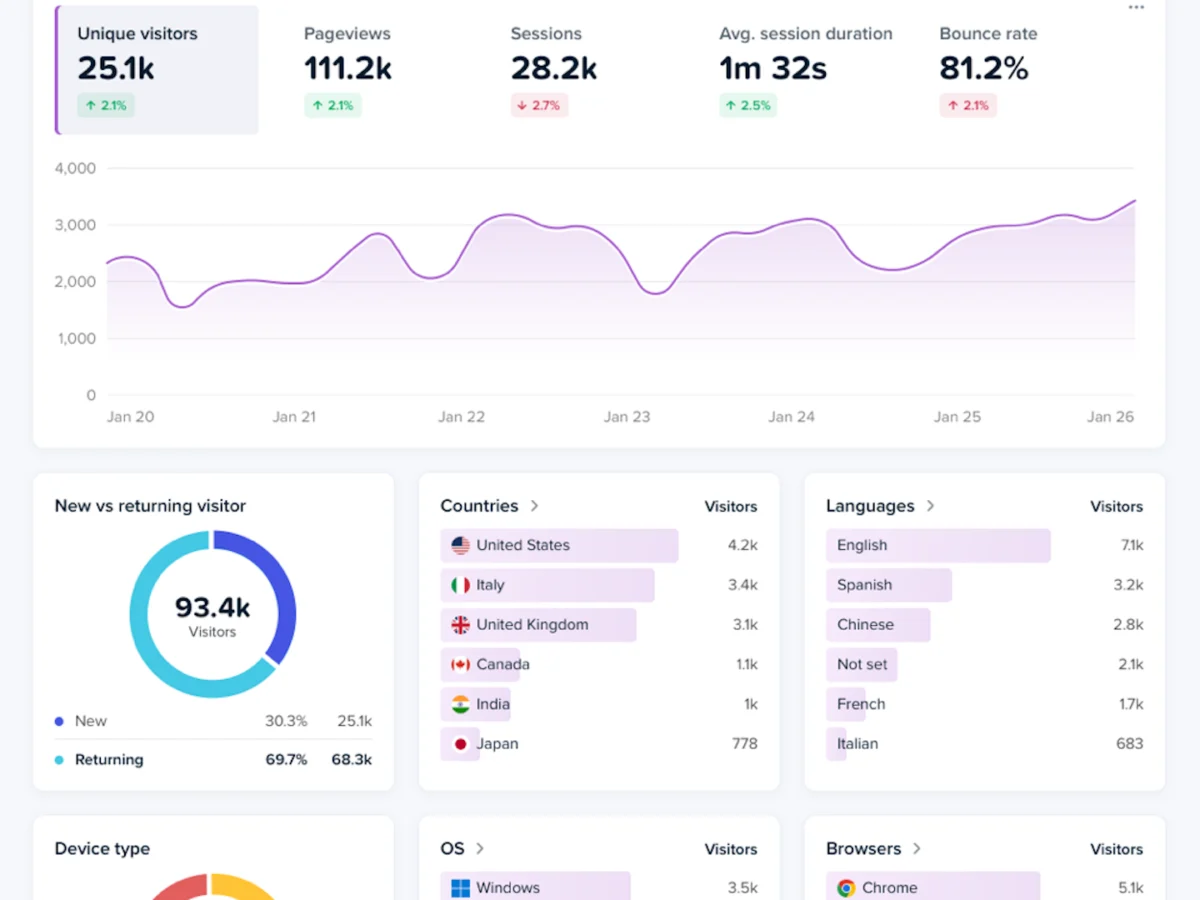
The move comes at a time when data engineers and analytics teams are increasingly moving away from siloed SaaS dashboards in favor of centralized "single source of truth" environments. With the Data Warehouse Connector, users no longer need to rely solely on the Crazy Egg interface to interpret user behavior; instead, they can ingest every click, scroll, and session event into environments like Snowflake, Amazon Redshift, Google BigQuery, or Databricks. This shift represents a fundamental change in how behavioral data is governed, stored, and utilized across the enterprise.
Technical Architecture and Data Delivery
The Data Warehouse Connector is built to handle the high-velocity data generated by modern web applications. According to technical specifications provided by the company, the connector performs daily synchronizations, ensuring that the previous day’s behavioral data is available for analysis by the following morning. This cadence is designed to support standard daily reporting cycles while maintaining the integrity of large datasets.
To ensure compatibility with modern data lake architectures, Crazy Egg has opted for Parquet and Iceberg file formats. Parquet is a columnar storage format that provides efficient data compression and encoding schemes, which significantly reduces the cost of storage and increases the speed of queries within a warehouse. Apache Iceberg, an open table format for huge analytic datasets, adds a layer of reliability and simplicity, allowing for schema evolution and "time travel" queries.
The delivery mechanism is centered on user-owned storage buckets, such as Amazon S3 or Google Cloud Storage. This "bring your own storage" model ensures that the data remains under the client’s governance and security protocols from the moment it is exported. For organizations with strict compliance requirements, such as those in the healthcare or financial sectors, this architecture provides a necessary level of oversight that traditional API-based exports often lack.
Comprehensive Data Coverage and Historical Backfills
One of the most critical aspects of the new connector is its breadth of data. Rather than providing summarized metrics, the sync includes raw records from the entire suite of Crazy Egg features. This includes:
- Session Events: Detailed logs of user entry, duration, and exit.
- Click and Interaction Data: Every granular interaction on a page, including those that do not trigger a new URL load.
- Conversion and Goal Tracking: Direct links between user behavior and specific business outcomes.
- Metadata: Contextual information including device type, browser version, geographic location (anonymized to comply with privacy standards), and referral sources.
Furthermore, Crazy Egg has addressed the common problem of data gaps during implementation by offering historical backfills. This allows new users of the connector to populate their warehouses with existing behavioral data, ensuring that longitudinal studies and year-over-year comparisons are possible from day one of the integration.
Strategic Implications for Business Intelligence
The integration of raw behavioral data into a centralized warehouse enables a level of analysis that was previously difficult to achieve. For years, marketing and product teams have struggled with "data silos," where website behavior lived in one tool while purchase history lived in another. By joining Crazy Egg session data with transactional data from CRMs like Salesforce or ERP systems, analysts can now build highly accurate attribution models.
For example, a data team can now query exactly which specific heat-map interactions or session recordings preceded a high-value subscription renewal. By connecting these dots, companies can move beyond "last-click" attribution and understand the complex nuances of the customer journey. This leads to more informed decisions regarding UI/UX changes, as the impact of a design update can be measured not just in clicks, but in actual revenue impact downstream.
In a statement regarding the launch, Stephen Ngo, Director of Growth Marketing at Crazy Egg, emphasized the importance of this connectivity. Ngo, an experienced go-to-market leader who previously held roles at Nira and Paddle, noted that the ability to work with raw records allows analytics teams to "work with user behavioral records from all Crazy Egg features alongside everything else you’ve centralized in your warehouse." This sentiment reflects a broader industry trend where the value of a tool is increasingly measured by its ability to play well with others in a company’s technology stack.
Powering the Next Generation of AI and Machine Learning
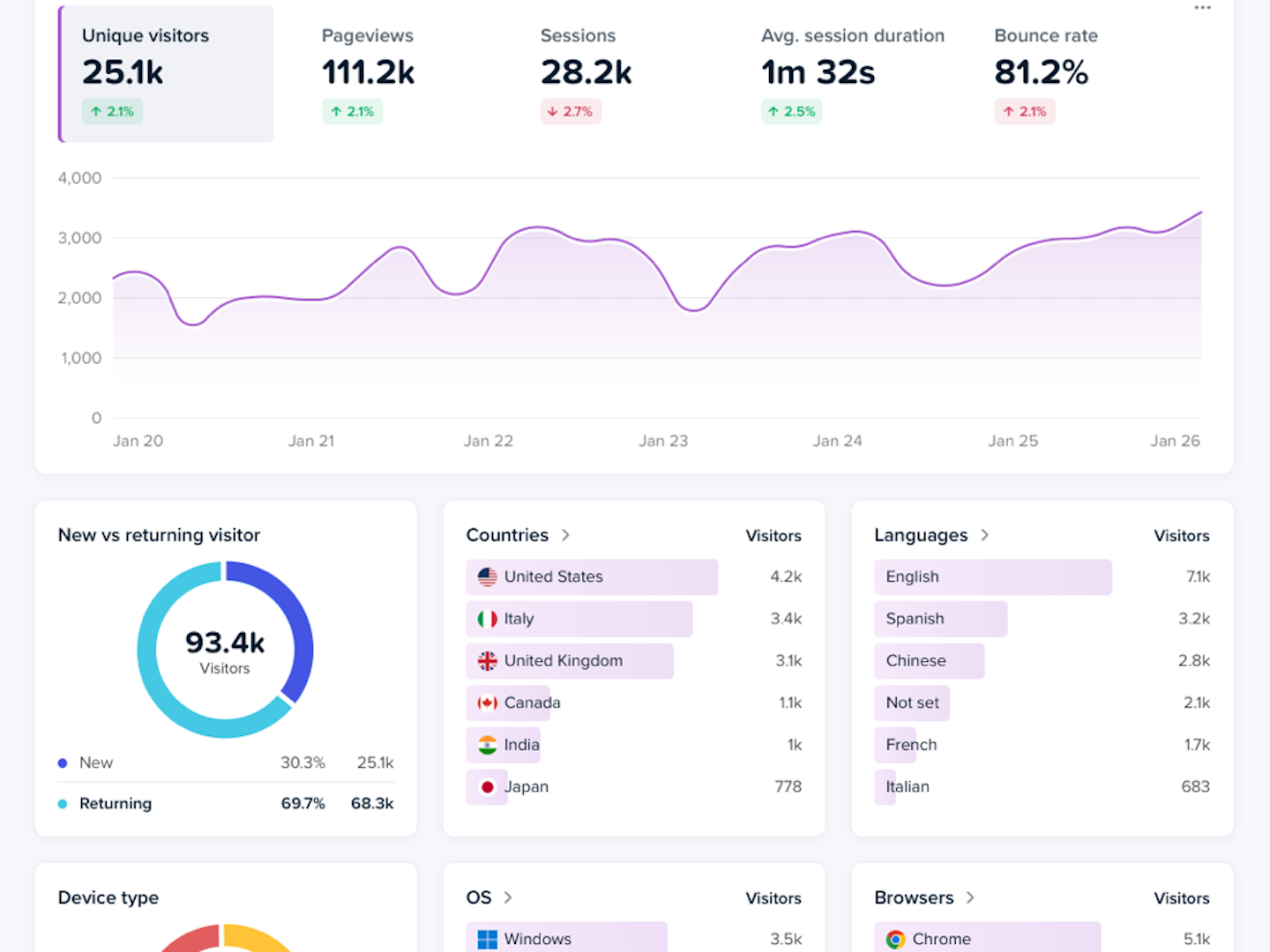
Beyond traditional reporting, the availability of raw behavioral data is a prerequisite for modern Artificial Intelligence (AI) initiatives. Many enterprises are currently developing "agentic workflows" and in-house LLM (Large Language Model) applications that require high-quality, first-party data to provide accurate context.
Crazy Egg’s Data Warehouse Connector provides a steady stream of "ground truth" data that can be used to train predictive models. Companies can use this data to build churn prediction engines that identify users exhibiting "frustration signals"—such as rapid-fire clicking or frequent scrolling—before they actually cancel a service. Additionally, the data can feed recommendation engines, allowing for real-time personalization based on a user’s specific interaction history across multiple sessions.
The shift toward first-party data is also a response to the ongoing "cookie-less" transition in the digital landscape. As third-party cookies become less reliable due to privacy regulations and browser changes, first-party behavioral data captured directly on a company’s own assets becomes the most valuable asset in a marketer’s toolkit.
Contextual Background: The Evolution of Web Analytics
To understand the significance of this release, one must look at the history of web analytics. When Crazy Egg launched in 2006, it revolutionized the industry by introducing visual heatmaps, making it easy for non-technical users to see where people were clicking. At the time, the primary goal was accessibility—democratizing data so that designers and marketers didn’t have to wait for a data analyst to run a report.
However, as the digital economy matured, the needs of the enterprise grew more complex. The "Modern Data Stack" emerged in the 2010s, characterized by the rise of cloud data warehouses and ELT (Extract, Load, Transform) processes. In this new era, the bottleneck shifted from "how do we see the data?" to "how do we integrate the data?"
Crazy Egg’s move to provide a Data Warehouse Connector is an acknowledgment of this maturity. It signals a transition from being a "visual tool" to being a "data infrastructure provider." While the visual heatmaps and recordings remain core to the product’s identity, the ability to export the underlying data allows the platform to serve the needs of the data engineer as much as the UI designer.
Industry Reaction and Market Context
Market analysts suggest that Crazy Egg’s move is a necessary step to remain competitive with other high-end behavioral analytics platforms like FullStory and ContentSquare, which have offered similar data export capabilities for their enterprise tiers. However, Crazy Egg’s focus on open formats like Iceberg may give it an edge with organizations that are wary of vendor lock-in.
Industry observers note that the demand for "raw data" is at an all-time high. A recent survey of data leaders indicated that over 70% of organizations plan to increase their investment in data warehouse centralization over the next 24 months. By providing a turnkey solution for behavioral data ingestion, Crazy Egg is positioning itself to capture a larger share of the enterprise market.
Implementation and Availability
The Data Warehouse Connector is currently available for Crazy Egg customers, with the company offering custom configuration services for organizations with unique data models. The process involves white-listing the connector’s access to a designated storage bucket, after which the automated daily syncs begin.
For organizations interested in the feature, the company recommends contacting account managers or their support team to discuss specific schema requirements and backfill needs. As businesses continue to navigate an increasingly data-dependent economy, the ability to own and analyze every digital footprint left by a user is no longer a luxury—it is a competitive necessity. Through this latest update, Crazy Egg provides the bridge necessary to turn website interactions into actionable, enterprise-wide intelligence.







