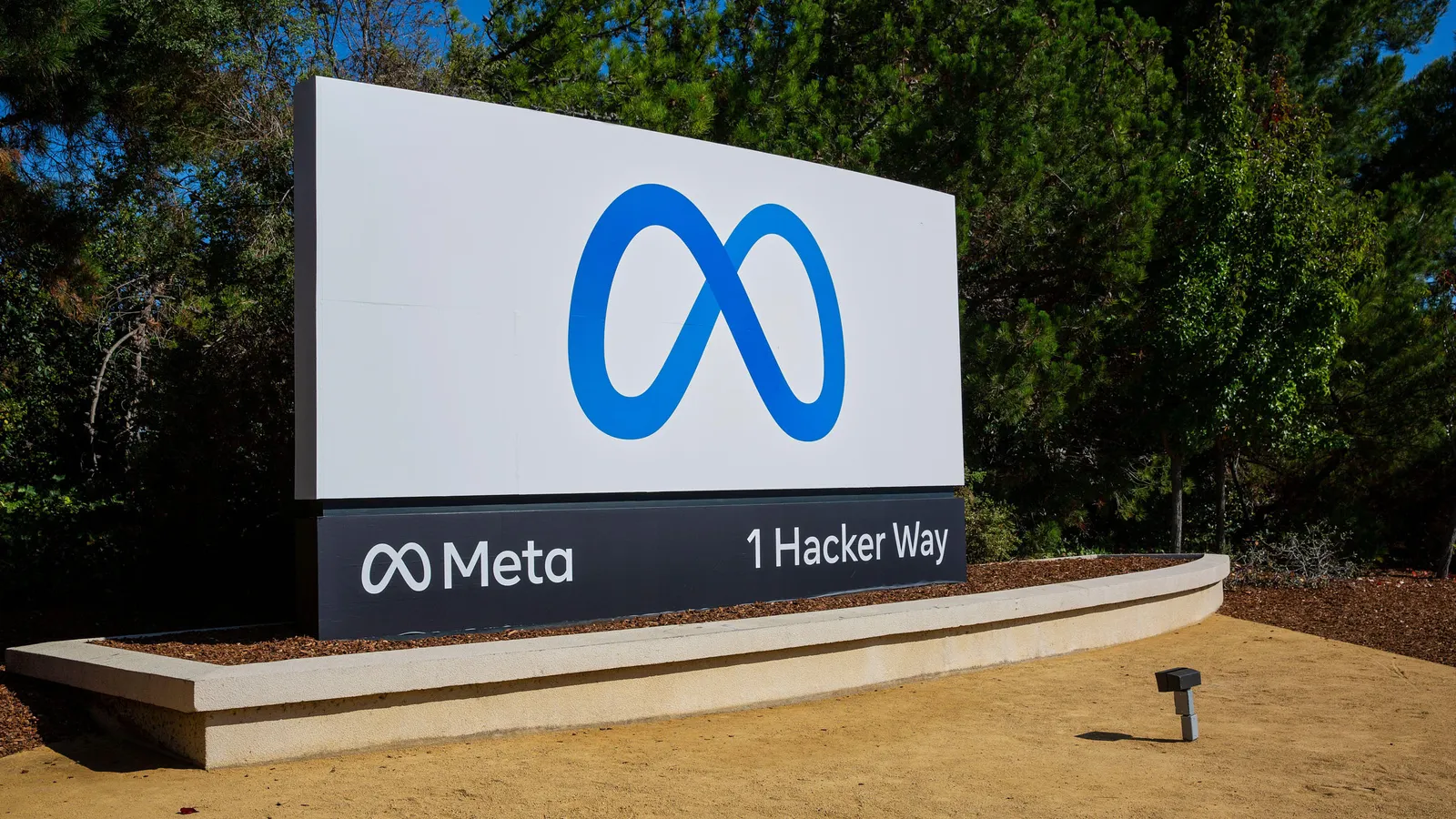
Meta Platforms, Inc., the technology titan behind Facebook, Instagram, and WhatsApp, finds itself embroiled in a legal maelstrom, fighting to shield itself from an escalating wave of social media addiction lawsuits that threaten potentially crushing financial liabilities. The specter of a $1.4 trillion payout, a figure nearly matching the company’s current market capitalization, looms large as a recent Ninth Circuit Court ruling in San Francisco cleared the path for thousands of these cases to proceed, signaling a critical juncture for the tech industry and the future of digital product design.
Escalating Legal Challenges and a Landmark Precedent
The current legal offensive against Meta gained significant momentum following a pivotal ruling in March, when a California jury found both Meta and YouTube liable for causing social media addiction. This landmark decision stemmed from a case alleging that the platforms’ intentionally designed, addictive systems had led to significant health impacts, with the court determining that both companies had consciously disregarded inherent risks in pursuit of maximizing business opportunities and user engagement.
In that specific California case, Meta and YouTube were each ordered to pay $3 million in damages to a single plaintiff. Beyond the monetary award, the finding established a crucial new legal precedent: that social media addiction is a legitimate cause of significant harm and stress. This ruling has effectively opened the floodgates, inviting a broad spectrum of new lawsuits from individuals nationwide who allege that these apps have inflicted profound pain and suffering upon them or their dependents.
Meta has actively sought to invalidate the California ruling, arguing vehemently that social media addiction is not a recognized psychological condition verified by the Diagnostic and Statistical Manual of Mental Disorders (DSM). The DSM, published by the American Psychiatric Association, serves as the authoritative guide for mental health professionals and is often a foundational reference for legal rulings concerning psychological conditions. However, the recent Ninth Circuit Court ruling in San Francisco delivered a significant blow to Meta’s defensive strategy, indicating that the company’s arguments against the recognition of social media addiction have thus far been insufficient to halt legal proceedings. This decision means that numerous other cases, previously stalled, can now advance, compelling Meta to confront these claims directly in court.
Adding to the complexity, Meta is simultaneously preparing for a Federal Court trial that will delve into the fundamental merits of these claims. This federal action, as reported by outlets like the LA Times, represents an even more significant challenge, as its outcome could establish a nationwide framework for how social media addiction is treated legally and scientifically.
Meta’s Multi-pronged Defense Strategy
Facing an unprecedented legal onslaught, Meta has articulated a multi-pronged defense strategy designed to mitigate its liability and challenge the very premise of these lawsuits. At the core of its argument is the assertion that "social media addiction" lacks official recognition as a psychological disorder within the DSM. The company maintains that without such a diagnostic classification, the legal foundation for claims of addiction-induced harm is inherently weak. This argument attempts to draw a clear distinction between excessive social media use and a clinically recognized addiction, suggesting that any adverse effects are not due to a diagnosable condition that Meta could be held liable for causing.
Furthermore, Meta has presented counter-evidence, contending that its products offer substantial benefits, particularly for older adolescents. The company suggests that social media platforms can foster social connection, provide avenues for self-expression, and facilitate access to information, thereby contributing positively to the well-being and development of certain user demographics. This argument seeks to balance the narrative by highlighting the potential positive aspects of social media use, aiming to demonstrate that the platforms are not solely detrimental.
Crucially, Meta is also seeking to leverage Section 230 of the Communications Decency Act of 1996 to shield itself from liability. Section 230 is a foundational piece of internet law that generally protects online platforms from liability for content posted by their users, and also for their good-faith efforts to moderate content. Meta’s invocation of Section 230 in this context suggests an argument that it should not be held responsible for the psychological impact of its platform’s design, viewing itself as a neutral conduit for user interaction rather than a publisher or creator of harmful content. However, plaintiffs are likely to argue that these lawsuits pertain to product design and alleged intentional manipulation of user behavior, rather than user-generated content, thereby attempting to bypass Section 230 protections. The interpretation of Section 230 in the context of platform design and addictive algorithms is a highly contested area of law and will be a critical battleground in these cases.
Background and Chronology of the Crisis
The current crisis for Meta is not an isolated event but rather the culmination of years of growing scrutiny and mounting scientific concern regarding the pervasive impact of social media on mental health, particularly among younger demographics.
- Early 2010s: As social media platforms like Facebook and Instagram exploded in popularity, early anecdotal evidence and academic studies began to surface, raising questions about excessive use and its potential links to anxiety, depression, and body image issues. However, the focus was largely on individual user responsibility.
- Mid-2010s: Whistleblowers and internal documents from tech companies started to hint at intentional design choices aimed at maximizing engagement, often at the expense of user well-being. Features like infinite scroll, notification systems, and personalized algorithmic feeds were increasingly identified as potentially habit-forming.
- Late 2010s: Public awareness grew significantly, fueled by documentaries, media reports, and increased academic research. Advocacy groups began to press for greater accountability from tech companies regarding their impact on youth mental health. States began investigating the practices of social media companies.
- 2020-2022: The COVID-19 pandemic led to an unprecedented surge in digital interaction, further intensifying concerns about screen time and mental health. Lawsuits against social media companies, though often dismissed or settled, started to gain more traction, laying the groundwork for broader legal challenges.
- March 2024: The aforementioned California jury ruling against Meta and YouTube marked a watershed moment, explicitly attributing "significant health impacts" to "intentionally designed, addictive systems" and finding companies liable for ignoring risks. This ruling provided a crucial legal precedent for subsequent cases.
- August 2024 (Inferred Timeline based on original article’s future dates): The Ninth Circuit Court in San Francisco delivers its ruling, allowing thousands of similar lawsuits to proceed against social media companies. This decision significantly amplifies Meta’s legal exposure.
- Upcoming Federal Trial: Meta prepares for a Federal Court trial that will scrutinize the merits of these claims on a broader scale, with the potential to establish nationwide legal precedent regarding social media addiction.
Supporting Data and Broader Context: The Mental Health Debate
The debate surrounding social media addiction is complex and multifaceted, involving medical professionals, psychologists, sociologists, and policymakers. While generalized "social media addiction" is not yet an official diagnosis in the DSM-5 (the current version), the manual does include "Internet Gaming Disorder" in its appendix, signaling a recognition of behavioral addictions related to digital technology. The World Health Organization’s ICD-11 (International Classification of Diseases, 11th Revision) also includes "Gaming Disorder," further underscoring the evolving understanding of digital habits as potential disorders. Plaintiffs in these lawsuits are effectively pushing for a similar recognition for social media use, arguing that the addictive mechanisms are analogous.
Numerous studies have highlighted concerning trends in adolescent mental health coinciding with the rise of social media. Data from the Centers for Disease Control and Prevention (CDC) indicates a significant increase in reported feelings of persistent sadness or hopelessness among U.S. high school students, with rates rising from 28% in 2011 to 42% in 2021. Similarly, emergency room visits for self-harm among adolescent girls surged by over 50% between 2019 and 2021. While correlation does not equal causation, many researchers and public health advocates point to social media as a significant contributing factor, citing issues such as cyberbullying, unrealistic beauty standards, social comparison, sleep disruption, and the fear of missing out (FOMO).
Meta, in its defense, often points to research suggesting varying impacts of social media depending on age, individual resilience, and usage patterns. Some studies indicate that for certain individuals, particularly older adolescents, social media can indeed be a valuable tool for maintaining friendships, seeking support, and accessing diverse perspectives. However, critics argue that such benefits do not negate the potential for harm, especially when platforms are designed to maximize engagement through psychologically manipulative tactics.
Official Responses and Stakeholder Reactions
Meta’s official stance, as communicated through public statements and legal filings, is one of commitment to user well-being while vigorously defending its business practices. The company frequently highlights its investments in safety features, parental controls, and mental health resources within its apps. However, these efforts are often viewed by critics as insufficient or reactive rather than proactive. Internally, Meta executives are undoubtedly crossing their fingers, hoping for favorable resolutions to these cases, recognizing the potentially catastrophic financial and reputational implications.
Plaintiffs, often represented by legal teams specializing in product liability, are presenting powerful narratives of individuals, particularly young people, whose lives have been severely impacted by what they describe as predatory platform design. Their arguments center on the alleged intentional exploitation of human psychology through features engineered to foster compulsive use, leading to addiction, anxiety, depression, eating disorders, and even suicidal ideation.
Public health organizations and child advocacy groups have largely applauded the progression of these lawsuits. They view them as a crucial step towards holding tech companies accountable for the real-world consequences of their digital products. These groups often advocate for stronger regulatory oversight, mandatory safety features, and greater transparency from platforms regarding their algorithmic practices and internal research on user well-being.
Government and regulatory bodies are also keenly observing these legal developments. There is a growing bipartisan consensus in the U.S. Congress and among state legislatures regarding the need for greater regulation of social media to protect minors. The outcomes of these lawsuits could significantly influence future legislative efforts, potentially leading to new laws regarding age verification, data privacy for minors, and requirements for less addictive design.
Broader Impact and Implications
The unfolding legal battle against Meta carries profound implications, not just for the company itself, but for the entire technology industry, product liability law, and the future of digital well-being.
- Legal Precedent and Industry-Wide Shift: Should courts definitively establish that social media addiction is a compensable harm caused by product design, it would create a seismic shift in product liability law. This could set a precedent akin to litigation against tobacco or opioid manufacturers, where companies were held accountable for the public health consequences of their products. Such a ruling would not only impact Meta but also place other major social media companies like TikTok, Snapchat, X (formerly Twitter), and YouTube under similar legal scrutiny, potentially triggering a cascade of lawsuits across the industry.
- Mandatory Product Design Changes: If Meta is found liable, it could be compelled to fundamentally redesign its platforms. This might include implementing features such as mandatory time limits, more robust age verification systems, default settings that prioritize well-being over engagement, and algorithms designed to reduce rather than amplify addictive behaviors. Such changes would represent a significant departure from current business models that heavily rely on maximizing user engagement and ad impressions.
- Regulatory Scrutiny and Legislative Action: The legal outcomes could galvanize legislative bodies to enact more stringent regulations on social media companies. Governments worldwide are already exploring measures to protect minors online, and a definitive legal finding of addiction-related harm would provide strong impetus for new laws concerning platform design, data collection from minors, and content moderation. This could lead to a more heavily regulated digital landscape.
- Financial Catastrophe and Existential Threat: The reported potential liability of $1.4 trillion is staggering, representing nearly Meta’s entire current market capitalization of approximately $1.5 trillion. While it is unlikely that all potential claims would result in maximum payouts, even a fraction of this sum could be financially devastating, potentially leading to asset sales, restructuring, or even a fundamental re-evaluation of Meta’s business model. This represents an existential business crisis for one of the world’s most influential technology companies.
- Reputational Damage and Public Trust: Beyond the legal and financial ramifications, the ongoing lawsuits severely damage Meta’s public image and erode user trust. In an era where corporate responsibility and ethical technology are increasingly prioritized by consumers, continuous litigation over alleged harm to young users poses a significant challenge to the company’s brand and its ability to attract and retain users, especially the younger generations.
- Government Intervention and Long-Term Litigation: Should the legal battles turn significantly against Meta, the company may appeal to the U.S. government for protection, potentially arguing that such massive liabilities could harm American innovation or global competitiveness. This could lead to prolonged legal and political battles, with cases dragging on for many years through various appeals, mirroring the protracted litigation seen in other major public health crises.
In conclusion, Meta stands at a critical crossroads. The Ninth Circuit Court’s decision to allow these social media addiction lawsuits to proceed marks a pivotal moment, pushing the company into an unprecedented legal and financial crucible. The outcomes of these cases will not only determine the future trajectory of Meta but will also set a crucial precedent for the entire tech industry, potentially ushering in an era of heightened accountability for digital product design and its profound impact on mental health and societal well-being. The world watches as the courts weigh the innovative power of technology against its alleged human cost.