Menlo Park, California – Meta Platforms, Inc. concluded its annual Meta Connect conference this week, signaling a definitive strategic pivot towards artificial intelligence (AI) as the cornerstone of its future innovations. Held in Menlo Park, the event unveiled a comprehensive suite of AI-powered offerings, including significant enhancements to its Muse personal AI agent, new partnerships designed to expand agentic AI functionality, and a new generation of AI-integrated glasses and streamlined virtual reality (VR) hardware. This shift, articulated by CEO Mark Zuckerberg, underscores Meta’s intent to lead the next wave of computing, moving from its earlier metaverse-first emphasis to an AI-driven paradigm.
The Dawn of Muse: Meta’s Personal AI Agent Takes Center Stage
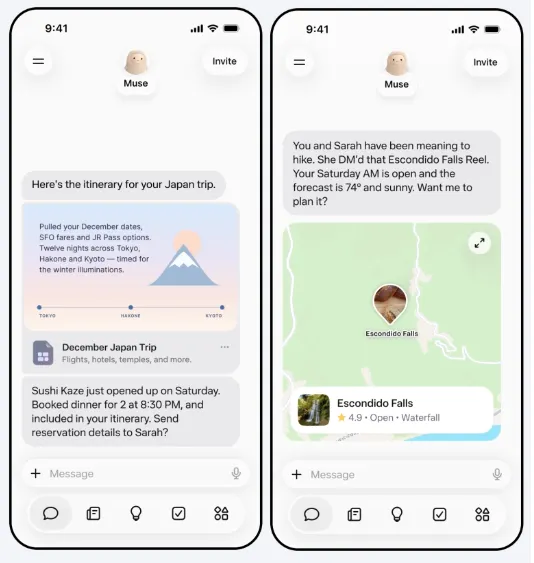
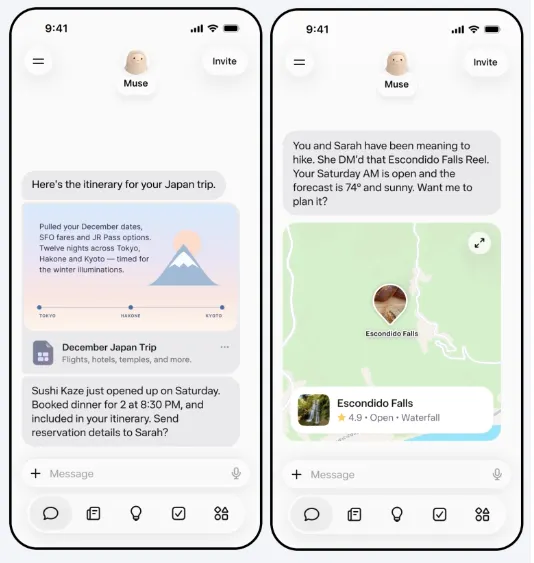
At the heart of Meta Connect 2026 was the expansive showcase of Meta’s Muse personal AI agent, which CEO Mark Zuckerberg explicitly identified as the central pillar of the company’s reoriented strategy. Zuckerberg elaborated on the company’s evolution, stating that while the initial belief was that the metaverse would precede AI superintelligence, rapid advancements in AI necessitated a recalibration of their approach, placing AI functionality at the forefront of development.
Muse is designed to be the primary interface for this new AI-first world. A key highlight of its presentation was the robust data protection measures integrated into its architecture. Zuckerberg detailed Meta Secure VM, a private data process powering Muse that ensures even Meta itself cannot access user data, directly addressing growing concerns around AI privacy and data security. This commitment to privacy is a critical response to the increasing scrutiny faced by large technology companies regarding user data handling. According to recent industry reports, consumer trust in AI systems heavily hinges on transparent and secure data practices, making Meta Secure VM a strategic differentiator for Muse.
Further enhancing Muse’s capabilities, Meta’s Chief AI Officer, Alexandr Wang, discussed forthcoming innovations. These include dedicated email addresses for Muse agents, significantly improving their functional capacity by enabling direct communication and task execution. More profoundly, Meta announced a series of strategic partnerships with major retailers and service providers, including Walmart, BestBuy, Gap, Sephora, Expedia, Instacart, and Wayfair. These collaborations are poised to facilitate greater "agentic AI functionality," allowing Muse to connect seamlessly with these platforms. This means users could potentially delegate tasks like personalized shopping, travel booking, or grocery ordering directly to their Muse agent, transforming the e-commerce and service sectors by embedding AI into everyday transactions. Industry analysts predict such integrations could drive a substantial increase in AI-powered commerce, potentially redefining customer service and purchasing pathways by 2030.
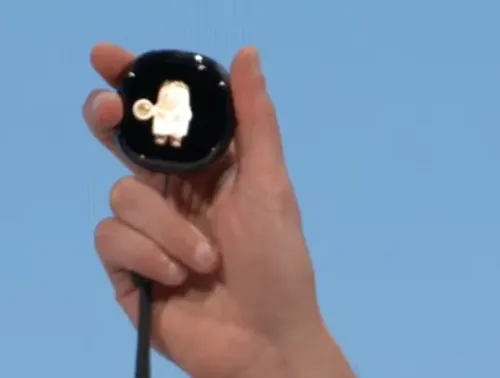
Beyond core functionality, Muse is also evolving in personalization. Zuckerberg revealed that users will soon be able to customize their Muse agent’s voice, adding a layer of personal connection and brand identity. Geographically, Muse’s availability is expanding beyond the U.S. to include Canada, indicating Meta’s ambition for broad international adoption. Zuckerberg also offered a glimpse into Muse Charm, a Tamagotchi-like device currently in development. This dedicated physical form factor aims to provide constant access to the Muse agent outside of AI glasses, underscoring Meta’s vision of ubiquitous AI integration into daily life, reminiscent of the early 2000s wearable tech concepts but with advanced AI intelligence.
AI Glasses: A Vision for Pervasive, Private Computing
Following the comprehensive Muse presentation, Meta’s AI glasses took center stage, with a pronounced emphasis on addressing privacy concerns that have previously shadowed smart eyewear. Recent controversies surrounding unauthorized recording capabilities and the potential for Meta staff to access content captured through earlier iterations of the device prompted a direct response from Zuckerberg.
To mitigate these issues, Meta is rolling out private processing for its AI Glasses, mirroring the Meta Secure VM standard applied to Muse. This ensures that, like Muse, user information captured via the glasses remains inaccessible even to Meta staff, aiming to rebuild and solidify user trust. This move is crucial for the widespread adoption of camera-equipped wearable technology, as privacy has consistently been identified as a primary barrier by potential consumers.
Audio enhancements were also a significant part of the AI glasses presentation. Zuckerberg outlined improved audio elements, including updated support tailored for hearing-impaired users, showcasing a commitment to accessibility. A notable introduction was the audio-only AI glasses, designed to provide connectivity to Meta AI without the inherent intrusion or privacy concerns associated with camera capture. This offers a discreet option for users prioritizing auditory interaction with their AI agent.
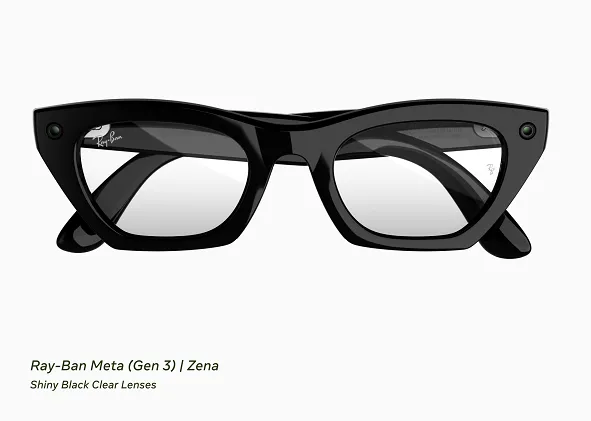
The event also previewed the coming Ray-Ban Meta Gen 3 device. This iteration boasts a slimmed-down frame and an extended battery life, addressing common user feedback regarding comfort and endurance. The Gen 3 glasses will incorporate new capture modes and Dolby Atmos spatial audio capture, promising a more immersive and true-to-life recreation of audio scenes. This advancement in audio fidelity is expected to enhance content creation and consumption through the glasses, offering richer experiential sharing.
Further diversifying the lineup, Zuckerberg showcased additional new AI glasses models, including the classic Aviator and the stylish Zena designs, alongside an updated Adventurer device, priced at an accessible $249. In a strategic move to appeal to diverse demographics and leverage cultural influence, Meta announced a new collaboration with K-Pop superstar Lisa. These custom glasses, inspired by her personal style and pets (with accompanying charms), follow the successful precedent set by Meta’s partnership with Kylie Jenner, highlighting a growing trend of tech-fashion convergence. This strategy aims to embed AI glasses into popular culture, making them desirable lifestyle accessories rather than just technological gadgets.
The Meta Display glasses, which have experienced prolonged sell-out periods due to high demand, were also addressed. Zuckerberg confirmed that Meta is actively catching up with manufacturing and distribution, aiming to make the Display model available in more regions globally. This indicates a robust market appetite for more advanced AR/VR display capabilities, suggesting a growing readiness among consumers for more immersive visual experiences in their daily lives.
Next-Generation VR: Lighter, Smarter, and Seamlessly Integrated
Concluding the hardware announcements, Zuckerberg and Reality Labs chief Andrew Bosworth presented an overview of Meta’s next-level VR glasses. These innovative devices mark a significant leap in VR headset design, weighing five times less than the current Meta Quest 3 headset. This dramatic reduction in weight is achieved through a revolutionary tethered model, where the primary computational and battery components are housed in a separate, external pack.
As officially explained by Meta, "The VR Glasses handle the sensors and display, while the puck, connected by an optical tether, handles compute, battery, and storage, and conveniently clips to your pocket or bag." This design philosophy prioritizes user comfort and prolonged wearability, which have historically been major hurdles for VR adoption. While the tether introduces a physical connection, the substantial weight reduction is expected to open up new possibilities for extended use in gaming, productivity, and social interaction within virtual environments. Industry experts believe that lightweight, comfortable VR devices are essential for moving beyond niche gaming and into mainstream daily use, potentially increasing VR market penetration significantly over the next few years.
Crucially, Meta’s next-gen VR device will integrate users’ Muse AI bot, enabling seamless management of various VR experiences through conversational prompts. This fusion of AI and VR promises a more intuitive and personalized user experience, allowing for voice-controlled navigation, context-aware assistance, and dynamic content generation within virtual worlds. The new VR glasses will launch with a range of tailored experiences designed to fully showcase the power of Meta’s evolving VR tools, reinforcing that despite the AI pivot, VR remains a vital component of Meta’s long-term roadmap for digital connection.
Zuckerberg articulated his vision for the new VR device as integrating a "great cinema, virtual computer, and gaming experience within a single device," providing a profound glimpse into the future of digital interaction. The Meta VR glasses will be priced at $1299 and are slated for shipping in Spring, positioning them as a premium offering in the evolving VR landscape, competing with other high-end mixed reality devices entering the market.
Broader Implications and Future Outlook

Meta Connect 2026 clearly delineates Meta’s strategic repositioning, shifting focus from a pure metaverse-centric future to one where AI acts as the foundational layer, empowering both virtual and augmented realities. This pivot reflects a broader industry trend towards intelligent agents and pervasive AI, driven by breakthroughs in large language models and multimodal AI. Meta’s investment in secure AI (Meta Secure VM) and proactive privacy measures for its hardware is a critical response to escalating global concerns about data governance and AI ethics, aiming to foster trust in its next-generation products.
The extensive network of partnerships for Muse agentic AI functionality signifies Meta’s ambition to embed its AI assistant deeply into the fabric of daily commerce and service delivery, potentially disrupting existing market dynamics and creating new avenues for personalized consumer experiences. The introduction of lightweight VR and more accessible AI glasses indicates a commitment to making advanced technologies more user-friendly and appealing to a broader consumer base, moving beyond early adopters.
While the metaverse remains a part of Meta’s long-term vision, the emphasis on AI suggests a more pragmatic approach, leveraging current AI capabilities to enhance existing products and create immediate value. The success of this strategy will depend on Meta’s ability to seamlessly integrate these diverse technologies, deliver on its privacy promises, and cultivate a developer ecosystem that can fully harness the potential of Muse, AI glasses, and advanced VR. Analysts anticipate that this aggressive push into AI, coupled with refined hardware, could significantly bolster Meta’s competitive standing against tech giants like Apple, Google, and Microsoft, all vying for dominance in the next era of personal computing. The announcements from Meta Connect 2026 set a clear course for the company, outlining a future where AI is not just a feature, but the very essence of how users connect, interact, and experience the digital world.