A social media target audience is a specific group of people a brand aims to connect with on social media platforms, identified by shared traits, interests, behaviors, and demographics. These are the individuals most inclined to engage with content, respond to messaging, and ultimately convert into customers. Crucially, this audience differs from a general marketing target market; while a person might be an ideal customer for a product, they may never encounter a brand’s social media posts if they don’t frequent the platforms used or engage with the content formats produced. Thus, a social media audience is defined as much by platform behavior and digital engagement patterns as by traditional buying potential.

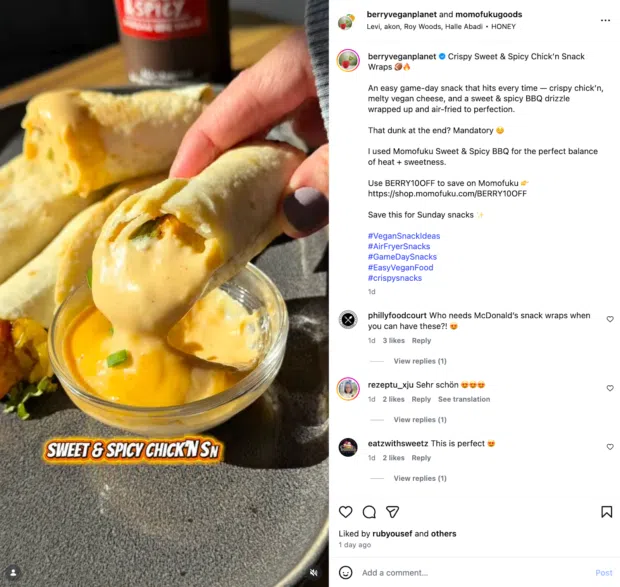
For instance, Momofuku Goods effectively utilizes Instagram by sharing recipes tailored for home cooks. While these recipes naturally feature Momofuku Goods products, their primary appeal lies in addressing a core interest of their audience: home cooking. This strategy highlights the brand’s understanding of its audience’s passion, contributing significantly to its substantial following of over 182,000. In essence, a social media target audience represents the segment of the population that a brand can realistically reach and reliably engage through its chosen digital channels.
Distinguishing Target Market from Social Media Target Audience

Understanding the nuanced difference between a target market and a social media target audience is fundamental for strategic resource allocation. A target market encompasses the broad spectrum of potential customers for a product or service, representing a high-level business decision that informs product development, pricing, and overall market sizing. In contrast, a social media target audience is a more narrowly defined subset, chosen for specific campaigns or platforms, reflecting a channel-specific strategic decision.
Consider a running shoe brand whose target market might be recreational runners aged 25 to 55 across North America. On a platform like TikTok, however, its social media target audience could be refined to first-time marathon trainees aged 22 to 30 who actively follow race-day preparation content. This distinction underscores that the target market dictates who to sell to, while the social media target audience informs who to engage with immediately on a particular digital channel. The scope of the target market is broad and company-wide, influencing long-term business strategy, whereas social media audiences are narrower, often multiple per brand, guiding daily content planning, platform selection, and advertising efforts. This precision ensures that messaging is not diluted and marketing spend is optimized for maximum impact within specific digital ecosystems.
The Imperative of Audience Definition in the Digital Age
Defining a social media audience is not merely an exercise in segmentation; it is a critical determinant of marketing budget allocation, content strategy, and measurable results. In an increasingly crowded digital landscape, broad targeting, while seemingly safe, often leads to generic messaging, inefficient paid advertising spend, and content that resonates with no particular group. A clearly defined audience, conversely, provides a roadmap for creating highly relevant and impactful campaigns.
The benefits are multifaceted: enhanced content relevance leading to higher engagement rates, more effective allocation of advertising budgets, the cultivation of stronger brand loyalty, and improved conversion rates. For larger organizations, documented audience definitions serve a vital governance function. When these definitions are integrated into a broader social strategy, regional teams and agencies maintain consistency in brand interpretation across all channels, preventing fragmented or contradictory messaging. Without this clarity, brands risk investing in campaigns that fail to connect, diminishing ROI and potentially harming brand perception. Industry experts frequently highlight that companies with clearly defined target audiences see up to a 15% higher marketing ROI compared to those without.
Key Approaches to Audience Segmentation
Social media target audiences are typically segmented using a combination of five principal approaches: demographics, psychographics, behavioral signals, purchase intent, and existing customer status. Most successful brands employ a blend of these to construct a comprehensive audience profile. This multi-dimensional segmentation allows for highly tailored content and engagement strategies.
- Demographics: This foundational segmentation includes easily quantifiable data such as age, gender, education level, geographic location, and income. Native analytics tools on social media platforms universally report these metrics, making them a convenient starting point. However, it’s crucial to remember that a brand’s social media audience demographics may not perfectly mirror its overall target market. The people who follow a brand on social media might represent a distinct, albeit overlapping, group from its direct customers.
- Psychographics: Moving beyond surface-level data, psychographics delve into interests, values, lifestyles, and attitudes. On social platforms, these elements often carry more weight than demographics, as users typically follow accounts based on shared passions and beliefs rather than age or location. Given that social media is primarily used for entertainment, inspiration, and connection, understanding these deeper psychological motivators enables brands to create content that feels genuinely relevant and valuable, transcending mere promotional material. For example, a cooking channel and a woodworking channel could share identical demographic profiles but require vastly different content strategies.
- Behavioral Signals: This segmentation groups individuals based on their actual online actions: which content formats they consume to completion, their frequency of commenting, whether they save posts, and what links they click. These signals, readily available in platform analytics, often provide a more candid insight into user preferences than stated interests. If carousels consistently yield saves while talking-head videos are scrolled past, this behavioral data offers actionable intelligence for content optimization.
- Purchase Intent: This approach segments users according to their position in the buying journey: awareness, consideration, or decision. Each stage necessitates distinct messaging. A user discovering a new product category requires educational content, while someone comparing options needs specific proof points and detailed information. A user who abandoned a shopping cart might need a compelling reason to complete their purchase. Treating all these segments identically is a common pitfall that leads to underperforming social media content.
- Existing Customers: This often-overlooked segment comprises a brand’s current customer base. They already possess product knowledge, so content aimed at them should prioritize retention, upsell opportunities, and advocacy rather than introductory material. This group is also a valuable source of social proof, with recognized and engaged customers often tagging, reviewing, and defending the brand in public forums.
Methodologies for Identifying Your Social Media Target Audience
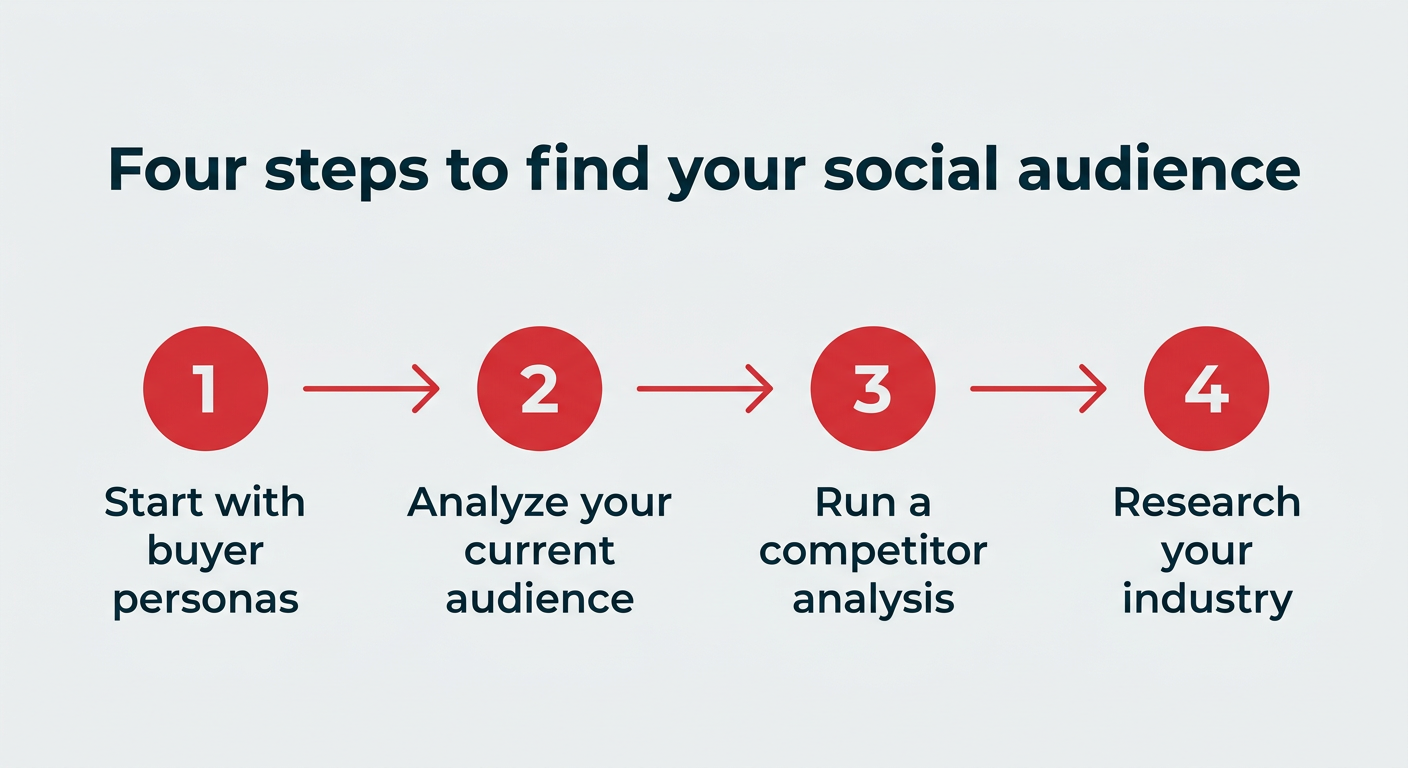
Effectively identifying a social media target audience involves a systematic approach that synthesizes existing customer knowledge with robust data analysis and competitive intelligence. Four core strategies guide this process:
- Start with Buyer Personas and Marketing Goals: The journey begins with established buyer personas, detailed profiles of ideal customers. If these do not exist, their creation is a foundational step. Buyer personas offer a comprehensive snapshot of the desired audience, and while a social media audience may not perfectly align, significant overlap is common. Subsequently, align audience identification with overarching marketing goals. Whether the objective is brand awareness, lead generation, or direct sales, the social media audience will be tailored to support these specific aims. A brand awareness campaign, for example, might necessitate a broader social media audience than a conversion-focused initiative.
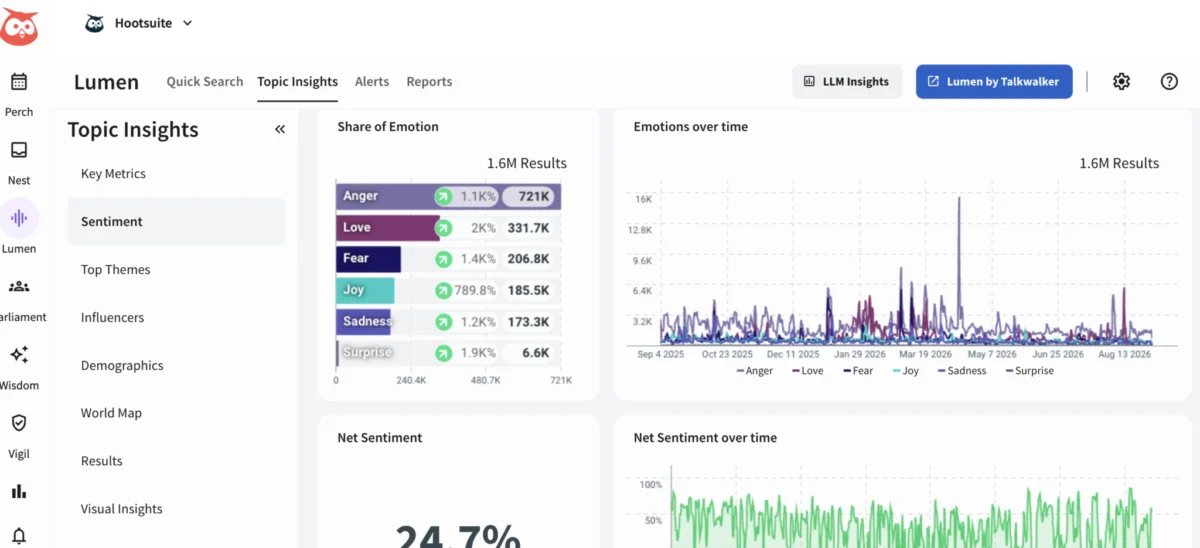
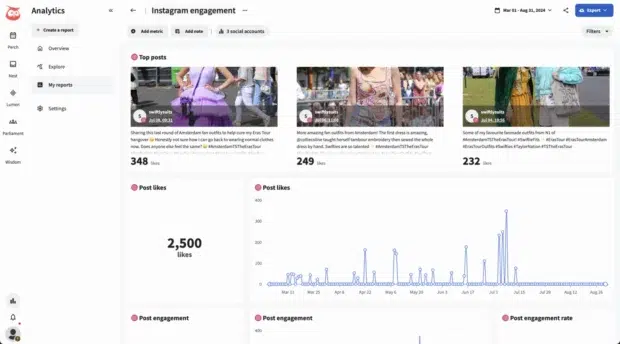
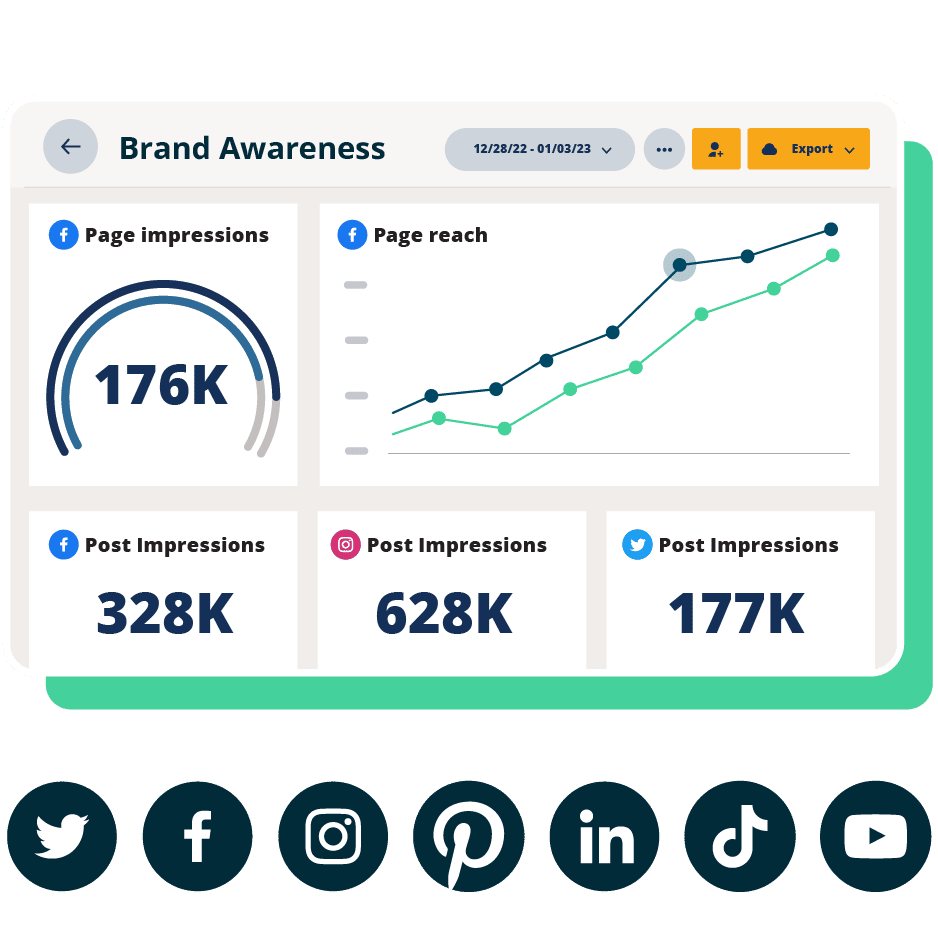
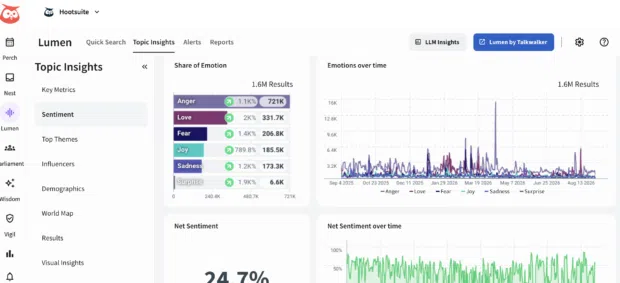
- Analyze Your Existing Social Media Audience: Social media analytics tools provide a rich tapestry of data about current followers and their engagement patterns. Paying close attention to who follows and actively interacts with a brand offers invaluable clues about effective messaging and platform efficacy. Native analytics built into business accounts on individual platforms, or comprehensive tools like Hootsuite Social OS, allow for tracking and comparison of audience demographics, activity times, and content preferences across various channels. Key metrics include follower growth rate per platform, engagement rate by content type, and demographic breakdowns. These insights reveal who is being attracted, what content resonates, and whether this aligns with the intended audience. Advanced listening apps, such as Lumen within Hootsuite Social OS, offer deeper demographic data and sentiment analysis, providing a holistic view of brand interest.
- Run a Competitor Analysis: While a brand’s social media audience won’t be identical to its competitors’, significant learning opportunities arise from analyzing their audience acquisition and engagement strategies. Hootsuite Social OS facilitates competitive benchmarking, revealing competitor fan counts, growth trajectories, and high-performing content formats. Analyzing top hashtags and content types can uncover niche communities or underserved segments. A concrete competitive insight, such as a competitor’s short-form video outperforming static images among a specific age group, offers actionable intelligence. Social listening tools, powered by AI, further enhance this by revealing public sentiment towards competitors and the brand itself, highlighting topics that resonate or miss the mark, and identifying emerging trends.
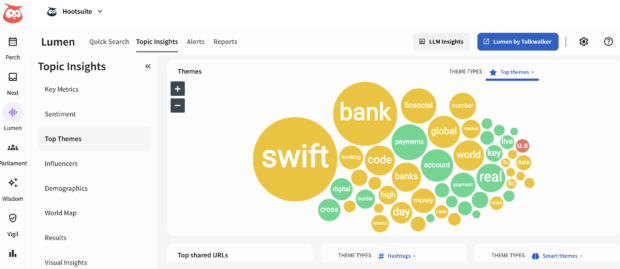
- Research Your Industry on Social Media: A broader industry perspective on social media helps identify the types of content a potential audience seeks. This involves observing recurring topics, common questions, and preferred content formats. Tools like Lumen are instrumental here, showing prevailing industry conversations, user sentiments, and engagement drivers. Crucially, this research can reveal gaps in the conversation—underrepresented topics that a brand could strategically own. It also helps identify key industry influencers and their content approaches, potentially revealing untapped audiences or untested formats. Finally, observing how users engage with similar brands (e.g., clicking for information, comparing options, or making direct purchases) helps refine the target audience and tailor content to their specific stage in the buying journey.
Crafting a Social Media Audience Persona
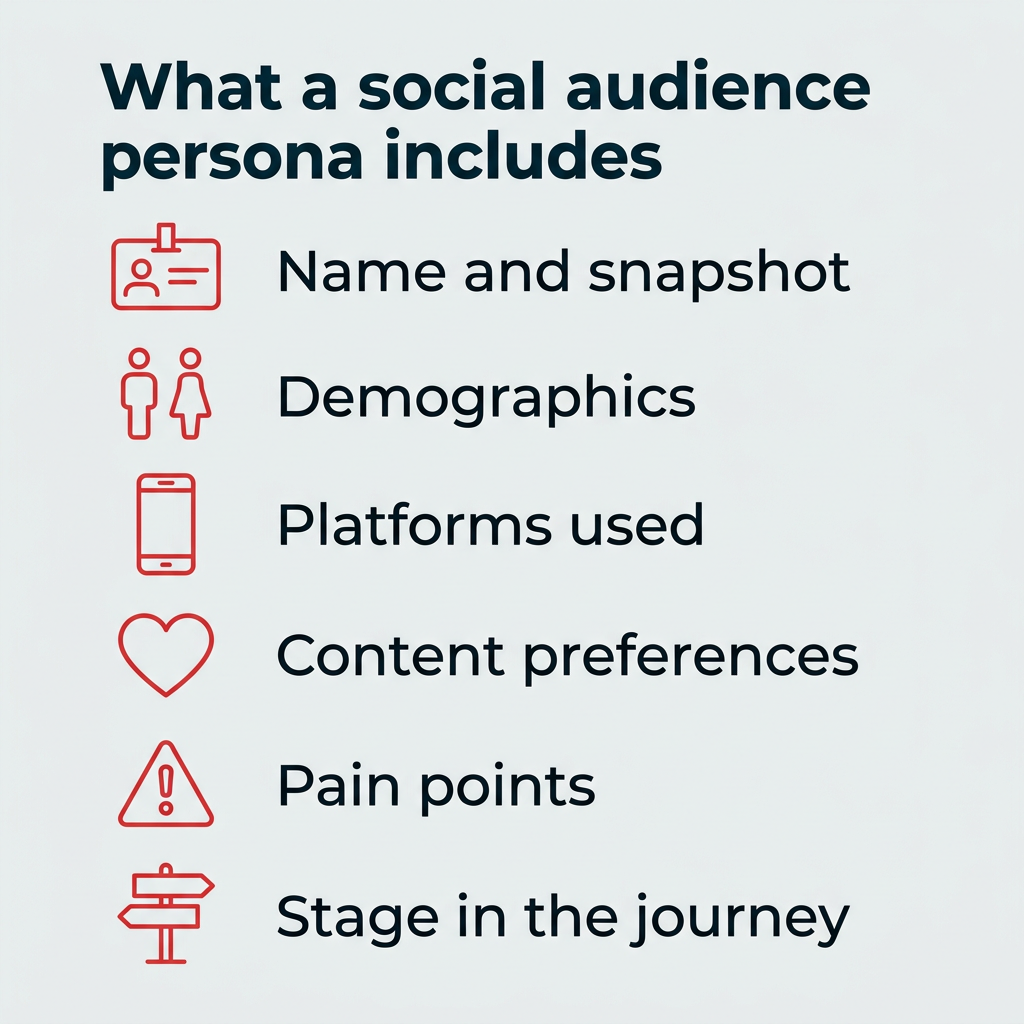
Translating research into an actionable framework involves building a social media audience persona—a concise, one-page profile designed for internal team use. The purpose of this persona is not gratuitous detail but shared understanding. When content creators, designers, and paid media specialists envision the same individual, consistency in messaging and brand representation improves, reducing the need for extensive review cycles.
A robust persona typically includes: a descriptive name and brief snapshot; detailed demographics (age, location, occupation, income); preferred social media platforms and their usage patterns; content preferences (formats, topics, tone); key pain points or challenges the audience faces; and their typical stage in the customer journey. Maintaining conciseness, ideally on a single page, and regularly revisiting the persona as analytics evolve ensures its continued relevance and utility.
Strategic Engagement: Reaching Your Audience Effectively
Once a social media target audience is clearly defined, the subsequent step is to implement strategies that match the right platform, format, and message to each segment, continually refining based on performance data.
- Choose the Right Platforms: Platform selection is paramount. While demographic data provides a starting point (e.g., LinkedIn for professionals, TikTok for Gen Z, Instagram for visual lifestyle content, Facebook for older demographics and community building, YouTube for long-form educational content, X for real-time commentary), testing is essential to confirm platform efficacy for a specific audience. Competitive analysis can also inform this, as strong engagement for similar brands on a platform suggests potential. It is crucial to remember that users engage with different platforms for varying purposes, necessitating tailored content and tone.
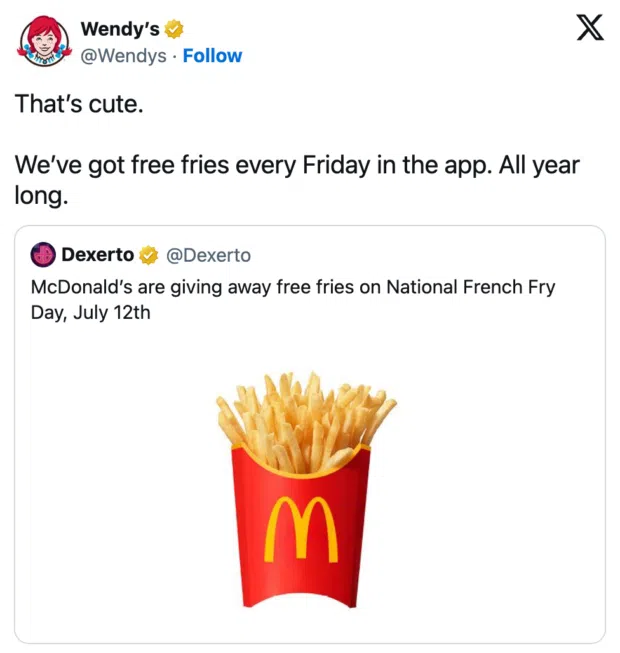
- Develop a Consistent Brand Voice: While a core brand voice should be consistent across all marketing channels, social media allows for a more casual, interactive tone conducive to relationship-building. Wendy’s, for example, is renowned for its playful and cheeky social media voice, particularly in its humorous exchanges with competitors. This consistent, authentic personality fosters engagement and relatability. Research indicates that 56% of consumers desire more relatable brands on social media, and 68% unfollow brands due to repetitive, boring, or inauthentic content. AI content creation tools, such as Wisdom in Hootsuite Social OS, can assist in generating relevant content ideas while maintaining the desired brand tone.
- Create Content Matching Audience Interests: Content that genuinely reflects audience interests is far more likely to garner likes, comments, saves, and shares. This requires understanding what audiences genuinely seek from brands. Generally, users seek relatability and entertainment, but specifics vary significantly across demographic segments. For instance, Baby Boomers often prioritize inspirational content and brand engagement, whereas Gen Z values creativity, entertainment, visual aesthetics, and "good vibes." In-depth audience research, augmented by tools like Lumen, moves beyond generalizations to provide personalized insights into specific conversations and sentiments, enabling highly targeted content creation. Strategies include focusing on storytelling, offering educational value, fostering community, providing entertainment, and encouraging user-generated content.
- Engage Consistently Across Channels: Building a robust social media relationship is a two-way street. Brands must actively engage with their audience. Neglecting comments and messages across multiple platforms is a common pitfall that audiences dislike, particularly in an era where self-promotion without interaction is frowned upon. Tools like Nest, Hootsuite Social OS’s engagement app, consolidate private and public messages from various platforms, ensuring no interaction is missed and facilitating timely, consistent engagement.
- Run Targeted Social Ads: Once the social media target audience is identified, it unlocks the potential for highly targeted social advertising. The more precisely an ad audience is defined, the higher the probable return on investment (ROI). Data suggests that one-third of 18-to-34-year-olds have made purchases directly on social media, compared to only 13% of those aged 55 to 65. Even with optimized organic content and social SEO, not all target audience members will see a brand’s posts. Targeted social ads guarantee content reaches the intended eyeballs. Options include retargeting users who have interacted with content (e.g., Momofuku Goods serving ads for noodles after Instagram recipe engagement), custom audiences based on customer lists, and lookalike audiences.
- Test, Measure, and Refine: The dynamic nature of social media necessitates continuous testing and refinement as an integral part of a social media marketing strategy. Competitor analysis offers inspiration for new ideas, and tools like Lumen help spot emerging trends and approaches. Close monitoring of analytics, especially social sentiment, is crucial for assessing whether new strategies resonate with the target audience. This iterative process ensures that the social media strategy remains agile, relevant, and effective in a constantly evolving digital landscape.
Real-World Applications of Audience Targeting
Concrete examples highlight the power of well-defined audience targeting:
- Momofuku Goods: Home Cooks on Instagram: As previously noted, Momofuku Goods effectively targets home cooks seeking restaurant-quality results with minimal effort. Their Instagram strategy prioritizes recipe posts that align with this audience’s core interest in cooking, subtly integrating their products as valuable enhancements rather than overt advertisements. This audience-first approach fosters authentic engagement and brand loyalty.
- Wendy’s: Entertainment-First Audiences on X (formerly Twitter): Wendy’s caters to younger, humor-driven social media users who follow brands primarily for entertainment. Its distinctive, playful, and often cheeky brand voice, particularly in its interactions and witty banter with competitors, is perfectly suited for X’s fast-paced, personality-driven environment. This approach would likely not translate effectively to a more professional platform like LinkedIn.
- A B2B Software Brand: Practitioners on LinkedIn: A hypothetical B2B software company might target operations managers at mid-sized companies (200-1,000 employees) on LinkedIn who are actively evaluating new tools. Content for this audience would focus on workflow breakdowns, benchmark data, and customer success stories. This segment is typically in the consideration or decision-making stage, requiring proof, detailed information, and tangible benefits rather than broad awareness content.
In each instance, the underlying pattern remains consistent: a clear identification of a specific audience group, content formatted appropriately for the chosen platform, and messaging crafted around the audience’s existing interests and needs.
Common Pitfalls in Audience Targeting

Despite the clear benefits, several common mistakes can undermine social media audience targeting efforts:
- Targeting Too Broadly: A widespread error is attempting to appeal to everyone, resulting in diluted messaging and wasted resources.
- Relying Only on Demographics: While a starting point, demographics alone fail to capture the deeper psychographic and behavioral nuances that drive social media engagement.
- Treating Every Platform the Same: Each social media platform has its unique culture, user base, and content preferences. A one-size-fits-all approach is ineffective.
- Letting Definitions Go Stale: Social media trends and audience behaviors evolve rapidly. Static audience definitions quickly become irrelevant.
- Ignoring Existing Customers: Neglecting current customers as a distinct audience segment misses significant opportunities for retention, upsell, and advocacy.
Most of these errors are correctable through regular review cycles. Integrating audience definition reviews into quarterly reporting ensures they remain current and actionable.

Hootsuite Social OS: A Comprehensive Solution for Audience Engagement
Hootsuite Social OS provides an integrated suite of tools designed to support audience work across all stages, from initial research to publishing and engagement. Its capabilities include: unified analytics to track follower demographics and engagement across platforms; advanced social listening (via Lumen) to uncover audience sentiment, trending topics, and competitive insights; AI-powered content creation (with Wisdom) to generate relevant posts in the appropriate brand voice; and a consolidated social media inbox (Nest) to manage all public and private messages efficiently. Together, these features equip teams with contextual intelligence about their audience and streamlined workflows to act on these insights, minimizing review cycles and maximizing impact.

Key Considerations for Modern Marketers
Identifying a social media target audience involves combining customer knowledge with platform analytics, competitor benchmarking, and social listening data. This process clarifies who follows a brand, what content engages them, and what broader industry conversations are taking place. A well-defined audience ensures content relevance, optimizes platform choices, and allows for measurable results. Brands segment audiences by demographics, psychographics, behavioral signals, purchase intent, and existing customer status, tailoring messaging and calls to action for a personalized experience. Tools like Hootsuite Social OS integrate analytics, listening, and content planning to facilitate this process. Successful strategies prioritize speaking directly to a defined audience, as exemplified by Momofuku Goods’ recipe-centric Instagram. The distinction between a target market (broad business decision) and a social media target audience (channel-specific decision) is crucial for effective marketing. Regularly revisiting audience definitions—at least quarterly or before major campaigns—is essential to adapt to evolving social media landscapes. Social listening is particularly valuable for identifying target audiences by revealing existing conversations, sentiments, and emerging trends related to a brand, industry, and competitors.

Managing a social media marketing strategy efficiently is paramount in today’s digital environment. Tools like Hootsuite offer comprehensive dashboards for publishing, scheduling, finding relevant conversations, measuring results, and engaging with the target audience—all from a single, centralized platform.