admin
admin
The global retail landscape is currently bracing for the most intensive shopping period of the year, as the countdown to Black Friday and Cyber Monday begins in earnest. For brands navigating an increasingly fragmented digital ecosystem, the stakes have never been higher. Industry data suggests that consumer attention is no longer captured through traditional advertising alone; instead, the modern shopper relies heavily on peer-to-peer recommendations and creator-driven content. In this high-pressure environment, marketing experts warn that businesses without a finalized influencer strategy are already trailing their competitors. As the "Cyber Week" phenomenon expands into a month-long promotional marathon, the necessity for a structured, data-driven approach to influencer collaborations has become the definitive factor between record-breaking revenue and lost opportunity.
The Evolution of the Q4 Retail Landscape
The traditional concept of Black Friday has undergone a radical transformation over the last decade. What was once a single day of brick-and-mortar chaos has evolved into a multi-week digital event, often referred to as the "Golden Quarter." According to recent e-commerce reports, social commerce—sales occurring directly through platforms like Instagram, TikTok, and Pinterest—is projected to grow significantly in 2025. This shift is driven by a fundamental change in consumer psychology: shoppers are looking for authenticity and "social proof" before committing to a purchase.
Influencer marketing has emerged as the primary vehicle for this social proof. However, as the market becomes more saturated, the cost of acquisition (CPA) typically spikes during November. To mitigate these rising costs, brands are moving away from sporadic, last-minute posts and toward comprehensive, multi-phased campaigns. This news report explores the essential framework required to navigate this complexity, structured through the lens of operational excellence and strategic foresight.
Phase 1: Strategic Planning and Data Integration
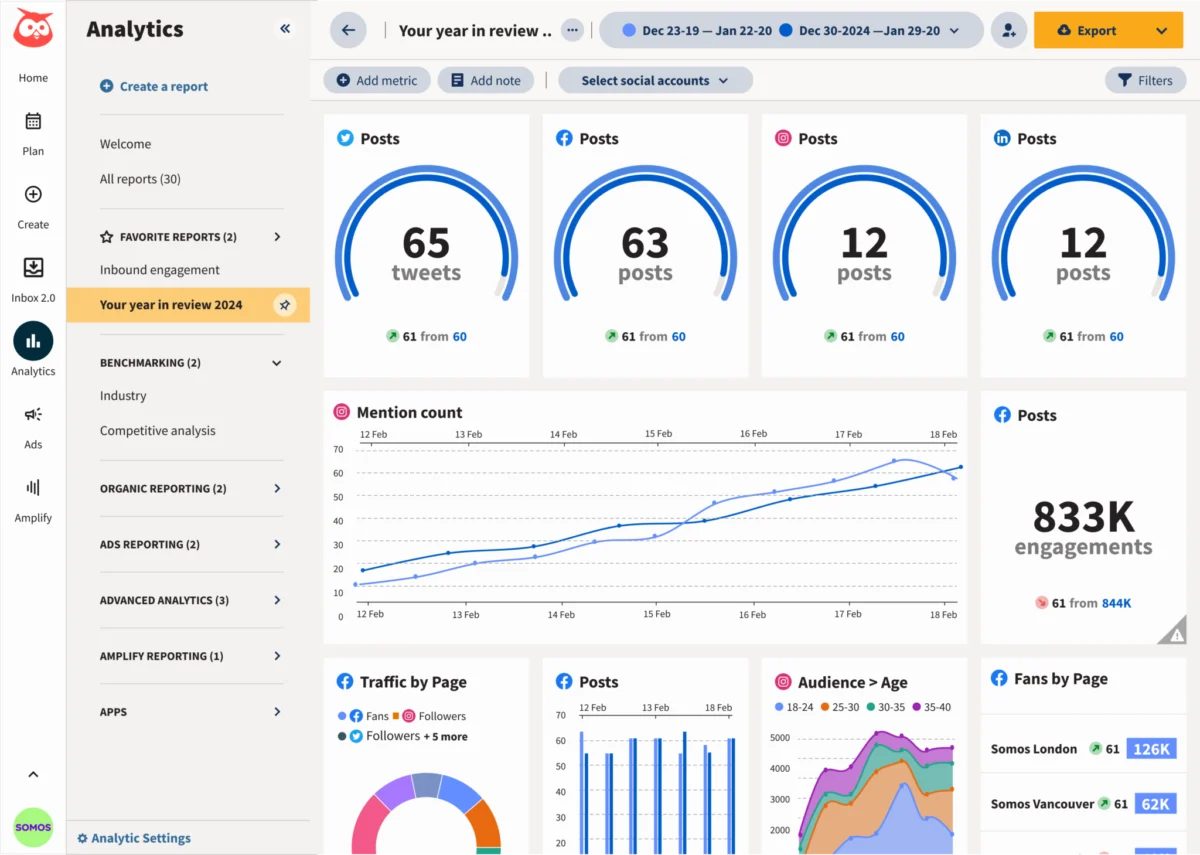
The foundation of any successful Black Friday initiative lies in the preliminary planning stage, which ideally commences several months before the holiday. Objective-setting in 2025 has moved beyond mere "brand awareness" to focus on hard performance metrics. CMOs and digital marketing directors are increasingly prioritizing Key Performance Indicators (KPIs) such as Return on Ad Spend (ROAS), new customer acquisition rates, and specific discount code redemptions.
Setting the Financial and Analytical Tone
Budget allocation for the holiday season must account for more than just influencer fees. A professional journalistic analysis of current market trends indicates that "creator rates" can increase by 20% to 50% during the peak Q4 period. Therefore, a robust budget must include provisions for product seeding, paid social amplification (whitelisting), and a contingency fund for unexpected logistical hurdles.
Furthermore, audience research has become a high-tech endeavor. Brands are no longer targeting broad demographics; they are utilizing granular customer data to identify exactly where their "high-intent" shoppers spend their time. For instance, while Instagram remains the leader for aesthetic lifestyle products, TikTok has become the undisputed champion for "viral" product demonstrations that drive immediate impulse buys.
Phase 2: The Shift Toward Micro-Influencer Efficacy
A significant trend observed in the 2024-2025 cycle is the strategic pivot toward micro and nano-influencers. While "mega-influencers" offer massive reach, their engagement rates often dilute during the high-noise environment of Black Friday. In contrast, creators with 10,000 to 50,000 followers often maintain a more dedicated and trusting community.
Selection Criteria and Brand Alignment
The selection process is now a rigorous audit. Brands are looking for more than just a high follower count; they are analyzing "comment-to-like" ratios and the sentiment of historical interactions. A creator’s past performance during seasonal sales is a critical metric. Industry analysts suggest that influencers who have successfully navigated previous Black Friday campaigns possess the unique ability to create "urgency" without alienating their audience through over-promotion. This balance is vital for maintaining brand integrity in the long term.
Phase 3: Professionalized Outreach and Negotiation
As the holiday season approaches, the average influencer’s inbox becomes a bottleneck of competing offers. To secure top-tier talent, brands are adopting a more personalized, professionalized outreach strategy. Generic templates are being replaced by tailored proposals that reference specific past content, demonstrating a genuine interest in the creator’s work.
Transparency in Requirements
Clarity is the currency of successful collaborations. Professional briefs in 2025 now include exhaustive details: specific sale durations, mandatory hashtags for legal compliance (such as #ad or #sponsored), exact product features to highlight, and strict deadlines for content submission. By removing ambiguity during the negotiation phase, brands can significantly reduce the "back-and-forth" that often causes delays during the critical weeks of November.
Phase 4: Logistical Fortification and Content Briefing
One of the most frequent points of failure in holiday marketing is logistical mismanagement. Shipping delays, stockouts, and fulfillment bottlenecks can cripple a campaign before it goes live.
The Criticality of Product Seeding
Leading brands are now shipping products to creators weeks in advance. This ensures that influencers have ample time to interact with the product, resulting in more authentic and high-quality content. A "collaborative briefing" approach is also gaining traction, where brands provide the core messaging but allow creators the freedom to adapt the "hook" to fit their unique voice. This creative autonomy is statistically linked to higher engagement rates, as audiences are quick to dismiss content that feels overly scripted or corporate.
Phase 5: Content Approval and Risk Mitigation
In the final days leading up to the "Go-Live" date, the focus shifts to quality control and contingency planning. The sheer volume of content produced during Black Friday requires a centralized system for approvals to ensure that every post aligns with the brand’s visual identity and promotional accuracy.
Preparing for the Unpredictable
A hallmark of a sophisticated marketing department is the "backup influencer" strategy. Even the most reliable creators can face personal emergencies or technical issues. By maintaining a secondary tier of "standby" influencers—often those with whom the brand has a pre-existing relationship—companies can ensure their promotional calendar remains intact even if a primary partner fails to deliver.
Phase 6: Execution and Real-Time Optimization
When the campaign officially launches, the role of the marketing team shifts from planning to active monitoring. This is the "Going Live" phase where the theoretical plan meets the reality of the digital marketplace.
The Importance of Technical Verification
On the morning of the launch, digital teams must perform rigorous testing of all tracking links and discount codes. A broken link during the first hour of a Black Friday sale can result in thousands of dollars in lost revenue. Furthermore, real-time performance monitoring allows brands to be agile. If a specific influencer’s post is performing exceptionally well, teams may choose to immediately allocate additional "dark post" budget to amplify that specific piece of content to a broader audience.
Phase 7: The Post-Mortem and Long-Term Relationship Building
The conclusion of Cyber Monday does not mark the end of the campaign. The "Post-Mortem" phase is arguably the most valuable for future growth. By conducting a deep dive into the data, brands can identify which creators delivered the highest ROI and which platforms yielded the lowest CPA.
Strengthening the Creator Ecosystem
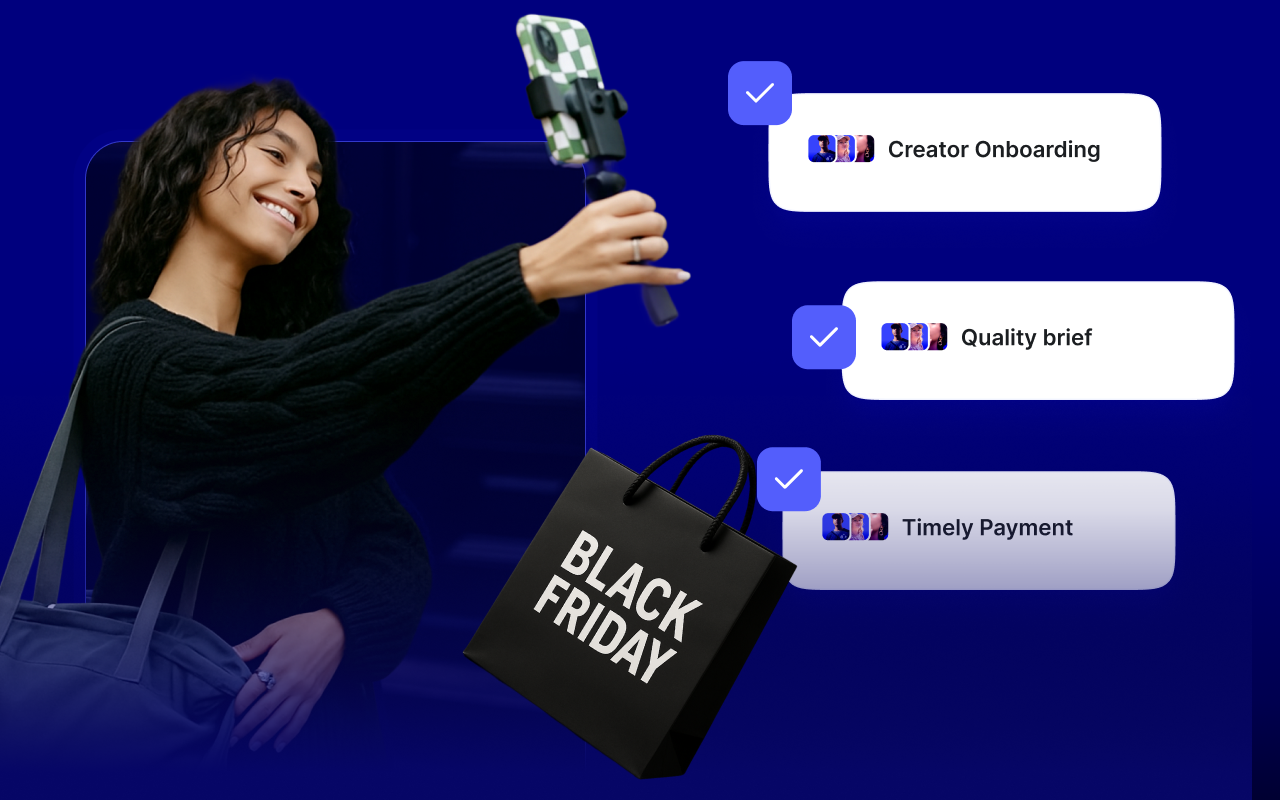
Beyond the data, the post-campaign period is an opportunity to solidify professional relationships. Influencers who are paid promptly and thanked for their contributions are far more likely to prioritize the brand for future collaborations, such as the upcoming Christmas and New Year seasons. Industry experts emphasize that influencer marketing is moving away from transactional "one-offs" and toward "always-on" partnerships that build sustained brand equity.
Broader Impact and Industry Implications
The strategies outlined in this report reflect a broader shift in the global retail economy. As traditional television and print media continue to decline in effectiveness, the "humanization" of brands through influencer marketing has become a structural necessity. The success of a Black Friday campaign in 2025 is no longer just about the depth of the discount; it is about the precision of the distribution and the authenticity of the messenger.
Furthermore, the rise of AI-powered tools in this space—such as those offered by platforms like Upfluence—has democratized access to high-level analytics. Small and medium-sized enterprises (SMEs) can now compete with global conglomerates by using data to find niche influencers who offer high conversion rates at a fraction of the cost of traditional celebrity endorsements.
In conclusion, the Black Friday period remains the ultimate litmus test for a brand’s digital maturity. Those who approach the season with a structured, step-by-step framework—emphasizing planning, creator alignment, and data-driven optimization—are positioned to thrive. As the digital marketplace continues to evolve, the integration of human creativity with analytical precision remains the gold standard for retail success. The 2025 holiday season will likely be remembered as the year when "community-driven commerce" officially became the dominant force in the global shopping experience.