Crafting impactful public relations campaigns in today’s dynamic media landscape is a formidable challenge, demanding not only creativity but also a robust, data-backed strategy. The ability to consistently generate top-tier campaign ideas, find the time for their meticulous development, and confidently assert their potential for success requires a disciplined approach that transcends mere intuition. Fortunately, by integrating thorough research and drawing inspiration from proven methodologies, PR professionals can significantly elevate the probability of their campaigns achieving widespread recognition and measurable results. This article delves into a comprehensive, two-step process for developing highly successful digital PR campaigns, leveraging powerful content intelligence tools and strategic execution to secure coveted media coverage and robust social engagement.
The Evolution of PR: From Pitching to Proactive Intelligence
The public relations industry has undergone a significant transformation, evolving from traditional media relations focused primarily on press releases and reactive responses to a proactive, data-centric discipline known as Digital PR. In an increasingly saturated digital environment, simply pitching a story is no longer sufficient. Brands and agencies must now demonstrate an acute understanding of what captivates audiences, what resonates with journalists, and what drives online conversations. This shift underscores the critical need for robust content intelligence tools, which provide invaluable insights into trending topics, audience sentiment, and competitive landscapes. Tools like BuzzSumo’s Content Analysis Report have become indispensable for practitioners seeking to move beyond guesswork and anchor their creative ideas in verifiable data, thereby de-risking campaigns and maximizing their potential reach and impact.
Step 1: Unearthing Resonant Themes and Emotional Triggers
The foundational step to a successful PR campaign lies in understanding the digital heartbeat of your target audience and the media ecosystem. This involves a deep dive into identifying content themes that consistently generate high engagement and evoke strong emotional responses. Success in this context is primarily defined by securing valuable media coverage and backlinks from reputable sites, with social engagement serving as a crucial secondary Key Performance Indicator (KPI).
The initial phase of this research does not necessitate a fully formed campaign idea. Rather, it focuses on exploratory data gathering to uncover fertile ground for ideation. Begin by utilizing content analysis tools to research key terms related to your client or brand’s core offering. For instance, if a client specializes in honeymoon packages, start with broad terms like "Honeymoons" and then progressively branch out to related, yet distinct, areas such as "Weddings," "Engagement Rings," or even "Destination Travel." This iterative process of keyword exploration helps to map the content landscape surrounding your brand, revealing both direct and tangential areas of public interest.
Mapping the Digital Content Landscape
Content analysis reports typically provide a wealth of data, including the volume of articles published over time, average social shares across various platforms, and, critically, the emotional sentiment associated with content. By analyzing these metrics, PR professionals can identify themes that are:
- Consistently Talked About: Indicating sustained media interest and a broad audience appetite.
- Consistently Shared and Linked: Signifying high reader engagement and journalistic value.
For the "Honeymoons" example, an analysis might reveal consistent coverage around aspirational travel, romantic gestures, and financial planning for weddings. Expanding to "Engagement Rings" could uncover strong emotional drivers related to personal stories, trends, and investment value. This systematic exploration allows for the identification of a core theme that boasts significant existing coverage and, crucially, active reader engagement. The goal is to identify a thematic "sweet spot" – a topic that is both relevant to the brand and demonstrably resonates with the public.
The Psychology of Engagement: Harnessing Emotion
Beyond mere topic popularity, understanding the emotional undercurrents of content is paramount. Research consistently shows that content evoking strong emotions—whether positive or negative—is significantly more likely to be shared and discussed. Emotions such as awe, joy, anger, sadness, and even anticipation can act as powerful triggers for virality. By analyzing the sentiment expressed in comments and shares on articles related to your chosen themes, you can pinpoint the dominant emotions these topics evoke. This insight is invaluable for crafting a narrative that taps directly into existing audience sentiment, increasing the likelihood of media pickup and audience resonance.
Case Study: A World Without Light Pollution
Consider a campaign executed for a brand selling star maps, a product inherently linked to the beauty of the night sky. Initial research might show that "Star Maps" as a standalone theme lacks sufficient media traction for a large-scale campaign. However, branching out reveals more promising avenues:
- Secondary Theme 1: Supermoons: High social engagement, offering opportunities for reactive PR due to their recurring nature.
- Secondary Theme 2: Night Sky: Consistent social engagement, signifying a broad interest in celestial phenomena.
- Secondary Theme 3: Light Pollution: Demonstrates significant social engagement, is a current topic of discussion, and offers broader scope for creative ideas.
A deep dive into "Light Pollution" at the time of the campaign’s conception (circa 2020-2021) revealed a booming trend. The launch of SpaceX satellites raised concerns about increasing artificial light, while the global COVID-19 lockdowns simultaneously brought general pollution (including air pollution) into sharp focus. This confluence of events created a timely and highly relevant context for a campaign centered on light pollution.
Further emotional analysis of articles on light pollution revealed two primary reactions: profound sadness over the loss of natural night skies and a sense of "wow factor" when imagining clear, star-filled vistas. This emotional blueprint directly informed the campaign’s creative direction: a visual project showcasing how the world’s most light-polluted cities would appear without light pollution. This not only tapped into environmental concerns but also evoked a shared human longing for connection with the cosmos, ensuring strong emotional resonance and media appeal.
Case Study: The Footballer Car Cost Calculator
Another illuminating example stems from a client specializing in private number plates, a product often associated with luxury and aspirational lifestyles. Initial research into "Private Number Plates" might yield some humorous content but perhaps not enough depth for a major campaign. The strategy then shifted to exploring aspirational lifestyle themes:
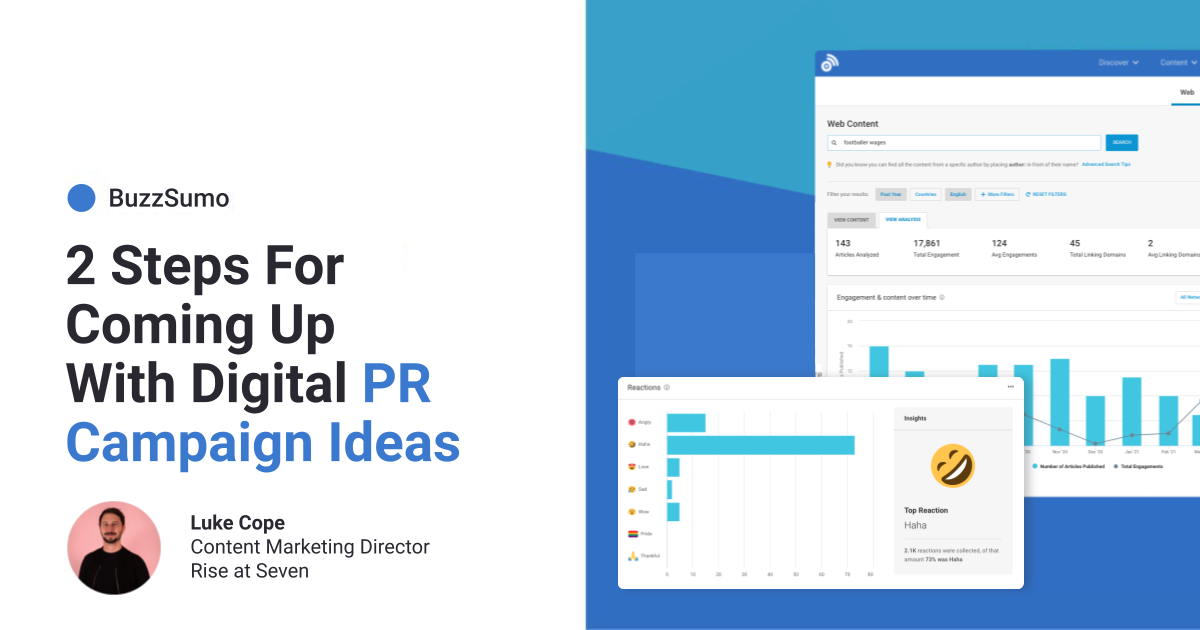
- Secondary Theme 1: Celebrity Cars: Consistently high article production.
- Secondary Theme 2: Footballers’ Cars: Abundant content with significant engagement in comment sections.
Analysis of reader comments on articles about footballers’ cars revealed a dominant emotional response: strong feelings of anger, envy, and competitiveness. Readers often compared their own financial situations to the lavish spending of athletes, sparking heated debates and a clear sense of social comparison. This insight led to the creation of an interactive "Footballer Car Cost Calculator." This tool allowed users to literally compare their own earnings and purchasing power against the cost of luxury vehicles owned by famous footballers, transforming a latent emotion into a tangible, interactive experience. The campaign successfully leveraged these powerful emotions, generating extensive media coverage by tapping into public fascination with wealth disparity and celebrity culture.
Step 2: Crafting Impact – Format, Depth, and Angles
Once a compelling theme and its underlying emotional triggers have been identified, the next critical step is to determine the absolute best format for the campaign and to imbue it with significant depth and multiple outreach angles. A brilliant idea can fall flat if presented in an unsuitable format.
Format as a Strategic Choice
The chosen format must amplify the campaign’s core message and emotional impact. For instance, the "light pollution" campaign would have lost its "wow factor" if presented as a simple blog post. Instead, an interactive slider, allowing users to toggle between "before" (light-polluted city) and "after" (star-filled sky) images, provided a compelling visual and interactive experience. This interactivity was crucial for conveying the campaign’s emotional depth and making the abstract concept of light pollution viscerally tangible.
Similarly, other campaign examples highlight the importance of format:
- "Touch the Germs" (Implicitly Staveley Heads): A campaign on surface cleanliness could have been a basic graphic or data list. However, the team went further, building a highly interactive microscope function that allowed users to "explore" germ levels. This elevated a practical topic into an engaging and educational experience, leading to significant media attention, including commentary from political figures like the Mayor of London, underscoring the potential for campaigns to influence public discourse.
- "Footballer Car Cost Calculator": An interactive calculator transformed abstract wealth comparisons into a personalized, engaging tool.
- "iPods Visualized as Vinyl" (Mark Johnstone): This campaign demonstrated that effective formats don’t always need to be complex. The simple, evocative visual comparison of modern digital music players with classic vinyl records tapped into nostalgia and cultural commentary, proving that elegant simplicity can be profoundly impactful.
Adding Layers of Depth and Nuance
Beyond the primary format, adding layers of depth and developing multiple angles significantly increases a campaign’s versatility and appeal to a wider range of media outlets. A single, strong angle is a good start, but a multi-faceted approach ensures broader appeal.
For the light pollution campaign, the primary angle highlighted that "85% of Americans had never seen the Milky Way." This striking statistic immediately resonated with a sense of loss and wonder. To add further depth, the campaign integrated data from the Bortle scale, a widely recognized system for measuring sky darkness. This allowed for a scientific comparison, illustrating how cities rated 10 on the Bortle scale (most polluted) could transform into a 1 (pristine night sky). Moreover, the strategic decision to expand the campaign’s scope from a purely U.S. focus to a global one broadened its appeal, recognizing light pollution as a universal issue. This multi-layered approach provided numerous hooks for journalists, from environmental reporters to science and lifestyle editors.
The "Space Junk" campaign by Aira for RS-Online, while visually appealing and conceptually strong, serves as an example of potential missed opportunities for added depth. While it effectively visualized "who owns all the space junk" by country, it could have been significantly enriched. Imagine adding:
- Historical Timeline: Visualizing the accumulation of space debris since the 1960s.
- Future Projections: Modeling what space junk might look like in 50 or 100 years.
- Types of Debris: Breaking down the composition of space junk (e.g., defunct satellites, rocket fragments).
- Environmental and Economic Impact: Discussing the risks to active satellites and future space missions.
By incorporating such elements, a campaign can transform from a compelling infographic into a comprehensive, interactive resource that offers multiple entry points for media coverage and academic interest.
The "footballer car cost calculator" also benefited from depth and multiple angles. Beyond the direct comparison, it generated various data points that could be spun into numerous headlines: "How many years would it take an average person to afford [X footballer’s car]?" or "The most exorbitant cars owned by Premier League stars." These simple, data-driven angles provided ready-made narratives for financial, sports, and lifestyle publications.
Strategic Outreach and Data-Backed Validation
The initial research conducted in Step 1 becomes invaluable not only for ideation but also for the subsequent outreach phase. By revisiting the content analysis reports, PR teams can export lists of journalists and publications that have previously covered the identified themes. This creates a highly relevant seeding list, ensuring that pitches are directed to individuals already demonstrating an interest in the subject matter. BuzzSumo, for instance, allows users to save journalist profiles to projects and export their contact details, streamlining the outreach process. Studies on journalist pitching consistently emphasize the importance of relevance and personalization; leveraging initial research ensures pitches are timely, targeted, and therefore, more likely to succeed.
Furthermore, presenting the depth of research into themes, emotions, and successful formats can significantly de-risk the internal approval process for new campaign ideas. By packaging the findings from the content analysis report—showcasing engagement trends, emotional resonance, and successful formats from past campaigns—PR professionals can present a compelling, data-backed case to clients or internal stakeholders. This approach moves beyond subjective opinion, replacing "I think this will work" with "The data indicates this theme resonates strongly, evokes [X] emotion, and this format has proven successful in similar contexts." This analytical rigor fosters greater confidence and aligns teams around a strategic vision, ultimately securing buy-in for even the most ambitious concepts.
Key Takeaways for Digital PR Success:
- Research is Paramount: Consistently explore engagement levels and production volumes around multiple themes to identify fertile ground for PR campaign ideas.
- Emotional Resonance is Key: Ensure your campaign taps into at least one strong emotion—be it awe, joy, anger, or sadness—to maximize shareability and media appeal.
- Format for Impact: Match your ideas to the most effective format. This will vary dramatically from idea to idea; a visual story demands an interactive infographic, while a comparative piece might thrive as a calculator.
- The Power of Contrast: Generate emotional responses by comparing disparate realities (e.g., footballer wages vs. average wages, light-polluted skies vs. mesmerizing galaxy views).
- Cultivate Depth: Add as much detail, data, and nuance as possible to your ideas. This creates a wealth of angles and narrative hooks, significantly expanding your outreach potential.
By meticulously combining data-driven ideation with thoughtful execution, PR professionals can move beyond speculative creativity and consistently deliver campaigns that capture media attention, engage audiences, and drive tangible results for brands. This systematic approach ensures that every campaign launched is not just a creative endeavor, but a strategically validated initiative poised for success across the digital landscape.