Muslim
The landscape of retail and digital marketing has undergone a seismic shift, moving away from traditional television and print advertisements toward a creator-led ecosystem that prioritizes authenticity and social proof. As the 2026 holiday shopping season approaches, new data reveals that the success of a Black Friday campaign is no longer determined by the depth of the discount alone, but by the precision of its timing and the choice of the creators delivering the message. Recent analysis of over 600,000 social media posts indicates that the window for capturing consumer attention opens far earlier than many brands anticipate, with more than half of all creator-driven Black Friday content going live well before the actual week of the event.
In 2025, digital commerce reached unprecedented heights. According to data from Adobe Analytics, U.S. shoppers spent a record-breaking $11.8 billion online on Black Friday, a significant increase from the $10.8 billion recorded the previous year. This growth was mirrored in the Shopify ecosystem, where merchants reported $14.6 billion in sales over the Black Friday to Cyber Monday (BFCM) weekend—a 27% increase over 2024. For more than 94,000 of these merchants, the weekend represented their highest-grossing sales day in history. These figures underscore the massive opportunity available to brands, but they also highlight a increasingly crowded marketplace where traditional "noise" makes it difficult for individual labels to stand out without a sophisticated influencer strategy.
The Timing Problem: Why October is the New November
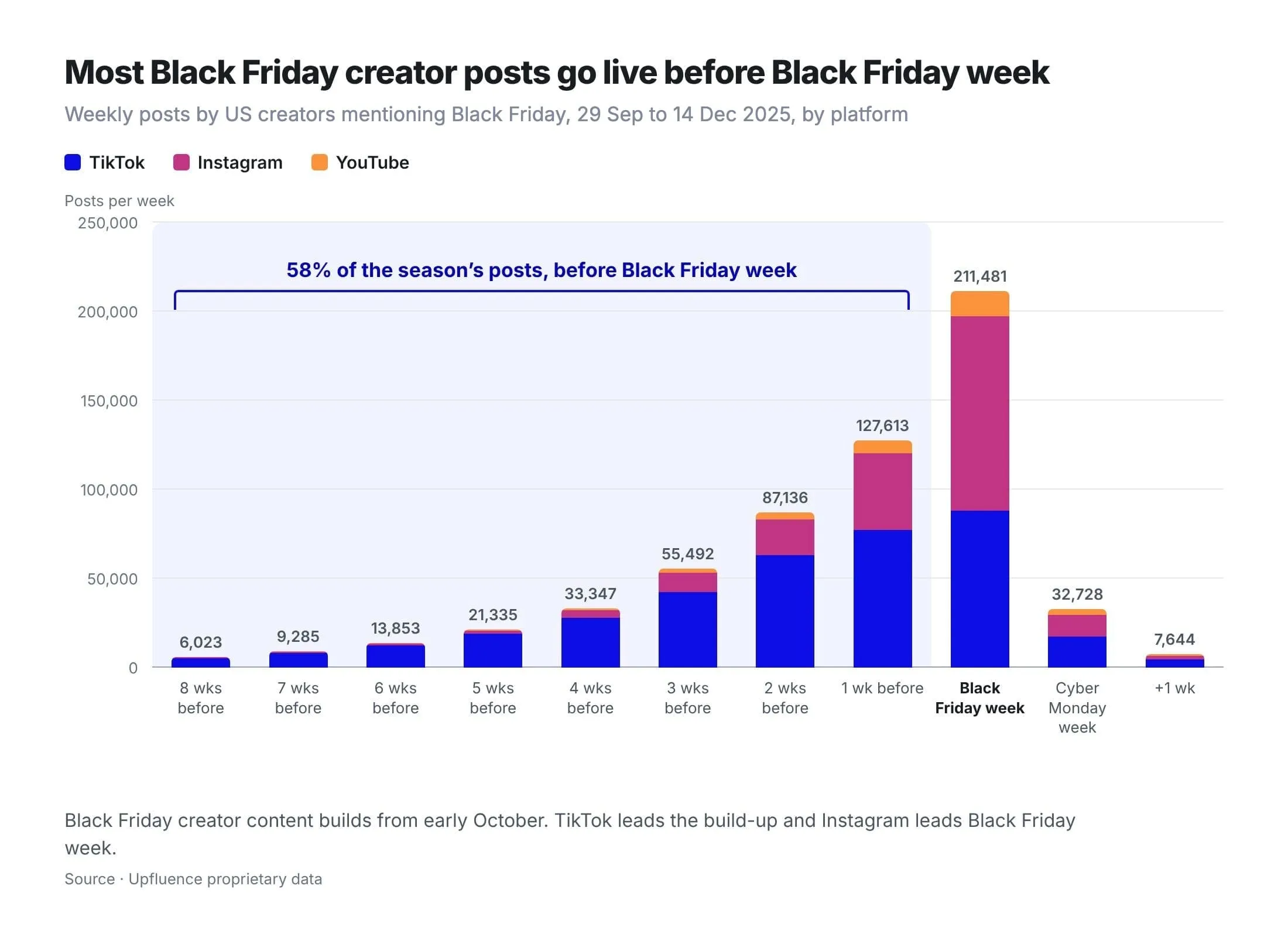
The most critical finding for the 2026 season is that a Black Friday strategy built on creators is primarily a timing challenge. Historical data from the previous season shows that 58% of Black Friday creator posts went live before the actual week of the holiday. Only 35% of posts occurred during Black Friday week itself, and a mere 7% followed in the days after. This suggests that by the time many brands are finalizing their "Day-of" social media assets, the majority of shoppers have already been influenced by early-access content, gift guides, and teaser videos.
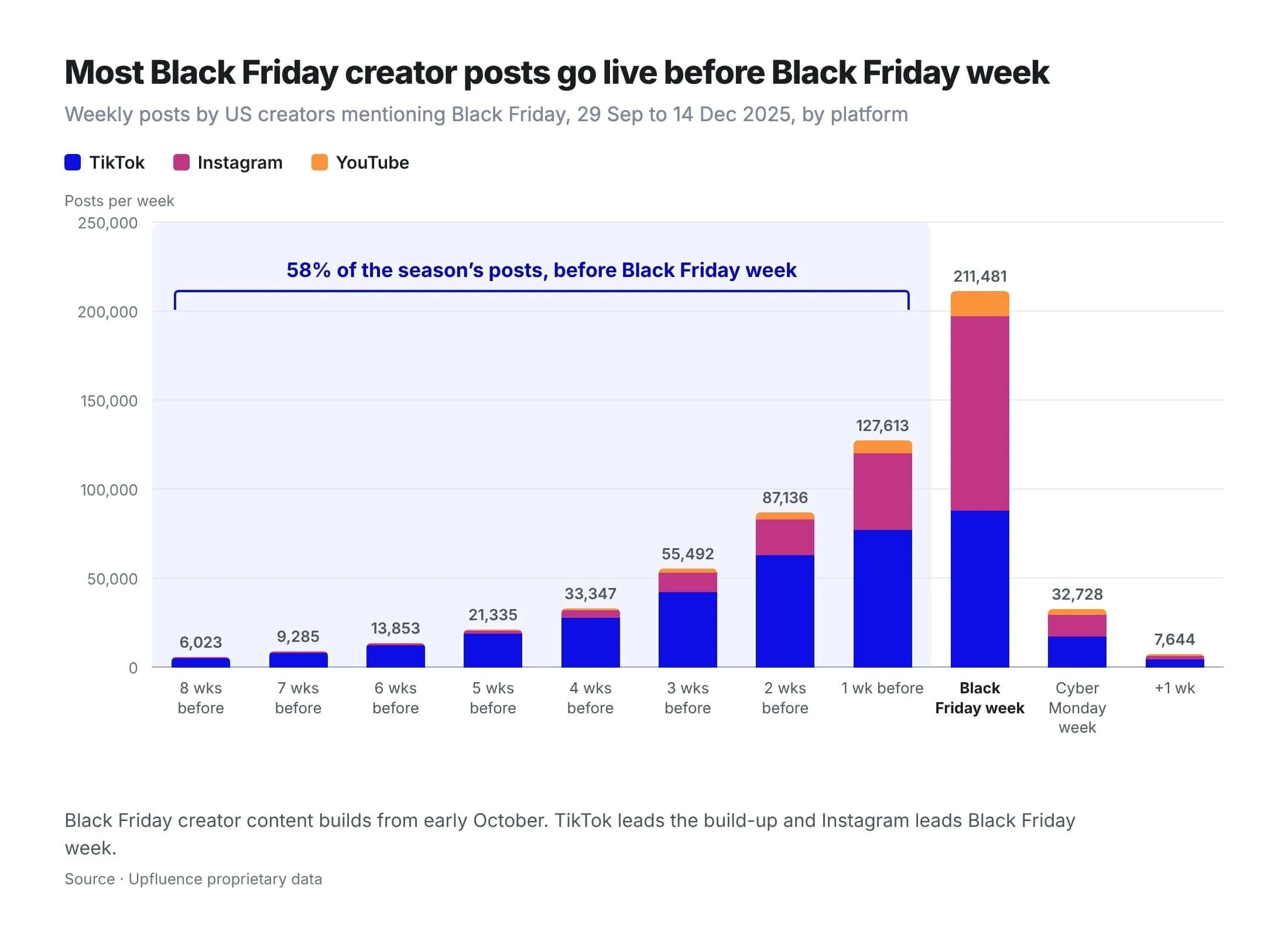
The build-up to the shopping peak is steep and starts as early as late September. Between the second week of October and Black Friday week, the volume of social media posts mentioning Black Friday grows by approximately 23 times. Specifically, the three-week window from November 2 to November 22 accounts for nearly 45% of the total seasonal content. For brands, this means that waiting until late November to brief creators results in a significant loss of "share of mind." Industry experts now recommend a "backward-planning" model, where offers are locked in by mid-October and the first wave of content—focused on education and discovery—hits feeds by early November.
Platform Dynamics and the Consumer Journey
Not all social media platforms serve the same purpose during the holiday rush, and their usage patterns vary significantly as the month progresses. Understanding these nuances is essential for effective budget allocation.
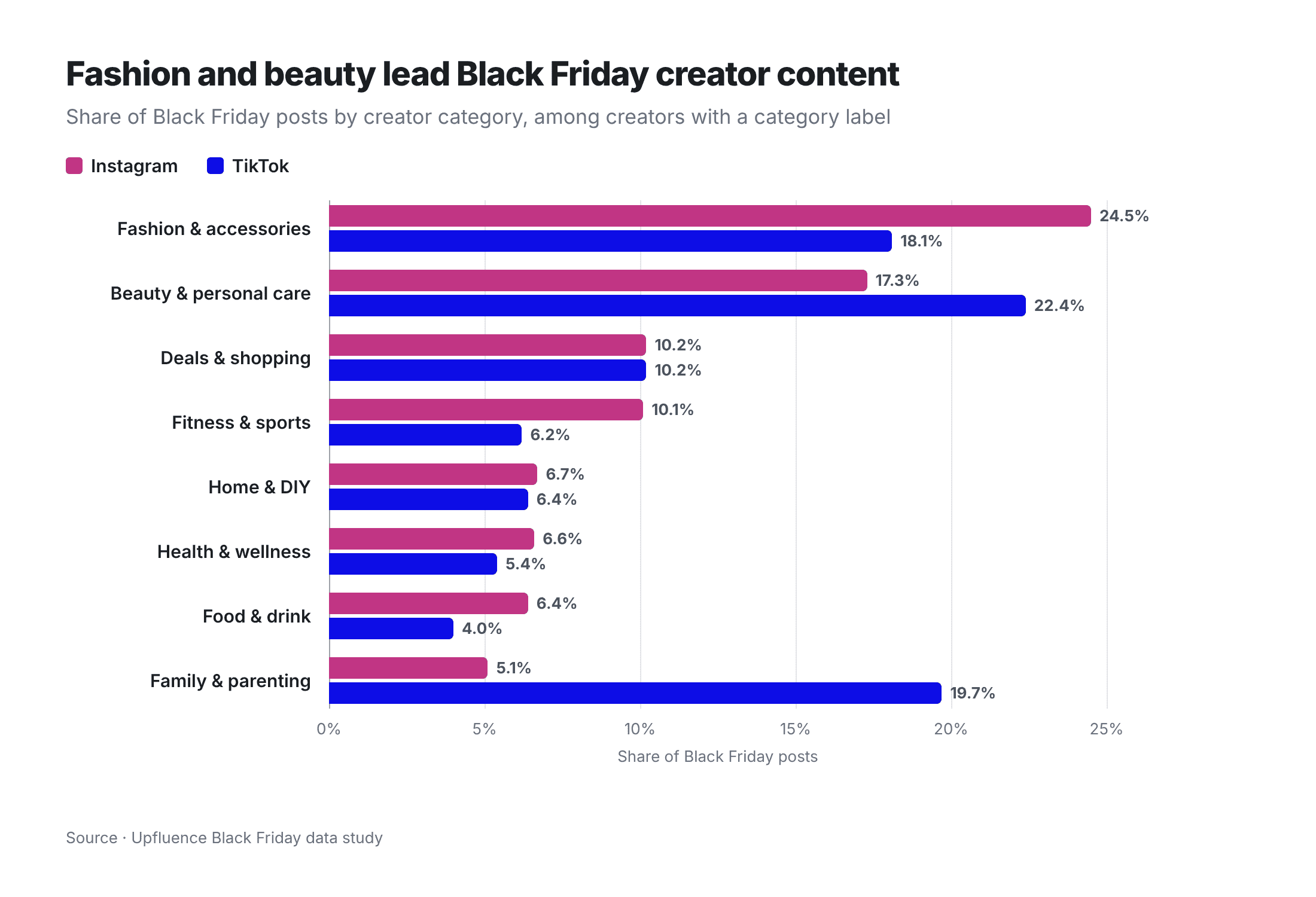
TikTok has emerged as the primary engine for early discovery. Last season, TikTok accounted for 84% to 90% of all Black Friday-related creator posts in October. The platform’s algorithm-driven feed is ideal for "teasers" and "hauls" that plant seeds of desire in consumers’ minds weeks before they intend to purchase. Because TikTok is often used for impulse discovery, it serves as the top-of-funnel entry point for many holiday shoppers.
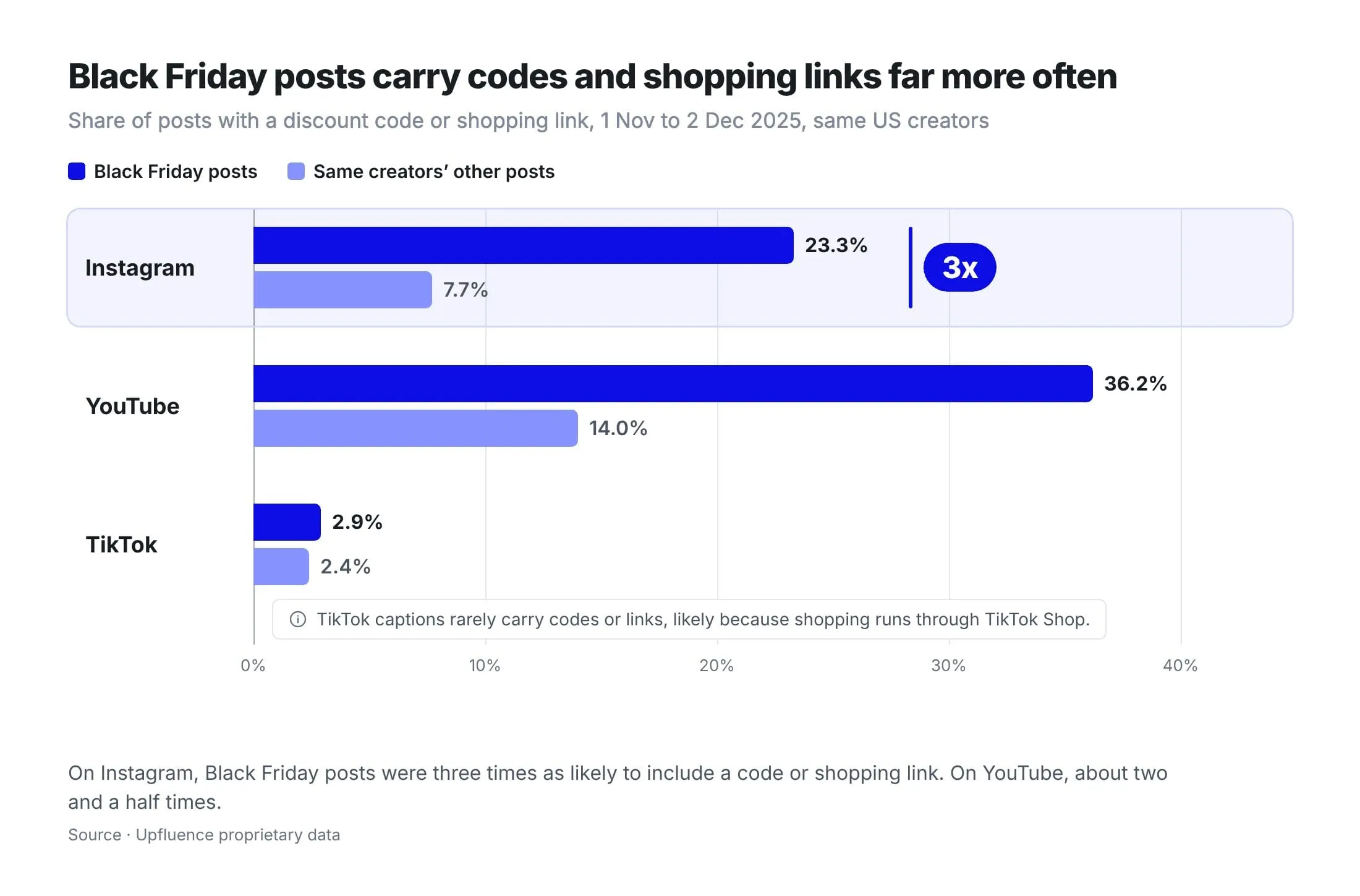
Instagram, conversely, remains the dominant force for the "conversion" phase. While it starts slower than TikTok in October, Instagram’s volume surges during Black Friday week, eventually accounting for 52% of all related posts during that peak period. The platform’s "Stories" and "Reels" features, combined with high-intent shopping cues like "link in bio" or direct product tags, make it the preferred tool for driving immediate sales. Data shows that Instagram posts during this period carry three times more discount codes and shopping links than at any other time of the year.
YouTube occupies a unique niche, particularly for high-ticket items. While it accounts for a smaller percentage of total posts (approximately 6%), its influence on research-heavy purchases is unparalleled. Long-form video allows for deep-dive reviews and comparisons, which are essential for shoppers looking to justify larger investments in electronics, home appliances, or luxury goods.
The Strategic Shift Toward Micro-Creators
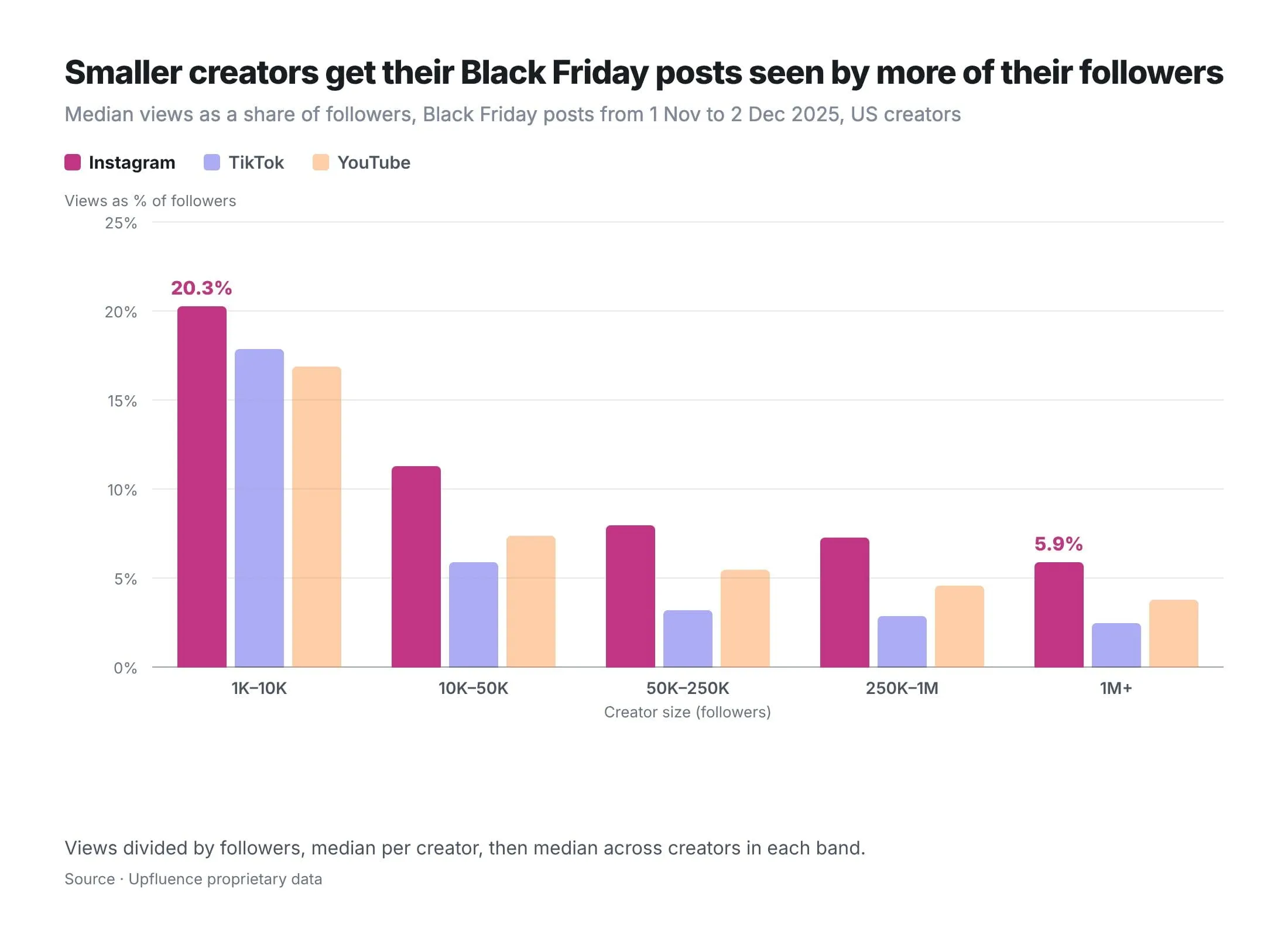
A common misconception among marketing teams is that larger follower counts equate to higher sales. However, 2025 performance data suggests the opposite. During the high-noise environment of Black Friday, smaller creators—those with 1,000 to 10,000 followers—often outperform their "mega-influencer" counterparts in terms of relative reach and engagement.
On Instagram, Black Friday posts from micro-creators reached a median audience equal to 20% of their follower count. In contrast, accounts with over one million followers saw their reach drop to just 6% of their total audience. This "reach slope" was consistent across TikTok and YouTube as well. The implication for brands is clear: a diversified portfolio of smaller, highly engaged creators can often deliver a higher return on investment (ROI) and a more authentic connection with niche audiences than a single high-cost partnership with a celebrity-tier influencer.
Furthermore, the quality of engagement matters more than the quantity. Brands are encouraged to move beyond basic demographics and analyze the "psychographics" of a creator’s audience. A luxury brand partnering with a creator whose followers are primarily budget-conscious students will likely see poor conversion rates, regardless of how many "likes" a post receives. The most successful campaigns focus on creators whose followers ask specific questions about product sizing, shipping, and durability—behaviors that indicate a high intent to purchase.
Content Formats that Drive Conversion
To combat "ad fatigue" during a week when consumers are bombarded with promotional emails and banners, creator content must be wrapped in formats that provide intrinsic value. Data identifies three specific formats that consistently outperformed standard promotional posts last season:
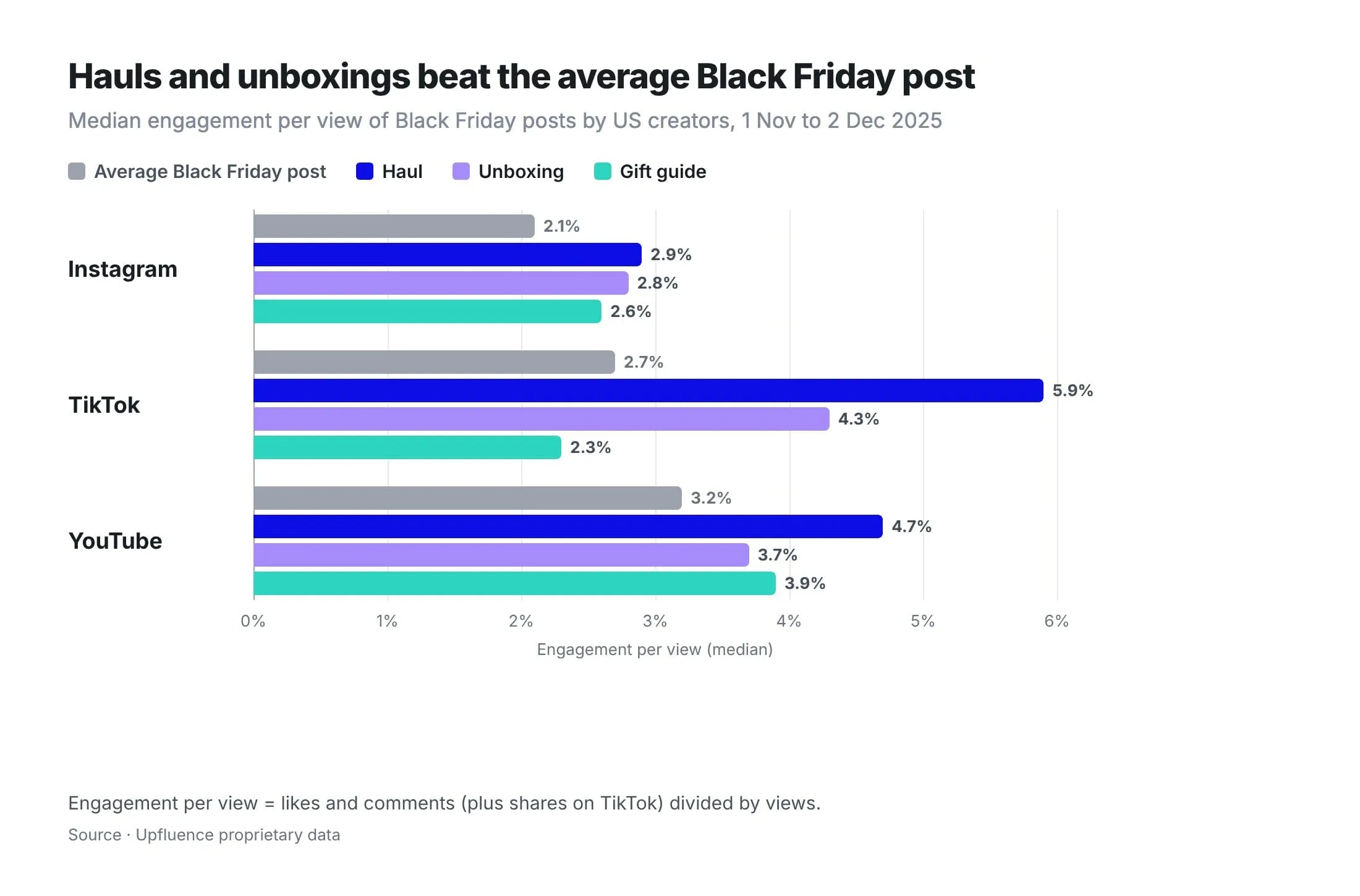
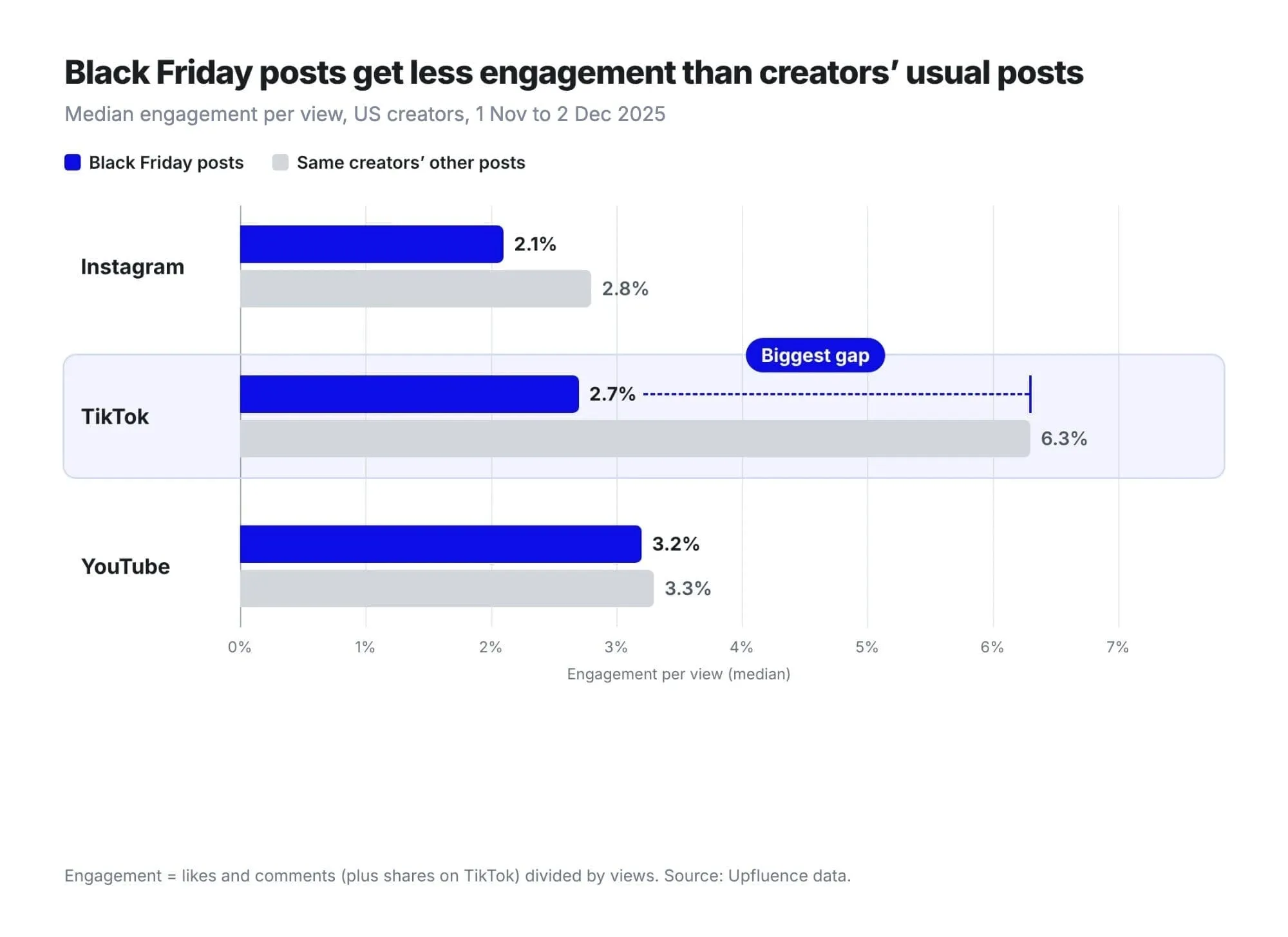
- Unboxings and First-Look Reviews: These posts allow viewers to experience the product vicariously. The authenticity of a creator’s first reaction builds trust. Last year, unboxings on TikTok earned a 4.3% engagement rate per view, significantly higher than the 2.7% average for general Black Friday posts.
- Hauls and Try-Ons: Particularly effective in the fashion and beauty sectors, these formats show products in a real-world context. Commentary on fit, comfort, and color accuracy acts as a form of peer review. On Instagram, "try-on" videos earned a 3.0% engagement rate, leading all other formats.
- Gift Guides and "Must-Have" Lists: These posts solve a problem for the overwhelmed shopper. By positioning a product within a curated list (e.g., "Top 5 Gifts Under $50"), brands can reach consumers who are looking for inspiration rather than a specific item.
Measurement and the Role of Affiliate Marketing
The professionalization of the creator economy has made performance tracking a non-negotiable component of any Black Friday strategy. The use of unique promo codes and tracked affiliate links has become the industry standard, turning influencer marketing into a transparent, measurable sales channel.
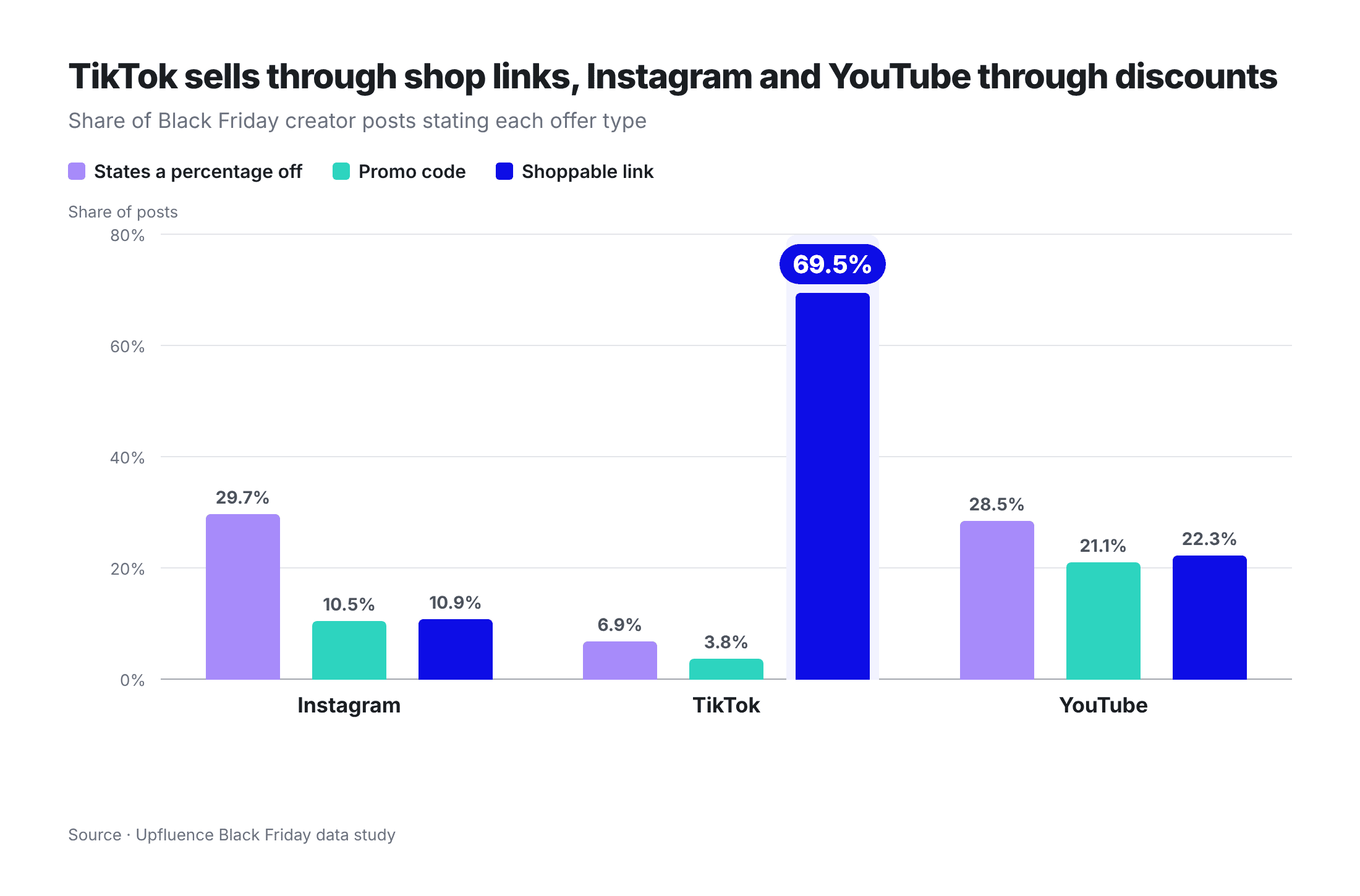
Last November, 23% of all Instagram Black Friday posts by U.S. creators included a discount code or a shopping cue, compared to only 8% of their regular content. This shift toward "shoppable" content is driven by the rise of affiliate commissions. When a creator earns a percentage of every sale they drive, they are incentivized to post more frequently, provide more detailed information, and issue "last chance" reminders as the sale period ends. This alignment of interests between the brand and the creator is essential for maximizing performance during the BFCM weekend.
Chronology of a Successful 2026 Campaign
To ensure maximum impact, brands should adhere to the following timeline for the 2026 season:
- September to Mid-October: Identification of creators and finalization of offers. This is the period for shipping products to creators for "seeding" to ensure they have ample time to test the items.
- October 19 to November 1: Briefing and content creation. Creators should begin preparing teaser content, particularly for TikTok, to build early awareness.
- November 2 to November 22: The "Early Access" phase. This is when reviews, gift guides, and early-bird discount codes should go live. Nearly half of the season’s creator content should be published during this window.
- November 23 to November 29 (Black Friday Week): High-intensity conversion. Brands should utilize Instagram Reels and Stories for countdowns, direct links, and reminders.
- November 30 to December 2: Cyber Monday follow-ups. This period should be used for "last chance" messaging and targeting late shoppers.
Conclusion: The Broader Impact of Creator-Led Commerce
As we look toward Black Friday 2026, it is evident that creators have become the most trusted intermediary between brands and consumers. In an era where traditional advertising is often viewed with skepticism, the personal recommendation of a creator carries the weight of a friend’s advice. This shift has forced brands to become more agile, data-driven, and proactive in their planning.
The brands that will win in 2026 are those that recognize Black Friday as a month-long narrative rather than a 24-hour event. By booking creators early, prioritizing engagement over follower counts, and utilizing performance-tracking tools, companies can navigate the most competitive week of the year with confidence. The integration of social commerce and creator influence is no longer just a trend; it is the fundamental architecture of modern retail.


 Nila Kartika Wati

 Nana Muazin