admin
admin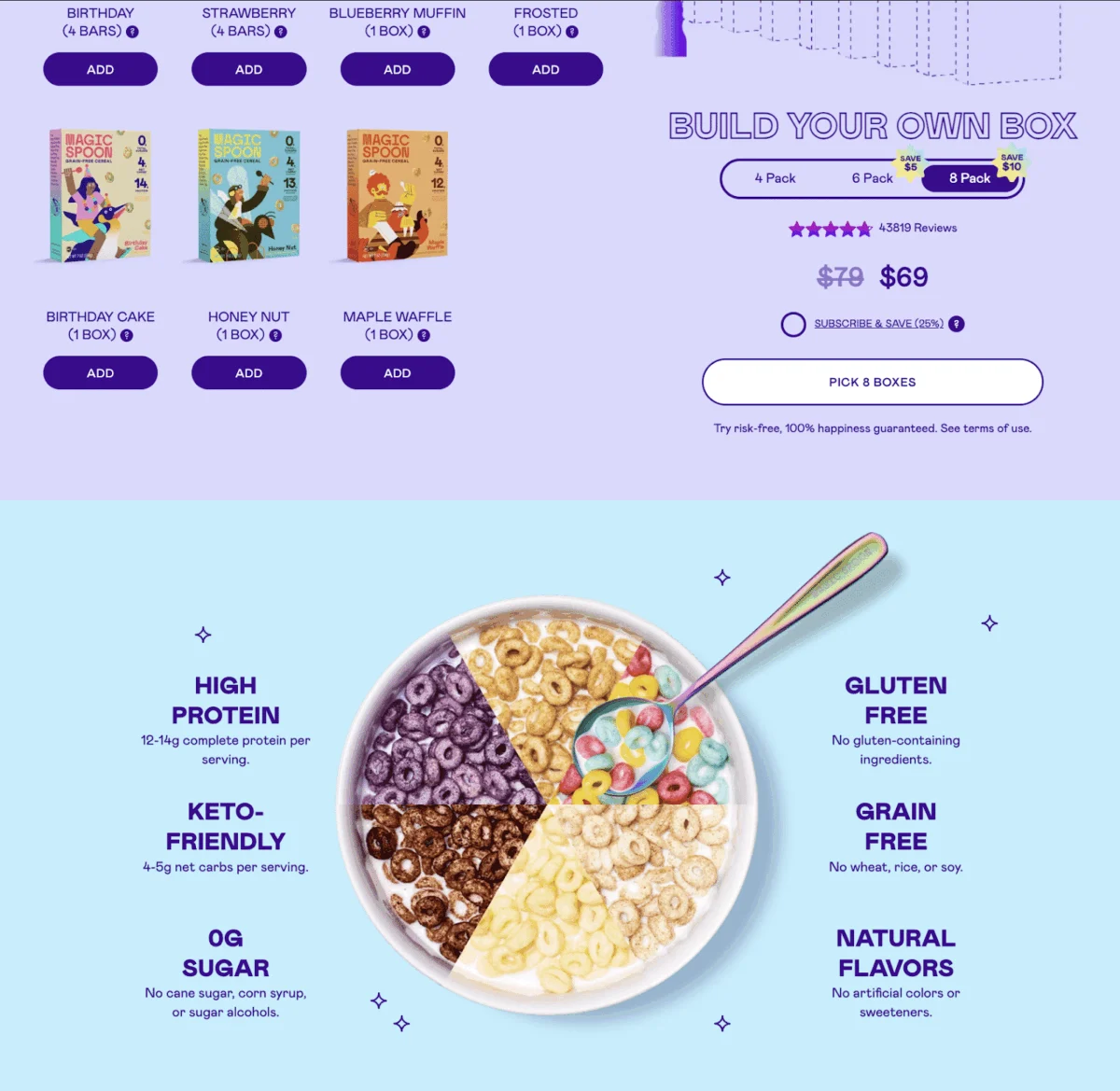
The digital retail landscape has undergone a seismic shift over the last decade, transitioning from simple transactional websites to highly sophisticated, data-driven ecosystems. At the heart of this transformation lies the e-commerce category page, often referred to as the "digital storefront" or "aisle" of an online shop. Unlike the homepage, which serves as a brand’s introduction, or the product page, which facilitates the final purchase, the category page acts as a critical intermediary. It is the primary navigation hub where consumers filter through options, compare features, and ultimately decide whether to engage further or abandon the site. Industry data suggests that a poorly optimized category page is one of the leading causes of high bounce rates, whereas a well-structured interface can significantly increase the "Revenue per Visitor" (RPV) and long-term customer loyalty.
The Strategic Foundation: Defining Clear Objectives and Audience Metrics
Before a single pixel is designed, successful e-commerce enterprises must define the specific objectives of their category pages. This phase involves a deep dive into audience psychographics and behavioral data. Market analysts emphasize that knowing who the customer is remains more important than the product itself. To identify these needs, retailers are increasingly utilizing customer surveys, heatmaps, and detailed analysis of internal search queries. By understanding the common pain points—such as a lack of specific filters or slow loading times—businesses can tailor their category pages to meet exact expectations.
Setting measurable objectives is the next step in the professional design process. Key Performance Indicators (KPIs) typically include the conversion rate, which measures the percentage of visitors who make a purchase; the bounce rate, indicating how many users leave after viewing only one page; and the click-through rate (CTR) to specific product pages. Furthermore, modern retailers are focusing on "Revenue per Visitor." This metric is optimized by integrating upsell and cross-sell opportunities directly into the category layout, encouraging shoppers to consider premium alternatives or complementary goods before they even reach the checkout stage.
Architectural Excellence: Layout Optimization and Visual Hierarchy
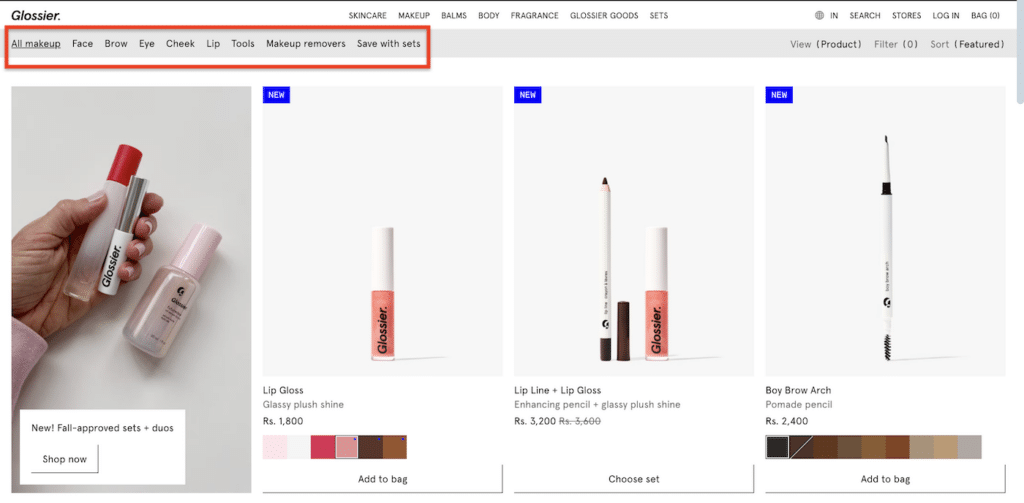
A well-structured category page is an exercise in information architecture. The layout must guide the eye naturally from the broad category title down to specific product listings. A clear, SEO-friendly header is the first point of contact. For instance, luxury beauty brands like Glossier have moved away from technical jargon in favor of simple, high-volume search terms like "Face" or "Eyes." This clarity serves a dual purpose: it improves the user experience by providing immediate orientation and boosts organic search rankings by aligning with common consumer queries.
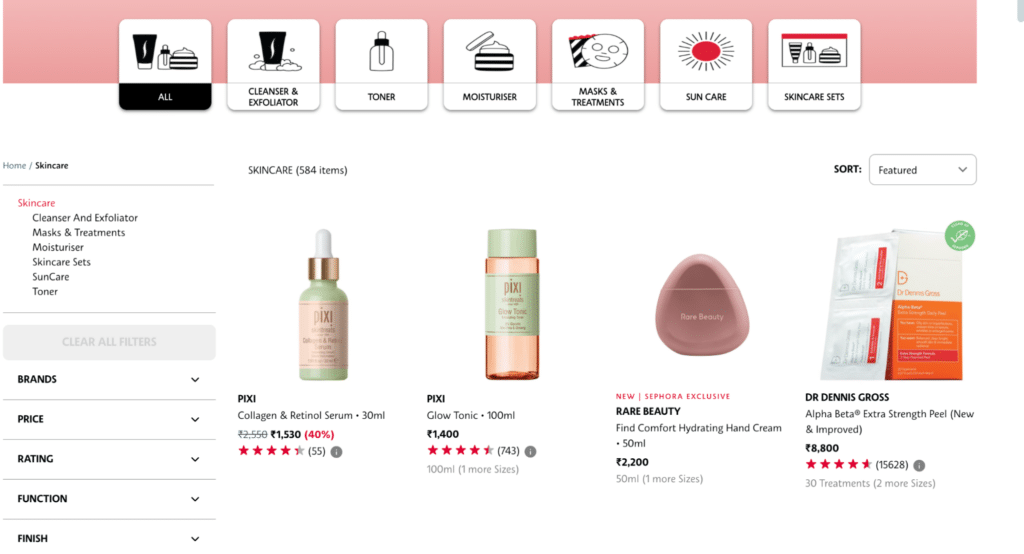
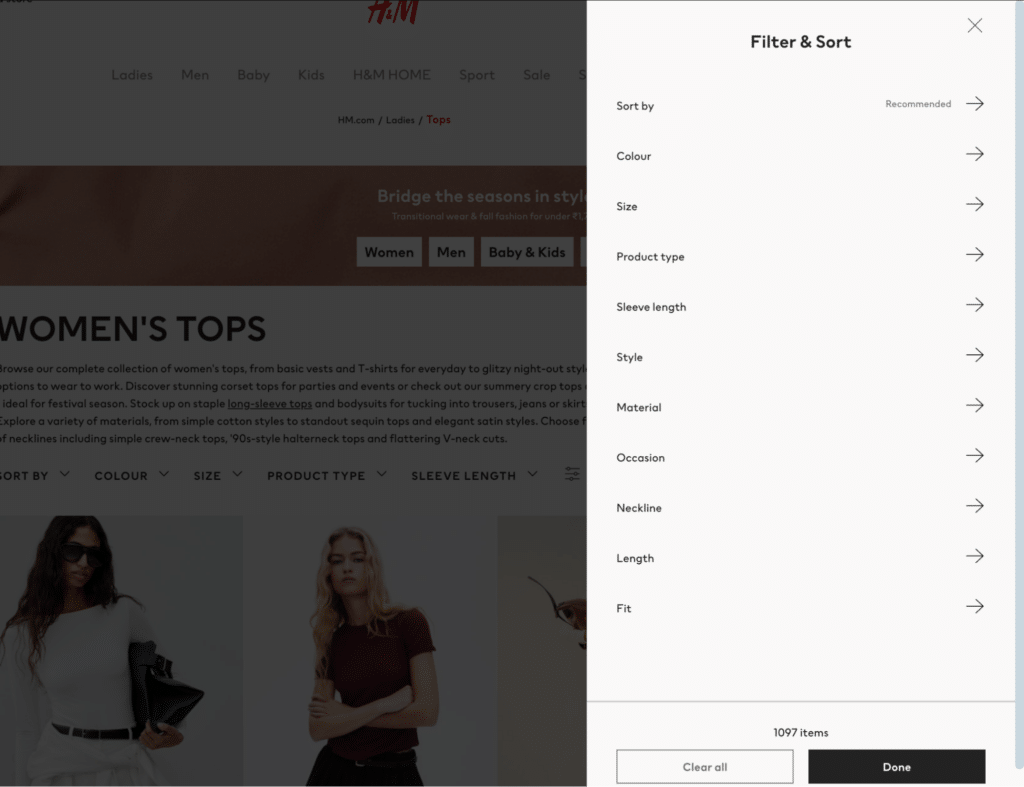
The integration of filters and sorting options represents the functional backbone of the category page. As inventory grows, the "paradox of choice" can paralyze a shopper. Retailers such as H&M have addressed this by implementing granular filtering systems that allow users to sort by size, color, price, material, neckline, and even occasion. This level of detail transforms a massive inventory into a personalized shopping experience, significantly reducing the time-to-purchase.
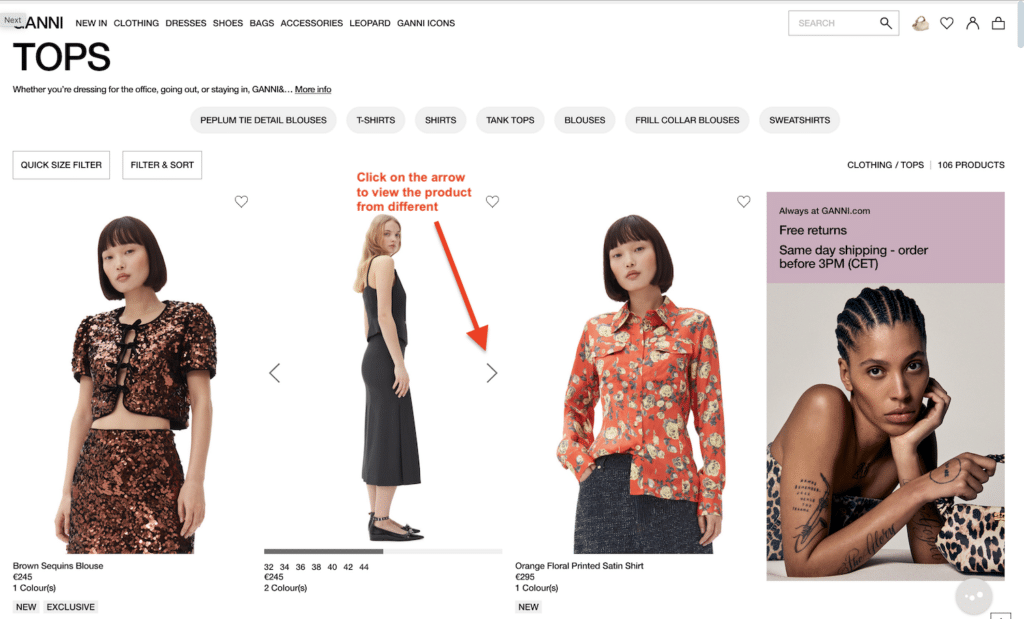
Product listings themselves must balance aesthetic appeal with technical performance. High-quality, zoomable imagery is now a non-negotiable standard. Brands like Ganni demonstrate the effectiveness of providing multiple angles and "hover-to-zoom" features directly on the category page, allowing users to inspect textures and fits without navigating away. These visual cues, paired with concise descriptions and clear Calls-to-Action (CTAs) like "Add to Cart" or "Quick View," streamline the path to conversion.
The Mobile Mandate: Adapting to the 79 Percent Statistic
The evolution of e-commerce is inextricably linked to the rise of mobile technology. Projections indicate that by 2025, nearly 79% of all e-commerce sales will be conducted via mobile devices. This shift necessitates a "mobile-first" approach to category page design. A layout that looks pristine on a desktop can become a navigation nightmare on a smartphone if not properly optimized.
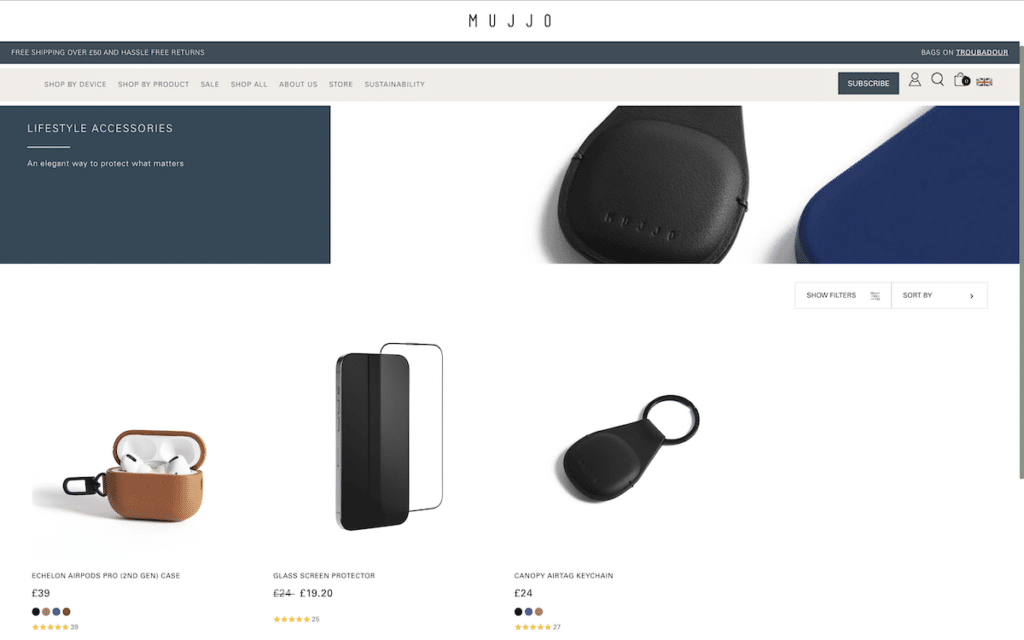
Minimalism has become the guiding principle for mobile optimization. Brands such as Mujjo, which specializes in premium leather accessories, utilize white space and large, tap-friendly buttons to ensure their mobile category pages remain uncluttered. Professional developers stress the importance of testing these pages across various screen sizes and operating systems. A mobile-optimized category page must load in under three seconds; research from Google indicates that a delay of just one second can result in a 20% drop in conversions. Consequently, technical optimization—including image compression and the elimination of heavy scripts—is as vital as visual design.
Enhancing User Experience Through Intuitive Navigation
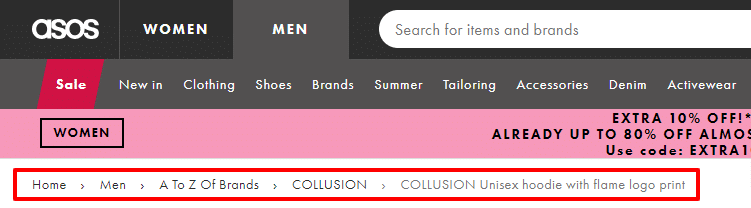
User experience (UX) is the invisible thread that keeps a customer on a website. In a physical store, navigation is aided by signage and logical grouping; in a digital store, this is achieved through menus and breadcrumb trails. Breadcrumbs are small navigational links typically found at the top of a page (e.g., Home > Menus > Men’s Shoes > Running). They provide users with a sense of place and an easy way to retreat to a broader category without using the "back" button, which can sometimes break the session data.
Other essential UX elements include the "Back to Top" button, particularly useful on pages with "infinite scroll," and the implementation of "Quick View" modals. These modals allow shoppers to see product details and add items to their cart while remaining on the category page, maintaining their place in the browsing process. By reducing the number of clicks required to complete a task, retailers can significantly lower the friction associated with online shopping.
Content Strategy and the Role of Engagement
Effective category pages are more than just grids of images; they are storytelling platforms. Engaging content, specifically in the form of category descriptions and promotional banners, plays a vital role in both SEO and consumer persuasion. A well-crafted category description should incorporate relevant keywords while speaking directly to the brand’s "voice."
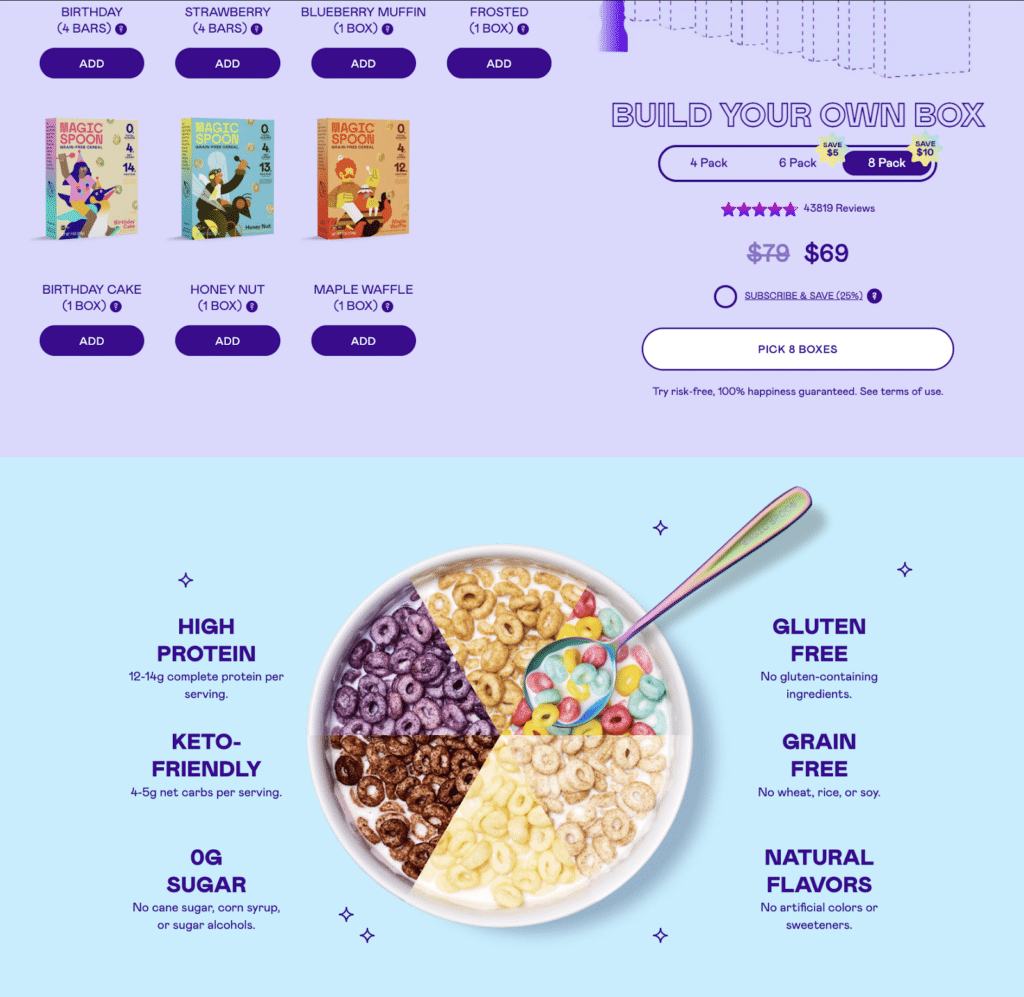
Magic Spoon, a high-growth cereal brand, provides a case study in this balance. Their category pages use SEO-friendly terms like "keto-friendly" and "high-protein" while maintaining a playful, brand-consistent tone. This approach informs the search engine’s crawlers about the page’s relevance while simultaneously building a connection with the target demographic.
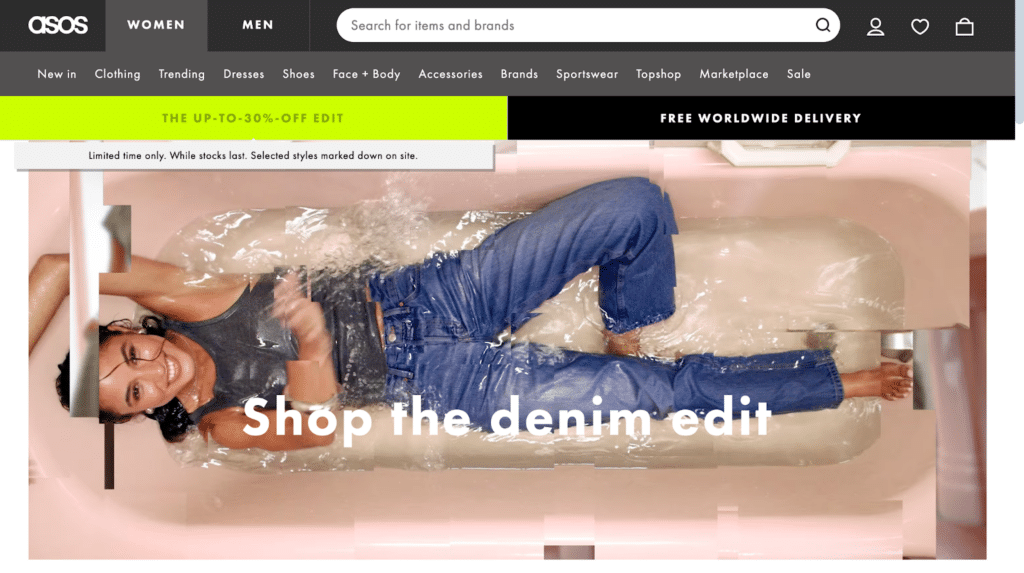
Furthermore, the strategic placement of discounts and promotions can act as a powerful nudge. Fashion giants like ASOS often feature "limited-time" banners at the top of category pages. These banners create a sense of urgency and provide a clear value proposition, such as "30% off selected styles" or "Free Worldwide Delivery." When combined with "scarcity cues" like "only 2 items left in stock," these content elements drive immediate action and increase the overall conversion rate of the category.
Technical SEO and Search Engine Discoverability
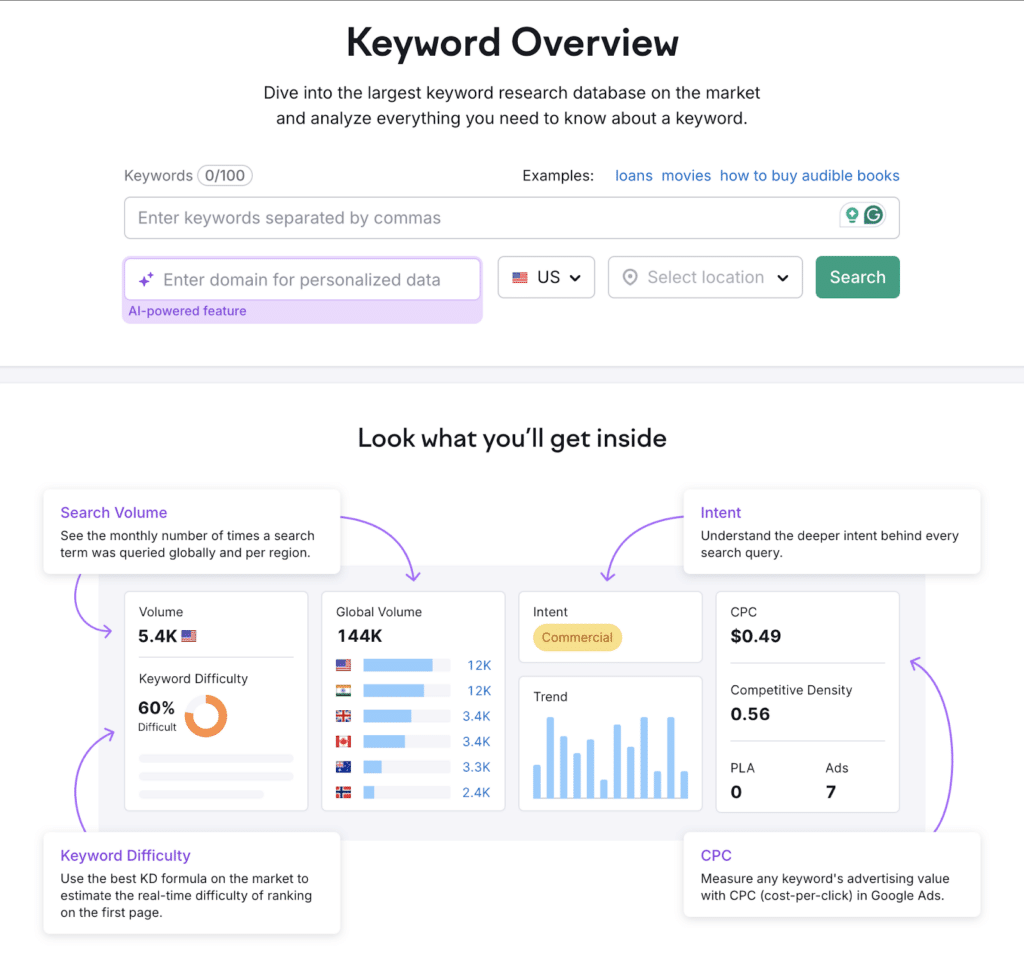
Visibility is the precursor to sales. Even the most beautiful category page is useless if it cannot be found via a search engine. Implementing SEO best practices is a multi-step process that begins with keyword research. Tools such as SEMrush, Ahrefs, and Google Keyword Planner allow retailers to identify high-volume, low-competition terms that their customers are using.
For a category page selling women’s footwear, the SEO strategy would involve targeting "long-tail" keywords such as "comfortable women’s flats" or "waterproof running shoes for women." These specific terms often have a higher intent to purchase than broad terms like "shoes." Once identified, these keywords must be integrated into the H1 tags, subheadings, and meta descriptions. The meta description, ideally under 160 characters, serves as the "ad copy" for the search engine results page, and it must be both descriptive and persuasive to encourage clicks.
In addition to keywords, technical SEO involves the use of "Alt Text" for images, which helps search engines understand visual content and improves accessibility for visually impaired users. Internal linking—linking from a blog post or the homepage to a specific category page—further establishes the page’s authority in the eyes of search engine algorithms.
Data-Driven Evolution: Analyze, Test, and Adjust
The launch of an e-commerce category page is not the end of the process, but rather the beginning of a cycle of continuous improvement. Professional digital marketers rely on conversion optimization tools like FigPii or Hotjar to monitor how users interact with their designs. Heatmaps provide a visual representation of where users are clicking and how far they are scrolling, while session replays allow designers to watch real-time interactions and identify where users are getting frustrated.
A/B testing is perhaps the most critical component of this analytical phase. By creating two versions of a category page—for instance, one with a sidebar filter and one with a top horizontal filter—retailers can determine which layout yields a higher conversion rate. Continuous optimization ensures that the category page remains effective as consumer trends and technologies evolve.
Broader Impact and Industry Implications
The focus on category page optimization reflects a broader trend in the global retail market: the move toward hyper-personalization and efficiency. As the digital marketplace becomes increasingly crowded, the ability to help a customer find exactly what they need in the shortest amount of time has become a significant competitive advantage.
Industry analysts suggest that the retailers who invest in sophisticated category page designs are better positioned to compete with giants like Amazon. While Amazon offers vast selection, niche retailers can win by offering a superior, curated browsing experience. The integration of Artificial Intelligence (AI) to provide personalized product recommendations within the category grid is the next frontier in this evolution. As these technologies become more accessible, the category page will continue to transform, evolving from a static list of products into a dynamic, intelligent interface that anticipates the needs of every individual shopper. In conclusion, the category page is the engine room of the e-commerce site; when tuned correctly, it drives discovery, engagement, and ultimately, sustainable business growth.