rifanmuazin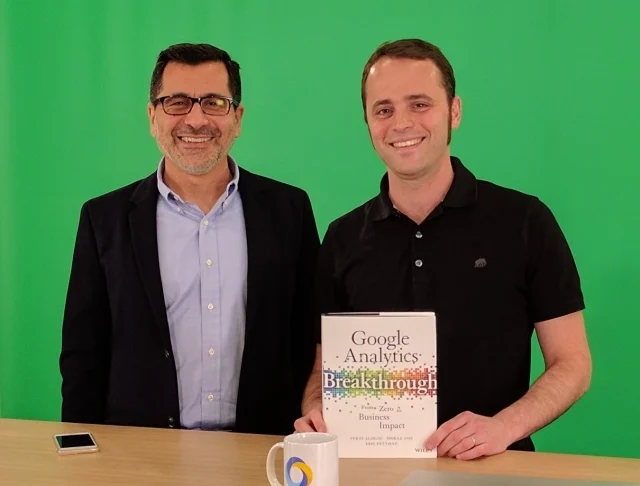
The digital marketing landscape has undergone a radical transformation over the last decade, transitioning from a focus on simple website traffic to a complex ecosystem of multi-device interactions and deep business intelligence. Feras Alhlou, Co-Founder and Principal Consultant at E-Nor and co-author of the seminal text Google Analytics Breakthrough, recently engaged in an extensive dialogue with industry colleagues at the Google Analytics studio to outline a roadmap for organizations seeking to navigate this complexity. This discussion highlights a shift in perspective where analytics is no longer viewed as a peripheral IT function but as a core business process essential for sustainable growth. By integrating technical audits with business-centric measurement strategies, Alhlou and his team at E-Nor have established a framework that allows enterprises to move beyond raw data collection and toward actionable, high-impact personalization.
The E-Nor Optimization Framework: A Four-Stage Business Process
At the heart of modern digital maturity is the understanding that data alone does not drive value; rather, the process by which data is refined into strategy determines its worth. Alhlou defines analytics as a comprehensive business process that begins long before a single report is generated. The E-Nor Optimization Framework serves as a blueprint for this transition, structured around four critical pillars: the audit, the reporting layer, analysis for insights, and finally, testing and personalization.
The process begins with a dual-layered audit that addresses both the technical and business dimensions of an organization. On the technical side, engineers and data architects evaluate the integrity of the tracking code, the accuracy of data ingestion, and the consistency of tag management across various digital properties. Simultaneously, the business audit involves deep engagement with stakeholders to identify the Key Performance Indicators (KPIs) that align with corporate objectives. This alignment ensures that the organization is not merely measuring "vanity metrics" like page views, but is instead focused on data points that influence the bottom line.
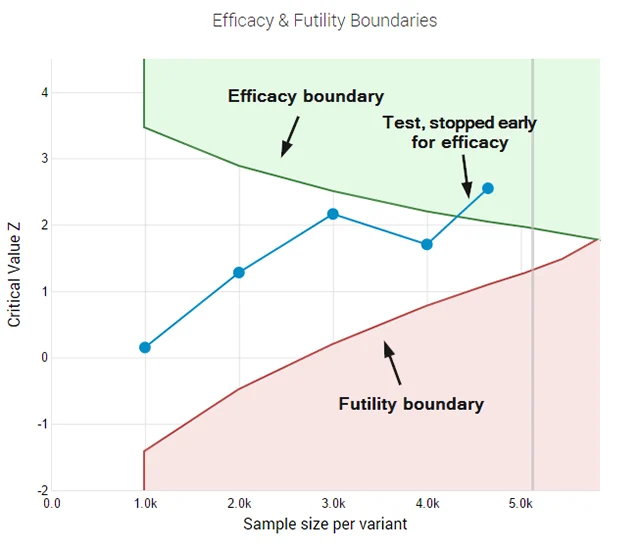
Once the data foundation is verified, the framework moves into the reporting layer. This stage focuses on data visualization and accessibility, ensuring that the right information reaches the right decision-makers at the right time. Following the establishment of consistent reporting, the focus shifts to deep-dive analysis. It is during this stage that analysts identify trends, anomalies, and opportunities within the data set. The ultimate goal of the framework is reached in the fourth stage: testing and personalization. By leveraging the insights gained from the previous steps, businesses can implement A/B testing and personalized user experiences that have a measurable impact on conversion rates and customer retention.
The Evolution of the Digital Analytics Landscape
To understand the necessity of such a rigorous framework, one must consider the historical context of the digital marketing industry. A decade ago, the marketer’s toolkit was relatively straightforward. Consumers primarily interacted with brands through a single desktop device, and marketing channels were largely siloed into search, email, and display. Data collection was localized, and the customer journey was linear.
However, the proliferation of mobile devices, the rise of social media platforms, and the expansion of the Internet of Things (IoT) have created a fragmented digital environment. Today’s consumer may discover a product on a social media mobile app, research it on a desktop browser, and eventually make a purchase through a tablet or in a physical retail location. This "omnichannel" reality has introduced significant challenges in data attribution and identity resolution.
According to industry reports, the global web analytics market was valued at approximately $3.5 billion in 2020 and is projected to grow at a compound annual growth rate (CAGR) of over 15% through 2028. This growth is driven by the increasing demand for cloud-based analytics and the need for businesses to understand customer behavior across multiple touchpoints. The transition from Universal Analytics to Google Analytics 4 (GA4) further underscores this shift, as the industry moves toward event-based tracking models that are better suited for a cross-platform world.
Supporting Data and Market Trends
The urgency for a structured optimization framework is supported by recent data regarding digital transformation. Research indicates that data-driven organizations are 23 times more likely to acquire customers and six times as likely to retain those customers compared to their less analytical peers. Furthermore, a study by McKinsey & Company revealed that companies using intensive data analytics are 19 times more likely to be profitable.
Despite these potential gains, many organizations struggle with "data silos"—where information is trapped within specific departments and cannot be integrated for a holistic view of the customer. Alhlou emphasizes the importance of a data roadmap to combat this issue. By starting with owned assets—such as web and mobile analytics—and gradually augmenting that data with social media metrics and backend CRM (Customer Relationship Management) data, companies can build a comprehensive view of their market position.
The introduction of specialized tools has also lowered the barrier to entry for sophisticated market research. For instance, Google Surveys has transformed how brands capture the "voice of the customer." Historically, large-scale market research was a costly and time-consuming endeavor reserved for Fortune 500 companies. Modern survey tools allow for rapid, targeted feedback directly from specific user segments, providing qualitative context to the quantitative data found in analytics platforms.
Official Responses and Industry Implications
The collaboration between leaders like Feras Alhlou and the Google Analytics team reflects a broader industry trend toward education and standardization. As organizations face increasing pressure from privacy regulations such as the General Data Protection Regulation (GDPR) and the California Consumer Privacy Act (CCPA), the role of the analytics consultant has evolved. Professionals must now balance the need for deep data insights with the ethical and legal requirements of user privacy.
Industry analysts suggest that the next phase of digital analytics will be dominated by artificial intelligence and machine learning. These technologies will automate the "analysis" phase of the E-Nor framework, identifying actionable insights without the need for manual data crunching. However, the "strategy" and "audit" phases remain uniquely human endeavors, requiring a deep understanding of business goals and technical architecture.
Alhlou’s advocacy for a "measurement strategy" over a "tracking implementation" has resonated across the professional community. Experts agree that the primary failure of many digital initiatives is not a lack of data, but a lack of context. Without knowing why a metric is being tracked, organizations often find themselves overwhelmed by "noise," unable to distinguish between a minor fluctuation and a significant market shift.
Chronology of Analytics Development
The path to the current state of digital intelligence can be viewed through several distinct eras:
- The Log File Era (1990s): Early web analysis relied on server logs, which tracked basic hits and file requests. This was a purely technical metric with little insight into user behavior.
- The JavaScript Tagging Era (2000s): The launch of Google Analytics in 2005 popularized the use of page tags. This allowed for the tracking of sessions, bounce rates, and basic conversions, marking the birth of modern web analytics.
- The Multi-Screen Era (2010s): As smartphones became ubiquitous, the industry shifted toward "Universal Analytics," attempting to stitch together user sessions across different devices using User IDs.
- The Privacy and Intelligence Era (2020s – Present): Current trends focus on first-party data, privacy-centric tracking (such as Consent Mode), and the use of predictive modeling to fill data gaps caused by the deprecation of third-party cookies.
Broader Impact and Future Outlook
The implications of the strategies discussed by Alhlou extend far beyond the marketing department. When analytics is treated as a business process, it influences product development, customer service, and corporate resource allocation. For example, if data reveals that a significant portion of a mobile app’s users drop off during the checkout process, the solution may not be a marketing campaign, but rather a technical fix or a UI/UX redesign.
Furthermore, the shift toward personalization represents the "holy grail" of digital marketing. By delivering the right message to the right person at the optimal time, brands can significantly reduce advertising waste and improve the user experience. However, achieving this level of sophistication requires the foundational work outlined in the E-Nor framework. Without a clean audit and accurate reporting, personalization efforts can backfire, leading to irrelevant or intrusive user experiences.
In conclusion, the insights shared by Feras Alhlou serve as a critical reminder that in the age of big data, the most valuable asset is not the data itself, but the strategy used to interpret it. Organizations that invest in a structured roadmap—focusing on technical integrity, stakeholder alignment, and the integration of qualitative and quantitative insights—will be best positioned to thrive in an increasingly complex digital economy. As the industry continues to evolve toward more automated and privacy-conscious models, the core principles of the audit and the measurement strategy will remain the bedrock of successful digital transformation.