"Target" is a cornerstone of effective marketing, representing the critical understanding of who a brand is communicating with. This principle underpins various segmentation strategies, including behavioral, psychographic, demographic, and geographic approaches. However, a nuanced understanding of generational cohorts is equally vital for crafting resonant messages and deploying them on the right platforms. This article, part of a series exploring digital marketing across generational divides, delves into the Millennial demographic (born between 1980 and 1994), building upon previous coverage of Gen Z and preceding those focused on Gen X and Baby Boomers. The objective is to provide marketers with actionable insights into reaching this significant consumer group with precision and impact.
The Millennial generation has garnered considerable attention, primarily due to its status as the largest living generation, having surpassed the Baby Boomers in sheer numbers. They are frequently characterized as digitally adept, health-conscious, and burdened by debt. While these descriptors offer a simplified snapshot, they often fail to capture the full complexity and diversity of this cohort. This exploration aims to move beyond superficial labels and examine the underlying mindset, consumption patterns, and effective marketing strategies for Millennials.
The Millennial Mindset: Navigating a Digital Revolution
Millennials represent a unique cohort, having come of age during a period of unprecedented digital transformation. Unlike Gen Z, who were born into a world where digital technology was already ubiquitous, Millennials witnessed and actively participated in its evolution. Their formative years coincided with the rise of foundational digital platforms and services that have reshaped modern life. Notably, Facebook, a social media giant, was founded by a Millennial, underscoring their intrinsic connection to the burgeoning digital landscape. During their childhood and early adulthood, they observed and embraced the rapid ascent of smartphones, search engines like Google, e-commerce pioneers such as Amazon, and technology innovators like Apple. This immersion has cultivated a generation that is inherently tech-savvy and comfortable navigating online environments.
Further compounding the Millennial experience is their educational attainment. Data from institutions like the Pew Research Center indicates that Millennials have achieved higher levels of education compared to previous generations. However, this academic achievement is often juxtaposed with significant financial challenges. The escalating costs of higher education and the soaring price of housing have left many Millennials saddled with substantial student loan debt. This economic reality has consequently influenced their life trajectory, leading to a postponement of traditional life milestones such as marriage, homeownership, and starting a family. This delay, while sometimes perceived negatively, reflects a generation adapting to economic pressures and re-evaluating established timelines for adult life.
Beyond economic considerations, many Millennials exhibit a pronounced self-orientation. This is not to be mistaken for narcissism, but rather an emphasis on individual autonomy, self-discovery, and personal fulfillment. They often espouse idealistic values and prioritize their freedom to pursue passions and define their own paths. This inherent drive for personal growth is also reflected in their health consciousness. The increased adoption of plant-based diets—including vegetarianism, veganism, and pescetarianism—alongside trends like the popularization of avocado toast, can be partly attributed to this focus on well-being. Furthermore, a defining characteristic of Millennial consumption is their prioritization of experiences over material possessions. While they may not accumulate vast quantities of physical goods, they are often willing to invest in memorable events, travel, and personal development opportunities.
Millennial Consumption Patterns: Value and Experience Over Price
Understanding Millennial purchasing behavior is crucial for effective marketing. Research, such as a comprehensive study by McKinsey & Company, has identified distinct consumption behavior clusters within this demographic. These clusters often highlight a nuanced approach to spending, where value, quality, and personal alignment with a brand’s ethos play significant roles.
While financial prudence is often a consideration for Millennials, particularly in light of their debt burdens, they demonstrate a willingness to invest in premium or high-quality products. This preference stems from a desire for items that offer longevity and a tangible benefit to their health and well-being. For instance, they might opt for organic food products, sustainable fashion, or durable goods that align with their values and are perceived as a worthwhile long-term investment. This contrasts with a purely price-driven purchasing decision.
The emphasis on experiences further shapes their consumption. This can manifest in spending on travel, concerts, dining out, or activities that provide personal enrichment and opportunities for social connection. Brands that can facilitate or enhance these experiences, or offer products that are conducive to them, are likely to resonate strongly with this demographic.
Reaching the Millennial Audience: Strategic Platform and Messaging Approaches
With a clearer understanding of the Millennial mindset and consumption patterns, the next critical step is to determine how to effectively engage them. This involves identifying the most suitable digital platforms and crafting messaging that speaks to their values and aspirations.
Platforms to Reach Millennials
The digital landscape is vast, and Millennials navigate it with proficiency. Marketers must be present where this generation spends their time online. Key platforms include:
- Social Media: While Gen Z has gravitated towards platforms like TikTok, Millennials maintain a strong presence on established social media networks. Facebook remains a significant channel for connection and information sharing. Instagram, with its emphasis on visual content, is highly popular for lifestyle, travel, and product discovery. LinkedIn is crucial for professional networking and career development.
- Video Platforms: YouTube continues to be a dominant force, serving as a hub for entertainment, education, and product reviews. Millennials often turn to video content for in-depth information and tutorials.
- Search Engines: As digitally native consumers, Millennials rely heavily on search engines like Google to research products, services, and information. Optimizing for search is therefore paramount.
- Streaming Services: Millennials are significant consumers of streaming content on platforms like Netflix, Hulu, and Disney+. Advertising or product placement within these environments can offer targeted reach.
- Podcasts: The popularity of podcasts has surged, and Millennials are a key demographic for this medium, engaging with content across a wide range of topics from news and business to lifestyle and entertainment.
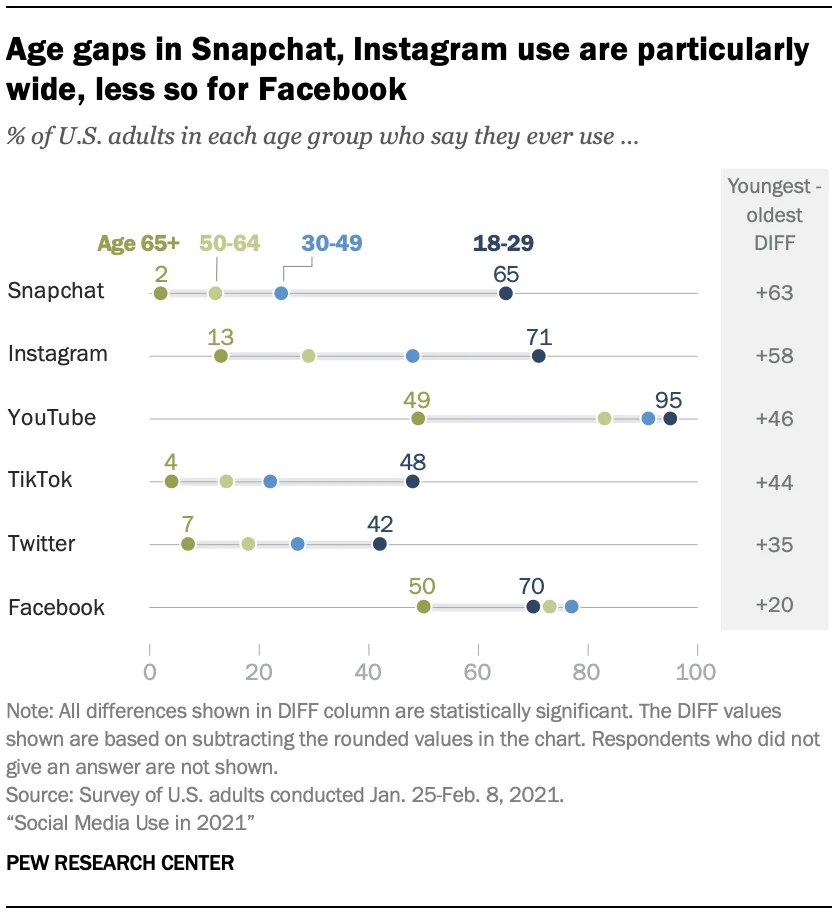
The accompanying visual, illustrating age group distribution across various social media platforms, provides valuable context. It highlights that while younger generations may dominate newer platforms, Millennials maintain significant engagement on established ones, underscoring the need for a multi-platform strategy.
Messaging That Speaks to Millennials
Crafting compelling messages requires an understanding of what motivates and resonates with Millennials. It is essential to identify which of the previously discussed consumer clusters a brand aims to target, as this will inform the messaging strategy.
- Authenticity and Transparency: Millennials value genuine interactions. Brands that are transparent about their practices, values, and even their challenges are more likely to earn trust. Avoid overly polished or inauthentic marketing speak.
- Purpose-Driven Marketing: This generation is increasingly concerned with social and environmental issues. Messaging that highlights a brand’s commitment to sustainability, ethical sourcing, or community impact can be highly persuasive. Demonstrating a positive contribution beyond profit is key.
- Value Beyond Price: As noted, Millennials are willing to pay more for quality and products that align with their values. Messaging should emphasize the long-term benefits, durability, health advantages, or experiential value of a product or service, rather than solely focusing on discounts.
- Empowerment and Self-Expression: Messages that empower individuals, celebrate diversity, and encourage self-expression are likely to connect. Millennials appreciate brands that support their pursuit of personal goals and aspirations.
- Experiential Focus: Highlight how a product or service can enhance life experiences. This could involve promoting travel opportunities, social gatherings, learning experiences, or anything that contributes to personal growth and memorable moments.
- Social Proof and User-Generated Content: Millennials often rely on reviews and recommendations from peers. Leveraging user-generated content, testimonials, and influencer collaborations can build credibility and trust.
- Convenience and Efficiency: While not solely unique to Millennials, their tech-savviness means they appreciate streamlined processes and convenient solutions. Messaging that emphasizes ease of use and time-saving benefits can be effective.
It is crucial to acknowledge that these are broad generalizations, and significant variation exists within the Millennial generation, influenced by factors such as industry, socioeconomic background, and individual preferences. Therefore, continuous research and adaptation of marketing strategies are essential.
Broader Implications for the Marketing Landscape
The Millennial generation’s ascent to the largest demographic group signifies a pivotal shift in consumer power and influence. Their unique blend of digital fluency, evolving values, and economic realities necessitates a recalibration of traditional marketing approaches. Brands that successfully navigate this generational landscape will not only capture a significant market share but also establish long-term loyalty by demonstrating an authentic understanding of their audience.
The emphasis on experiences over material possessions, the growing importance of ethical consumption, and the demand for transparency are not fleeting trends but fundamental shifts in consumer expectations. This suggests a move towards more purpose-driven and value-oriented marketing strategies across all demographics. Furthermore, the continued evolution of digital platforms and the emergence of new technologies will require marketers to remain agile and adaptable.
For businesses seeking to refine their strategies and effectively connect with the Millennial audience, a data-driven approach combined with a deep understanding of human psychology and cultural trends is indispensable. The insights provided here serve as a foundational guide, but ongoing analysis and tailored execution are paramount to achieving marketing success in this dynamic and influential generation. For tailored solutions and expert guidance in crafting a digital marketing strategy that resonates with Millennials and drives conversions, consulting with experienced marketing professionals is a recommended next step.


 Laily UPN
 Siti Muinah