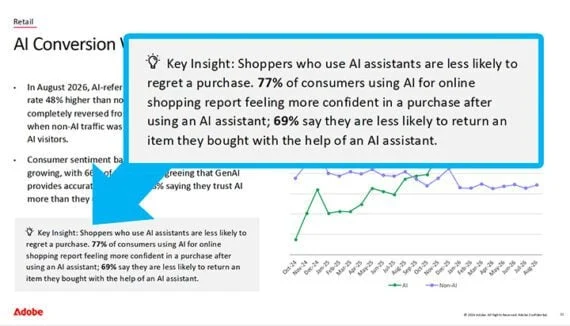
Kohl’s is proactively integrating cutting-edge artificial intelligence (AI) technology into its customer experience, with a particular focus on empowering shoppers during the crucial back-to-school season. The retailer recently unveiled its latest AI-powered tool, designed to assist customers in discovering school supplies and navigating a variety of other shopping needs. This initiative marks a significant step in Kohl’s broader strategy to leverage AI for modernizing and enriching its customer interactions, building upon the successful deployment of a similar AI gift finder during the Mother’s Day period.
The new AI assistant is built on Google Cloud’s Gemini Enterprise for Customer Experience platform, a testament to Kohl’s commitment to adopting robust and scalable AI solutions. This partnership with Google Cloud underscores the retailer’s ambition to deliver sophisticated and personalized shopping journeys. Kohl’s Corp. currently holds a prominent position in the retail landscape, ranking 25th in Digital Commerce 360’s Top 1000 Database, which tracks North America’s largest online retailers based on annual e-commerce sales. Furthermore, Kohl’s is recognized in Digital Commerce 360’s inaugural AI Rankings, securing the 473rd spot, indicating its early adoption and strategic focus on AI integration within the competitive e-commerce sector.
Strategic AI Deployment for Shopper Assistance
Kohl’s has outlined specific use cases for its new AI assistant, aiming to provide tangible benefits to shoppers. The tool is designed to streamline product discovery, particularly for the diverse needs of back-to-school shopping. This includes helping parents and students identify essential supplies, from stationery and backpacks to apparel and electronics, all tailored to specific age groups or grade levels. Beyond product recommendations, the AI assistant is engineered to guide customers through Kohl’s extensive promotional offerings, ensuring they can effectively utilize discounts and coupons to maximize savings.
The retailer’s CEO, Michael Bender, expressed optimism regarding the impact of AI on the customer experience. In a May 28 earnings call, Bender highlighted the encouraging initial results from the Mother’s Day Gift Finder, which was also powered by Google Gemini. He stated, "We’re encouraged by the initial results and about the potential for these AI-enabled experiences. These enhanced shopping experiences will help improve product discovery and customer engagement, with further opportunity to support conversion and reduce friction across the shopping journey over time." This sentiment suggests a clear vision for AI as a driver of both customer satisfaction and operational efficiency.
Addressing Back-to-School Shopping Needs with AI
The "Ask Kohl’s" AI assistant is already being utilized by customers for back-to-school shopping on the retailer’s e-commerce website. Kohl’s emphasizes its pursuit of "practical ways" to deploy AI, with the overarching goal of making the shopping experience "simpler, more personal and more helpful." This focus on practicality and user-centricity is crucial for AI adoption, ensuring that the technology serves genuine customer needs rather than being a mere technological novelty.
In addition to personalized product suggestions and promotion application, the AI assistant is equipped to facilitate omnichannel and fulfillment processes. This includes guiding shoppers through options like "buy online, pick up in store" (BOPIS), a service that has seen significant growth in recent years, and providing real-time in-store stock availability. This seamless integration of online and offline shopping channels is vital for meeting evolving consumer expectations.
Furthermore, the AI assistant offers robust order management capabilities. Customers can receive updates on their purchases, access self-service tracking tools, and, when necessary, be seamlessly forwarded to customer service for more complex inquiries. This tiered support system aims to resolve customer issues efficiently, reducing wait times and improving overall satisfaction.
Market Context and Consumer Behavior Trends
The introduction of Kohl’s AI assistant comes at a critical juncture for back-to-school retail. A July survey conducted by the National Retail Federation (NRF) and Prosper Insights & Analytics revealed that 62% of shoppers had already begun their back-to-school purchases in the first weeks of July. However, this figure represents a slight decrease from the 67% recorded in the previous year, potentially indicating a shift in purchasing timelines or consumer sentiment.
The survey also shed light on evolving online shopping habits for back-to-school items. Only half (50%) of K-12 shoppers planned to purchase back-to-school items online, a decline from 55% in the prior year. For college shoppers, the rate of online purchasing was even lower, at 41%, marking the lowest figure since 2016 when it stood at 38%. These trends suggest that while e-commerce remains a dominant channel, consumers may be balancing online and in-store purchases more strategically, or perhaps facing different economic considerations. Kohl’s AI initiatives, by enhancing both online and in-store integration, are well-positioned to cater to these diverse shopping preferences.
The Evolution of AI in Retail
The integration of AI by retailers like Kohl’s is part of a broader industry trend. The past few years have seen a significant surge in AI adoption across various retail functions, from inventory management and supply chain optimization to personalized marketing and customer service. Gemini Enterprise, the platform powering Kohl’s AI assistant, is designed to handle complex customer interactions, understand natural language queries, and provide contextually relevant responses. This allows for a more human-like and intuitive conversational experience, which is crucial for building customer trust and loyalty.
The development of AI tools like the one deployed by Kohl’s also reflects advancements in natural language processing (NLP) and machine learning (ML). These technologies enable AI assistants to understand nuanced customer requests, learn from past interactions, and continuously improve their performance. For back-to-school shopping, this means an AI that can not only recommend a specific type of notebook but also suggest a bundle of supplies based on a student’s grade and curriculum, or even recommend coordinating outfits based on a child’s stated preferences.
Broader Implications for the Retail Sector
Kohl’s strategic move into AI-driven customer experience is likely to have ripple effects throughout the retail sector. As more consumers become accustomed to the convenience and personalization offered by AI, retailers that fail to adapt risk falling behind. The success of Kohl’s AI initiatives could encourage other mid-tier and large retailers to accelerate their own AI investments.
The focus on practical applications, such as product discovery, promotion optimization, and omnichannel support, highlights a mature understanding of how AI can deliver measurable business value. This approach moves beyond the hype of AI and grounds its implementation in addressing real customer pain points and enhancing the overall shopping journey.
The data gathered through these AI interactions will also provide retailers with invaluable insights into customer behavior, preferences, and purchasing patterns. This data can then be used to further refine product assortments, personalize marketing campaigns, and optimize inventory management, creating a virtuous cycle of improvement.
Looking ahead, the role of AI in retail is expected to expand further. We may see AI assistants capable of more complex tasks, such as personalized styling advice, proactive issue resolution, and even predictive shopping, anticipating customer needs before they arise. The journey that Kohl’s is embarking on with its AI assistant is a significant step in this direction, promising a more intelligent and engaging future for retail.
The continuous improvement of AI algorithms, coupled with the increasing availability of powerful cloud-based platforms, will democratize access to sophisticated AI capabilities. This will enable retailers of all sizes to implement AI solutions that can enhance their competitiveness and better serve their customer bases. The back-to-school season serves as an ideal testing ground for these technologies, offering a high volume of diverse transactions and a clear set of consumer needs to address. Kohl’s proactive engagement in this space positions them as a forward-thinking player in the evolving retail landscape.