

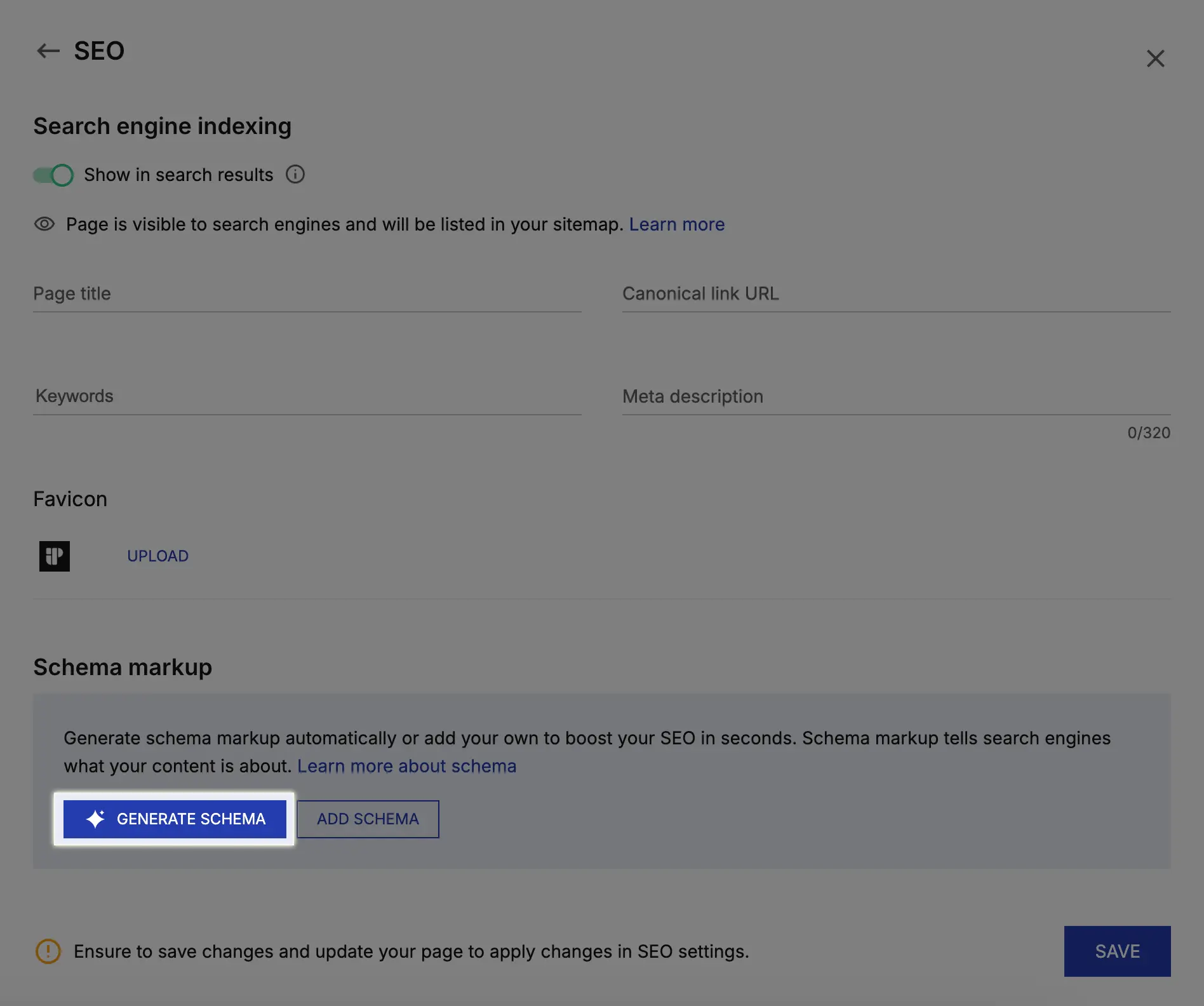
Instapage, a leading platform in landing page optimization and post-click automation, has officially announced the integration of a sophisticated Schema Markup feature designed to streamline how search engines and artificial intelligence systems interpret digital content. As global marketing budgets face increased scrutiny and contraction, the move signals a strategic shift toward organic growth and “AI-readiness.” This new functionality allows marketers to generate, validate, and deploy structured data directly within their landing page settings, effectively removing the technical barriers that have historically separated creative design from backend search engine optimization (SEO).
The introduction of this tool comes at a pivotal moment for the digital advertising industry. With the rise of Search Generative Experience (SGE) and AI-driven answer engines like Perplexity and OpenAI’s SearchGPT, the criteria for online visibility have evolved. It is no longer sufficient for a page to be aesthetically pleasing or fast-loading; it must now be “machine-readable.” By leveraging structured signals, brands can ensure that their core offerings—whether products, events, or corporate identities—are accurately indexed and prioritized by the algorithms that dictate consumer discovery.
The Strategic Necessity of Structured Data in a Tightening Economy
In the current fiscal landscape, Chief Marketing Officers (CMOs) are increasingly pressured to deliver higher Returns on Ad Spend (ROAS) while navigating rising Customer Acquisition Costs (CAC). According to recent industry reports, including the 2024 Gartner CMO Spend Survey, marketing budgets have dropped to an average of 7.7% of total revenue, down from 9.1% in previous years. This decline has forced a pivot toward “efficiency-first” strategies, where organic search and technical SEO play a foundational role in sustaining growth without the constant infusion of paid media capital.
Schema markup, a form of microdata, serves as the primary language for this efficiency. When added to a webpage, it creates an enhanced description (commonly known as a rich snippet), which appears in search results. These snippets can include star ratings, pricing, availability, and event dates. Data from various SEO authorities suggests that pages with schema markup can see a click-through rate (CTR) improvement of up to 30% compared to those without. By automating this process, Instapage is positioning its users to capture this “organic dividend” without requiring a dedicated web development team.
Technical Evolution: From Manual Coding to AI Automation
Historically, implementing schema markup was a manual, error-prone process that required a deep understanding of JSON-LD (JavaScript Object Notation for Linked Data) or Microdata formats. Marketers often had to rely on developers to inject code into the header of individual pages, a workflow that frequently led to bottlenecks and delayed campaign launches.
The new Instapage Schema Markup feature utilizes artificial intelligence to bridge this technical gap. The workflow is designed for speed and precision, typically requiring less than five minutes to complete. Users can select from a variety of schema types tailored to their specific business objectives:

- Organization and Person: Establishes brand authority and identifies key leadership or individual creators.
- Product: Provides search engines with specific details such as price, currency, and stock status, which are critical for e-commerce visibility.
- LocalBusiness: Enhances geographical relevance for physical storefronts or service providers.
- Event: Promotes webinars, conferences, or local gatherings by surfacing dates and ticket information directly in search results.
- FAQPage: Lists frequently asked questions, allowing a brand to occupy more “real estate” on the Search Engine Results Page (SERP).
A standout component of the update is the “Auto-detect” option. This AI-driven tool analyzes the existing content on a landing page and automatically suggests the most relevant schema types. This ensures that even users with minimal SEO knowledge can benefit from high-level technical optimization.
Chronology of SEO and the Rise of the Semantic Web
To understand the significance of Instapage’s update, one must look at the timeline of structured data evolution.
- 2011: Google, Bing, and Yahoo! collaborated to create Schema.org, a unified vocabulary for structured data on the web.
- 2014-2016: Google began prioritizing JSON-LD as the preferred format for schema, moving away from more cumbersome inline tagging.
- 2020-2022: The “Zero-Click Search” phenomenon accelerated, where users find answers directly on the Google results page. Structured data became the primary fuel for these featured snippets.
- 2023-Present: The explosion of Large Language Models (LLMs) changed the stakes. AI assistants now “crawl” the web to synthesize answers. Structured data provides the factual “grounding” these AI systems need to avoid hallucinations and provide accurate brand information.
Instapage’s integration represents the latest step in this chronology: the democratization of the semantic web. By moving schema generation from the developer’s IDE (Integrated Development Environment) to the marketer’s dashboard, the platform is responding to a decade-long trend of simplifying complex web technologies for end-users.
Implementation and Validation: Ensuring Data Integrity
A critical risk in implementing structured data is the potential for “schema errors.” If the code is improperly formatted, search engines may ignore it or, in some cases, penalize the site for deceptive practices. Instapage has addressed this by building a validation layer directly into the tool.
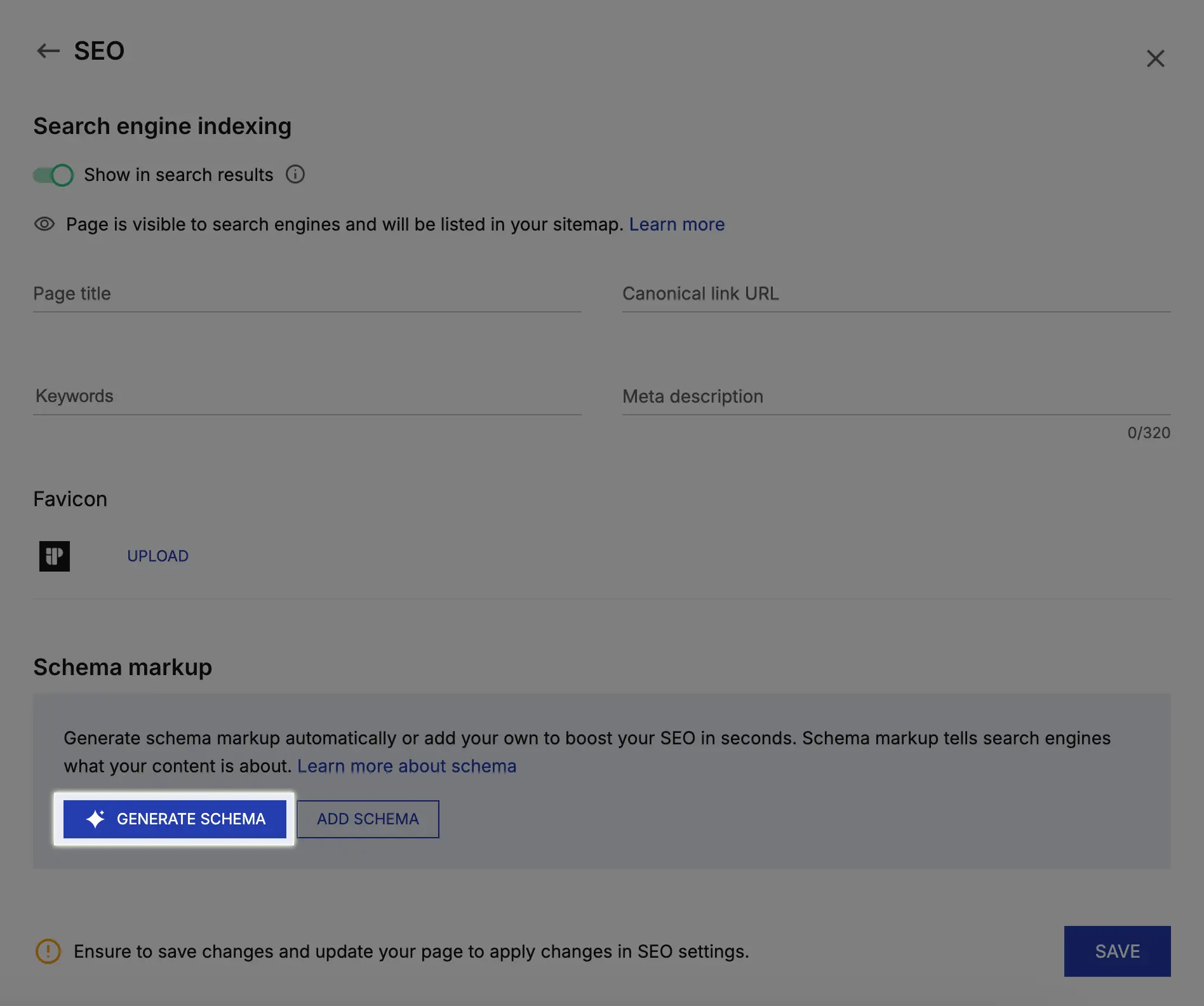
When a user generates JSON-LD markup via the Instapage AI, the system checks the code against current Schema.org standards before it is published. This real-time validation prevents common mistakes, such as missing required fields or syntax errors. Once validated, the schema is applied the next time the page is published, ensuring that the live version of the site is always optimized for the latest search algorithms.
For advanced users and SEO specialists, the platform maintains a manual override option. This allows for the injection of custom JSON-LD code, providing the flexibility needed for complex data structures that may fall outside the standard templates.
Industry Implications and Market Reaction
Industry analysts view this move as a necessary evolution for landing page builders. “The line between a landing page and a core website is blurring,” says digital strategist Marcus Thorne. “In the past, landing pages were seen as temporary campaign assets. Today, they are permanent pillars of a brand’s digital footprint. They need the same technical rigor as a corporate homepage.”
While Instapage has not released specific names of clients involved in the beta testing phase, internal reports suggest that early adopters saw a marked increase in “impression share” for competitive keywords. By providing search engines with structured signals about product benefits and FAQs, these pages were more likely to be featured in the “People Also Ask” sections of Google and the citations of AI search tools.
The broader implication for the marketing technology (MarTech) sector is a shift toward integrated AI. Rather than using disparate tools for design, copywriting, and SEO, marketers are gravitating toward platforms that consolidate these functions into a single AI-assisted workflow. Instapage’s update reflects a growing demand for “intelligent” infrastructure that manages the technical debt of SEO automatically.
The Future of AI-Ready Landing Pages
Looking forward, the importance of schema markup is expected to grow as voice search and augmented reality (AR) become more prevalent. Voice assistants like Alexa and Siri rely heavily on structured data to provide concise, accurate answers to user queries. Similarly, AR applications that overlay information on real-world products require the precise data points—such as pricing and specifications—that schema provides.
Instapage’s decision to make this feature available across all its plans suggests a commitment to making high-level SEO accessible to businesses of all sizes, from solo entrepreneurs to enterprise-level marketing departments. As AI continues to reshape the internet, the brands that succeed will be those that make their data as easy as possible for machines to digest.
In conclusion, the launch of the Schema Markup feature by Instapage is more than a technical update; it is a strategic response to the changing nature of search and the economic realities of modern marketing. By automating the creation of structured data, Instapage is helping brands future-proof their digital presence, ensuring they remain visible in an era where AI—not just human eyes—decides what content is worth seeing. For marketers looking to maximize their organic reach and prepare for the next generation of AI-driven search, the barrier to entry has never been lower.







