

In the contemporary digital landscape, Conversion Rate Optimization (CRO) has transitioned from a niche marketing tactic to a fundamental pillar of corporate strategy. As businesses increasingly rely on digital storefronts and lead generation funnels, the ability to accurately measure and interpret data has become the primary differentiator between market leaders and their competitors. CRO Key Performance Indicators (KPIs) represent the critical metrics that organizations track to determine whether structural, aesthetic, or functional changes to their websites are yielding tangible business results. Whether a company is refining a product page, streamlining a checkout process, or testing high-level value propositions, these KPIs provide the empirical evidence required to justify marketing spend and product development resources.
A robust CRO KPI is defined by three specific characteristics: it must be measurable, it must be directly influenced by website changes, and it must align with overarching business objectives. Without these three pillars, data collection becomes an exercise in “vanity metrics”—numbers that look impressive on a dashboard but fail to inform strategic decision-making.
The Evolution of Digital Measurement: A Chronology of CRO
The path toward modern CRO metrics has been marked by significant technological shifts. In the early 1990s, webmasters relied on rudimentary “hit counters” and server log files that tracked every request to a server, regardless of whether that request represented a human visitor or a technical bot. This era focused on raw volume rather than user behavior.
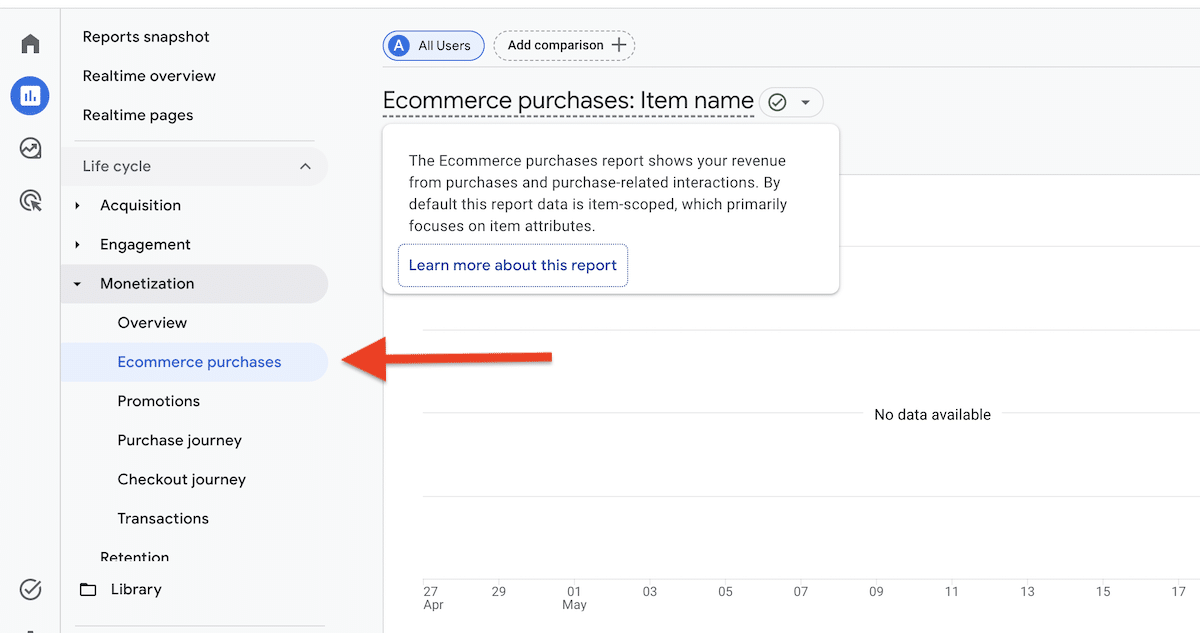
The landscape shifted dramatically in 2005 when Google acquired Urchin, leading to the birth of Google Analytics. This allowed businesses to track user “sessions” and “conversions” with relative ease. By the 2010s, the rise of A/B testing platforms like Optimizely and VWO enabled marketers to run controlled experiments, making the “Conversion Rate” the industry’s north star.
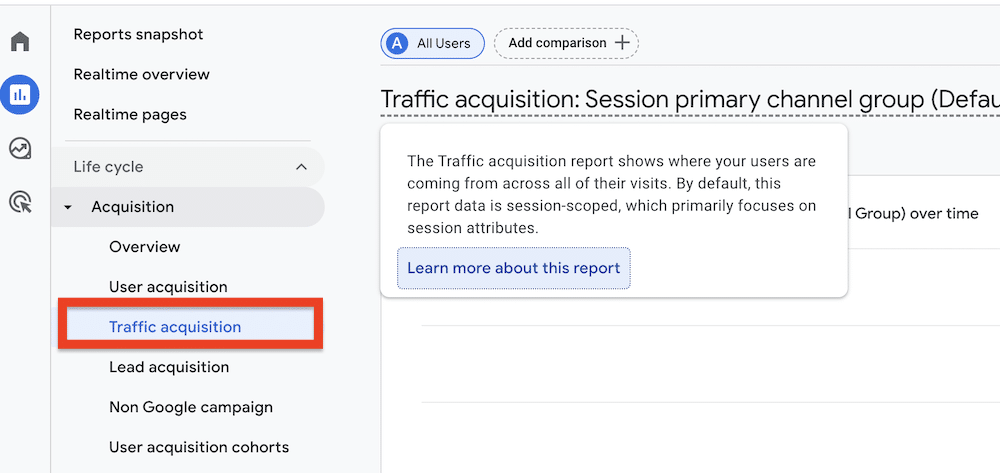
Today, with the sunsetting of Universal Analytics and the transition to Google Analytics 4 (GA4), the focus has shifted again—this time toward event-based tracking and cross-platform user journeys. In this current era, the distinction between a “metric” and a “KPI” is more vital than ever. While a metric captures any data point, such as scroll depth or button clicks, a KPI is a specific metric that judges the success of a business goal. This distinction allows teams to move beyond diagnosing problems to measuring outcomes, such as total revenue or the volume of qualified leads.
Primary Revenue and Conversion KPIs
The most critical KPIs are those that sit closest to the bottom line. For e-commerce and direct-to-consumer (DTC) brands, these numbers dictate the health of the entire enterprise.
1. Conversion Rate (CR)
The conversion rate remains the most foundational KPI in the optimizer’s toolkit. It is calculated by dividing the number of successful conversions by the total number of visitors, then multiplying by 100. For instance, if a landing page attracts 10,000 visitors and 400 complete a purchase, the conversion rate is 4%.
Industry benchmarks suggest that while a 2% to 3% conversion rate is average for e-commerce, top-tier performers often exceed 5% through rigorous testing. In GA4, this is typically tracked via “Key Events” (formerly known as Conversions), allowing teams to view session-based or user-based conversion rates across various traffic sources.
2. Revenue Per Visitor (RPV)
While conversion rate measures volume, Revenue Per Visitor measures value. This KPI is calculated by dividing total revenue by total visitors. RPV is particularly effective because it accounts for both the frequency of purchases and the amount spent. A common pitfall in CRO is focusing solely on conversion rate; if a change increases the number of buyers but significantly decreases the average spend, the RPV will reveal that the change was actually detrimental to the business.
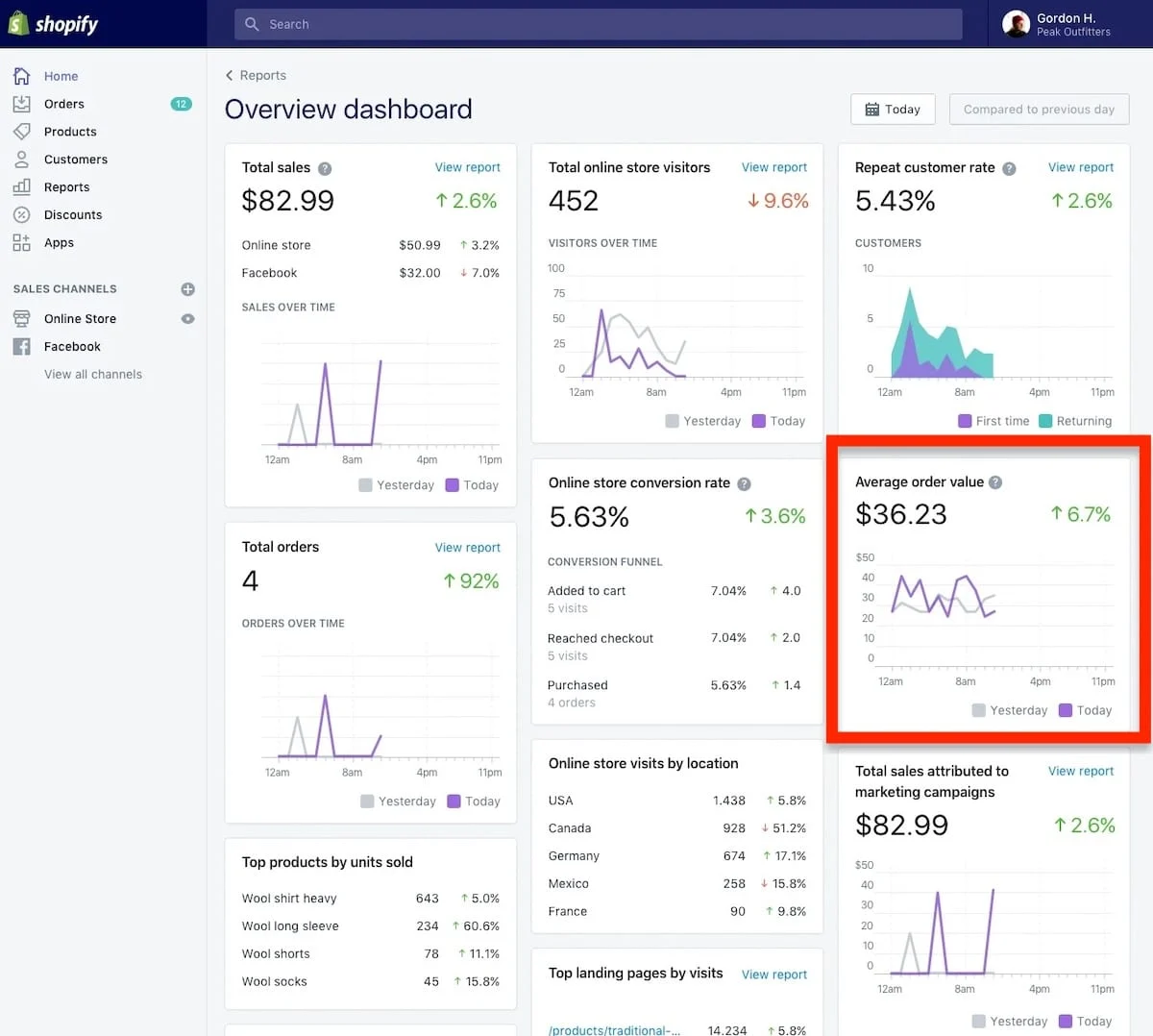
3. Average Order Value (AOV)
AOV tracks the average dollar amount spent each time a customer places an order. This KPI is essential when testing bundles, upsells, or free shipping thresholds. If a business implements a “Frequently Bought Together” widget, the primary goal is not necessarily to increase the number of orders, but to ensure each order is more valuable. AOV is a direct indicator of how effectively a website is cross-selling and upselling its catalog.
B2B and SaaS: Lead Generation KPIs
For B2B organizations and Software-as-a-Service (SaaS) providers, the website rarely closes the sale on the first visit. Instead, the site’s role is to facilitate the next step in a complex sales cycle.
4. Lead Conversion and Demo Booking Rates
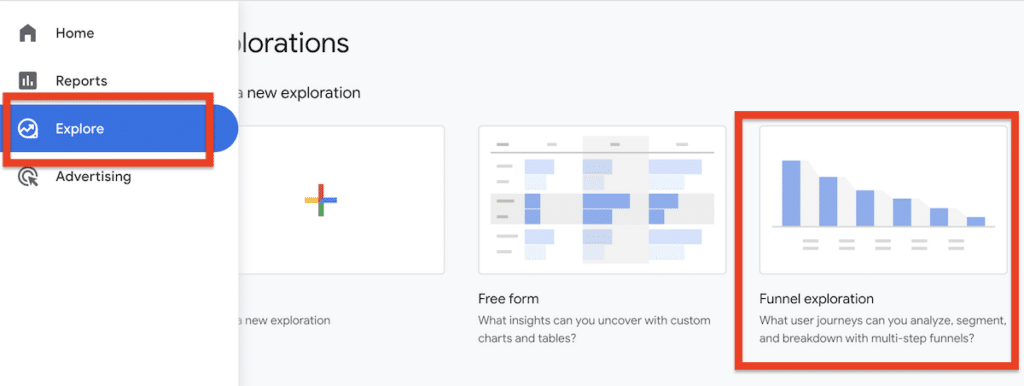
In these sectors, tracking “Trial Signup Rates” or “Demo Booking Rates” is often more relevant than immediate revenue. Because the actual sale might happen weeks later through a sales representative, the website’s “conversion” is the successful handoff of a lead to the sales team. Using GA4’s Funnel Exploration reports, marketers can identify exactly where potential leads drop off—whether it is the initial landing page, the pricing page, or the final form submission.
Expanding the Scope: The 11 KPIs That Matter
To build a comprehensive CRO strategy, analysts suggest looking at a broader set of 11 KPIs that balance short-term wins with long-term sustainability. Beyond the primary metrics mentioned above, these include:
- Cost Per Acquisition (CPA): Measures the marketing cost required to acquire a single customer.
- Cart Abandonment Rate: A diagnostic KPI that identifies friction in the final stages of the checkout process.
- Qualified Lead Rate: Not all leads are equal; this KPI filters for leads that meet specific criteria (e.g., company size or budget).
- Customer Lifetime Value (CLV): Predicts the total revenue a business can expect from a single customer account.
- Form Completion Rate: Measures the efficiency of lead capture forms.
- Activation Rate: In SaaS, this measures the percentage of users who take a specific “Aha!” action within the product after signing up.
- Bounce Rate vs. Engagement Rate: While old-school bounce rate is often a vanity metric, GA4’s “Engagement Rate” provides a more nuanced view of whether visitors are actually interacting with the content.
Strategic Framework for KPI Selection
Industry experts at firms like Invesp emphasize that teams should avoid the “data puke” phenomenon—reporting every available number without context. Instead, a structured framework should be used for every test or initiative.
Start with the Business Goal: If the company needs to clear inventory, the primary KPI should be the conversion rate for specific product categories. If the goal is to improve margins, AOV becomes the priority.
The “Primary, Diagnostic, Guardrail” Method:
- Primary KPI: The one number that defines success (e.g., Purchase Conversion Rate).
- Diagnostic KPIs (2–4): Metrics that help explain why the primary KPI moved. If conversion rate went up, did “Add to Cart” rate also go up?
- Guardrail KPIs (1–3): Metrics that ensure you aren’t doing damage elsewhere. For example, if you increase conversion rate by offering a massive discount, your “Profit Margin” or “AOV” acts as a guardrail to ensure the business remains viable.
Industry Responses and Expert Perspectives
The shift toward these sophisticated KPIs has garnered significant attention from marketing executives. Analysts argue that the “low-hanging fruit” of CRO—such as changing button colors—is largely gone. Modern CRO requires a deep understanding of user psychology and data science.
“The industry is moving away from ‘conversion’ as a static event and toward ‘customer journey optimization,'” notes a senior digital strategist. “We are no longer just looking at whether they clicked ‘buy.’ We are looking at whether that ‘buy’ led to a high-value, recurring customer. The KPIs are becoming more longitudinal.”
Furthermore, the rise of privacy regulations like GDPR and CCPA has forced a reaction from the CRO community. With less third-party data available, first-party data collected through on-site KPIs has become the “gold standard” for personalizing user experiences.
Broader Impact and Implications
The implications of disciplined KPI tracking extend beyond individual marketing departments. On a broader scale, the focus on CRO KPIs is driving a more efficient digital economy. When businesses optimize for Revenue Per Visitor rather than just clicks, they reduce wasteful ad spending and provide more relevant experiences to consumers.
For product teams, these KPIs bridge the gap between “UX design” and “Business Value.” When a designer can show that a simplified navigation menu directly increased the Demo Booking Rate by 12%, it validates the design process in the eyes of the C-suite.
In conclusion, CRO KPIs are not merely numbers on a spreadsheet; they are the language of business growth in the digital age. By moving from generic metrics to high-impact KPIs—and by surrounding those KPIs with diagnostic and guardrail data—organizations can ensure that every change they make to their digital presence is a step toward greater profitability and a better user experience. As the digital landscape continues to evolve with AI and machine learning, the ability to define, track, and act upon these key indicators will remain the hallmark of a successful enterprise.







