

The landscape of digital marketing is undergoing a fundamental transformation as traditional search engine optimization evolves into a broader discipline of digital presence optimization. In response to the increasing complexity of how search engines and artificial intelligence (AI) systems interpret web content, Instapage has announced the launch of its new Schema Markup feature. This tool is designed to bridge the gap between high-quality landing page design and the technical requirements of modern search algorithms. By automating the creation, validation, and implementation of structured data, the platform aims to empower marketers to maintain visibility in an era where organic search results are increasingly dominated by AI-generated answers and rich snippets.
The Strategic Importance of Structured Data in the AI Era
The digital marketing sector is currently facing a dual challenge: tightening advertising budgets and a radical shift in how consumers discover information. For years, the primary goal of SEO was to rank on the first page of Google. However, with the advent of Google’s Search Generative Experience (SGE) and the rise of AI-driven discovery engines like Perplexity and ChatGPT, the criteria for visibility have shifted. These systems do not merely look for keywords; they seek to understand the relationship between entities, products, and services.
Structured data, specifically in the form of Schema Markup (JSON-LD), serves as the "translator" between a website’s human-readable content and the machine-readable requirements of AI crawlers. Without these signals, even the most aesthetically pleasing and fast-loading landing pages risk becoming "invisible" to the very systems that decide which information is presented to the user. Instapage’s new feature addresses this by allowing users to generate these signals without the need for extensive coding or developer intervention.
Technical Specifications and Core Functionalities
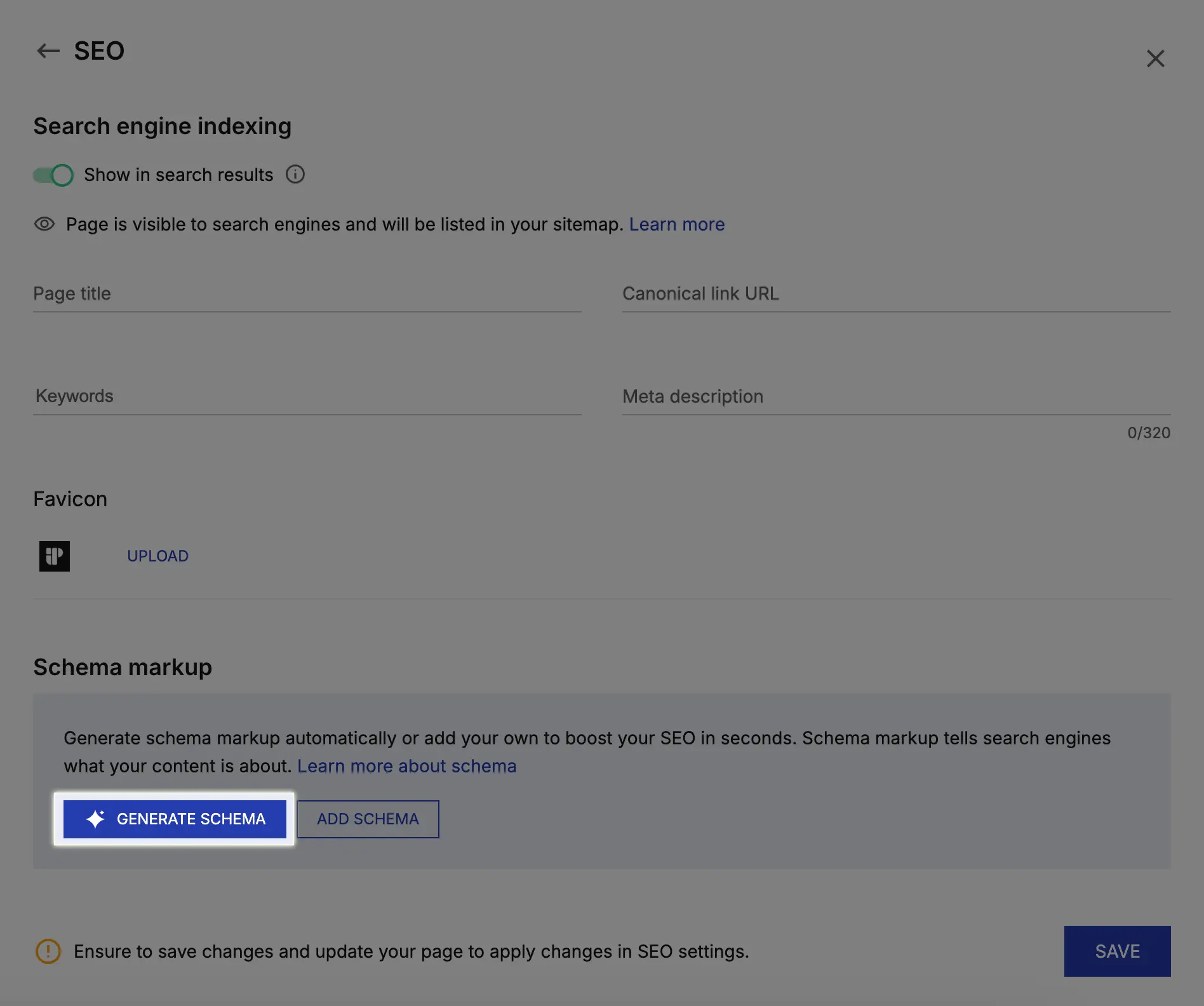
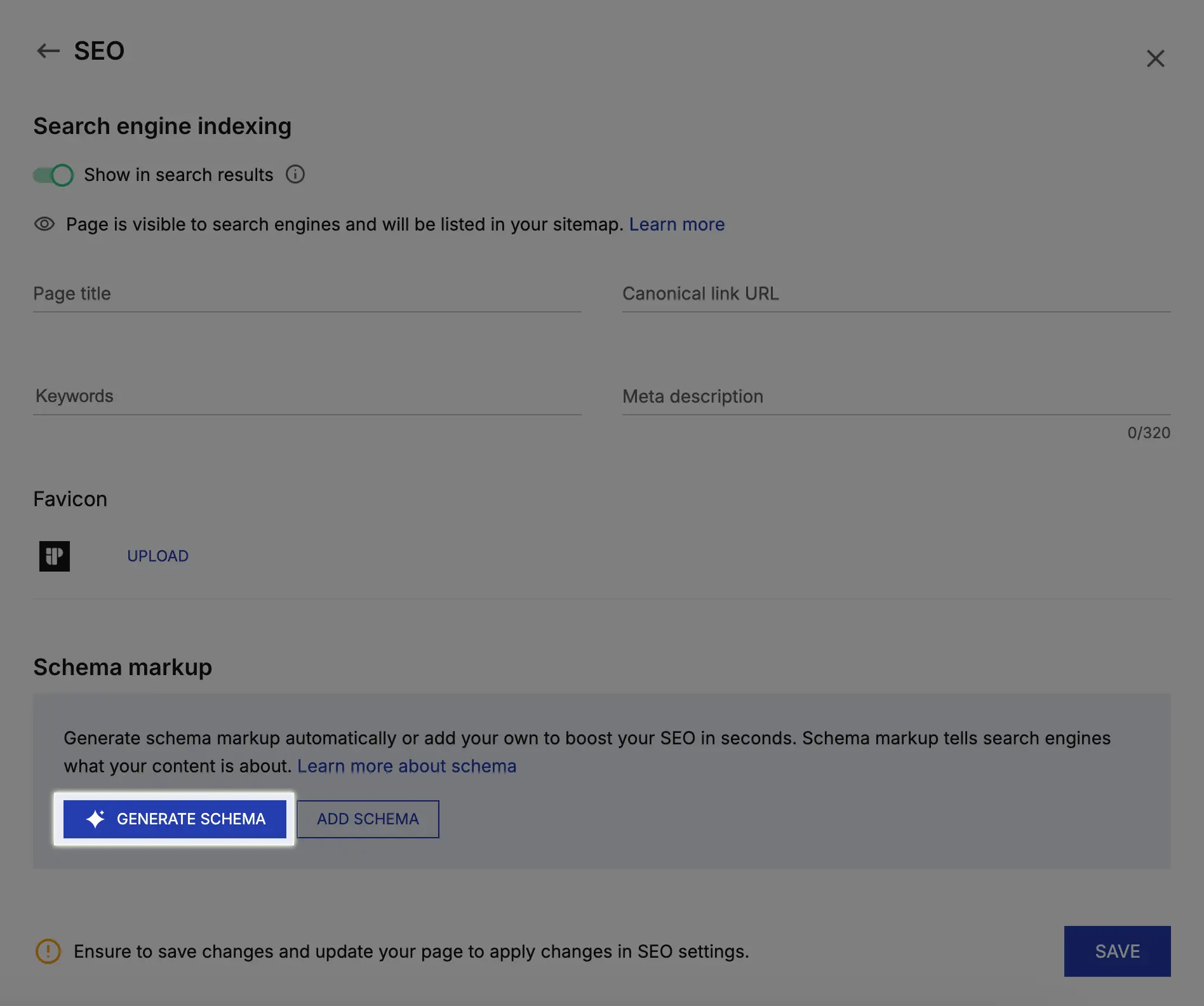
The Instapage Schema Markup tool is integrated directly into the platform’s SEO settings, providing a streamlined workflow for performance marketers. The feature is built around three core pillars: generation, validation, and publication.
AI-Driven Generation
The centerpiece of the update is an AI generator that analyzes the content of a landing page to suggest the most appropriate schema types. This removes the guesswork for marketers who may not be familiar with the hundreds of different schema categories available in the Schema.org vocabulary. Users can select from a variety of common types, including:

- Organization: Providing search engines with verified details about a brand’s identity.
- Product: Highlighting pricing, availability, and review ratings directly in search results.
- FAQPage: Increasing the likelihood of appearing in "People Also Ask" sections.
- LocalBusiness: Essential for driving foot traffic and local lead generation.
- Event: Displaying dates, locations, and ticket information in a structured format.
Automated Validation
One of the primary risks of manual schema implementation is the potential for syntax errors, which can lead to search engines ignoring the data entirely or, in some cases, penalizing the page. The Instapage tool includes a built-in validation engine that checks the JSON-LD code against industry standards before it goes live. This ensures that the markup is "clean" and ready for indexing by Google, Bing, and various AI models.
No-Code Implementation
Historically, implementing schema required a developer to inject code into the header of a website. For marketing teams running dozens of concurrent landing page campaigns, this created a significant bottleneck. The new feature allows for direct publication from the Instapage interface. Once the schema is saved in the settings panel, it is automatically applied to the page during the next publishing cycle.
Supporting Data: The Impact of Rich Snippets on Performance
The push for better schema tools is supported by a growing body of data regarding click-through rates (CTR) and user engagement. According to industry research, pages with structured data and rich snippets can see an increase in CTR of up to 30% compared to standard blue-link results. Furthermore, as AI assistants become the primary interface for voice and text-based queries, the presence of structured data becomes a non-negotiable factor for inclusion in AI-generated summaries.
A study conducted by Milestone Research found that "rich" results—those powered by schema—account for only 11% of search results but capture 58% of all clicks. For brands operating in highly competitive sectors like e-commerce or SaaS, the ability to display star ratings, product prices, or event dates directly on the search engine results page (SERP) provides a significant psychological advantage, establishing trust before the user even clicks the link.
Chronology of the Shift Toward "AIO" (AI Optimization)
The launch of Instapage’s Schema Markup tool follows a clear timeline of changes in the search ecosystem:
- Late 2022: The public release of ChatGPT triggers a shift in how search engines approach information retrieval.
- Early 2023: Google announces "Search Generative Experience" (SGE), prioritizing AI-synthesized answers over traditional lists of links.
- Mid-2023: Industry experts begin coining the term "AIO" (AI Optimization), emphasizing the need for structured data to feed Large Language Models (LLMs).
- Late 2023: Marketing budgets see a contraction due to economic uncertainty, leading to a renewed focus on organic growth and "efficiency-first" tools.
- 2024: Instapage integrates AI-driven schema generation to democratize access to technical SEO, allowing small and medium-sized businesses to compete with enterprise-level budgets.
Industry Implications and Expert Perspectives
The democratization of technical SEO tools represents a shift in the balance of power within digital marketing. Previously, the "biggest budgets" often won the search game because they could afford dedicated technical SEO teams and developers to optimize every page. By moving these capabilities into a user-friendly landing page builder, the barrier to entry is significantly lowered.
Marketing analysts suggest that this move is a direct response to the "efficiency gap" in modern marketing. "The gap between a well-designed page and a discoverable page is what schema markup closes," noted a senior digital strategist. "By removing the developer from the equation for routine SEO tasks, brands can iterate faster and respond to market changes in real-time."
From a broader perspective, the move signals a trend toward "Self-Optimizing Web Pages." As AI becomes more integrated into the tools used to build the web, the pages themselves are becoming smarter, capable of describing their own purpose to the algorithms that crawl them.
Implementation Guide: A Five-Minute Workflow
Instapage has streamlined the process to ensure that even non-technical users can implement schema effectively. The workflow typically involves:
- Accessing SEO Settings: Within the Instapage builder, users navigate to the SEO settings panel of their specific landing page.
- Selection or Detection: Users can manually select a schema type or utilize the "Auto-detect" feature. The AI analyzes the text, images, and buttons on the page to determine if it is a product page, a lead generation form, or an informational FAQ.
- Refinement: The AI generates the JSON-LD code. Users can then edit specific fields—such as changing a product price or updating an event date—to ensure 100% accuracy.
- Validation: With a single click, the tool checks the code for errors.
- Deployment: Upon saving and publishing, the structured data is embedded into the page’s HTML, ready for search engine crawlers.
Broader Impact on the Marketing Ecosystem
The release of this feature is expected to influence how agencies and in-house teams approach landing page creation. With the ability to handle technical SEO within the design phase, the "silo" between creative teams and technical teams is further broken down.
Furthermore, as search engines move toward "zero-click" searches—where the user gets the answer they need without ever leaving the SERP—the goal of a landing page is changing. For some brands, the goal is no longer just a click; it is to be the "source of truth" for an AI assistant. Structured data is the only way to ensure that a brand’s specific data points are the ones being cited by AI.
In conclusion, Instapage’s introduction of AI-powered Schema Markup is a timely intervention in a rapidly shifting digital landscape. By prioritizing "machine-understandable" content, the platform provides its users with a critical tool for maintaining organic relevance. As marketing budgets remain under scrutiny, the ability to drive growth through technical precision rather than just raw spend will likely become a defining characteristic of successful brands in the mid-2020s. The feature is currently available to all Instapage users, with the company offering a 14-day trial to encourage adoption across various business sectors.







