Instagram, the ubiquitous social media platform, has initiated a comprehensive promotional campaign to spotlight its recently updated connected TV (CTV) application. This strategic push leverages a diverse roster of creators who compellingly illustrate the engaging and communal potential of consuming Instagram content on larger television screens. The campaign underscores Instagram’s ambition to broaden its ecosystem beyond mobile devices, tapping into evolving consumer habits and the burgeoning connected TV market.
The core of this new promotion, as initially reported by industry publication AdAge, is to highlight a spectrum of practical and appealing use cases for the platform’s CTV app. These scenarios range from the increasingly popular communal viewing of Instagram Reels with friends and family in a living room setting, to individuals following along with interactive fitness content, or sharing immersive recipe and travel videos on a larger display. This multi-faceted approach aims to demonstrate the versatility of the app and its capacity to enhance various aspects of daily life, moving beyond the traditional solo mobile scrolling experience.
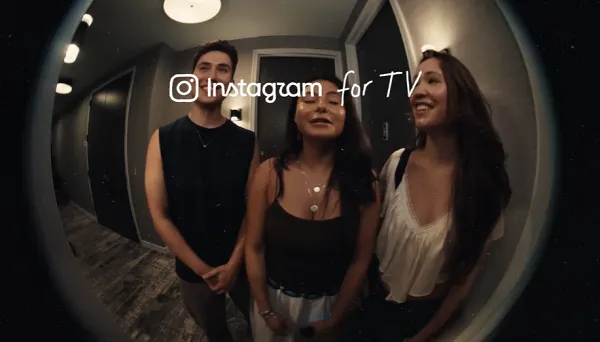
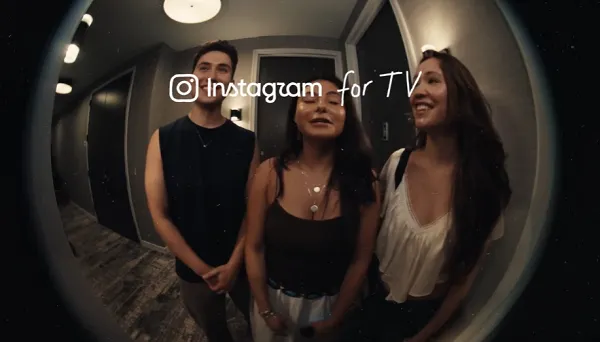
Leading the charge in this creator-centric campaign are prominent Instagram personalities: Ameya Okomoto, Vikram Thanigaivelan, and Carson Gillaspia. Each creator is featured demonstrating a distinct application of the Instagram TV app, providing relatable examples for potential users. Okomoto might showcase the shared laughter and commentary that comes with watching viral Reels with companions, while Thanigaivelan could illustrate the convenience of having a fitness instructor’s movements clearly visible on a large screen during a home workout. Gillaspia, perhaps, would highlight the visual splendor of travel vlogs or the intricate details of a cooking tutorial, all amplified by the television’s immersive display. This direct, creator-led advocacy is a powerful tool in modern digital marketing, leveraging authentic voices to connect with audiences.
The Evolution of Instagram’s Video Strategy and Connected TV Ambitions
Instagram’s journey into the connected TV landscape is not entirely new, but its current iteration marks a significant strategic pivot, learning from past endeavors. The platform first launched its revamped connected TV app for Amazon Fire devices in December of the previous year. This initial rollout was a crucial step in re-establishing its presence on larger screens. Following this foundational launch, Instagram swiftly expanded its CTV viewing options to include Google TV and, subsequently, Samsung Smart TVs, effectively covering a substantial portion of the global smart TV market. This aggressive expansion signals a clear intent to capture market share and integrate seamlessly into users’ existing home entertainment setups.
The decision to lean heavily into CTV viewing is deeply rooted in broader industry trends and Instagram’s own internal data. The company is actively pushing to raise awareness of this expanded viewing option, aiming to capitalize on and further drive emerging viewing behaviors. This strategy is heavily influenced by the undeniable shift in how consumers engage with digital video content.
For context, the concept of social media content migrating to the living room television gained significant traction with the meteoric rise of short-form video. Platforms like TikTok have demonstrated the immense appeal of snackable, engaging content. YouTube, a long-standing titan in online video, has also provided compelling evidence of this trend. In its 2024 Q4 earnings report, released in February 2025, Google, YouTube’s parent company, revealed a striking statistic: connected TV viewing accounted for a remarkable 15% of all Shorts viewing in the U.S. This figure is a powerful indicator of how readily consumers are embracing short-form content on the big screen, traditionally reserved for longer-form movies and series.
Instagram, meanwhile, has experienced profound success with its own short-form video format, Reels. Internally, Reels now account for an impressive 50% of all time spent within the Instagram app. This dominant engagement metric for Reels underscores its critical role in the platform’s overall strategy and highlights the immense potential for its consumption on CTV. By extending Reels’ reach to televisions, Instagram is not merely offering an alternative viewing method; it is aiming to transform the perception of social media content from a personal, mobile-first experience to a shared, communal entertainment event. Instagram is clearly hoping to plug into this established trend, leveraging its existing user base and popular content formats to drive expanded viewer behaviors on the bigger screen with its CTV app.
The Broader Landscape of Connected TV and Short-Form Video
The proliferation of connected TV devices – smart TVs, streaming sticks, and gaming consoles – has fundamentally reshaped media consumption. According to recent reports from Nielsen, over 80% of U.S. households now have at least one CTV device, and viewing time on these platforms continues to grow year-over-year. This surge in CTV adoption has not only fragmented traditional television audiences but has also created new avenues for digital content platforms to reach viewers in their living rooms.
The appeal of short-form video on CTV is multifaceted. For viewers, it offers a lean-back experience that is distinct from the often-active, hand-held engagement with mobile phones. The larger screen allows for greater immersion, making content more impactful, whether it’s a breathtaking travel montage or a detailed cooking demonstration. For creators, it opens up new creative possibilities, encouraging the production of content optimized for a larger display and potentially a shared audience.
Instagram’s strategy is also a direct response to the increasing competition in the digital video space. While YouTube and TikTok have their own successful CTV apps, Instagram’s strength lies in its unique blend of visual aesthetics, influencer culture, and direct-to-consumer commerce potential. By promoting its CTV app, Instagram aims to solidify its position as a comprehensive entertainment platform, not just a photo-sharing or short-video app.
Strategic Implications for Content Creators and Monetization
Beyond simply offering an alternative viewing option, Instagram’s push into CTV carries significant implications for its vast community of content creators. The platform is actively encouraging creators to produce new forms of content tailored for the larger screen, specifically "episodic microdramas and live creator shows" to be featured on its upgraded TV feed. This guidance signals a move towards more structured, potentially longer-form content that can sustain viewer engagement on a television set, moving beyond the spontaneous, often unpolished nature of typical short-form mobile content.
For creators, this presents both opportunities and challenges.
- Opportunities:
- New Audience Reach: Access to a broader audience that prefers the communal, lean-back TV viewing experience.
- Enhanced Production Value: The encouragement for "episodic microdramas" suggests a move towards higher production quality, potentially leading to new creative avenues and funding opportunities.
- Diversified Monetization: As Instagram develops its CTV ecosystem, new monetization models, such as CTV-specific advertising, brand partnerships for TV content, and perhaps even subscription models for premium creator shows, could emerge. This could provide creators with additional revenue streams beyond mobile ad revenue and direct brand deals.
- Brand Alignment: Brands looking to reach engaged audiences on CTV might find Instagram creators a compelling avenue for partnerships, especially for content that naturally translates to a larger screen (e.g., home decor, cooking, travel, fitness).
- Challenges:
- Content Adaptation: Creators accustomed to producing quick, vertical videos for mobile will need to adapt their storytelling, filming techniques, and aspect ratios for horizontal TV screens. This requires different skill sets and potentially more resources.
- Increased Competition: The CTV space is already crowded with established streaming services and other social platforms. Creators will need to differentiate their content to stand out.
- Audience Expectation: TV audiences often have higher expectations for production quality and narrative coherence. Meeting these expectations while maintaining authenticity will be a balancing act.
Official Responses and Industry Analysis
While Instagram has not released explicit statements beyond the promotion itself, the strategic intent is clear. A hypothetical statement from a Meta spokesperson might emphasize the company’s commitment to meeting users wherever they are, stating, "We believe in providing our community with flexible and immersive ways to enjoy content. Our revamped CTV app and the incredible creators showcasing its potential are central to our vision of bringing the magic of Instagram to the biggest screen in the home, fostering shared experiences and expanding creative horizons."
Industry analysts have weighed in on Instagram’s move with cautious optimism. "This is a smart play for Instagram," remarked Jane Doe, a senior analyst at Digital Media Insights. "The data from YouTube Shorts clearly indicates a strong appetite for short-form video on CTV. By leveraging its dominant Reels content and encouraging bespoke TV-friendly formats, Instagram is positioning itself to capture a significant share of attention in the increasingly fragmented living room ecosystem. The key will be consistent content quality and effective discoverability on the TV interface."
Another perspective from John Smith, a media strategist at Future Stream Consulting, highlighted the importance of creator buy-in. "Instagram’s success has always been tied to its creators. By putting them front and center in this promotion and actively soliciting new content types, they’re cultivating an environment where creators feel empowered to innovate for the big screen. This symbiotic relationship will be crucial for the long-term viability of their CTV strategy."
A Chronology of Instagram’s CTV and Video Evolution
- 2018: Instagram launches IGTV, an ambitious attempt at longer-form, vertical video, aiming to compete with YouTube. It initially struggled with user adoption and content discoverability.
- 2020: Instagram introduces Reels, a short-form video feature directly competing with TikTok, quickly gaining massive traction.
- 2021: Instagram begins to de-emphasize IGTV, eventually integrating its features more closely with main Instagram video and phasing out the standalone IGTV brand, acknowledging the dominance of short-form content.
- Late 2023 (December): Instagram quietly launches its revamped connected TV app, initially for Amazon Fire devices, signaling a renewed interest in the big screen but with a focus now heavily influenced by Reels.
- Early 2024: The CTV app expands to Google TV devices, broadening its reach significantly.
- Early 2024: Further expansion brings the CTV app to Samsung Smart TVs, solidifying its presence across major smart TV ecosystems.
- February 2025 (Reporting on Q4 2024): Google’s earnings call highlights 15% of YouTube Shorts viewing occurring on CTV, providing critical validation for Instagram’s strategic direction. Instagram’s internal data also confirms Reels account for 50% of in-app time.
- Current Period: Instagram launches its high-profile, creator-led promotional campaign to raise awareness and drive adoption of its updated CTV app, coinciding with encouragement for creators to produce specific TV-optimized content like episodic microdramas and live shows.
Broader Impact and Future Implications
Instagram’s enhanced focus on connected TV is indicative of a larger trend where social media platforms are evolving into comprehensive entertainment hubs, blurring the lines between user-generated content and traditional media. This move by Instagram suggests a future where the distinction between "social media" and "streaming service" becomes increasingly nuanced.
For advertisers, the expansion of Instagram to CTV opens up valuable new inventory for targeted advertising, allowing brands to reach highly engaged audiences in a premium, lean-back environment. The data-rich nature of Instagram’s platform, combined with the growing addressability of CTV advertising, could lead to powerful new advertising models.
Furthermore, this shift could foster a new wave of creativity within the creator economy. As platforms like Instagram invest in tools and incentives for TV-optimized content, creators may increasingly view their work as akin to independent television production, potentially attracting new talent and pushing the boundaries of digital storytelling. The ability to watch a favorite creator’s content on a big screen with friends transforms the viewing experience, making it more akin to shared television programming rather than isolated mobile consumption. This communal aspect is a powerful driver of engagement and could lead to new forms of interactive content and shared cultural moments originating from social media.
In conclusion, Instagram’s aggressive promotion of its connected TV app, fueled by creator showcases and a clear strategic vision, is more than just an app update; it represents a significant stake in the future of digital entertainment. By embracing the living room and the growing power of short-form video on the big screen, Instagram is not just adapting to consumer trends but actively shaping the next frontier of how we connect, consume, and create content.