Anthropic has officially integrated advanced watermarking and provenance technologies into its Claude AI ecosystem, marking a significant shift in how the company identifies synthetic content. As generative artificial intelligence continues to permeate professional and creative industries, the ability to distinguish between human-authored and machine-generated content has become a focal point for regulators, educators, and digital platforms. Anthropic’s current implementation relies on a multi-tiered approach, utilizing embedded statistical watermarks for text-based outputs and cryptographically signed metadata for visual and structural files. While these measures are designed to enhance transparency, technical analysis reveals that the durability of these watermarks varies significantly across different media types.
The Architecture of Claude’s Watermarking System
To understand how to remove or mitigate Claude’s watermarks, one must first understand the underlying technology. Anthropic utilizes two primary methods: SynthID-Text and C2PA provenance metadata.
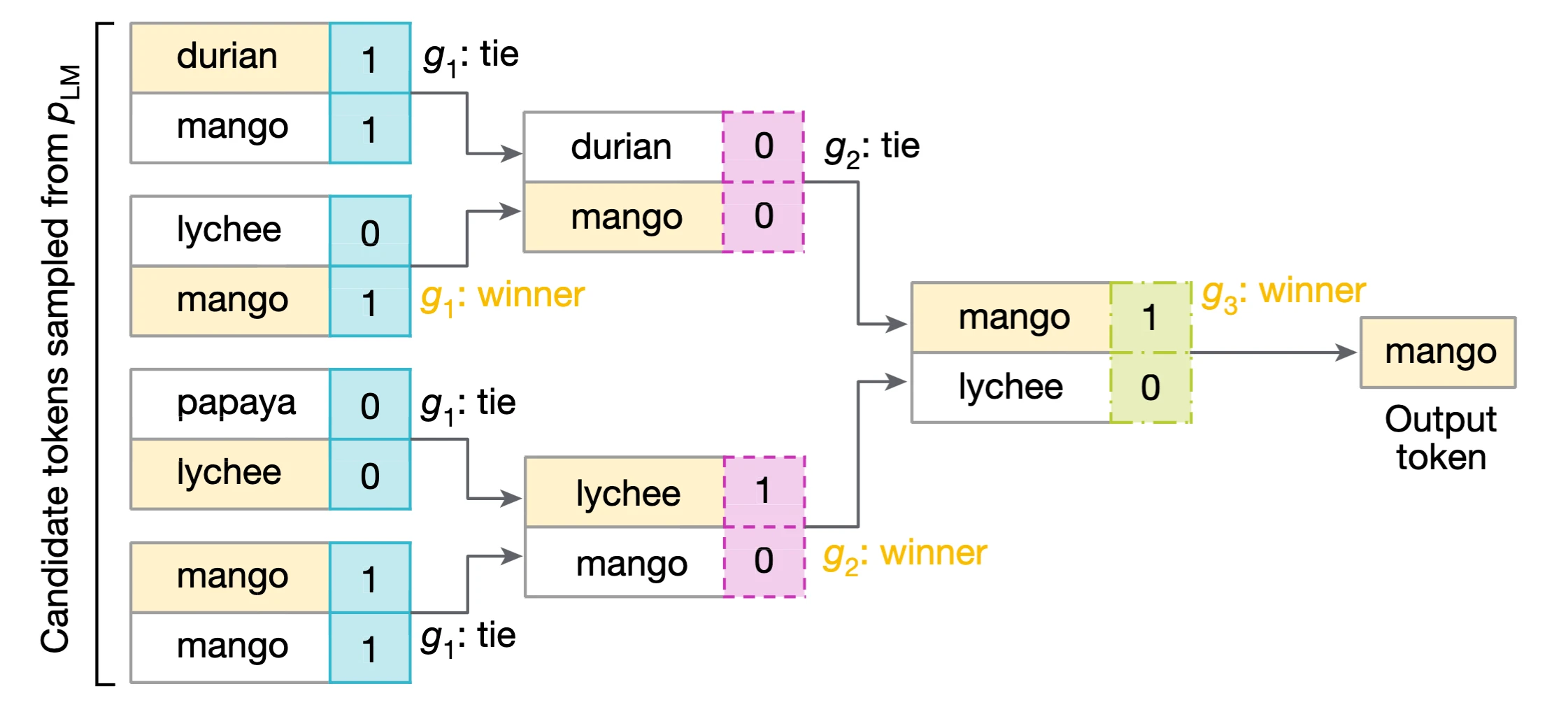
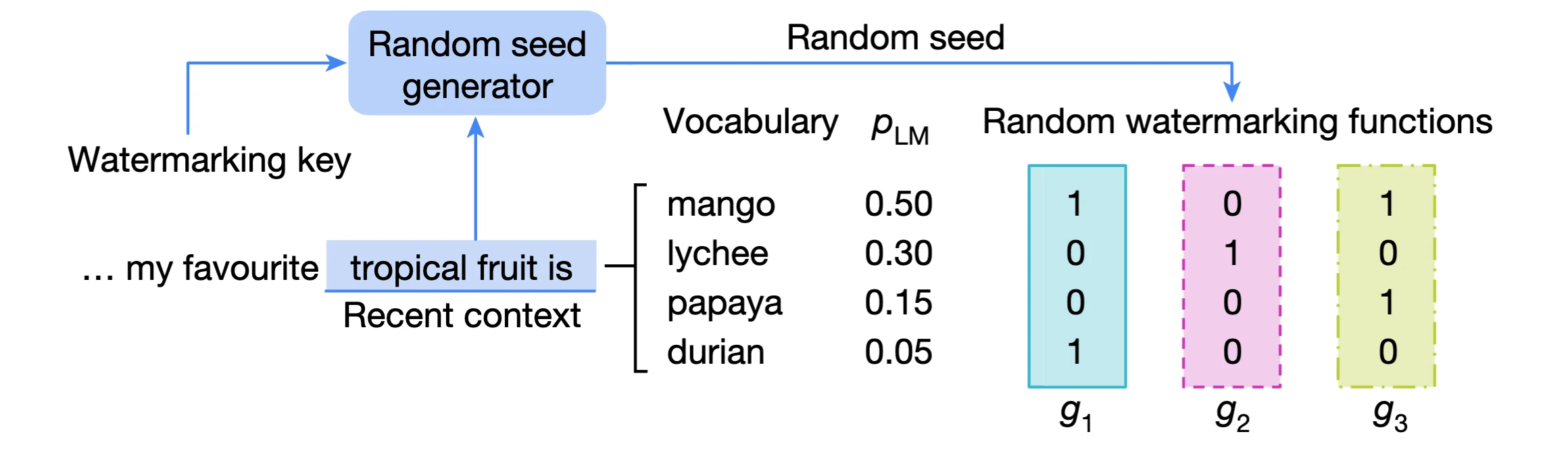
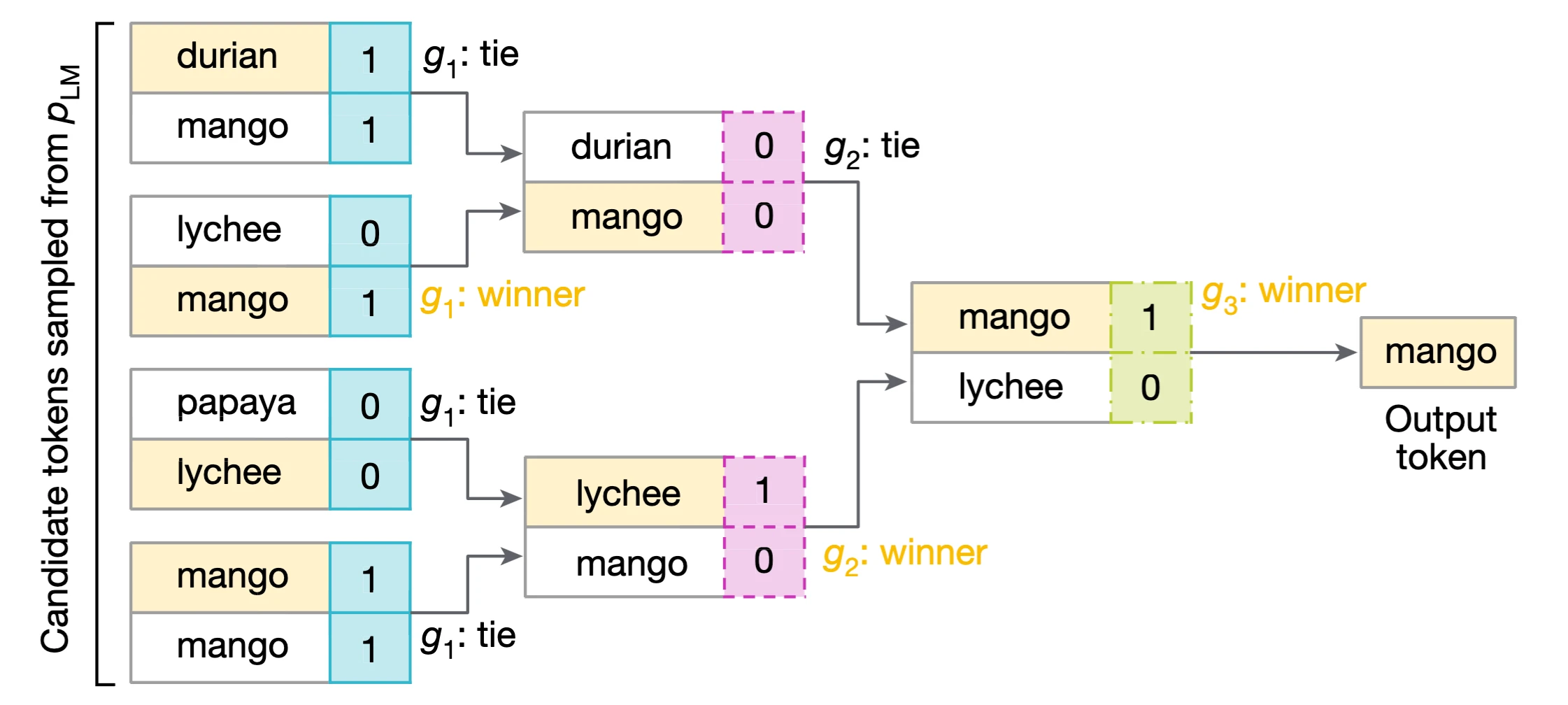
SynthID-Text, a technology developed in collaboration with Google DeepMind, is a "lossless" watermarking scheme. Unlike traditional watermarks that might insert hidden characters or specific "canary" strings into a document, SynthID operates at the level of probability. When an LLM (Large Language Model) generates text, it predicts the next token (word or character) based on a probability distribution. SynthID subtly adjusts these probabilities—a process known as "tournament sampling"—to create a specific statistical signature. This signature is invisible to the human eye but can be detected by specialized software that analyzes the frequency and sequence of word choices.

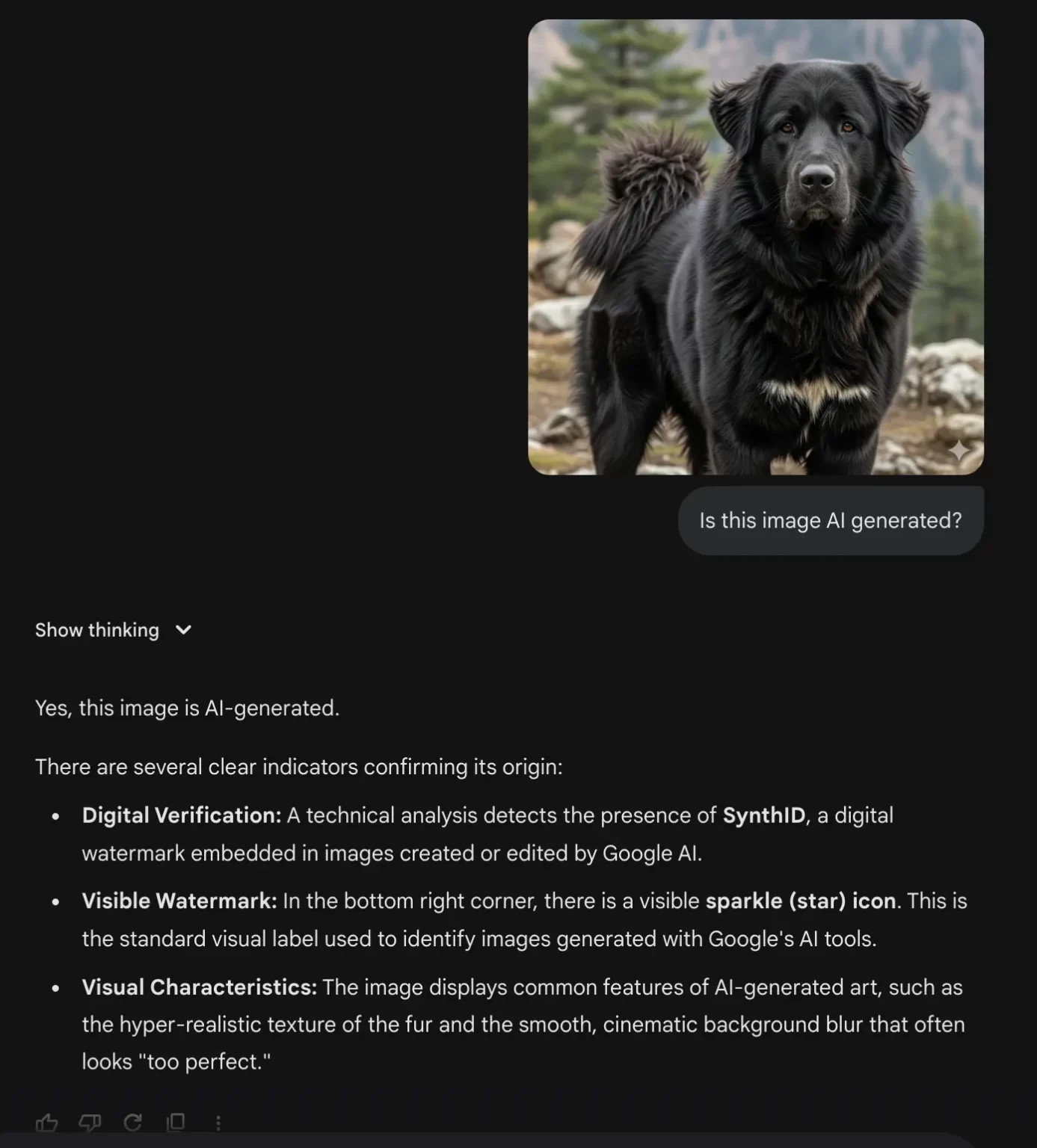
For files such as .png, .jpg, and .svg, Anthropic employs the Coalition for Content Provenance and Authenticity (C2PA) standard. This is a metadata-based approach that attaches a "Content Credential" to the file header. This manifest contains information about the asset’s origin, including the fact that it was generated or processed by Claude. Unlike SynthID, C2PA does not typically alter the actual pixels of an image; instead, it sits alongside the data as a secure, signed record.
Chronology of AI Watermarking Adoption
The push for AI watermarking has accelerated rapidly over the last 24 months, driven by both legislative pressure and industry self-regulation.
- July 2023: Leading AI companies, including Anthropic, Google, and Microsoft, commit to the Biden-Harris administration to develop robust watermarking systems to manage the risks of generative AI.
- October 2023: The White House issues an Executive Order on the Safe, Secure, and Trustworthy Development and Use of Artificial Intelligence, specifically calling for the development of standards for content authentication.
- Early 2024: The C2PA standard gains mainstream momentum as Adobe, Nikon, and OpenAI begin integrating Content Credentials into their software and models.
- Late 2024: Anthropic begins the phased rollout of SynthID-Text across the Claude 3.5 and subsequent model families, ensuring that long-form prose carries a detectable signature.
- Present: Claude now applies these markings by default, leading to an increased demand for methods to bypass or strip these identifiers for various use cases.
Removing Claude Watermarks from Text
Removing a statistical watermark from text is significantly more complex than deleting a hidden character. Because the watermark is embedded in the very structure of the sentences and the choice of vocabulary, simple "metadata cleaning" is impossible.
The Statistical Nature of SynthID
In a passage of 500 words, Claude might have thousands of opportunities to choose between synonyms (e.g., choosing "utilize" over "use" or "significant" over "important"). SynthID biases these choices. If a detector finds that a text consistently follows these biased choices across a long enough sample, it flags the content as AI-generated with a high degree of confidence.
The "Rewrite" Strategy
The only effective way to remove a text-based watermark is to disrupt the statistical pattern. This is achieved through substantial rewriting or paraphrasing.
- Manual Paraphrasing: By manually changing the sentence structure, alternating the rhythm of the prose, and introducing idiosyncratic human vocabulary, the statistical bias introduced by Claude is diluted.
- LLM Cross-Pollination: Using a secondary model that does not employ SynthID-Text (such as certain open-source models or specific configurations of OpenAI’s GPT-4o) to rewrite Claude’s output can effectively "wash" the watermark.
For developers, a Python-based approach can automate this. By sending Claude’s output to a secondary API with a strict "rewrite" prompt, the original statistical signature is replaced by the signature (or lack thereof) of the second model. Technical tests suggest that a rewrite involving a change of at least 30-40% of the original wording is usually sufficient to drop the detection probability below the threshold of most statistical scanners.
Addressing Watermarks in Generated Code
Code presents a unique challenge for watermarking. Unlike prose, where there are infinite ways to express an idea, code must adhere to strict syntactical rules. A Python script or a React component has limited "arbitrary choices."
Anthropic acknowledges that while generated code falls under its text watermarking system, the markings are naturally weaker. If a model is forced to use a specific API call or a standard library function, it cannot bias that choice without breaking the code. Consequently, watermarks in code are often concentrated in comments, variable names, and non-functional formatting.
Automated Source Transformation
To remove watermarks from Python code generated by Claude, developers can use Abstract Syntax Tree (AST) transformations. An AST is a tree representation of the abstract syntactic structure of source code. By using Python’s ast module, one can programmatically:
- Rename all local variables and function arguments.
- Remove all docstrings and comments (where statistical marking is most likely to hide).
- Reorder independent function definitions.
- Re-parse and "unparse" the code to standardize formatting.
Because the AST transformation focuses on the logic of the program rather than the "surface" text, it effectively strips away the stylistic choices Claude made to embed the watermark.
Stripping C2PA Metadata from Files
Removing watermarks from files like images or SVGs is the most straightforward process, as the watermark is not embedded in the content itself but in the metadata.
Anthropic’s use of C2PA is designed for "provenance," not "steganography." This means the image pixels are generally untouched. The "watermark" is a manifest stored in the file’s header. This manifest is cryptographically signed; if the file is altered in a way that the software doesn’t recognize, the signature becomes invalid, or the manifest is lost entirely.
Practical Removal Methods
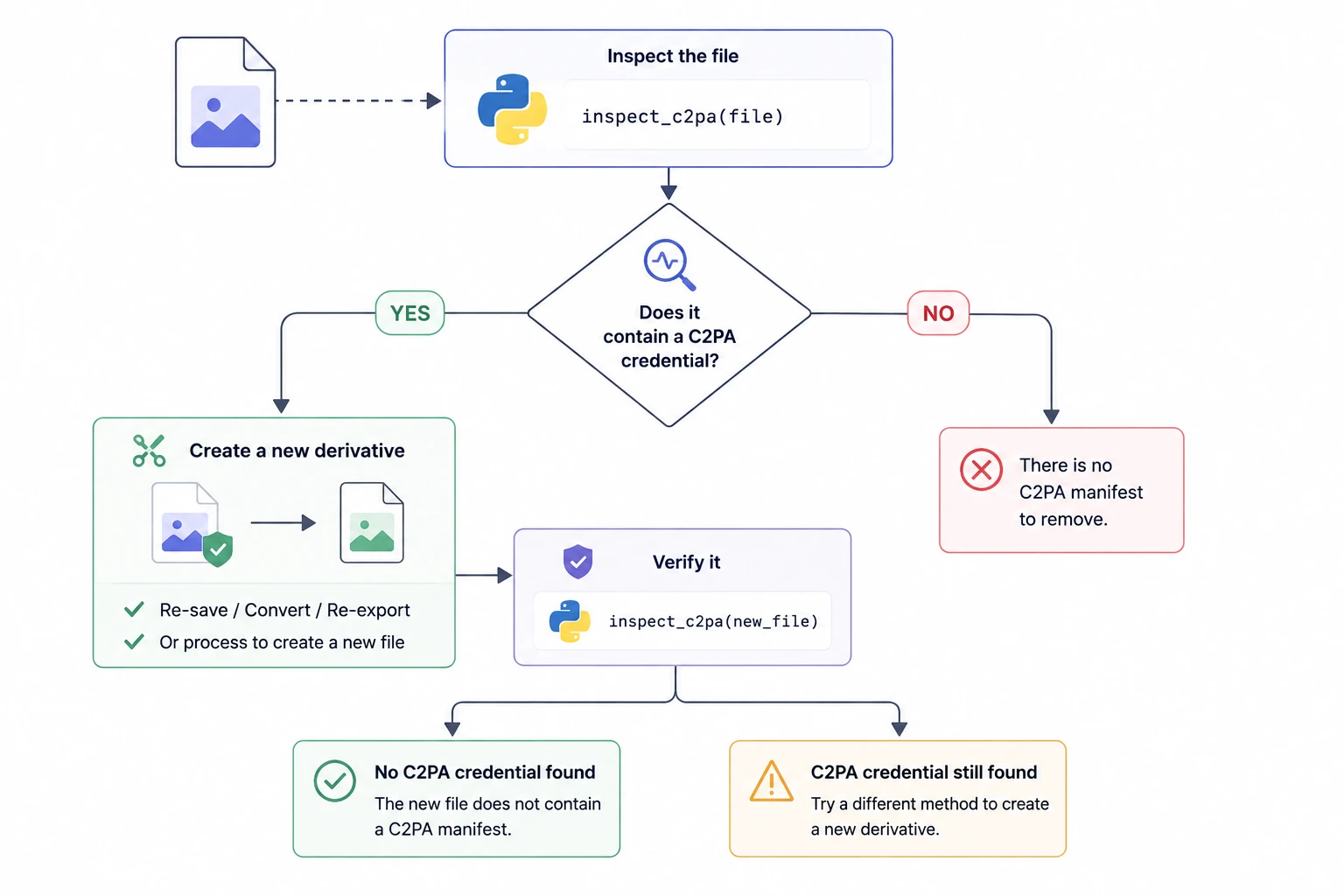
According to Anthropic’s own documentation and technical standards, several common actions will strip C2PA metadata:
- Format Conversion: Converting a .png to a .webp or .jpg often discards the original C2PA header.
- Screenshots: Taking a screenshot of the image creates a entirely new file with no connection to the original’s metadata.
- Social Media Uploads: Many platforms (such as X or WhatsApp) strip metadata to save space and protect user privacy, inadvertently removing the AI provenance.
- Metadata Scrubbers: Tools like ExifTool can be used to view and delete all metadata tags, including the C2PA manifest.
Using a Python library like c2pa-python, a user can inspect a file to confirm the presence of a manifest before using these methods to ensure the "Content Credential" has been successfully removed.
Industry Reactions and Official Statements
The implementation of these features has drawn a mixed response from the tech community. Anthropic maintains that these steps are essential for "responsible AI development." In a recent policy briefing, the company stated that "providing tools for content provenance is a critical step in mitigating the risks of misinformation and ensuring that users can trust the digital media they consume."
However, privacy advocates have raised concerns that C2PA could be used to track the history of a file in a way that compromises user anonymity. On the other hand, the "Pro-AI" creative community often views these watermarks as a hurdle that adds unnecessary friction to professional workflows.
Academic researchers at institutions like MIT and Stanford have published studies suggesting that all current AI watermarking methods are "fragile." Their research indicates that as long as a user has the ability to modify the output—whether through a "paraphrasing attack" on text or a "noise injection" on images—the watermark can be bypassed.
Broader Impact and the Future of Content Authentication
The "cat-and-mouse" game between AI developers and users seeking to remove watermarks highlights the limitations of current content authentication. While Claude’s integration of SynthID and C2PA represents the state-of-the-art in AI safety, these measures are not foolproof.
The broader implication for the digital economy is the shift toward a "zero-trust" model for digital content. As watermarks become easier to remove, the burden of proof may shift from the creator to the platform. We are likely to see a future where major browsers and operating systems provide a "Verified Human" or "AI-Generated" badge in the address bar or file explorer, based on the presence or absence of these metadata manifests.
For now, the removal of Claude’s watermarks remains a technical possibility for those with the necessary tools. However, as Anthropic and its peers refine these technologies—perhaps moving toward "robust" watermarks that survive even heavy editing—the methods of removal will likely need to become increasingly sophisticated. The ongoing evolution of this field will continue to balance the need for transparency with the practicalities of AI utility in a creative and professional world.

 Dwi Wanna