rifanmuazin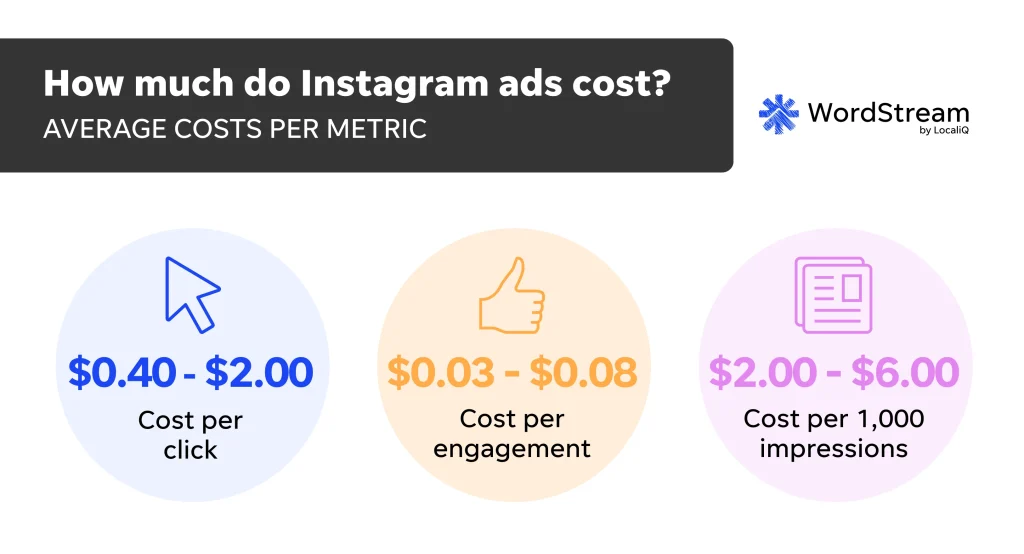
For over a decade, WordStream has served as a leading authority on advertising benchmarks, meticulously analyzing extensive data to provide actionable insights for marketers. In this comprehensive guide, we delve into the intricacies of Instagram ad costs, drawing from a robust review of the most significant and reputable industry studies. Our aim is to equip advertisers with a clear understanding of what to expect financially and how to maximize their return on investment on this dynamic social media platform.
Instagram, with its vast and highly engaged user base, presents an unparalleled opportunity for businesses to connect with their target audiences. The platform’s sophisticated advertising tools, including a wide array of ad formats and advanced audience targeting capabilities, empower advertisers to precisely define and reach their desired customers. As businesses increasingly consider allocating marketing budgets to Instagram, a fundamental question arises: "How much do Instagram ads cost?"
While numerous online resources offer data on cost per click (CPC), cost per engagement (CPE), and cost per lead (CPL) for Instagram ads, these figures can vary significantly. WordStream has undertaken the extensive research to synthesize the most accurate and relevant information, providing a clear and definitive picture of Instagram ad expenditures. This analysis goes beyond mere cost figures, explaining the underlying mechanisms of Instagram advertising, its inherent value proposition, the key factors influencing pricing, and practical strategies for cost optimization.

Understanding the Core Instagram Ad Metrics and Their Costs
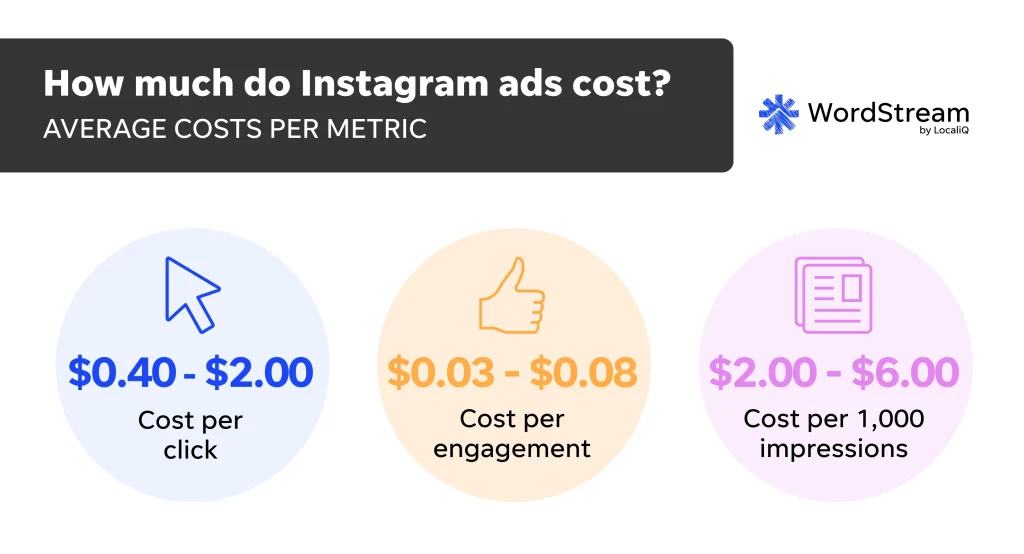
At its core, advertising on Instagram involves understanding several key performance indicators, each with its own associated cost. Based on our extensive analysis of industry benchmarks, advertisers can expect the following average cost ranges:
- Cost Per Click (CPC): Instagram ads typically range from $0.40 to $2.00 per click.
- Cost Per Engagement (CPE): The cost per engagement for Instagram ads generally falls between $0.03 and $0.08.
- Cost Per Thousand Impressions (CPM): Advertisers can anticipate paying between $2.00 and $6.00 for every 1,000 impressions.
These figures represent averages and can fluctuate based on a multitude of factors, which will be explored in detail.
Instagram Cost Per Click (CPC) Breakdown
The Cost Per Click (CPC) on Instagram can vary significantly, with reported averages ranging from $0.40 to $0.70 for all ad clicks. It is crucial to distinguish between general ad clicks and those that lead to a specific destination URL. Clicks that direct users to an external website, such as a product page or landing page, tend to be more valuable and thus incur a slightly higher cost, typically between $0.50 and $1.20. This distinction is vital for advertisers focused on driving website traffic and conversions, as it directly impacts the efficiency of their campaigns.
A "click" on Instagram can encompass various interactions, including expanding an ad to view more details or simply tapping a "like" button. While all these interactions contribute to engagement, the CPC for users driven to a specific external link is a more direct measure of traffic acquisition cost.
Instagram Cost Per Engagement (CPE) Explained
The Cost Per Engagement (CPE) on Instagram offers a measure of how much an advertiser pays for each interaction with their ad. These engagements can include likes, comments, shares, and saves. The average CPE on Instagram typically hovers between $0.03 and $0.08. While a high number of engagements, such as likes, indicates that an ad’s messaging resonates with the target audience, it is generally less valuable from a direct conversion standpoint than a click to a website. Consequently, the cost associated with an engagement is lower than that of a click.
Engagements serve as valuable indicators of audience reception and message-audience alignment. They signal that the creative content and copy are capturing attention and prompting a reaction, which is a foundational step in building brand awareness and fostering customer relationships.
Instagram Cost Per Thousand Impressions (CPM)
The Cost Per Thousand Impressions (CPM) is a key metric for advertisers focused on brand awareness and broad reach. For well-performing campaigns and ad sets on Instagram, the CPM typically ranges from $2.00 to $6.00. Impressions measure how many times an ad is displayed to users. This metric is particularly important for campaigns aimed at introducing a new product, refreshing brand identity, or announcing significant business developments, such as opening a new location.
When the primary objective is to maximize brand visibility and ensure a new offering is seen by a wide audience, a low CPM is highly desirable. It allows advertisers to achieve extensive reach within a defined budget, ensuring their message permeates the target market.

How Instagram Advertising Operates
Instagram’s advertising ecosystem is intrinsically linked to Meta’s robust business management tools. Advertisers utilize Meta Business Suite (formerly Facebook Ads Manager) to conceptualize, launch, and manage their campaigns. This centralized platform allows for comprehensive control over various campaign parameters, including:
- Campaign Setup: Defining overarching goals and strategies.
- Budget Allocation: Setting daily or lifetime spending limits.
- Audience Selection: Precisely defining the demographics, interests, and behaviors of the target audience.
- Ad Placements: Choosing where ads will appear within the Instagram app and across Meta’s network.
- Optimization Options: Selecting specific metrics to prioritize for campaign performance.
Once these parameters are established, Instagram ads are served to the chosen audience within the specified time frame and budget, adhering to the defined optimization goals.
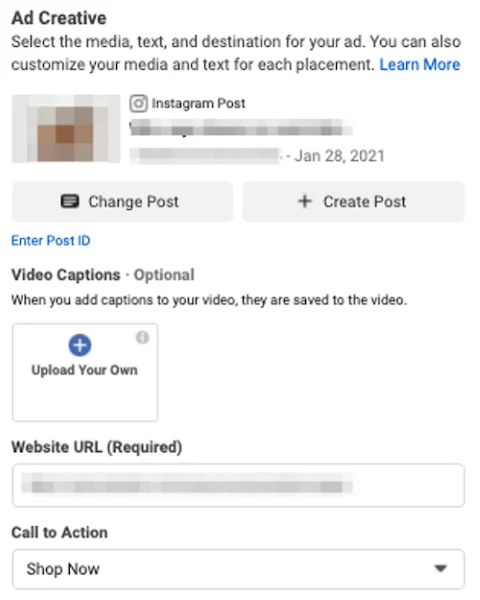
The platform offers a remarkable degree of flexibility in ad design and functionality. Depending on the chosen campaign objective, Instagram ads can feature up to 18 distinct call-to-action (CTA) button options. These CTAs can direct users to a company’s website, encourage app downloads, or facilitate direct purchases through integrated shopping features. For advertisers looking to seamlessly integrate their Instagram advertising efforts with their broader digital marketing strategy, Meta’s business tools provide the necessary infrastructure to manage campaigns effectively.
The Enduring Value Proposition of Instagram Advertising
The decision to invest in Instagram advertising is underpinned by several compelling advantages that contribute to its effectiveness and justify its cost. In an era where social media advertising is a cornerstone of most marketing plans, Instagram stands out due to its unique attributes:

Unparalleled Advanced Targeting Capabilities
Instagram boasts a colossal user base, exceeding 3 billion monthly active users, representing more than a third of the global population. However, the true marketing power lies in Meta’s sophisticated suite of audience and geographic targeting data. This granular control allows advertisers to be highly prescriptive in reaching specific segments of the population.
Advertisers can leverage:
- Native Audiences: Based on user interests, behaviors, and demographic information.
- Custom Audiences: Built from data sources such as Meta Pixel or SDK (for website and app activity), customer email lists, or engagement data from existing social media interactions.
This advanced targeting capability is instrumental in ensuring that advertising spend is directed towards individuals most likely to be interested in a product or service, significantly enhancing the efficiency of both prospecting and retargeting campaigns.
Consistently High Engagement Rates
Instagram is renowned for its high engagement rates, which significantly outpace many other social media platforms. A well-managed Instagram account can achieve an average engagement rate of approximately 0.48% across its organic posts. This figure contrasts sharply with the average engagement rate of 0.15% on Facebook, highlighting Instagram’s inherent advantage in capturing user attention.

Paid advertising amplifies this advantage, allowing brands to expand their reach and visibility exponentially. Visual content, in particular, performs exceptionally well on Instagram. Video ads, for instance, often see a substantial uplift in engagement, reportedly around 38% more than other formats. As a visually driven platform, images and videos are inherently more effective in driving interactions compared to text-heavy platforms. Incorporating interactive elements like polls within ads can further boost engagement metrics.
Direct External Link Integration
A significant differentiator for Instagram advertising is the ability to include clickable links directly within ads. Unlike organic posts, where links in captions require manual copying and pasting or directing users to a bio link, Instagram ads can seamlessly direct users to designated external URLs. This direct pathway is crucial for driving website traffic, facilitating online purchases, and tracking conversions effectively.
For optimal performance and accurate data tracking, it is highly recommended to utilize a custom domain for ad destinations where a Meta Pixel can be implemented. This ensures that website traffic originating from Instagram ads is accurately attributed and can be leveraged for future retargeting efforts.
Extended Video Content Opportunities
Instagram offers ample opportunities for longer video content within its advertising formats. Feed and Explore videos can extend up to 60 seconds, while ads within Stories, though typically shorter, can accommodate up to 2 minutes of video content when run as ads in these placements. This extended duration provides advertisers with a more substantial canvas to convey brand narratives, showcase product features and benefits, and build a deeper connection with their audience. This extended format is particularly beneficial for demonstrating complex products or services and elaborating on unique selling propositions.
Key Determinants of Instagram Ad Costs
The cost of running Instagram ads is not a fixed entity; it is a dynamic outcome influenced by several interconnected factors. Understanding these variables is crucial for effective budget management and campaign optimization.
Campaign Objective’s Role in Pricing
The chosen campaign objective plays a pivotal role in determining ad costs. Objectives are intrinsically linked to the user’s position within the marketing funnel, and this directly impacts their perceived value and, consequently, their cost.
- Brand Awareness Campaigns: Targeting broader, less familiar audiences with the goal of increasing brand recognition typically incurs lower costs. These are considered lower-value actions as the user is not yet primed for conversion.
- Conversion Campaigns: Campaigns focused on driving high-value actions, such as purchases or lead generation, target users further down the funnel who are more likely to convert. These campaigns often command higher costs due to the increased competition for these more qualified leads.
The system prioritizes delivering ads to users most likely to complete the desired action, and the inherent value of that action dictates the bidding landscape.
Influence of Audience Size and Competition
The size and specificity of the target audience directly impact ad costs.
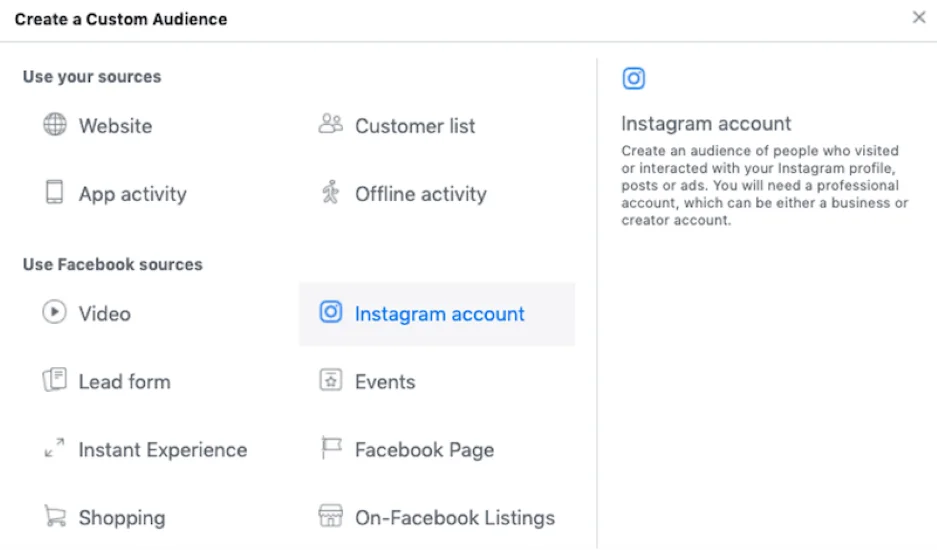
- Broad Audiences: Targeting large, general audiences generally results in lower costs because there is less competition for ad space within these expansive groups.
- Niche Audiences: As audiences become more narrowly defined – for instance, by reducing age ranges or geographical targeting – competition for those specific user eyeballs intensifies. This increased competition often leads to higher ad prices.
- Retargeting Audiences: These audiences, by their nature, are smaller as they consist of individuals who have previously interacted with the brand. The higher competition for these highly engaged users often translates into higher CPCs or CPMs.
Budget and the Learning Phase
An advertiser’s budget has a direct correlation with campaign performance and cost efficiency over time.
- Smaller Budgets: Campaigns with smaller budgets may remain in the "Learning Phase" for an extended period. During this phase, the ad platform’s algorithm is gathering data to understand the campaign’s performance and audience behavior. Costs can be higher initially as the system calibrates.
- Larger Budgets & Optimization: With sufficient budget and data, the algorithm learns and optimizes. Ads that demonstrate strong engagement and achieve their optimization goals are rewarded with lower costs over time by the platform, as they are considered more effective and valuable.
The Impact of Click-Through Rate (CTR)
The Click-Through Rate (CTR) is a critical indicator of an ad’s relevance and effectiveness.
- Low CTR: A consistently low CTR suggests a disconnect between the ad’s messaging and the target audience’s interests. The ad platform may interpret this as the ad not resonating, potentially leading to increased costs as the system struggles to find users likely to click.
- Healthy CTR: A healthy CTR, generally around 2% or higher, signifies that the ad is effectively capturing attention and prompting users to take action. This positive signal often results in lower ad costs, as the platform rewards ads that perform well and deliver value to users.
Strategic Imperatives for Optimizing Instagram Ad Costs
To ensure maximum return on investment and keep advertising expenditures in check, advertisers can implement several strategic approaches:
Aligning Campaign Objectives with the Marketing Funnel
A fundamental strategy for cost optimization is to select campaign objectives that align with the target audience’s position in the marketing funnel.

- Prospecting & Awareness: For colder, broader audiences in the initial stages of brand discovery, consider cost-effective objectives like Brand Awareness, Engagement, or Website Traffic. These campaigns introduce the brand and drive initial interest. The Meta Pixel can then track these users, allowing for subsequent retargeting efforts.
- Consideration & Conversion: For users further down the funnel, who have demonstrated interest, objectives like Conversions or Catalog Sales become more appropriate. While these may have higher upfront costs, they are designed to drive immediate, valuable actions. Impulse purchases can be successful on Instagram, but for many products, a multi-touchpoint strategy involving initial awareness followed by retargeting is often more effective.
Leveraging Automatic Placements for Broader Reach
A highly effective method for reducing Instagram ad costs is to utilize Automatic Placements at the ad set level. This allows Meta’s algorithm to distribute ads across both Instagram and Facebook, as well as various placements within these platforms (e.g., Feed, Stories, Reels, Audience Network).
By granting the algorithm greater placement liquidity, advertisers enable it to identify the most cost-effective and highest-performing placements for their ads. This approach diversifies reach, reduces competition on any single placement, and ultimately can lead to lower overall ad costs.
The Power of Ad Variation Testing
Continuous testing of ad variations is essential for optimizing performance and lowering costs. This involves experimenting with:
- Ad Copy: Testing different headlines, body text, and calls to action.
- Creatives: Trying out various images, videos, and carousel formats.
- Audiences: Segmenting and testing different audience demographics and interests.
By systematically testing these elements, advertisers can identify what resonates most effectively with their target audience. Improvements in engagement rates and CTR directly correlate with reduced ad costs and a more efficient allocation of marketing budgets. This iterative process of testing and refinement ensures that ad spend is consistently optimized for maximum impact.
Maintaining Control Over Instagram Ad Expenditures
Instagram continues its rapid growth, and its advertising capabilities are constantly evolving, offering new opportunities for businesses. The platform is far from saturated, and it is reasonable to anticipate the introduction of further ad placements and functionalities.
For businesses considering Instagram advertising, a test campaign is highly recommended. By comparing its performance against other advertising platforms, such as Facebook, or other digital channels, businesses can ascertain its efficacy in driving brand awareness, engagement, and, ultimately, revenue. Instagram can emerge as a vital component of a comprehensive marketing funnel, serving as a primary driver of customer acquisition or a significant contributor to brand visibility.
For those seeking deeper insights into digital advertising costs or assistance in maximizing their return on investment across all digital channels, exploring comprehensive digital marketing solutions can provide tailored strategies and expert support. The dynamic nature of digital advertising necessitates continuous learning and adaptation to ensure sustained success.