Google has officially announced the rollout of its September 2026 spam update, a global initiative designed to combat search engine spam across all languages. The tech giant indicated that the comprehensive rollout is anticipated to take approximately two weeks to complete, a duration notably longer than recent previous spam updates. This announcement marks the fourth such spam-focused algorithmic adjustment in 2026, underscoring Google’s persistent commitment to refining search quality and ensuring a fair playing field for legitimate websites.
The primary objective of this update, as with all spam updates, is to penalize sites employing manipulative tactics and to elevate content that genuinely serves user intent. While Google emphasizes that only sites violating its spam policies should be affected, the inherent complexity of algorithmic changes often leads to what is termed "collateral damage," where some compliant sites might experience temporary fluctuations.
Understanding Google’s Continuous Battle Against Spam

Google’s mission to organize the world’s information and make it universally accessible and useful is constantly challenged by entities attempting to game its ranking systems. Search spam encompasses a wide array of deceptive practices designed to trick search engines into ranking pages higher than they deserve, often at the expense of user experience and legitimate content. These practices range from covert keyword stuffing and hidden text to more sophisticated link schemes and automatically generated content.
To combat this, Google employs a multi-faceted approach, combining human reviewers with advanced automated systems. A cornerstone of this defense is SpamBrain, an AI-based spam-prevention system that continuously learns and adapts to new forms of spam. Spam updates, like the one currently underway, represent significant improvements or recalibrations of these automated systems, enhancing their ability to detect and neutralize emerging or evolving spam tactics. By regularly deploying these updates, Google aims to maintain the integrity of its search results, ensuring that users are presented with authoritative, relevant, and helpful information.
Key Details of the September 2026 Spam Update
The September 2026 spam update is global in scope, meaning its effects will be felt across all geographical regions and languages supported by Google Search. This broad application highlights Google’s uniform standard for quality and its universal intolerance for spam. The projected two-week rollout period is a significant detail, as it deviates from the quicker deployment of earlier 2026 spam updates. For instance, the August 2026 spam update was completed in just two days.
This extended timeline suggests a potentially more intricate or extensive recalibration of Google’s spam detection algorithms. John Mueller, a prominent Search Advocate at Google, confirmed the longer rollout, stating, "Yes, it’s likely to take longer than some of the previous ones." This could imply that the update targets a broader spectrum of spam types, involves more complex algorithmic adjustments, or requires more extensive data processing to propagate across Google’s vast index. Such a duration often means that webmasters will observe fluctuations in their search rankings over an extended period, making immediate cause-and-effect analysis challenging.
A Busy Year for Google’s Algorithms: 2026 Update Chronology
The September 2026 spam update is not an isolated event but rather the latest in a series of significant algorithmic adjustments throughout the year. It represents the fourth spam update of 2026, following earlier deployments that likely targeted specific spam vectors or made incremental improvements to SpamBrain. While specific details of previous 2026 spam updates (e.g., February 2026 Spam Update, May 2026 Spam Update, August 2026 Spam Update) are not always disclosed in granular detail by Google, their cumulative effect is to steadily improve the quality of search results.
Beyond spam updates, 2026 has also seen at least two major core updates, typically rolled out in the spring (e.g., April 2026 Core Update) and summer (e.g., July 2026 Core Update). Core updates are broader, sitewide algorithmic changes that don’t target specific issues but rather aim to improve Google’s overall understanding of content quality and relevance. The industry is currently anticipating another core update, signaling an exceptionally active year for algorithmic adjustments. This continuous cycle of updates underscores Google’s dynamic approach to maintaining its search engine’s efficacy and relevance in a constantly evolving web landscape.
Pre-Update Volatility and Initial Industry Observations
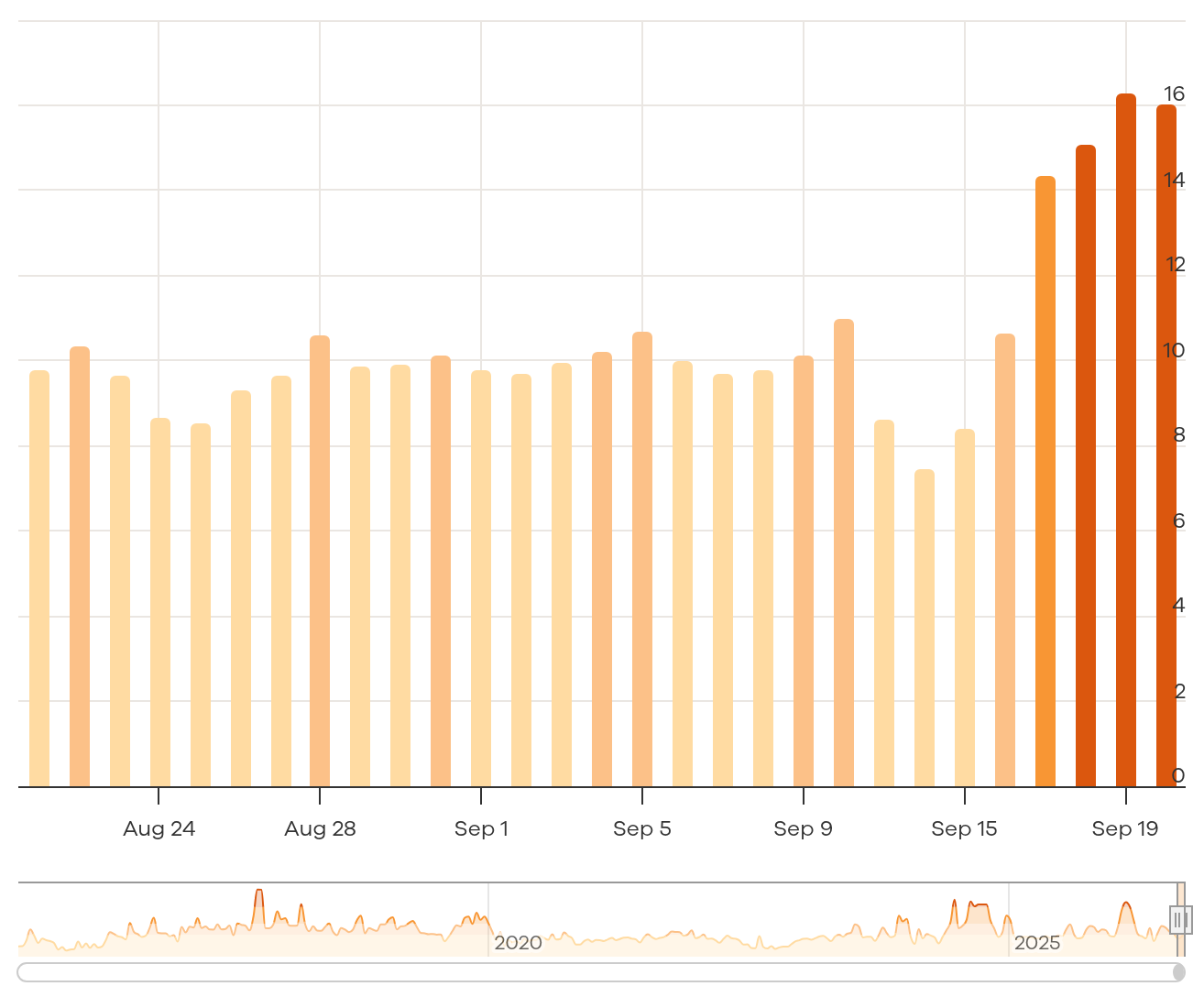
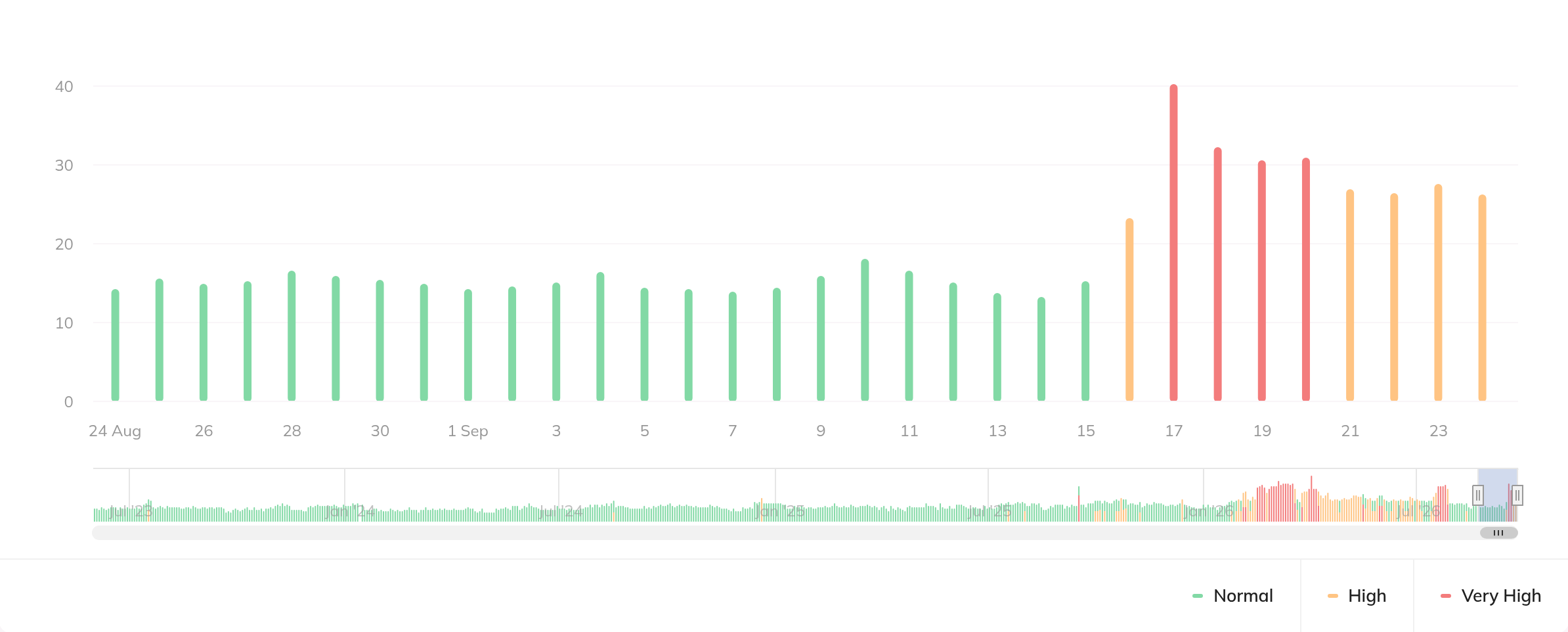
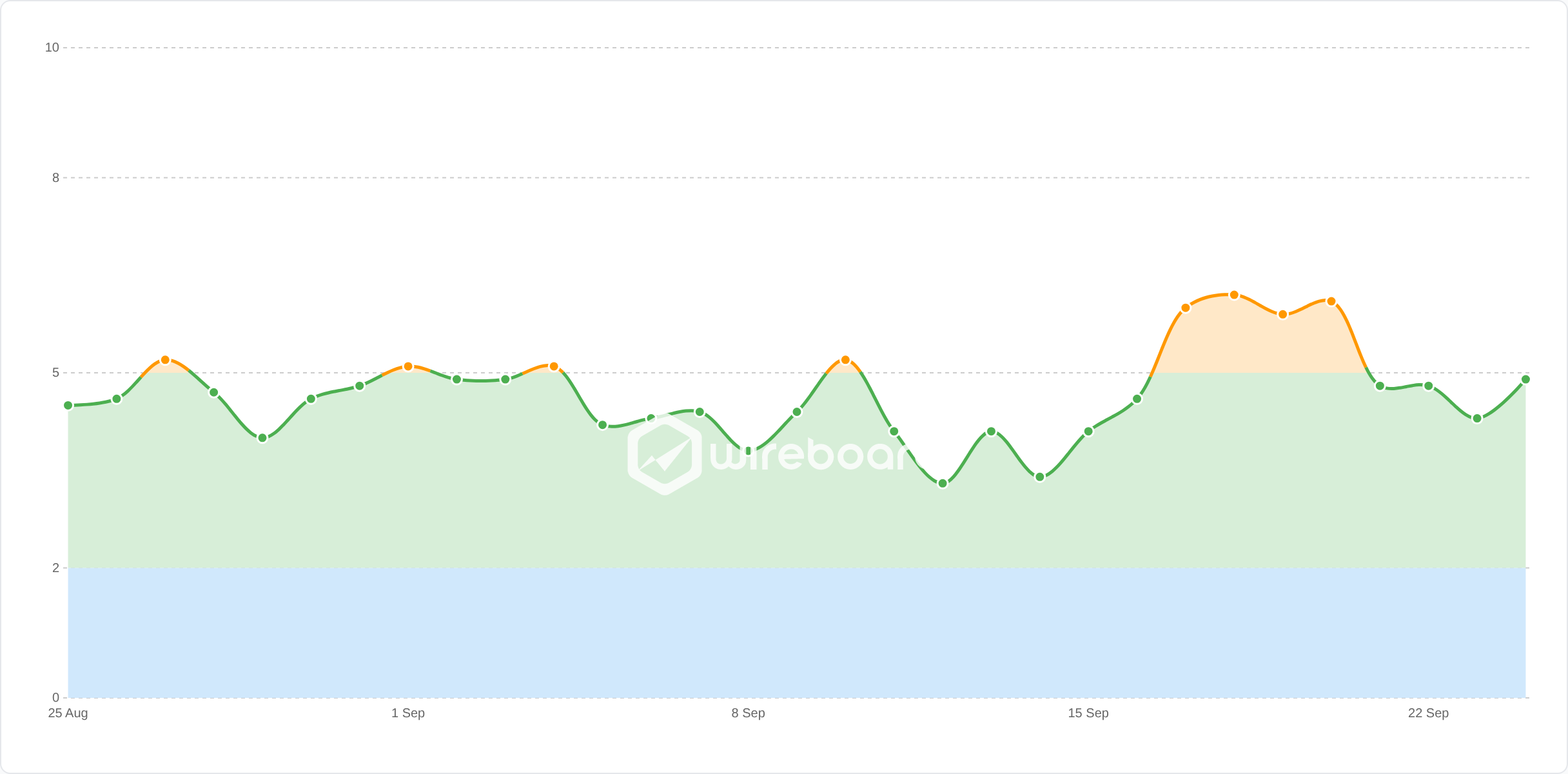
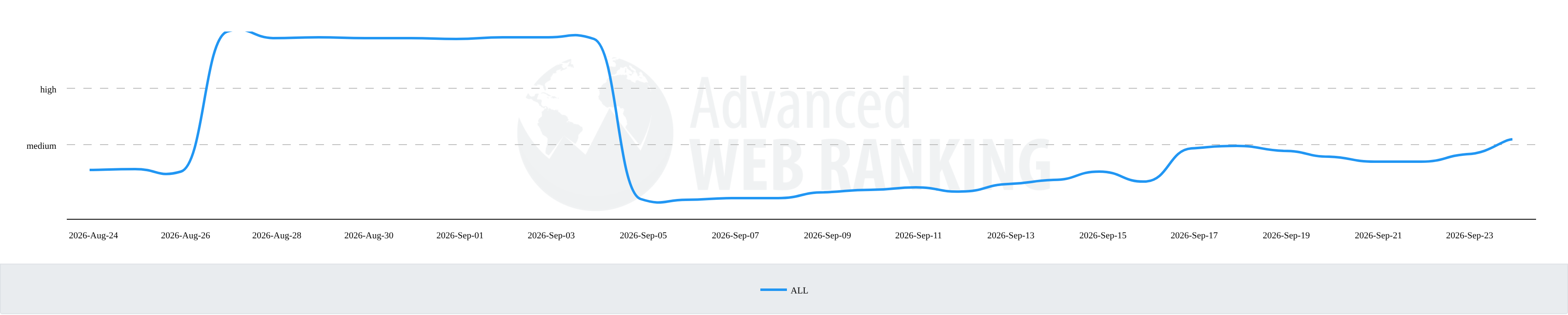
Leading up to the official announcement of the September 2026 spam update, numerous third-party SEO monitoring tools and webmaster communities reported significant volatility in Google’s search rankings. This pre-announcement turbulence, often referred to as "unconfirmed updates" or "flux," is a common precursor to major algorithmic changes. Webmasters and SEO professionals observed unusual shifts in their site’s performance across various keywords and niches, leading to widespread speculation about an impending update.
Google’s official communication regarding the update was disseminated across its primary channels. The Google Search Central team posted on LinkedIn, stating, "Today we released the September 2026 spam update to Google Search. This is a normal spam update, and it will roll out for all languages and locations. The rollout may take up to two weeks to complete. More information about spam updates can be found here." A similar announcement was made on X (formerly Twitter), directing users to Google’s ranking release history page for completion status. These official statements confirmed the suspicions sparked by the observed volatility, providing clarity to an anxious SEO community.
Diving Deeper into Google’s Spam Policies and Potential Impact
Google’s comprehensive spam policies are publicly available and serve as a critical guide for webmasters aiming for sustainable search visibility. These policies explicitly outline practices that Google considers manipulative and detrimental to search quality. Violations can lead to severe consequences, including significant drops in ranking, manual actions, or even complete removal from Google’s index.
Key spam policies target:

- Cloaking: Presenting different content to users and search engines.
- Doorway Pages: Creating multiple pages optimized for similar queries that funnel users to a single destination.
- Scraped Content: Republishing content from other sites without adding substantial value.
- Auto-generated Content: Content produced programmatically without original thought or value.
- Hidden Text and Links: Manipulating ranking by hiding keywords or links.
- Keyword Stuffing: Overloading a page with keywords in an attempt to manipulate rankings.
- Link Spam: Any practice intended to manipulate PageRank by acquiring artificial links (e.g., buying links, excessive link exchanges, large-scale article marketing with keyword-rich anchor text).
- Malicious Behavior: Such as phishing, malware, or deceptive redirects.
The September 2026 spam update is designed to improve the detection and enforcement of these policies. Sites found in violation may experience a decline in organic traffic and rankings. Google’s documentation clarifies that while making changes to comply with policies may help a site recover, this process can take several months. Crucially, in the case of link spam updates, removing the effects of manipulative links means any previous ranking benefit derived from them is lost permanently and cannot be regained. This highlights the importance of building a natural, high-quality backlink profile.
Monitoring Tools and the Measurement of Volatility
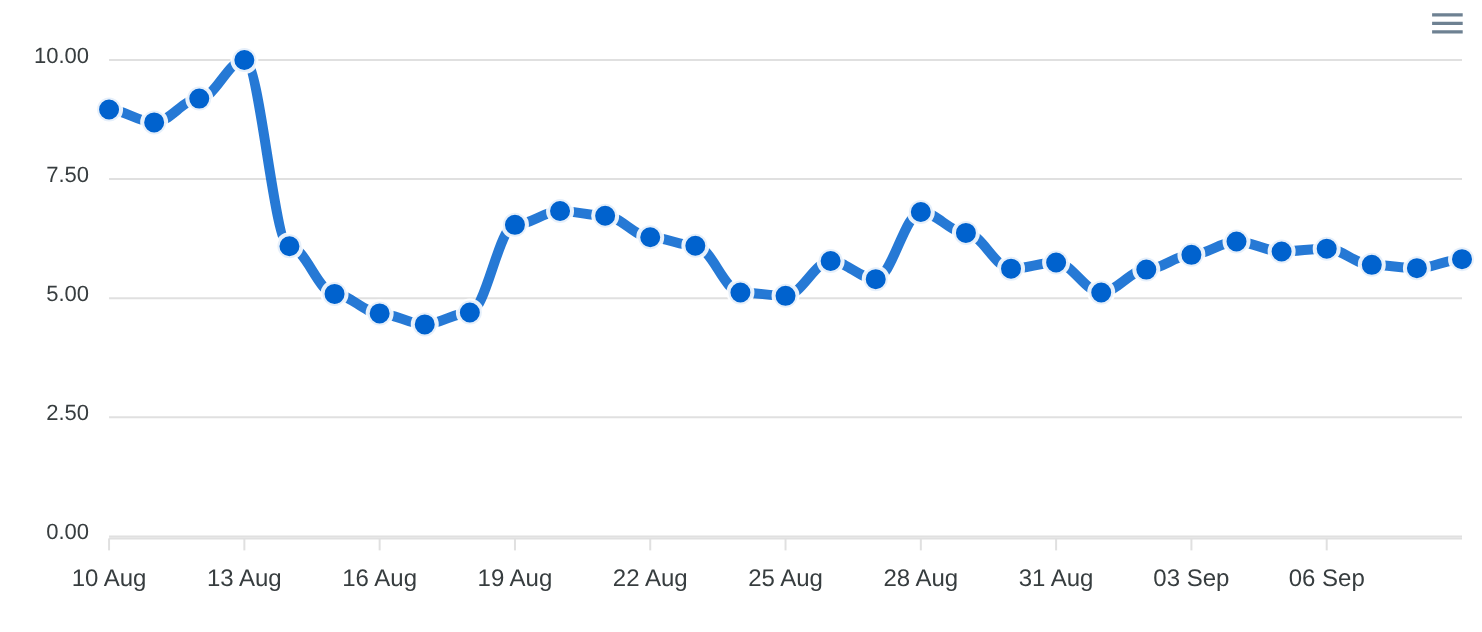
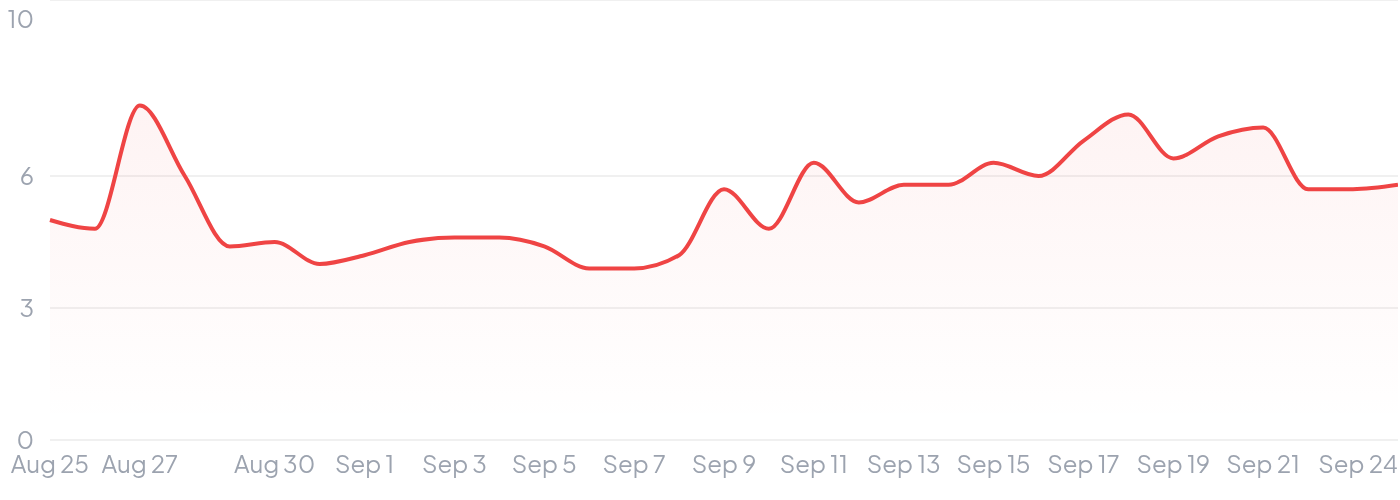
The impact of Google’s algorithmic updates is closely monitored by a suite of third-party SEO tools that track search engine results page (SERP) volatility. These tools analyze millions of keywords daily to detect significant shifts in rankings, providing an aggregated view of how much the search landscape is changing. The data presented by these tools serves as an early warning system for webmasters and a general indicator of algorithmic activity.
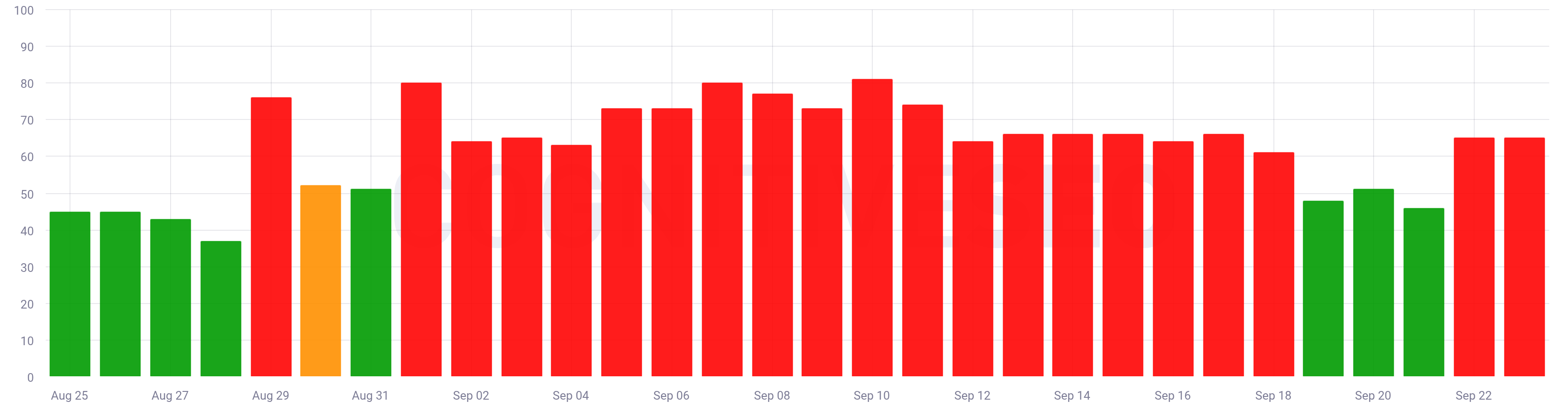
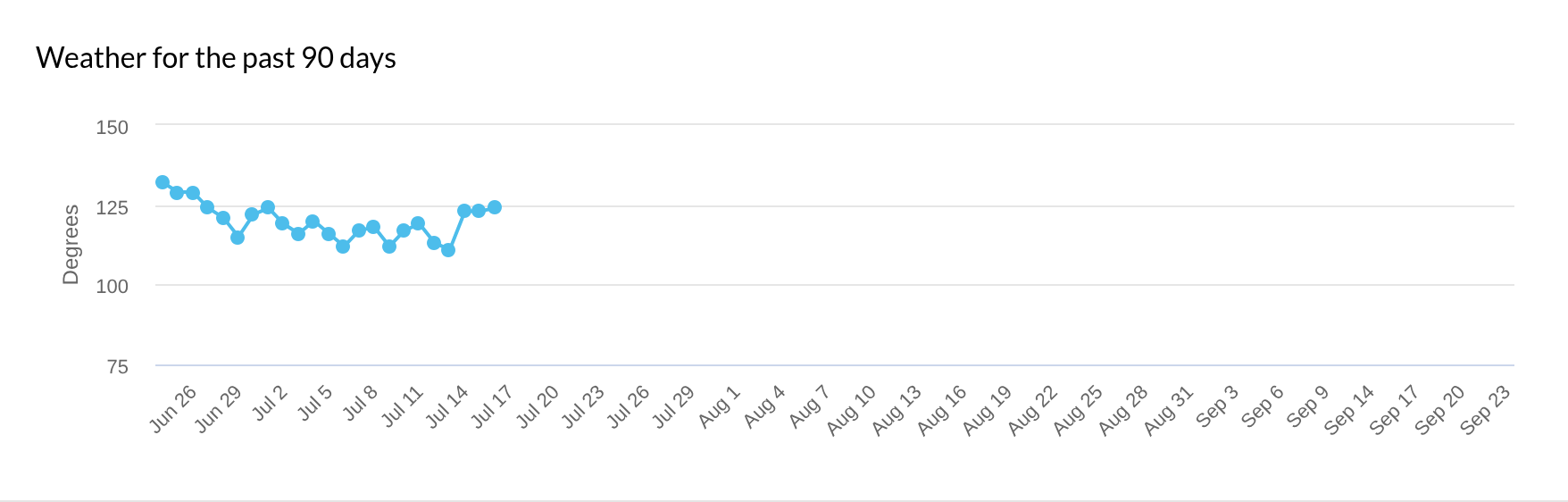
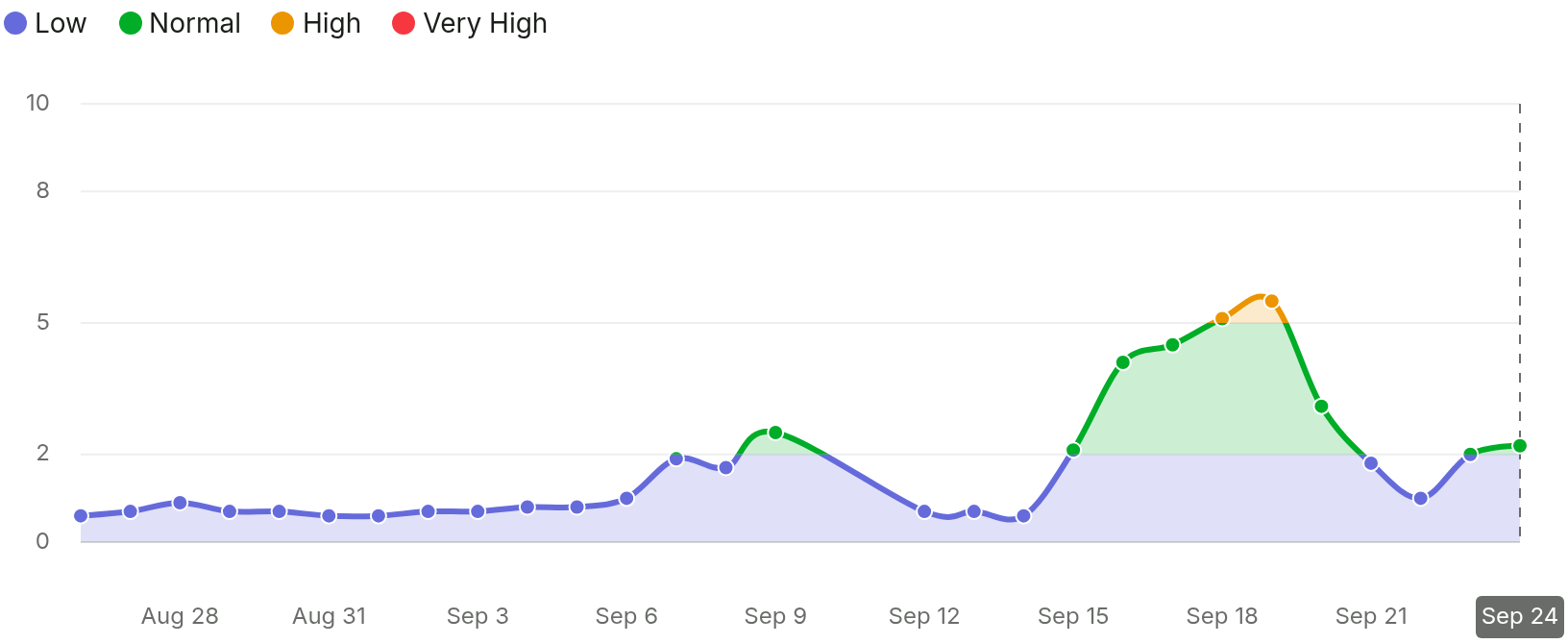
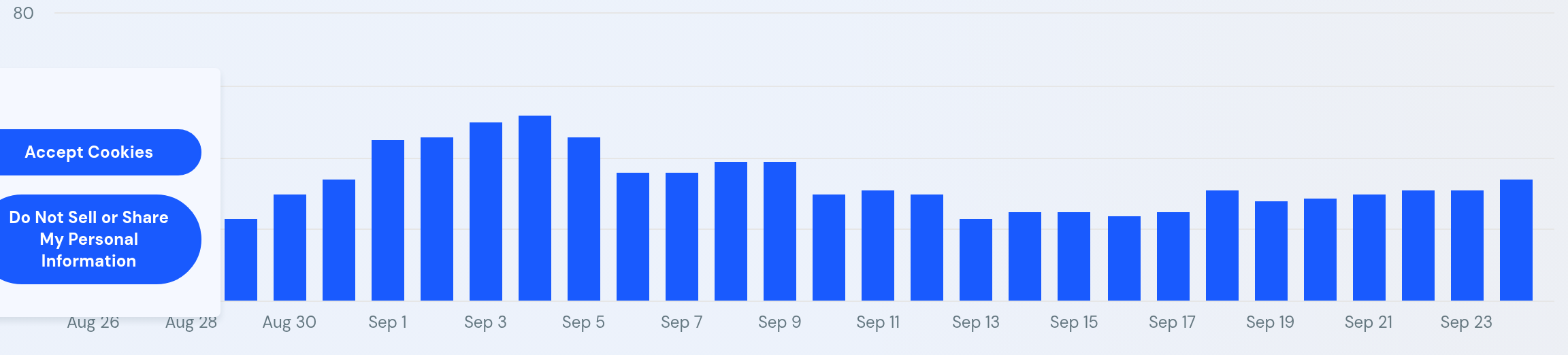
Tools such as AccuRanker Grump, Algoroo, AWR, CognitiveSEO, DataForSEO SERP Volatility, Mangools SERPWatcher, Mozcast, SEMRush Sensor, Serpstat, SimilarWeb, Sistrix, Wincher, and Zutrix Tension all provide unique perspectives on SERP fluctuations. While each tool uses its own methodology and dataset, a collective surge in their volatility metrics strongly correlates with an ongoing Google update. The provided volatility chart, aggregating data from these diverse sources, clearly illustrates an uptick in SERP movement coinciding with the September 2026 spam update’s rollout. Peaks in the chart reflect periods of heightened ranking changes, confirming the algorithmic activity reported by Google. For instance, several tools showed increased turbulence in the days immediately preceding the announcement, with some, like AccuRanker and SEMRush, showing significant spikes in the week leading up to September 24th, 2026. This data helps the SEO community visualize the magnitude and duration of the update’s impact.
Strategic Implications for Webmasters and SEO Professionals
For website owners and SEO professionals, the September 2026 spam update serves as a powerful reminder of Google’s unwavering commitment to search quality. The prolonged rollout period suggests a substantial re-evaluation of spam signals, prompting a critical review of current SEO strategies.
Key implications and recommended actions include:
- Adherence to Guidelines: Prioritize strict adherence to Google’s Webmaster Guidelines and spam policies. Regular audits of content, technical SEO, and backlink profiles are essential.
- Content Quality: Focus on creating high-quality, original, and valuable content that genuinely meets user needs. Avoid any form of auto-generated, scraped, or thin content.
- Ethical Link Building: Review backlink acquisition strategies. Disavow any low-quality or manipulative links. Focus on earning natural links through excellent content and genuine outreach.
- User Experience: Ensure a positive user experience, as Google increasingly incorporates user signals into its ranking algorithms. This includes site speed, mobile-friendliness, and clear navigation.
- Monitor Analytics: Closely monitor Google Search Console and analytics data for any changes in organic traffic, keyword rankings, and impressions. Sudden drops could indicate an impact from the update.
- Stay Informed: Keep abreast of official Google announcements and industry analysis to understand the evolving search landscape.
The ongoing battle against spam is a dynamic one. As spammers develop new techniques, Google refines its detection systems. This continuous evolutionary cycle means that a proactive and ethical approach to SEO is not merely a best practice but a fundamental requirement for long-term online success. The September 2026 spam update reinforces the message that Google prioritizes user trust and quality, and websites that uphold these values will ultimately thrive in the search ecosystem.