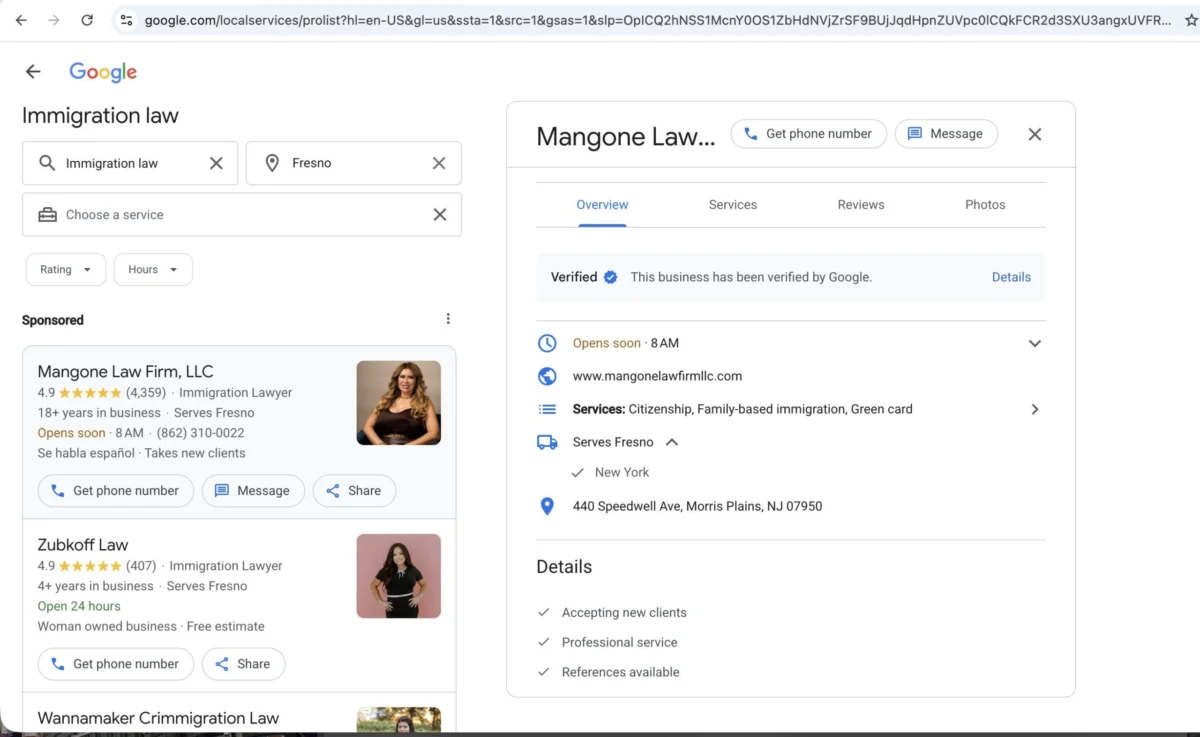
Google has announced a significant policy update for its Local Services Ads (LSAs) platform, informing advertisers that as of October 1, 2026, they will begin to incur charges for certain missed and subsequent calls originating through the system. This forthcoming change, communicated via email to select advertisers, signals a strategic shift aimed at enhancing lead quality, promoting business responsiveness, and optimizing the user experience for consumers seeking local professionals. The update is poised to redefine the operational and financial considerations for countless small and medium-sized businesses relying on LSAs for lead generation.
The core of the new policy, as outlined in the notification, indicates that charges will apply not only to successfully connected calls but also to calls that are missed by the advertiser and, critically, to "subsequent" calls. While the precise definition of "subsequent" calls for billing purposes will be crucial for advertisers to understand, the overarching intent is clear: Google expects businesses to be readily available and responsive to potential customers connecting through the LSA platform. This move marks a departure from the traditional pay-per-qualified-lead model that has been a hallmark of LSAs, introducing a layer of accountability for call handling.
Detailed Breakdown of the Policy Changes
The email notification explicitly states, "On October 01, 2026, we are updating how and when you are charged for call leads originating from Local Services Ads." This long lead time, nearly two and a half years from the initial announcement, suggests Google intends to provide businesses ample opportunity to adapt their call management systems and operational protocols.
A key component of the update is the inclusion of "Protecting your business" measures designed to mitigate potential unfair charges. These safeguards include:
- IVR System Clause: For businesses utilizing Interactive Voice Response (IVR) systems that require customers to press a key to route their call, the 20-second timer (presumably a minimum call duration before a charge is incurred) will only commence once the customer presses the key. This means advertisers will not be charged if a customer fails to navigate the IVR system to connect with a department. This is a crucial protection against charges for calls that never truly reach the business.
- Spam and Malicious Activity Safeguards: Google is introducing new safeguards specifically aimed at limiting robot calls and addressing spam call abuse. This acknowledges a persistent challenge for advertisers across all call-based ad platforms and aims to protect them from fraudulent or irrelevant charges.
Google justifies these changes by asserting that they are designed to help searchers "connect quickly with a trusted local professional." The company elaborates, stating, "This policy update helps ensure our platform continues to meet these customer expectations while rewarding businesses that provide excellent responsiveness." This framing underscores Google’s commitment to improving the consumer experience and incentivizing high-performing advertisers within the LSA ecosystem.
Understanding Local Services Ads: A Background
To fully grasp the implications of this policy shift, it is essential to understand the unique nature and growth of Google Local Services Ads. Introduced initially in select markets around 2017-2018 for specific service categories like plumbers, electricians, and locksmiths, LSAs have rapidly expanded to encompass a wide array of home services, legal, financial, and even pet care professionals across numerous geographies.
Unlike traditional Google Ads (formerly Google AdWords), which operate on a pay-per-click (PPC) model, LSAs are designed as a pay-per-lead platform. Businesses participating in LSAs undergo a rigorous vetting process, which often includes background checks for owners and employees, verification of licenses, and proof of insurance. Upon successful completion of this screening, businesses are awarded a "Google Guaranteed" badge, providing consumers with a layer of trust and assurance. In some cases, a "Screened by Google" badge is also used.
The primary appeal of LSAs for local businesses has been their direct-to-customer lead generation model, where businesses only pay when a qualified customer contacts them directly through the LSA interface, typically via a phone call or message. This performance-based model has made LSAs an attractive option, particularly for small businesses that may lack the resources for complex PPC campaign management. The LSA platform simplifies the ad process, allowing businesses to focus on service delivery rather than intricate keyword bidding.
Chronology of LSA Development and Policy Evolution
The journey of Local Services Ads has been marked by continuous evolution since its inception.
- Initial Pilot (2015-2017): Google began testing a service similar to LSAs in select cities, initially focusing on home services like plumbing and HVAC. The goal was to connect users with trusted, pre-vetted professionals.
- Official Launch & Expansion (2017-2018): Google officially launched Local Services Ads in various U.S. markets, progressively expanding categories and geographic reach. The "Google Guaranteed" badge became a prominent feature, offering consumer protection up to $2,000 if a customer was dissatisfied with the work booked through LSA.
- Pay-per-lead Model Refinement: From the outset, the pay-per-lead model was central. Google refined its definition of a "qualified lead" over time, often allowing advertisers to dispute calls that were spam, wrong numbers, or unrelated to their services. This mechanism was a key differentiator and a source of trust for advertisers.
- Integration with Google My Business (now Google Business Profile): LSAs became increasingly integrated with other Google local search products, leveraging business profile data for ad display and targeting.
- Recent Policy Updates: While specific dates for past LSA policy changes are not always widely publicized, Google consistently tweaks its algorithms and policies to improve user experience and advertiser ROI. The current announcement, with its long lead time, is one of the most significant shifts in the LSA billing model to date. The email notification was observed in June 2024, giving advertisers more than two years to prepare for the October 1, 2026, effective date.
The Rationale: Google’s Pursuit of Responsiveness and Quality
Google’s stated rationale for this policy update centers on enhancing the speed and quality of connections between consumers and local professionals. In today’s fast-paced digital landscape, consumer expectations for immediate service are higher than ever. When a homeowner searches for an "emergency plumber" or a "24-hour electrician," their need is often urgent, and they expect a rapid response.
Industry data consistently supports the importance of speed in lead conversion. Studies by various sales and marketing analytics firms show that businesses that respond to leads within five minutes are significantly more likely to qualify and convert them compared to those that delay. A missed call often translates directly into a lost opportunity, as customers will simply move on to the next available provider in search results. Some estimates suggest that 70-80% of callers will not leave a voicemail and will simply call another business if their initial call is unanswered.
By charging for missed calls, Google is essentially placing a premium on responsiveness. It incentivizes businesses to optimize their call handling processes, ensuring that leads generated through LSAs are not wasted. This, in turn, promises a better experience for the end-user, who is more likely to connect with a professional quickly, and for Google, it reinforces the value and efficacy of its LSA platform. The policy aims to "reward businesses that provide excellent responsiveness," suggesting a direct link between prompt service and advertising effectiveness.

Implications for Advertisers: Financial and Operational Shifts
This policy change will have profound implications for businesses utilizing Local Services Ads, affecting both their financial outlay and operational strategies.
- Increased Ad Spend and Budget Reallocation: For businesses with high missed call rates, this policy could lead to a significant increase in their overall LSA expenditure. Advertisers will need to meticulously track their call answer rates and adjust budgets accordingly. This might necessitate a reallocation of marketing funds or an increase in total ad spend to maintain the same volume of connected leads.
- Pressure on Call Handling Efficiency: The most direct impact will be on call handling. Businesses will face intensified pressure to improve their call answer rates, minimize missed calls, and ensure that their phone lines are adequately staffed, especially during peak hours. This could mean investing in more robust phone systems, hiring additional staff, implementing call forwarding solutions, or utilizing virtual receptionists.
- Importance of CRM and Lead Management: Effective Customer Relationship Management (CRM) systems will become even more critical. Businesses will need robust systems to log calls, track lead status, and identify patterns of missed calls to address operational bottlenecks.
- Dispute Process Challenges: While Google promises safeguards against spam, businesses will need to be vigilant in monitoring their call logs and understanding the dispute process for calls they believe were unfairly charged. The distinction between a genuinely missed qualified lead and an irrelevant or spam call will be paramount.
- Strategic Re-evaluation: Advertisers will need to re-evaluate their overall LSA strategy. Is the cost per connected lead still viable? Are there alternative lead sources that offer better ROI given the new billing model? The value proposition of LSAs will shift from merely generating leads to generating connectable leads.
Safeguards and Mitigation: A Closer Look
Google’s inclusion of safeguards, particularly for IVR systems and against spam, demonstrates an awareness of potential advertiser concerns. The 20-second timer for IVR systems is a pragmatic measure, acknowledging that complex phone trees can deter callers and should not result in charges if the customer gives up before connecting. This shows a nuanced approach to billing, distinguishing between a customer’s inability to navigate a system and a business’s outright unresponsiveness.
The commitment to introducing "new safeguards to help limit robot calls and address spam call abuse" is also welcome news for advertisers. Spam calls are a persistent drain on resources and a source of frustration. While the specifics of these new safeguards are yet to be fully detailed, any measure that reduces illegitimate charges will be beneficial. However, the effectiveness of these measures will be closely scrutinized by the advertising community.
Industry Reactions and Expert Commentary (Inferred)
Initial reactions from the digital advertising community, as evidenced by the sarcastic tone of "More terrific #LSA news" from Joe on X, reflect a mix of apprehension and pragmatic adaptation. Many advertisers, especially those managing campaigns for multiple local businesses, will likely express concerns about:
- Transparency: A desire for clear guidelines on what constitutes a "subsequent" call and how disputes will be handled.
- Technical Glitches: Fears that automated billing systems might incorrectly charge for calls, necessitating a robust and efficient dispute resolution process.
- Cost vs. Value: A re-evaluation of the true cost-per-qualified-lead after factoring in charges for missed calls.
- Operational Burden: The added pressure on small businesses to maintain near-perfect call answering rates, which can be challenging with limited staff.
Industry experts will likely advise businesses to:
- Audit Current Performance: Analyze existing LSA call data to identify current missed call rates.
- Optimize Call Systems: Invest in reliable phone systems, call routing, and potentially overflow services.
- Staff Training: Ensure all staff members responsible for answering calls are adequately trained in lead qualification and customer service.
- Leverage LSA Features: Keep LSA profiles updated with accurate business hours, service areas, and service types to minimize irrelevant calls.
- Proactive Monitoring: Implement robust call tracking and monitoring solutions to identify and dispute invalid charges.
Broader Market Context and Future Outlook
This policy update should be viewed within the broader context of Google’s dominant position in local search and its continuous efforts to optimize its advertising products for both users and advertisers. As the local services market continues to grow, estimated to be a multi-billion dollar industry globally, Google aims to solidify LSAs as the premier platform for connecting consumers with trusted professionals.
The long lead time until October 2026 suggests Google is not looking for an immediate revenue spike but rather a fundamental shift in advertiser behavior. It reflects a strategic intent to elevate the overall quality and responsiveness of businesses participating in LSAs, thereby enhancing the platform’s value proposition for consumers and, in turn, for Google itself. By ensuring a more seamless and reliable connection experience, Google reinforces its role as the go-to source for local service needs.
This move could also set a precedent for other lead generation platforms, pushing the entire industry towards higher standards of advertiser responsiveness. For local businesses, adaptability will be key. Those that proactively refine their call handling processes and embrace the new emphasis on immediate engagement will likely gain a competitive edge. The policy underscores that in the digital age, a strong online presence must be complemented by impeccable real-world operational efficiency, particularly when it comes to capturing and converting leads.
Recommendations for Businesses in Preparation
To prepare for the October 1, 2026, policy change, businesses leveraging Google Local Services Ads should undertake a comprehensive review of their operations:
- Assess Current Call Handling: Analyze current LSA call logs to determine average answer rates, identify peak call times, and pinpoint reasons for missed calls (e.g., insufficient staffing, technical issues).
- Optimize Staffing and Training: Ensure adequate personnel are available to answer calls during all advertised business hours. Implement training programs focused on prompt, professional call handling.
- Upgrade Communication Infrastructure: Invest in reliable phone systems, potentially including features like call forwarding to mobile devices, voicemail-to-email transcription, or integration with CRM systems for immediate lead logging. Consider virtual receptionist services or call overflow solutions.
- Implement Call Tracking and Monitoring: Utilize advanced call tracking software to monitor LSA-generated calls, record conversations (where legally permissible), and quickly identify spam or irrelevant calls for potential dispute.
- Review LSA Profile Accuracy: Ensure business hours, service areas, and service types listed on the LSA profile are precise to minimize irrelevant inquiries.
- Budgetary Adjustments: Begin to model potential increases in LSA costs based on current missed call rates and adjust marketing budgets accordingly.
- Stay Informed: Closely monitor further communications from Google regarding specific definitions of "subsequent calls" and detailed dispute resolution processes.
In conclusion, Google’s decision to charge for missed and subsequent calls on Local Services Ads represents a pivotal shift aimed at fostering greater responsiveness and improving the overall user experience. While it presents new operational and financial challenges for advertisers, it also offers an opportunity for businesses to differentiate themselves through superior customer service and efficient lead management. The long lead time provides a crucial window for adaptation, urging local professionals to prioritize immediate engagement as a cornerstone of their digital advertising strategy.