rifanmuazin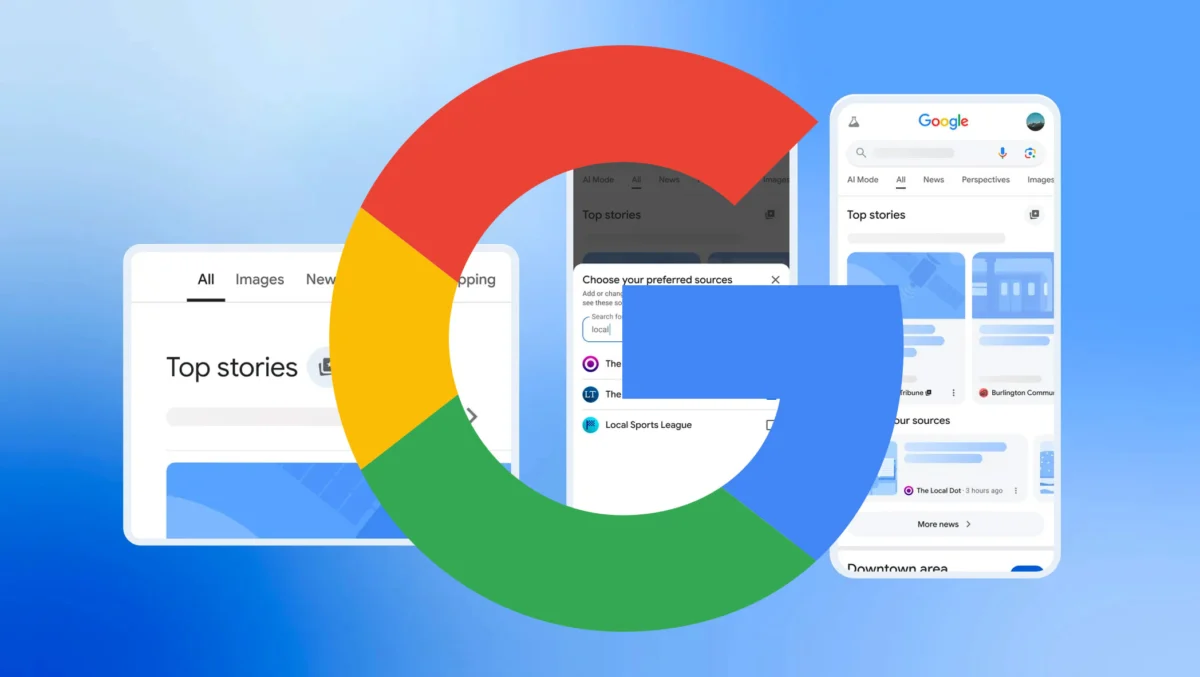
Google has announced a significant expansion of its "Preferred Sources" feature, making it available globally for all languages. This update marks a crucial step in the company’s ongoing efforts to empower users with greater control over the news content they encounter on Search, allowing individuals to actively curate their news feeds by prioritizing specific publishers and outlets. Previously, the feature’s global availability was limited exclusively to English-language content, a restriction that has now been lifted to encompass the full spectrum of languages supported by Google.
The "Preferred Sources" functionality is designed to give users a more personalized and relevant news experience within Google Search’s "Top Stories" section. By enabling users to designate their favored news outlets, Google aims to foster deeper engagement with trusted journalism and address growing user demand for tailored information consumption. This latest rollout is expected to have far-reaching implications for both news consumers worldwide and the vast ecosystem of digital publishers, from global news desks to niche local blogs.
Background and Genesis of User-Controlled News
The evolution of news consumption in the digital age has presented both unprecedented opportunities and complex challenges. While the internet offers instant access to an immense volume of information, it has also led to concerns about information overload, the spread of misinformation, and the potential for algorithmic biases to shape user perceptions. In response to these challenges, tech giants like Google have been continually refining their approaches to news presentation, seeking to strike a balance between algorithmic discovery and user autonomy.
Google’s commitment to supporting quality journalism and providing users with tools to navigate the news landscape is well-documented. Over the years, the company has introduced various initiatives, including the Google News Initiative (GNI), designed to help news organizations thrive in the digital era. The "Preferred Sources" feature emerged as a direct response to feedback from users who expressed a desire for more direct control over the sources appearing in their search results, particularly within the highly visible "Top Stories" carousel. Users wanted the ability to explicitly tell Google which publishers they trusted most or found most valuable, moving beyond implicit signals to explicit preferences. This shift underscores a broader trend in digital platforms towards greater user customization and transparency regarding content delivery.
Chronology of the Global Rollout
The journey to a fully global, multi-language "Preferred Sources" feature has been a phased one, reflecting Google’s methodical approach to rolling out significant user-facing functionalities. The initial global expansion of Preferred Sources was announced in December of the previous year. At that time, while the feature became available to users across the globe, its functionality was confined to English-language content. This initial phase likely served as a testing ground, allowing Google to gather crucial data on user adoption, engagement patterns, and technical performance before extending support to a wider linguistic audience.
This strategic, incremental rollout allowed Google to identify and address any potential issues related to interface design, user comprehension, and the technical intricacies of integrating diverse language models. The successful implementation of the English-only global phase provided the necessary insights and infrastructure for the subsequent, more comprehensive expansion. The current announcement signifies the culmination of these efforts, marking the full availability of "Preferred Sources" across all supported languages worldwide. This latest update ensures that users in non-English speaking markets can now equally benefit from the enhanced personalization and control offered by the feature, democratizing access to tailored news experiences regardless of their linguistic background. This expansion is not merely a technical update but a strategic move to ensure equitable access to news customization tools for a global user base.
How the Feature Works: Empowering User Curation
Activating and managing "Preferred Sources" is designed to be intuitive and user-friendly, integrating seamlessly into the existing Google Search interface. The process empowers users to proactively shape their news consumption experience with just a few taps.
To get started, users need to perform a search query on a current news topic. Within the search results page, typically positioned prominently, is the "Top Stories" section. Adjacent to the "Top Stories" header, users will find a distinct star icon (often depicted as a Cards Star icon or a simple star symbol). Tapping this icon initiates the Preferred Sources selection process.
Upon tapping the star icon, users are presented with an interface that allows them to search for and select their preferred news sources. This could range from major international news organizations to local community newspapers, specialized industry publications, or even niche blogs that align with their interests. Users simply type the name of the desired outlet into the search bar, select it from the results, and confirm their choice. They can add multiple sources to their list, building a personalized roster of trusted news providers.
Once a source is marked as "preferred," Google’s algorithms are instructed to prioritize content from these selected outlets. This means that for relevant news queries, articles and reports from these preferred sources will appear more frequently and prominently within both the "Top Stories" section and a dedicated "From your sources" section, if available. This direct influence on algorithmic ranking within a user’s personal context represents a significant shift from purely algorithmic curation to a hybrid model that incorporates explicit user preference. After making their selections, users can refresh their search results to immediately observe the impact of their chosen sources appearing more often.
Google has also updated its developer documentation (developers.google.com/search/docs/appearance/preferred-sources) to reflect this expanded language support, providing comprehensive guidance on the feature’s technical aspects and user interface across various languages. This ensures that the instructions and interface elements, such as the "add to your site" button, are accurately localized for a global audience, facilitating broader adoption and understanding.
Impact and Early Data Insights
The initial rollout and subsequent expansion of "Preferred Sources" have already yielded compelling data, highlighting the feature’s effectiveness in enhancing user engagement and satisfaction. Google’s internal analytics indicate that readers are "twice as likely to click through to a site after marking it as a Preferred Source." This statistic is profoundly significant, underscoring the power of user intent and explicit preference in driving content consumption. It suggests that when users actively choose a source, their level of trust and interest in that source’s content substantially increases, leading to more deliberate and meaningful interactions.
Furthermore, the widespread adoption of the feature since its initial launch is evident in the sheer volume of unique sites that users have designated as preferred. Google reports that "people have already selected over 200,000 unique sites," encompassing a vast spectrum of publishers. This impressive number ranges "from niche local blogs to global news desks," demonstrating the feature’s broad appeal and its ability to cater to diverse informational needs and interests. The inclusion of niche local blogs is particularly noteworthy, as it suggests that "Preferred Sources" can provide a valuable avenue for smaller, specialized, or geographically focused publications to gain increased visibility and direct engagement with their dedicated audiences, potentially mitigating some of the discoverability challenges faced by smaller entities in a vast digital landscape.

For publishers, these early insights present a clear value proposition. Increased click-through rates from users who have explicitly chosen a source translate directly into higher traffic, deeper engagement, and potentially stronger reader loyalty. This mechanism offers a more direct path for publishers to connect with their most engaged audience members, fostering a more sustainable relationship based on mutual preference rather than solely relying on algorithmic serendipity. For users, the data confirms that the feature is indeed helping them connect more effectively with the sources they value, providing a more curated and satisfying news experience.
Official Statements and Perspectives
Google’s official communication regarding the "Preferred Sources" expansion emphasizes the user-centric nature of the feature and its alignment with the company’s broader mission to organize the world’s information and make it universally accessible and useful. In a blog post announcing the global, multi-language rollout, Google explicitly stated: "Preferred Sources is now rolling out globally in all supported languages. This feature gives you more control over the news you see on Search by letting you choose the outlets and sites you want to appear more often in Top Stories." This statement succinctly encapsulates the core value proposition: empowering individual users with greater agency over their information diet.
The company further highlighted the tangible benefits observed from the feature’s initial phases: "It’s already helping people connect with the sources they value. In fact, readers are twice as likely to click through to a site after marking it as a Preferred Source. So far, people have already selected over 200,000 unique sites — from niche local blogs to global news desks." This reiteration of positive early results serves to validate the feature’s utility and encourages wider adoption among the global user base. The simplicity of activation is also emphasized: "To get started, just tap the star icon next to Top Stories and start adding sites to your list."
Complementing the official blog post, Google has also provided specific guidance for publishers, recognizing their crucial role in the news ecosystem. A dedicated publisher resource section on the Google News Publisher Center outlines how the feature impacts news visibility: "In Top stories, you can select your preferred sources. Next to the ‘Top stories’ header, click the Cards Star icon Preferred sources cards star icon. You can search for and choose the sources and outlets you’d like to find. For relevant news queries, these sources show up more often in ‘Top stories’ and ‘From your sources.’" This guidance clarifies how publishers can benefit and encourages them to ensure their content is discoverable and optimized for users seeking to add preferred sources.
Further reinforcing the announcement, Nick Fox, a prominent figure within Google’s Search leadership (likely a Vice President of Search or similar role, based on past industry interactions), took to X (formerly Twitter) to share concise instructions and promote the feature: "How to set up your Preferred Sources: 1. Search for a news topic or Top Stories 2. Tap the star icon next to Top Stories 3. Add your favorite outlets and check the box." He also linked to resources for publishers on how to help their audience set them up as a Preferred Source, indicating a concerted effort to drive adoption from both user and publisher sides. These multi-channel communications underscore Google’s strategic intent behind this global expansion.
Broader Implications for the News Ecosystem
The global expansion of "Preferred Sources" carries significant implications for various stakeholders within the digital news ecosystem, reshaping how information is consumed, distributed, and valued.
For Users: Enhanced Control and Potential for Filter Bubbles
For the individual user, this feature represents a significant leap towards a more personalized and controlled news experience. It empowers them to actively curate their news diet, prioritizing sources they trust, find informative, or align with their interests. This can lead to a more satisfying and relevant news consumption experience, potentially fostering greater digital literacy as users are encouraged to be more deliberate about their source choices. The ability to elevate niche or local sources that might otherwise be less visible in general algorithmic feeds is a considerable benefit, allowing users to connect with community-specific or highly specialized content.
However, a frequently discussed concern in personalized content systems is the potential for "filter bubbles" or "echo chambers." While "Preferred Sources" grants users control, it also carries the risk that individuals might exclusively select sources that reinforce their existing viewpoints, inadvertently limiting their exposure to diverse perspectives and challenging narratives. Google’s design aims to balance user preference with discovery, and the "Top Stories" section still incorporates a broader range of sources. Nevertheless, user education on the importance of media diversity and critical thinking remains paramount to mitigate the unintended consequences of over-personalization.
For Publishers: A New Avenue for Engagement and Loyalty
For news publishers, particularly those outside the major global players, "Preferred Sources" offers a compelling new avenue for audience engagement and building reader loyalty. In an environment where algorithmic changes can significantly impact discoverability, a mechanism that allows users to explicitly signal their preference provides a more stable and direct connection. Smaller, independent, and local news organizations, which often struggle to compete with larger outlets for algorithmic visibility, stand to benefit immensely. If a local community actively selects its local newspaper as a preferred source, that publication can gain consistent, high-quality traffic from its most dedicated readers.
The feature encourages publishers to focus on building strong, trusting relationships with their audience, emphasizing quality journalism and unique content that inspires users to actively choose them. It also highlights the importance of making it easy for users to identify and select their publication, perhaps through in-article prompts or clear calls to action. The challenge for publishers will be to effectively communicate the benefits of the "Preferred Sources" feature to their audience and encourage them to take the extra step of adding their site to their preferred list.
For Google Search: Reinforcing Role and Addressing Criticisms
For Google, this expansion reinforces its role as a critical gateway to information while also addressing ongoing criticisms regarding algorithmic control and the perceived opacity of its ranking systems. By handing more explicit control to users, Google demonstrates a commitment to transparency and user empowerment, which can enhance trust in its search platform. It positions Google not just as a content aggregator, but as a facilitator of user-driven content curation. This move is part of a broader strategy to evolve Google Search from a purely automated system to one that incorporates more explicit user signals, ensuring relevance and utility in a rapidly changing information landscape. It also underscores Google’s continued investment in news as a vital category within its search ecosystem, recognizing the societal importance of accessible and trustworthy journalism.
Challenges and Future Outlook
While the global, multi-language expansion of "Preferred Sources" is a significant positive development, its long-term success will hinge on several factors. User adoption rates across diverse linguistic and cultural contexts will be crucial. Google will need to ensure that the feature is well-understood and easily accessible to all users, potentially requiring localized educational campaigns and continued interface refinements. Monitoring for unintended consequences, such as the reinforcement of existing biases or the marginalization of certain types of news, will also be an ongoing challenge.
Looking ahead, "Preferred Sources" could be further integrated with other Google news products, such as Google News or Discover, offering a more unified and consistent personalized news experience across platforms. There is also potential for more granular control, allowing users to prioritize specific sections or topics from preferred sources. Ultimately, this feature represents a foundational step in Google’s journey towards building a more user-centric and responsive news environment, fostering deeper connections between global readers and the journalism they value. The ongoing evolution of this feature will undoubtedly shape how millions worldwide consume news in the digital era.