Mountain View, CA – Google’s annual developer conference, Google I/O, held this year in May 2026, has definitively signaled a seismic shift in how users interact with information online. The overwhelming consensus from the event is that Artificial Intelligence (AI) is no longer an emerging feature but the dominant paradigm for search, fundamentally altering the digital landscape for businesses, particularly in the Business-to-Business (B2B) sector. TopRank Marketing, a long-standing leader in digital marketing strategy, has been anticipating and preparing for this evolution, identifying AI Mode as the new core of the search experience, now engaging over a billion monthly users with rapidly expanding query volumes.
The traditional model of users navigating through lists of blue links is rapidly becoming obsolete. New behavioral data released by Google paints a vivid picture of this transformation. The average search query is now three times longer than in the pre-AI era, reflecting a more conversational and nuanced approach to information seeking. Furthermore, month-over-month follow-up conversations within search sessions have surged by 40%, indicating a deeper engagement with AI-driven results. Perhaps most strikingly, one in every six searches is already multimodal, incorporating images, audio, or video, highlighting the evolving sensory inputs users are leveraging. Buyers are no longer just searching for information; they are actively exploring, deciding, learning, planning, and creating through AI-powered search interfaces. The content that effectively surfaces in these critical moments is characterized by its authority, expert-led insights, and a structure amenable to being cited by AI systems.
Google’s own guidance for AI search optimization, detailed in their latest documentation, explicitly debunks many of the tactical approaches that have circulated in the market. Strategies such as creating specific LLMS.txt files, aggressively "chunking" content, or attempting to artificially "manufacture mentions" are ineffective. Instead, the company emphasizes the enduring value of unique, non-commodity content that is underpinned by original research, genuine thought leadership, and robust credibility signals that AI systems are designed to recognize and reward. This aligns precisely with the foundational principles of "Best Answer Marketing," a strategic framework that prioritizes depth, expertise, and trustworthiness.
For B2B brands that continue to optimize solely for traditional click-through rates, the window to adapt is rapidly closing. Conversely, brands that have proactively invested in building topical authority and establishing trust across multiple channels are now positioned to gain a significant competitive advantage.
Google I/O 2026: A New Era for Search
Google I/O 2026 marked a pivotal moment, confirming the widespread integration of AI into the core search experience. The event’s announcements underscored a significant departure from the classic search engine model, signaling the end of the era dominated by "10 blue links." In their place, Google is ushering in an AI-powered experience centered on synthesized answers, autonomous information agents, and dynamically generated user interfaces. This evolution is designed to move search beyond simple discovery to actively fueling decisions throughout the entire buyer journey.
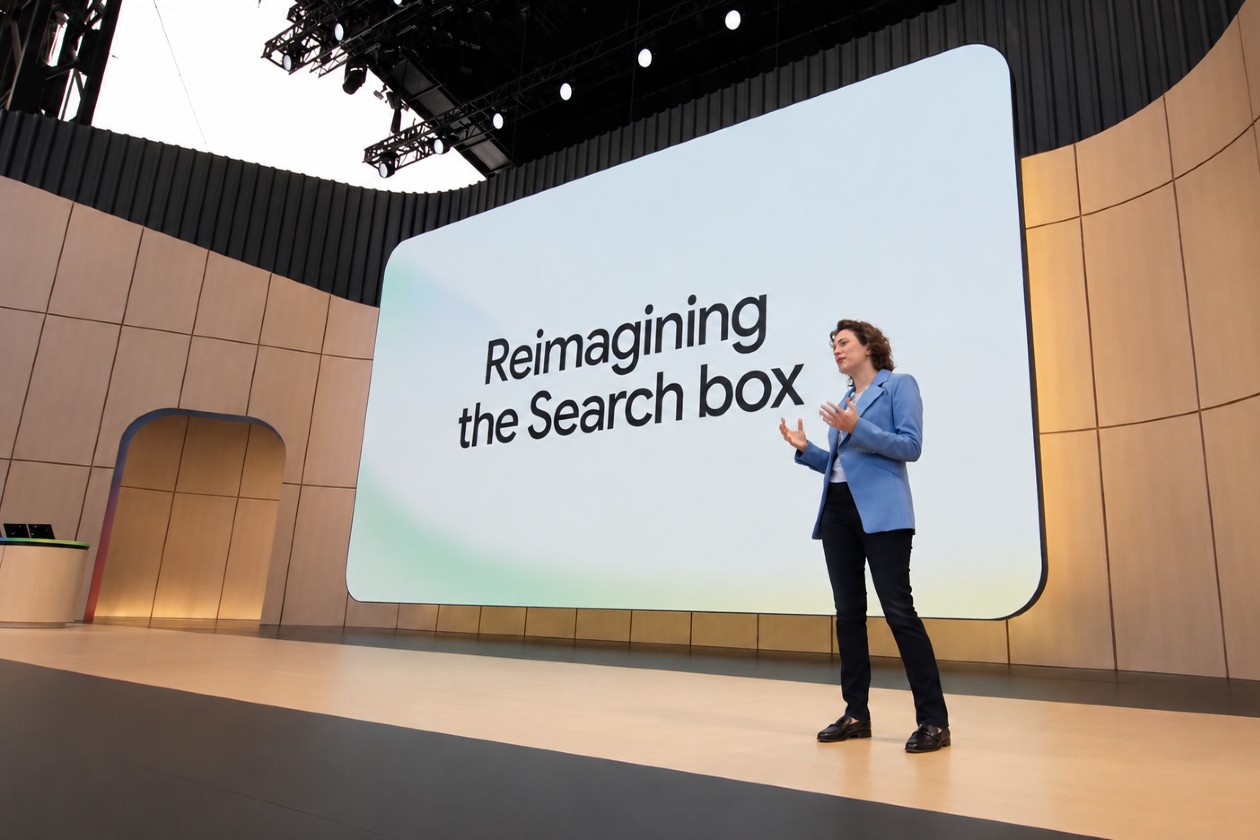
Elizabeth Reid, Google’s VP of Search, described the I/O 2026 announcements as "the next step in bringing together the best of a search engine with the best of AI." This sentiment reflects a commitment to transforming search from a passive information retrieval tool into an active partner in problem-solving and decision-making.
The Rise of AI Mode and Search Agents
A key revelation from Google I/O 2026 was the explosive growth of AI Mode, which, just one year after its initial introduction, has surpassed one billion monthly users. The volume of queries within AI Mode has more than doubled each quarter, demonstrating its rapid adoption. AI Overviews, a related feature, now reach an impressive 2.5 billion monthly users. This trajectory firmly establishes AI-powered experiences as the primary way users engage with Google Search.
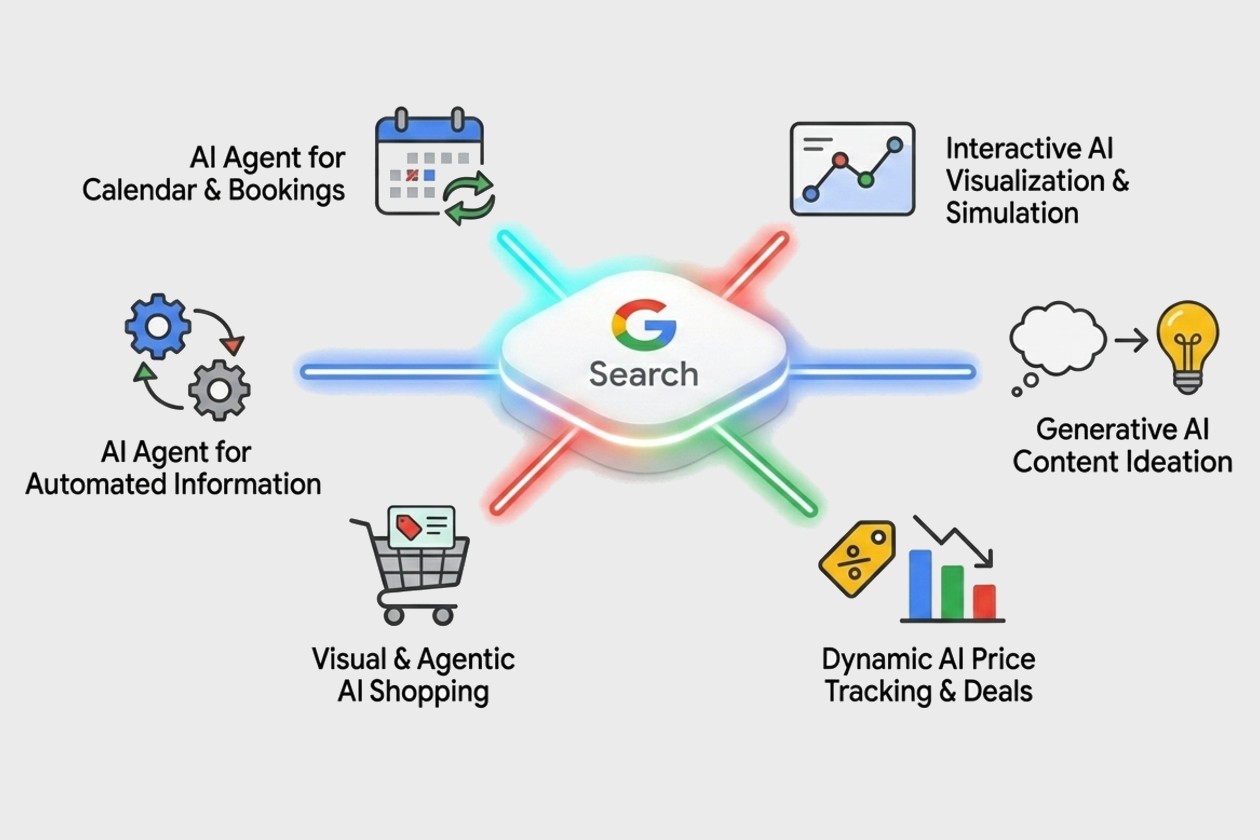
Furthermore, Google unveiled advancements in "search agents." These AI entities can now be created, customized, and managed by users directly within the Google search interface. Operating 24/7 in the background, these agents monitor topics, synthesize changes, and deliver summarized answers along with recommended actions. This signifies a future where AI agents will become a significant audience for content, working on behalf of human users to gather and process information.
Generative UI and Evolving Search Capabilities
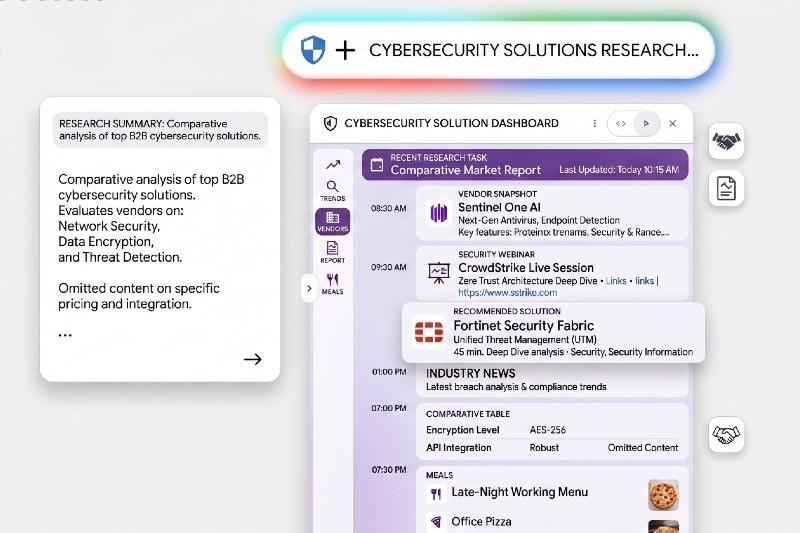
The introduction of Generative UI capabilities further revolutionizes the search experience. Google is enabling users to build custom, interactive experiences on the fly, directly in response to their queries. This could manifest as visual explainers or stateful mini-applications that users can revisit over time. For B2B buyers, this could mean the ability to generate comparative tables of vendor features directly within the search results, streamlining the evaluation process.
The "query fan-out" capability, first hinted at in previous years, has now evolved into a fully autonomous agentic system. This system can issue multiple related searches concurrently across subtopics and synthesize the results, functioning independently on behalf of buyers. Google’s AI optimization guide confirms that both query fan-out and retrieval-augmented generation (RAG) remain integral to its core search ranking systems, underscoring the continued importance of foundational content authority in influencing AI-generated answers.
As reported by Sarah Perez at TechCrunch, this shift implies that "searching the web" will increasingly be conducted by AI agents rather than directly by humans, with users focusing on acting upon the information provided by these agents. This concept is gaining traction, with terms like "agent-based marketing" and "business-to-agent" (B2A) strategies emerging from industry analysts.
Understanding User Behavior in AI Mode
Google’s release of behavioral data on AI Mode usage in the U.S. offers crucial insights for B2B marketers. The data highlights several significant changes in user behavior:
- Longer, More Conversational Queries: The average AI Mode query is now triple the length of a traditional search query. This indicates users are posing questions in a more natural, full-sentence format, moving away from rigid keyword-based searches.
- Increased Follow-Up Interactions: The 40% month-over-month rise in follow-up conversations demonstrates that users are engaging in deeper exploration of topics, asking subsequent questions to gain further understanding.
- Rise of Multimodal Search: Over one in six searches are now multimodal, with image input alone seeing a 40% month-over-month increase. This highlights the growing importance of visual and multimedia content.
These trends underscore the necessity for content to directly address "What" and "How" questions, moving beyond mere keyword optimization. The data suggests that keyword-centric strategies are no longer aligned with current buyer search behaviors.
Five Behavioral Modes of AI Search Engagement
Google’s research categorizes AI Mode usage into five distinct behavioral modes, each offering valuable implications for B2B marketers:
- Explore: Brainstorming-related queries are growing 30% faster than overall AI Mode queries. Users are leveraging AI Mode to discover new ideas and explore open-ended concepts, mirroring the early stages of problem identification for B2B buyers before specific solutions are defined.
- Decide: Searches beginning with "which" have increased 40% faster than AI Mode queries overall. In B2B contexts, this translates to evaluation-stage queries like "which platform," "which provider," or "which approach." Trust signals, comparative content, and third-party validation are critical for visibility in this mode.
- Learn: AI Mode is being extensively used for professional development and in-depth learning. B2B buyers often engage in similar deep dives to build competency in a category before evaluating vendors. Educational content, original research, and expert-led explainers are key to becoming a source for these learning sessions.
- Do: Planning-related queries have grown 80% faster than AI Mode queries overall in the past six months. Google highlights the use of its Canvas tool for complex, multi-step planning tasks. B2B brands that publish structured, actionable content like guides and templates can become the primary resource for these planning sessions.
- Create: Image creation queries in AI Mode have more than tripled since the beginning of the year. B2B buyers are increasingly using AI Mode as a productivity tool, incorporating modular and repurposable content into their creation workflows.
The Best Answer Marketing Framework: Adapting to the New Search Reality
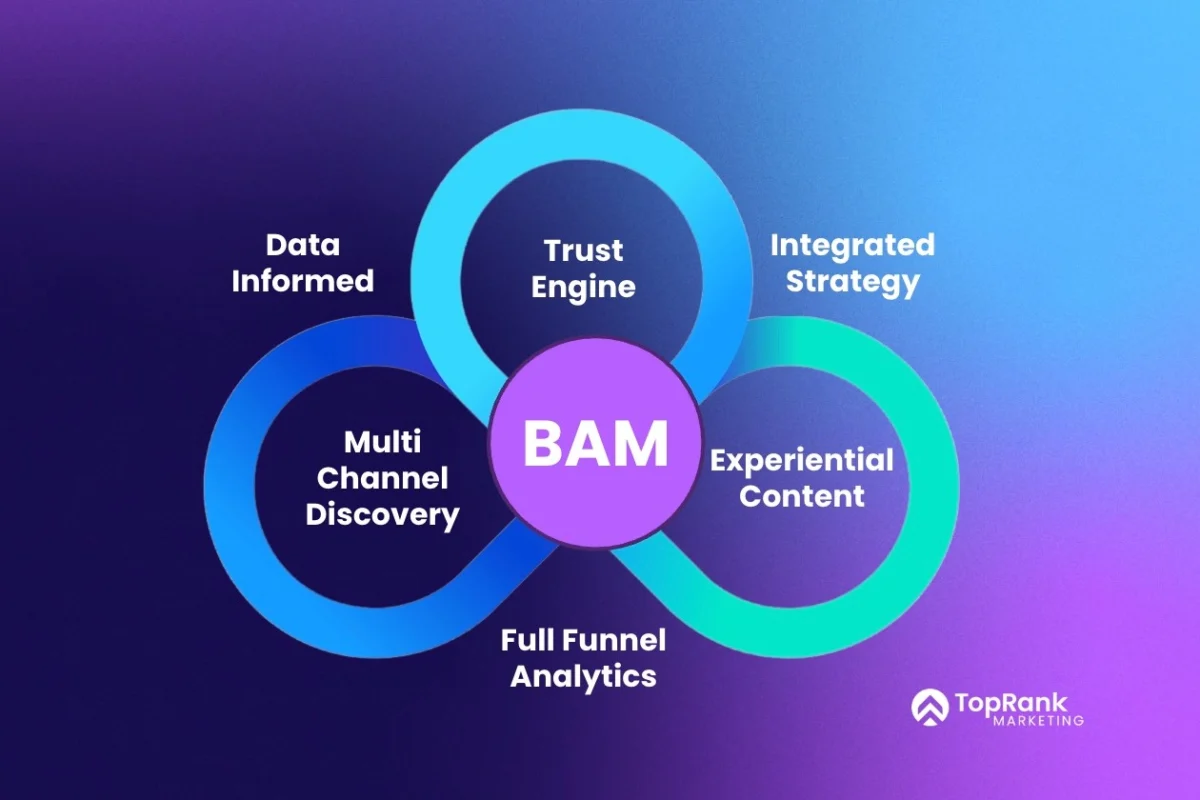
TopRank Marketing’s Best Answer Marketing (BAM) framework is strategically designed to address these evolving search dynamics. BAM was built on the premise that as buyer behavior shifts, so too must the technology and strategies used to find, evaluate, and trust content. The framework’s core pillars directly align with the demands of AI-powered search:
- Data Informed: This pillar focuses on answering the specific questions buyers are asking, leveraging customer surveys, CRM data, audience research, and original research to identify precise buyer needs. The top AI Mode query intents – What, How, Explain, Identify, Summarize – provide clear direction for content briefs, emphasizing the demand for credible content.
- Integrated Strategy: With a 40% monthly growth in follow-up queries, the depth and coherence of topical coverage are paramount. BAM ensures that brand, demand, and lead generation content goals are unified across formats and channels, creating a consistent narrative that supports deeper buyer engagement. This integrated approach is essential for staying relevant as buyers increasingly source information from diverse platforms.
- Trust System: In the "Decide" stage, where "which" queries are rapidly growing, credibility is the deciding factor. Google’s AI optimization guide distinguishes between "commodity content" and "non-commodity content," favoring unique, expert-led insights. BAM’s Trust System focuses on producing this non-commodity content through:
- Original Research: Providing unique data and insights not found elsewhere.
- Expert Authorship: Featuring recognized subject matter experts.
- Third-Party Validation: Garnering endorsements and mentions from credible sources.
- E-E-A-T Principles: Adhering to Google’s long-standing guidelines for Experience, Expertise, Authoritativeness, and Trustworthiness, which gain even greater weight in AI-driven recommendations.
- Experiential Content: The surge in multimodal search (1 in 6 queries) and image creation necessitates rich, multi-format content. AI Mode’s growing visual nature puts text-only content at a disadvantage. Furthermore, the 80% faster growth in planning queries highlights the need for structured, actionable content that AI Mode can readily incorporate into planning tools like Canvas. Generative UI capabilities further enable interactive experiences built directly from web content.
- MultiChannel Visibility: With AI agents increasingly performing searches, and buyers engaging across five distinct behavioral modes, visibility across a broad spectrum of channels is critical. Relying on too few channels limits success, and buyers now utilize an average of 10.2 channels during a purchase journey. BAM’s MultiChannel Visibility pillar is designed to drive discovery across formats and channels that align with each buyer mode.
- Unified Analytics: As AI search diminishes the direct click as a primary performance metric, new measurement standards are emerging. These include AI citation rates, brand mention share, topic authority signals, and pipeline influence. BAM’s Unified Analytics pillar integrates disparate data sources into an AI-powered data warehouse, with visualizations tied to full-funnel outcomes, providing a reliable measure of content program effectiveness in an agent-driven world.
Implications for B2B Brands
The implications of Google’s AI-first approach to search are profound for B2B marketers. The shift towards conversational, longer queries signifies a move away from keyword manipulation towards genuine question answering. The increased follow-up interactions emphasize the need for comprehensive topical authority rather than fragmented content. The rise of multimodal search demands a richer content strategy that incorporates visuals and interactive elements.
Google’s own AI optimization guidelines explicitly caution against tactics like creating LLMS.txt files, chunking content for AI, or manufacturing mentions. Instead, the focus is on creating unique, expert-led content backed by original research and strong credibility signals. This approach aligns perfectly with the principles of Best Answer Marketing, which prioritizes substance and authority over superficial optimization techniques.
As Jon Miller, Co-Founder of Stealth AI Start-up and Co-Founder of Marketo, succinctly stated, "It’s not about showing up on the page one of Google. It’s about getting referenced inside of an AI answer… The playbooks that we used to use just don’t work anymore." This sentiment captures the urgency for B2B brands to pivot their strategies.
The window for B2B brands to adapt to this new search paradigm is rapidly closing. Google confirmed that the new Search interface is rolling out immediately, with Generative UI functionalities to follow in the summer. Information agents and mini-app building will then become available, initially to subscribers and later to a broader audience. The behavioral data shared by Google—triple-length queries, increased follow-up conversations, and rapid multimodal growth—underscores the immediate need for strategic adjustments. Brands that build content strategies around these evolving buyer behaviors are positioning themselves to establish authority and preference not only with AI systems but also with human decision-makers.
Building brand credibility and consensus across channels through integrated content experiences is no longer an option but a necessity for B2B companies aiming to move from obscurity to becoming indispensable "Best Answer Brands." The future of search is here, and it is powered by AI, demanding a fundamental rethinking of content strategy and execution.