

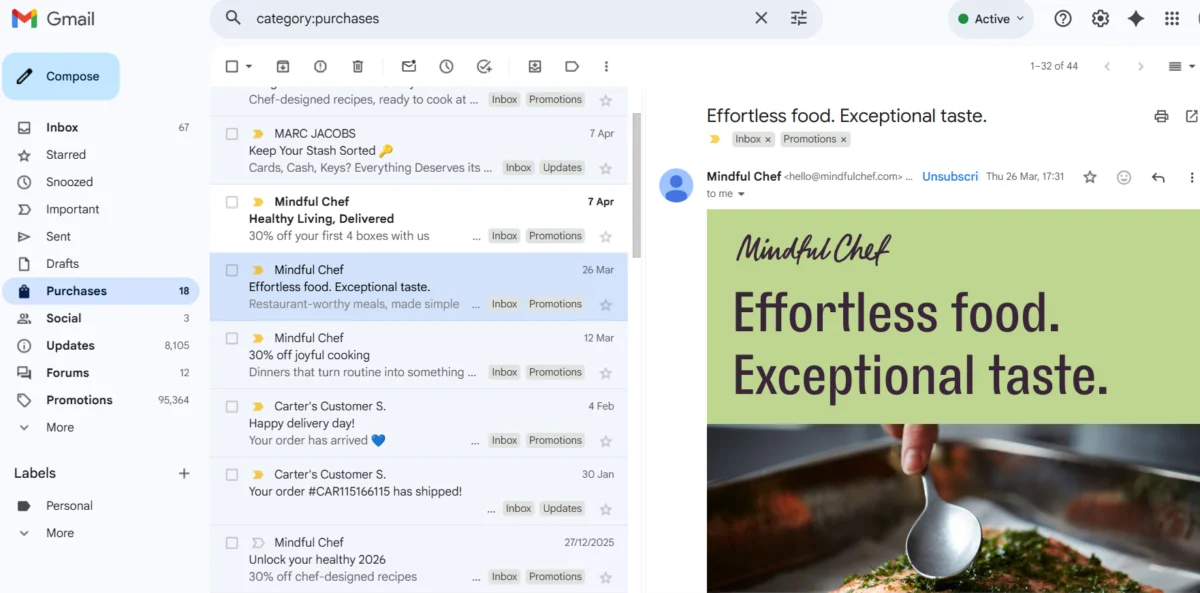
Email senders globally are grappling with a significant paradigm shift in how engagement is measured and perceived, particularly within Google’s omnipresent Gmail platform. Over the past several months, email open rates for Gmail users have plummeted, with some Validity customers reporting quarter-over-quarter drops exceeding 30 percent. This dramatic decline is not an isolated incident but rather a symptom of a broader, deliberate evolution in Gmail’s ecosystem, designed to enhance user privacy, combat spam, and foster genuine engagement.
Validity’s proprietary engagement data offers concrete evidence of this trend, indicating that Gmail image loading activity, which includes the critical tracking pixels used to register email opens, saw a substantial reduction of roughly one-third in late November 2025. This technical adjustment, widely speculated by industry experts to be a reduction in the frequency of image prefetching via Gmail’s proxy servers (a practice in place since 2013), directly impacts the reporting of email opens. Fewer prefetched pixels inherently lead to fewer recorded opens, even if the actual human readership and content consumption remain unchanged. While this analysis of technical adjustments is likely accurate, it merely scratches the surface of a multifaceted issue driven by a series of interconnected changes within Gmail’s infrastructure and user interface. This article will recap Gmail’s recent developments, dissect the drivers behind the open rate decline, and provide actionable strategies for senders to adapt and thrive in this new landscape.
The Data Behind the Shift: Unpacking the Numbers

The reported steep declines in Gmail open rates are not anecdotal. Validity, a leading provider of email deliverability and analytics solutions, has leveraged its extensive intelligence network to confirm these trends. The company’s data illustrates a clear downturn in email engagement metrics tied to Gmail. Beyond the 30% quarter-over-quarter drops experienced by some clients, the broader network data points to a consistent reduction in image loading activity. This metric is crucial because the standard method for tracking email opens relies on a tiny, invisible image pixel embedded in the email content. When an email client loads this image, it registers an "open." If Gmail’s systems are prefetching these images less frequently or under different conditions, the reported open rates will naturally fall, irrespective of actual user interaction. This shift in tracking methodology underscores a critical need for marketers to re-evaluate how they measure campaign success and subscriber engagement.
A Broader Industry Trend: History Repeating Itself
The current scenario at Gmail mirrors similar shifts observed in other major mailbox providers. In the preceding year, Validity investigated comparable engagement declines at Apple and Yahoo. Apple’s changes, which included the introduction of inbox categories, digest views, groupings, and AI summaries, contributed to a dip in reported engagement. Simultaneously, Yahoo implemented stricter enforcement of its bulk sender requirements, leading to similar impacts on deliverability and engagement metrics for non-compliant senders. These historical precedents suggest that Gmail’s current actions are part of a wider industry movement towards greater user control, privacy, and inbox relevance.
A significant factor contributing to distorted open rates in recent years has been Apple Mail Privacy Protection (MPP), introduced in 2021. MPP, much like Gmail’s suspected prefetching adjustments, inflates open rates by pre-loading emails via proxy servers, regardless of whether the user actually opens them. This phenomenon creates "false opens," often generated by inactive subscribers, which artificially boost reported metrics. Given that a substantial number of Gmail users access their accounts through Apple Mail apps, these "false opens" have likely contributed to an inflated baseline for Gmail open rates. Therefore, Gmail’s recent actions, particularly the reduced image prefetching, could be seen as a corrective measure, bringing reported open rates closer to true human engagement by mitigating the effects of both its own and MPP’s automated pre-loading. This historical context highlights that the current decline in open rates is not merely a technical glitch but a strategic realignment towards more accurate, genuine engagement signals.

The Paradigm Shift: Why Lower Opens Can Be Good News
While an initial drop in open rates might trigger alarm bells for marketers, a deeper analysis reveals that this shift is, in many ways, beneficial. Gmail’s renewed focus on targeting genuinely engaged subscribers and reducing the prevalence of "false opens" means that the remaining open rates, though lower, are more indicative of actual user interest. This explains why many senders are not reporting similar declines in downstream metrics such as clicks and revenue. If users are truly interacting with emails less, clicks and conversions would also decrease significantly. The fact that they aren’t suggests that the reported "opens" were often not true engagement in the first place.
However, open rates still retain directional utility. A sudden, unexpected drop in open rates, beyond the general trend, can serve as an early warning signal of an underlying deliverability or engagement problem. Therefore, marketers should not completely abandon open rates but rather recontextualize them as one of several health indicators, focusing more on deeper engagement metrics like clicks, conversions, and subscriber lifetime value. The ultimate goal is to foster a more active, responsive subscriber base, and Gmail’s changes are effectively nudging marketers in that direction by making it harder to rely on superficial metrics.
Key Drivers of Gmail’s Evolving Inbox
Gmail’s recent developments are a multi-pronged approach to optimizing the user experience and email ecosystem. Each change, while seemingly distinct, contributes to the overarching goal of promoting meaningful engagement and mitigating unwanted email.
Increased Enforcement of Bulk Sending Requirements
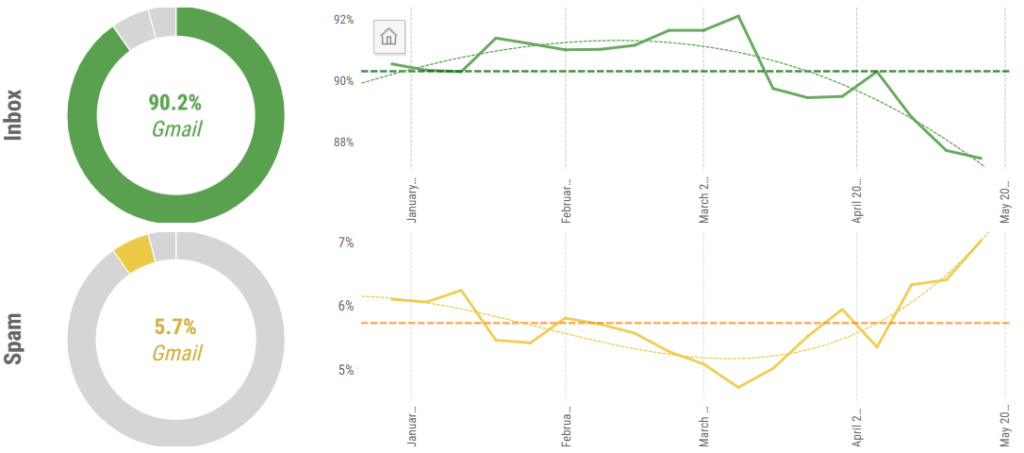
A significant factor contributing to changes in deliverability and, consequently, open rates is Gmail’s stricter enforcement of its bulk sender requirements. While Gmail historically maintained higher inbox placement rates compared to many other major mailbox providers, the Validity Intelligence Network reports an approximate three percent drop in inbox placement over the past few months. This decline coincides with a critical policy shift in late 2025, where Gmail moved from "soft enforcement" – meaning messages might still be delivered but marked less favorably – to active rejection of non-compliant bulk email traffic. This has led to an increase in hard SMTP-level rejection codes, directly impacting open rates as rejected emails simply do not reach the inbox and thus cannot be opened.
Implications: Senders who do not meet Gmail’s stringent requirements for authentication (DMARC, SPF, DKIM), low spam complaint rates, and easy unsubscribe options face immediate deliverability challenges. These rejections are a direct impediment to achieving any open, signaling that foundational compliance is now non-negotiable for even basic inbox placement.
Relevance-Sorted Promotions Tab
Gmail has fundamentally altered the sorting logic for its Promotions tab, shifting from a chronological display to one based on engagement relevance. Under this new model, emails are ranked and displayed according to a user’s perceived interest and past interactions with a sender. Consequently, senders with lower engagement metrics find their messages pushed further down the tab, significantly reducing their visibility and, by extension, their likelihood of being opened. This creates a self-reinforcing cycle: messages that are not opened fail to generate positive engagement signals, further diminishing the sender’s relevance score and future placement.

Implications: This change elevates the importance of personalization and content relevance. Generic, broadcast campaigns are increasingly disadvantaged, while highly targeted and engaging emails are rewarded with better placement. The core challenge for marketers is to break through the noise by delivering truly valuable content that compels interaction from the outset.
Auto-Annotations for Promotional Content
Gmail now regularly extracts key details from promotional emails, such as deal specifics, images, and discount codes, to display them as rich previews directly within the Promotions tab. This happens even when senders have not explicitly implemented the Annotations markup schemas. While beneficial for users who can quickly scan offers, this feature poses a challenge for open rates. Subscribers can access headline offers and promotional codes without ever opening the email. If the value proposition is clearly communicated in the preview, the email has already served its primary purpose, removing the incentive to open it and thus impacting the recorded open rate.
Implications: Marketers must strategically consider how much information to reveal in annotations versus what requires a click-through. The goal shifts from merely getting an open to driving a click or conversion directly from the preview. This necessitates careful crafting of snippets and a focus on compelling calls to action that can only be fulfilled by engaging with the full email or landing page.
Subscriptions Manager
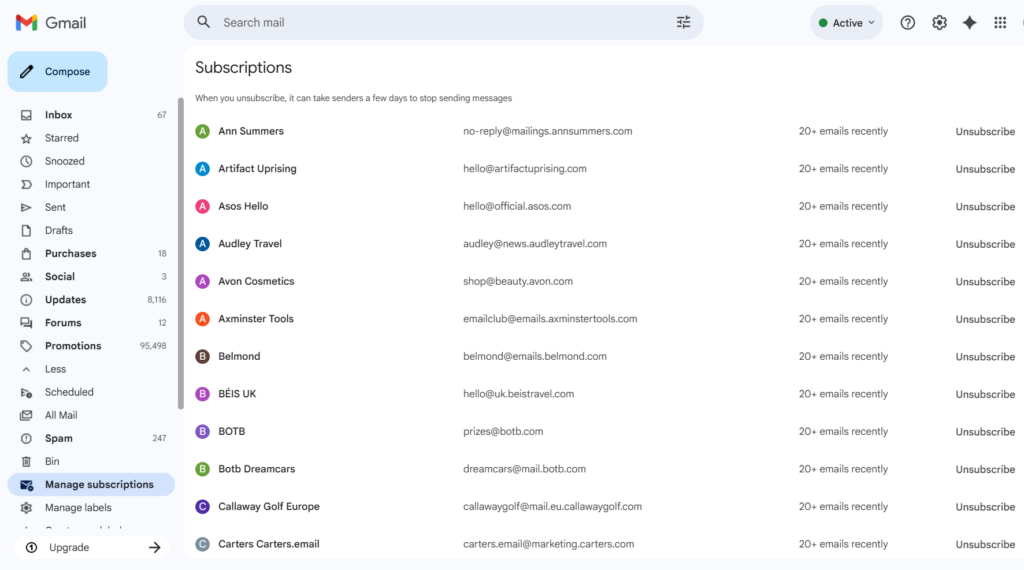
Launched in mid-2025 and fully rolled out to personal Gmail accounts, the Subscriptions Manager provides users with a centralized dashboard listing all marketing senders, ranked by sending frequency. This tool empowers users to unsubscribe from any sender’s mail stream with a single click, directly from the dashboard, without needing to open an email. While this feature leads to list shrinkage, the impact on open rates can be paradoxically positive, as the remaining subscriber list is likely smaller but significantly more engaged.

Implications: High sending frequency is a primary factor influencing visibility in the Subscriptions Manager. Brands sending daily or near-daily emails should carefully evaluate whether such a cadence is truly necessary and sustainable, or if reducing frequency could lead to higher quality engagement from a more committed audience. It also emphasizes the importance of providing granular unsubscribe options, allowing users to opt-down from specific content streams rather than a blanket unsubscribe.
AI-Generated Email Summaries
Beginning in January 2026, Gmail initiated the rollout of AI-generated summaries, displaying concise 1-2 sentence snippets that capture the main message of an email. These summaries appear automatically when users open emails, providing a rapid overview of the content. The concern for open rates here is twofold. First, there’s an ongoing debate about whether AI summaries contribute to "false opens" by auto-opening emails for summarization purposes. Second, and more definitively, if subscribers can glean all necessary information from the summary, their incentive to read the full email diminishes, directly affecting engagement metrics.
Implications: Marketers must ensure their most crucial content, calls to action, and unique value propositions are articulated within the opening lines of the email body, as these are the primary source for AI summaries. The goal is to make the summary compelling enough to entice a full read or a click, rather than serving as a complete replacement for engaging with the email itself.
Integration of Gemini for Inbox Search and Management
The January 2026 integration of Google’s advanced AI model, Gemini, brought conversational, natural-language search capabilities to the Gmail inbox. This feature allows subscribers to query their email history and manage their inbox without opening individual messages. For instance, a user could ask, "What discount codes do I have for sportswear?" and receive compiled answers from multiple emails without opening any of them. This represents another significant shift in how inbox behavior impacts reported opens.
Implications: For emails containing time-sensitive information or specific offers, content needs to be structured in a way that is easily legible and extractable by AI. This includes using clear deadlines, named actions, structured data markup, and clean HTML. This feature is expected to disproportionately impact low-engagement senders, as AI-driven information retrieval further reduces the need for human interaction with less relevant emails, potentially leading to a "circle of disengagement."
Message Clipping Thresholds
While not a new development, message clipping remains a critical factor influencing open rates. Gmail typically clips messages that exceed an HTML file size of 102 kilobytes (KB), displaying only the initial portion of the email and requiring the user to click "View entire message" to see the rest. Many senders inadvertently place their open tracking pixel at the very end of their email’s HTML code. If the message is clipped, this pixel may not load, leading to an unrecorded open even if the email was technically opened and partially viewed. Moreover, important elements like unsubscribe links are often in the footer, which can be clipped, leading to higher spam complaint rates if users cannot easily find the unsubscribe option.
Implications: Marketers must rigorously test their email sizes and ensure they stay well within Gmail’s 102KB limit. Strategically placing the open tracking pixel as early as possible within the HTML code can help ensure it fires even if the email is clipped. Beyond metrics, this also impacts user experience and compliance, necessitating compact and efficient email design.
Gmail Email Address Change Feature
Gmail introduced a feature allowing users to change their email address while retaining their existing account data. When a user changes their primary Gmail address, marketing emails sent to the previous address will no longer be delivered to an active, human-readable inbox. This directly reduces reported opens from those legacy addresses. Furthermore, marketers should not expect replacement opens from the new address, as subscribers might have changed their address precisely to reduce unwanted email, indicating no intention of re-engaging.

Implications: Marketers need to proactively monitor hard bounces and sustained non-engagement from previously active Gmail addresses, as these can signal an address change. Robust engagement-based suppression thresholds become even more critical to cleanse lists of these newly inactive addresses. Developing relationship-building strategies that transcend a single email address, such as loyalty programs, first-party identity resolution, and progressive profiling, becomes essential for long-term customer relationships.
Dedicated Purchases Tab
In late 2025, Gmail rolled out a dedicated








