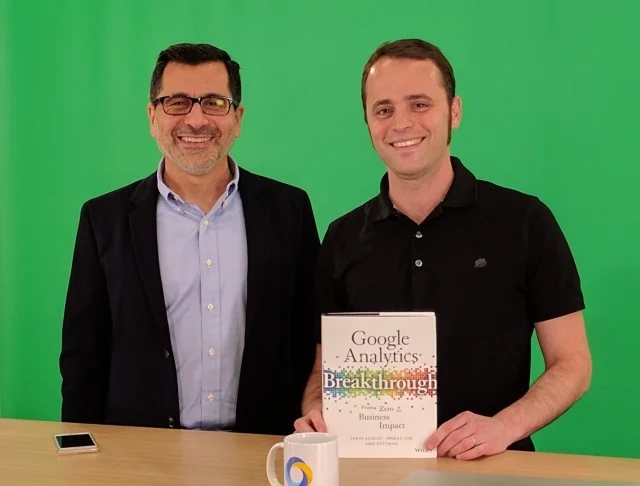
In an era defined by the rapid expansion of digital touchpoints, the intersection of technical measurement and business strategy has become the primary driver of corporate growth. The evolving landscape of digital analytics, once confined to simple web traffic monitoring, has transformed into a complex ecosystem requiring sophisticated frameworks to extract actionable insights. During a comprehensive discussion held at the Google Analytics studio, industry veterans Feras Alhlou, Co-Founder and Principal Consultant at E-Nor, and Daniel Waisberg explored the methodologies required to navigate this complexity. Their dialogue emphasized that analytics is no longer a peripheral IT function but a core business process that demands a structured approach to measurement, reporting, and personalization.
The Foundations of the E-Nor Optimization Framework
Central to the discussion was the E-Nor Optimization Framework, a systematic methodology designed to move organizations beyond raw data collection toward true business impact. Feras Alhlou, a co-author of the seminal text Google Analytics Breakthrough, highlighted that the framework begins not with technology, but with an exhaustive dual-layered audit. This audit addresses both the technical infrastructure—ensuring data integrity and proper tagging—and the business objectives of the organization.
The initial stage involves engaging stakeholders across various departments to define what Alhlou terms “measuring what matters.” This alignment ensures that the data being collected is not merely noise but is directly linked to the organization’s Key Performance Indicators (KPIs). Once a robust measurement strategy is established and the data is validated, the framework moves into the reporting layer. At this stage, the focus shifts to how data is visualized and communicated to decision-makers, ensuring that the information is accessible and relevant.
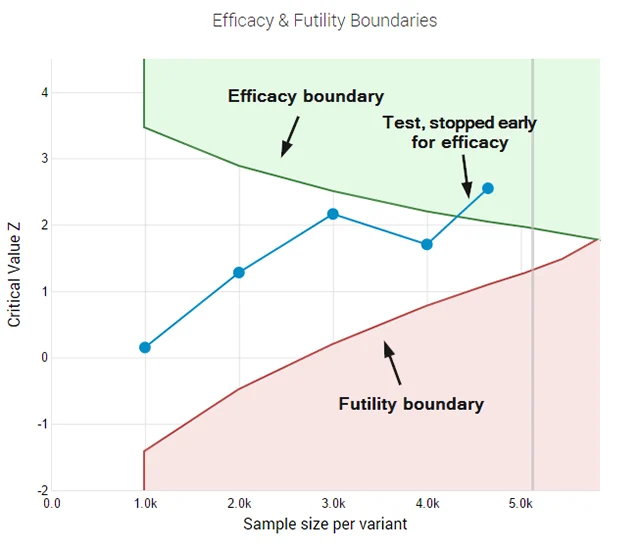
The final stages of the framework represent the transition from observation to action. Once reporting is stabilized, analysts can begin to identify patterns and actionable insights. This leads directly into the testing and personalization phase, where businesses can implement A/B testing and tailored user experiences to drive conversions. Industry data suggests that companies utilizing structured optimization frameworks see significantly higher returns on their marketing investments compared to those that approach analytics on an ad hoc basis.
Navigating the Complexity of Modern Data Ecosystems
The digital marketing landscape has undergone a radical transformation over the last decade. Alhlou noted that the simplicity of the early internet—where marketers dealt with a single device and a handful of channels—has been replaced by a fragmented reality. Today, data is generated across a multitude of sources, including mobile applications, social media platforms, web interfaces, and internal backend systems.
This proliferation of data sources has created what many industry experts call “data silos,” where information remains trapped within specific departments or platforms. To combat this, Alhlou stressed the importance of understanding the context surrounding data. Contextualizing data involves looking beyond the “what” (the numbers) to understand the “why” (the user behavior and intent). By focusing on the context of mobile, social, and web interactions, organizations can build a more holistic view of the customer journey.
Supporting industry research from Gartner and Forrester indicates that by 2024, organizations that successfully integrate cross-channel data will outperform their competitors by 20% in nearly every financial metric. The challenge, however, remains the technical execution of this integration, which requires a clear and disciplined data roadmap.
Developing a Strategic Data Roadmap
To manage the overwhelming volume of information available to modern enterprises, Alhlou recommends the implementation of a phased data roadmap. This strategic progression allows organizations to build their analytical maturity incrementally, ensuring that each new layer of data is supported by a strong foundation.
- Owned Media Foundations: The roadmap begins with the data an organization fully controls—primarily web and mobile analytics. This stage focuses on capturing user interactions on the company’s primary digital properties with high precision.
- Social and Qualitative Augmentation: Once the primary analytics are stable, the next step involves augmenting reports with social media data. This provides a glimpse into the qualitative aspects of brand perception and user engagement, offering a layer of sentiment analysis that quantitative web data often lacks.
- Voice of the Customer and Market Research: The final stage of the roadmap involves the integration of direct feedback mechanisms. Alhlou pointed to the utility of tools like Google Surveys, which allow businesses to capture the “voice of the customer” directly on their own properties. Furthermore, these tools have democratized market research, allowing companies to conduct targeted surveys that were previously cost-prohibitive and time-consuming.
By following this roadmap, businesses can avoid the common pitfall of attempting to analyze everything at once, which often leads to “analysis paralysis.” Instead, they can focus on high-value data points that drive immediate business decisions.
The Role of Stakeholder Engagement and Organizational Culture
A recurring theme in the analysis of successful analytics implementations is the role of human capital and organizational culture. Alhlou and Waisberg’s discussion underscored that the most sophisticated tools in the world are ineffective if the organization lacks the culture to support data-driven decision-making.
Stakeholder engagement is critical because it bridges the gap between the data scientists who analyze the numbers and the executives who make the strategic decisions. When stakeholders are involved in the initial audit and measurement strategy, they are more likely to trust the resulting data and act upon the insights provided. This buy-in is essential for the “Testing and Personalization” phase of the E-Nor framework, as these activities often require significant resources and a willingness to experiment with the brand’s digital presence.
Analysis of Implications: The Shift Toward Actionable Intelligence
The shift from “data collection” to “actionable intelligence” marks a significant turning point in the industry. As privacy regulations such as GDPR and CCPA become more stringent, the quality of data is becoming more important than the quantity. Organizations are now forced to be more intentional about the data they collect, which aligns perfectly with Alhlou’s philosophy of “measuring what matters most.”
Furthermore, the integration of qualitative tools like Google Surveys suggests a broader trend toward empathetic marketing. Understanding the technical path a user takes is important, but understanding their motivations allows for the creation of truly personalized experiences. This human-centric approach to data is what separates market leaders from their followers.
The implications for the workforce are also notable. There is an increasing demand for “data translators”—professionals who possess both the technical skills to navigate complex analytics platforms and the business acumen to communicate findings to non-technical audiences. The E-Nor framework provides a blueprint for how these translators can structure their efforts to maximize organizational value.
Conclusion and Future Outlook
The collaboration between Feras Alhlou and Daniel Waisberg serves as a reminder that while the tools of the trade are constantly evolving, the fundamental principles of business strategy remain constant. Success in the digital age requires a disciplined adherence to a structured framework, a commitment to data integrity, and a focus on the customer’s needs.
As we look toward the future, the role of artificial intelligence and machine learning will likely further automate the “Reporting” and “Analysis” layers of the E-Nor framework. However, the “Audit” (defining business goals) and the “Stakeholder Engagement” (driving organizational change) will remain uniquely human endeavors. Organizations that can balance these automated efficiencies with strategic human insight will be best positioned to thrive in an increasingly data-saturated world.
The insights shared by Alhlou reflect a decade of partnership and high-level consulting experience. By viewing analytics as a continuous business process rather than a one-time project, companies can create a sustainable competitive advantage. As the digital landscape continues to fragment, the ability to find “actionable insights” amidst the noise will be the defining characteristic of the next generation of successful enterprises.