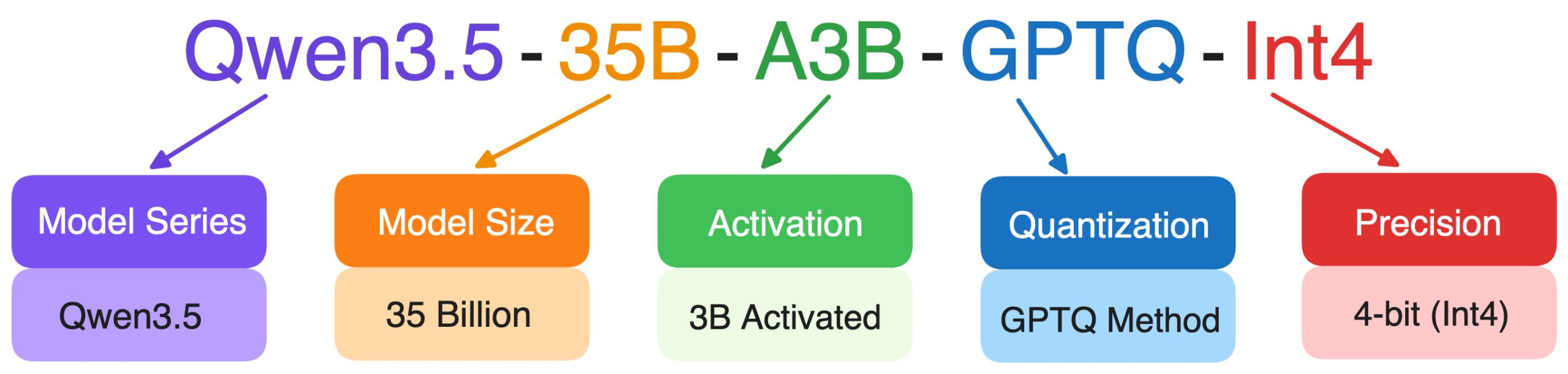
The rapid proliferation of open-source artificial intelligence has transformed the landscape of local computing, allowing individuals and organizations to run sophisticated large language models (LLMs) on consumer-grade hardware. However, for many users entering the ecosystem through platforms like Hugging Face or ModelScope, the first hurdle is not hardware compatibility but linguistic complexity. Model names such as Qwen3.8-27B-A3B-It-2507-gguf-q2ks-mixed-AutoRound often appear as a bewildering array of technical shorthand. Far from being random strings of characters, these names serve as a compressed specification sheet, detailing a model’s architecture, size, optimization method, and intended use case. Understanding this "alphabet soup" is essential for developers and enthusiasts seeking to maximize performance while working within the constraints of local memory and processing power.
The Foundation of Model Scale: Parameter Counts
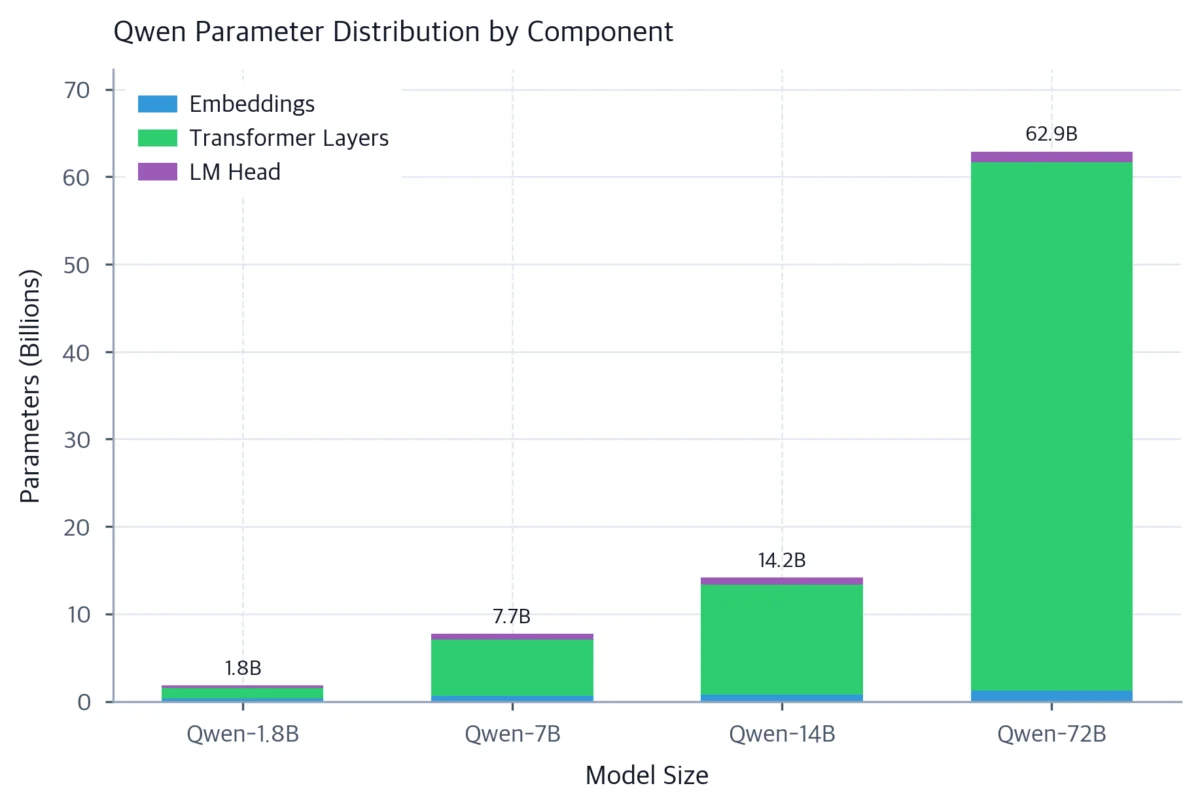
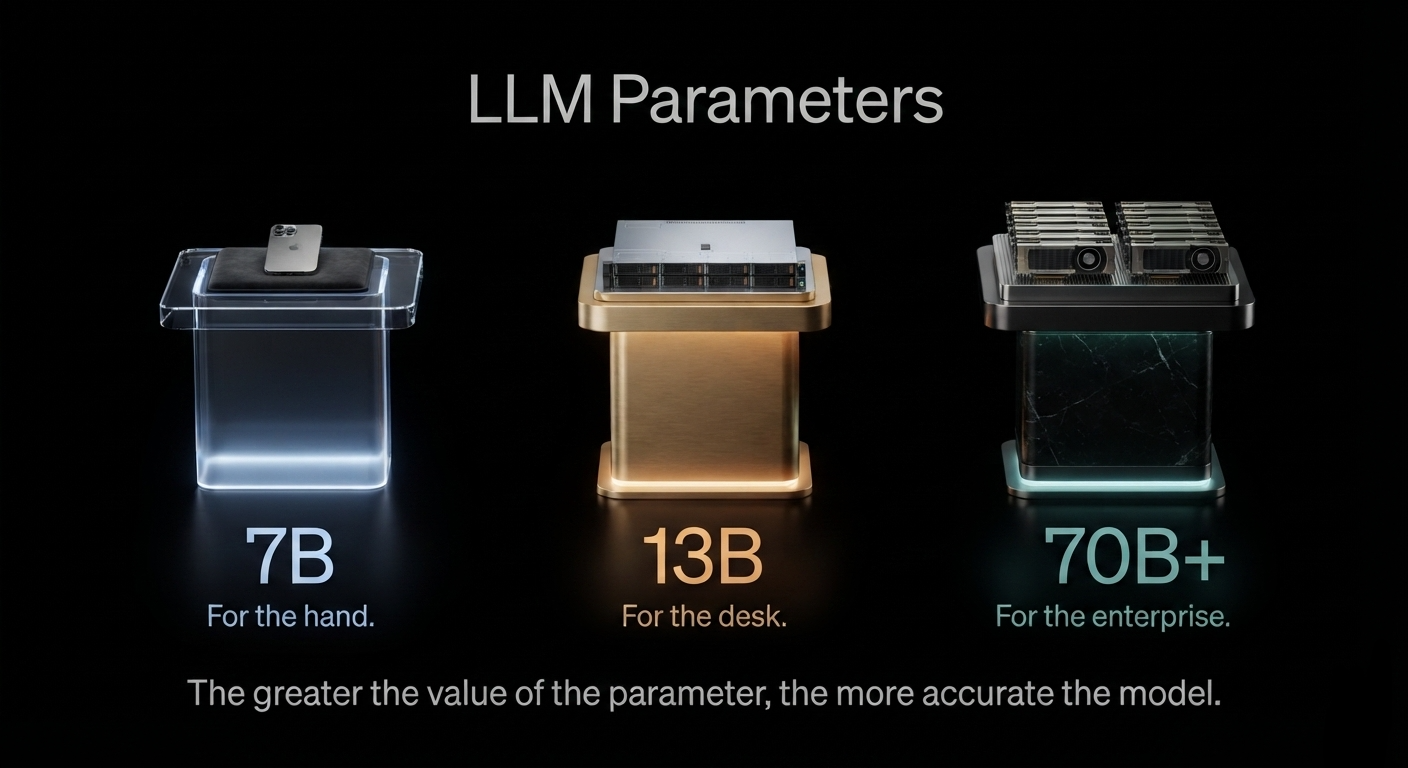
At the core of every LLM name is a number followed by the letter "B," representing the model’s total parameter count in billions. Parameters are the internal variables or "weights" that the model learned during its training phase; they essentially define the model’s capacity for reasoning, language comprehension, and knowledge retention. In the hierarchy of local AI, parameter count is the primary indicator of both capability and hardware requirements.
Small models, typically ranging from 1B to 8B parameters, are designed for efficiency. A 7B or 8B model is often considered the "sweet spot" for modern consumer GPUs with 8GB to 12GB of VRAM. Medium-sized models, such as 14B, 27B, or 35B, offer a significant step up in logic and nuance but require more robust hardware. Large-scale local models, such as those with 70B parameters or more, often rival proprietary systems like GPT-4 in specific tasks but necessitate professional-grade hardware or complex multi-GPU setups.
The relationship between parameters and memory is direct: in their raw, uncompressed state, each parameter typically requires two bytes of memory. Consequently, a 7B model would require roughly 14GB of Video Random Access Memory (VRAM) just to load, before accounting for the context window or overhead. This reality has driven the industry toward the sophisticated compression and architectural innovations seen in modern model names.
Architectural Efficiency: Dense vs. Mixture-of-Experts (MoE)
As models have grown larger, the computational cost of running them has become a significant bottleneck. This led to the divergence between "Dense" models and "Mixture-of-Experts" (MoE) architectures. In a dense model, every single parameter is activated for every token generated. If a user runs a 35B dense model, the processor must calculate 35 billion operations for every word produced.
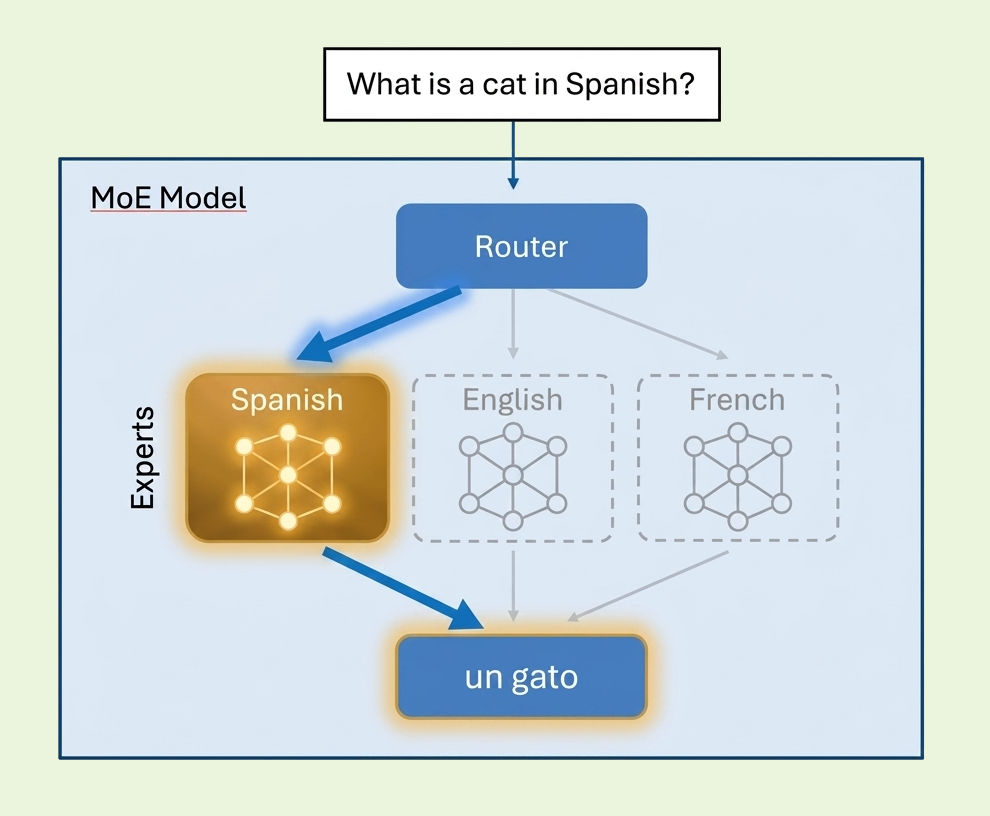
The MoE architecture, popularized by models like Mixtral and the Qwen MoE series, introduces a more efficient approach. An MoE model contains a large total pool of parameters but divides them into specialized sub-units called "experts." A routing mechanism determines which experts are best suited for a specific input, activating only a fraction of the total parameters at any given time.
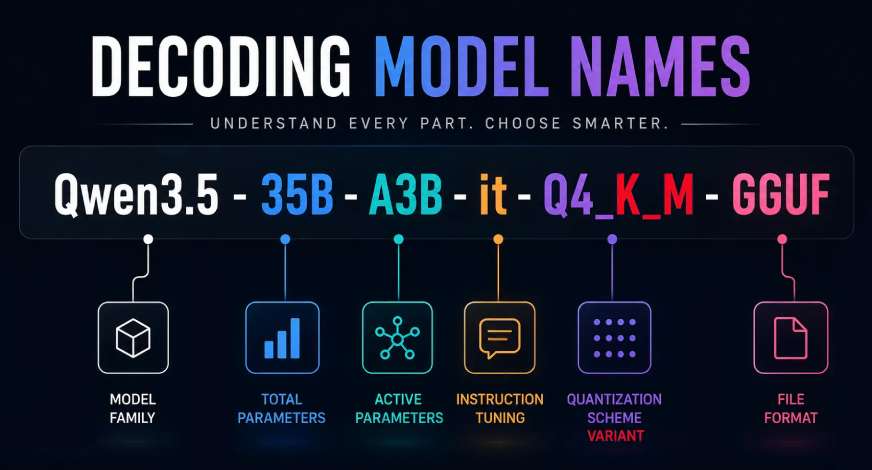
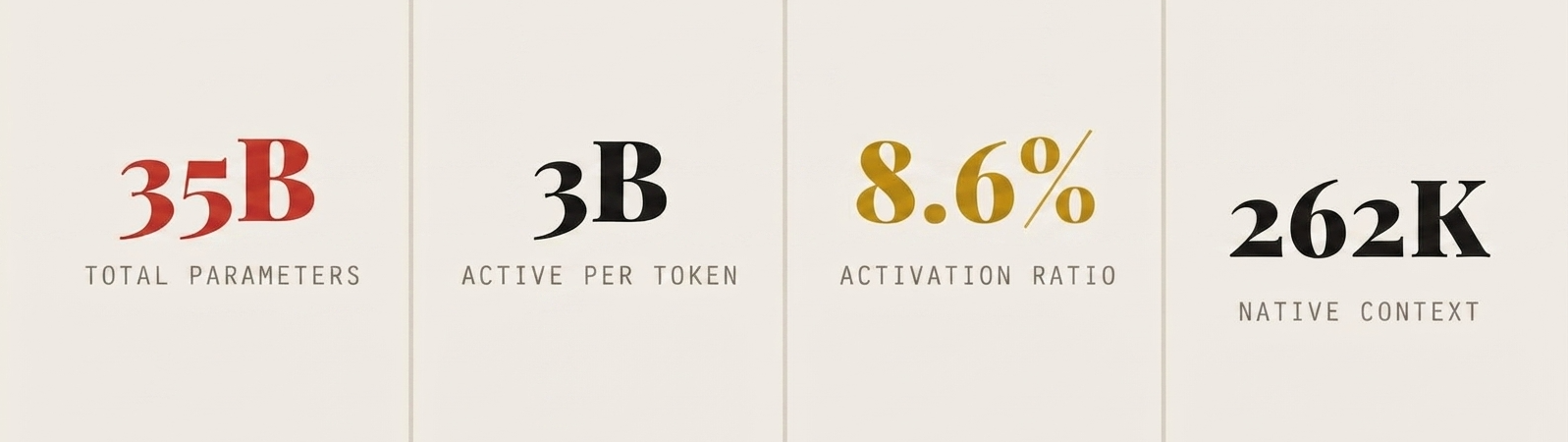
This architectural nuance is denoted by terms like "A3B" in the model name. In a string like 35B-A3B, the "35B" refers to the total parameter count stored on the disk, while "A3B" indicates that only approximately 3 billion parameters are "active" during inference. This allows a model to possess the vast knowledge base of a 35B system while operating with the speed and lower computational cost of a 3B system. For the end-user, this means faster token generation without sacrificing the "intelligence" associated with larger models.
Behavioral Alignment: Base vs. Instruct Tuning
Beyond the architecture, a model’s name specifies its training pedigree. The two primary categories are "Base" and "Instruct" (often shortened to "It").
A Base model is the raw version of the AI, trained on
massive datasets to predict the next token in a sequence. While powerful, base models are often difficult for casual users to interact with because they are not designed to follow instructions; they are more likely to continue a sentence or mimic the style of a document than to answer a direct question.
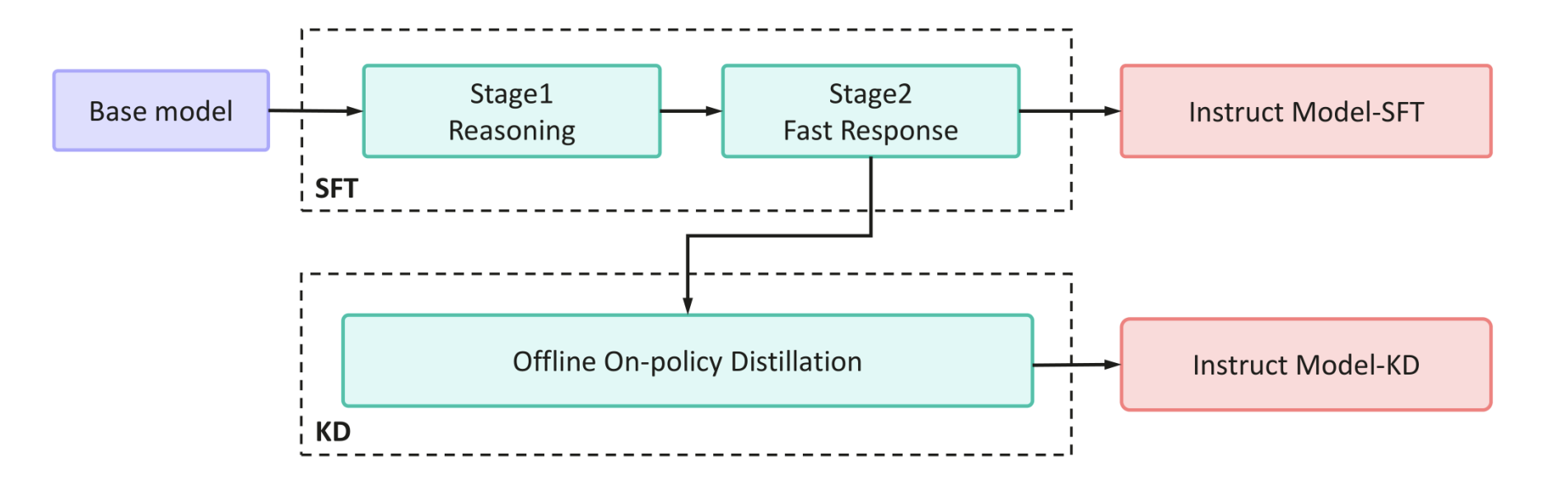
In contrast, an Instruct model has undergone a secondary phase of training known as Instruction Fine-Tuning (IFT) and often Reinforcement Learning from Human Feedback (RLHF). This process aligns the model’s behavior with human expectations, teaching it to act as a helpful assistant, recognize boundaries, and format outputs as requested. For almost all interactive applications, such as chatbots or coding assistants, the "Instruct" version is the preferred choice.
Precision and the Storage Revolution: FP16 and BF16
Before a model is compressed for home use, it exists in a high-precision format. The terms FP16 (Floating Point 16) and BF16 (Bfloat16) refer to how the numerical weights of the model are stored. Both use 16 bits per parameter, but they prioritize different aspects of numerical data.
FP16 is a traditional format that offers high precision but a narrower range of values. BF16, developed by Google Brain, uses the same number of bits but reallocates them to provide a much larger dynamic range, similar to that of 32-bit formats. In modern AI development, BF16 has become the industry standard for training and initial deployment because it is more robust against numerical instability, leading to more reliable model performance on modern hardware like NVIDIA’s H100 or RTX 40-series GPUs.
The Art of Compression: Quantization Levels and Schemes
Because 16-bit models are too large for most home computers, the community relies on "quantization"—the process of reducing the number of bits used to represent each parameter. This is where terms like Q4, Q5, Q6, and Q8 appear.
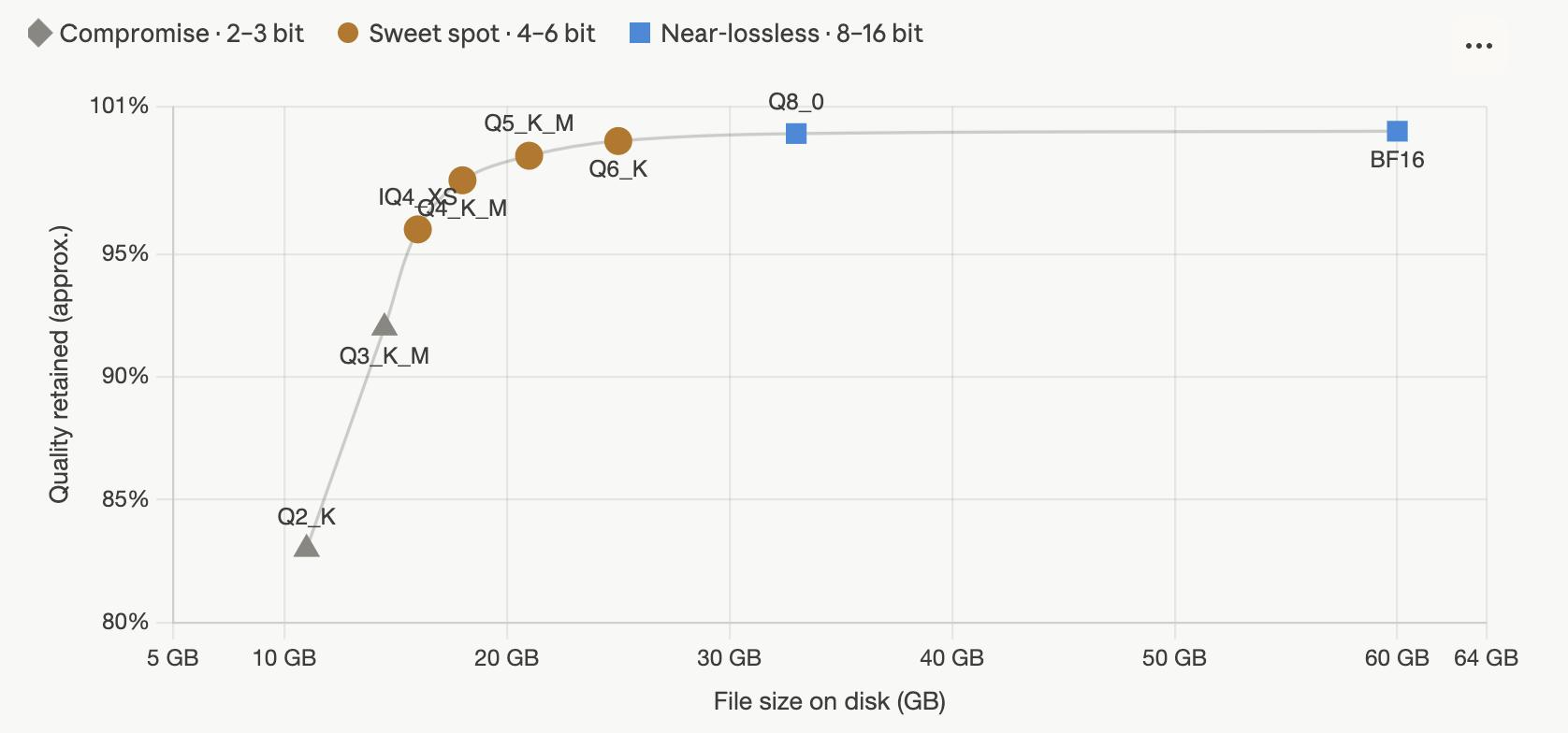
Quantization is essentially a form of lossy compression. By reducing a model from 16-bit to 4-bit (Q4), the memory requirement drops by 75%. A 70B model that would normally require 140GB of VRAM can be squeezed into approximately 40GB. While this process does introduce a slight "perplexity" penalty (a measure of how much the model’s accuracy degrades), the trade-off is often negligible. Research has shown that a 4-bit quantization of a large model often outperforms a 16-bit version of a smaller model, making quantization the cornerstone of the local AI movement.
Advanced naming conventions like Q4_K_M or Q5_K_S refer to specific "K-Quants" or quantization schemes. These indicate that the compression is not uniform; the algorithm might preserve higher precision for critical layers of the model while compressing less important layers more aggressively.
- Q4_K_M: A "medium" 4-bit scheme that is widely considered the gold standard for balancing file size and intelligence.
- Q2_K: A highly aggressive compression that allows massive models to run on very limited hardware, though with a noticeable hit to reasoning capabilities.
File Formats and Ecosystems: GGUF and Beyond
The final piece of the puzzle is the file format, with GGUF (GPT-Generated Unified Format) being the most prominent. Introduced by the developers of llama.cpp, GGUF replaced the older GGML format to provide better extensibility and metadata support.
The presence of "GGUF" in a filename tells the user that the model is designed to be compatible with versatile loaders like Ollama, LM Studio, or KoboldCPP. The primary advantage of GGUF is its ability to "offload" layers. If a user has a model that requires 20GB of memory but only has 12GB of VRAM, GGUF allows the software to put 12GB on the GPU and the remaining 8GB on the system RAM. This flexibility is what makes local AI accessible to those without enterprise-grade hardware.
Other formats like EXL2 are optimized specifically for high-speed GPU inference, while Safetensors is the standard for high-speed loading of unquantized or AWQ (Activation-aware Weight Quantization) models.
Chronology and Industry Impact
The standardization of these naming conventions has tracked closely with the "Open Source Summer" of 2023, following the leak and subsequent official release of Meta’s Llama models. Prior to this, the naming of AI models was fragmented and often lacked technical transparency.
The emergence of "quantizers"—community members like ‘TheBloke’ (Tom Jobbins) or ‘Bartowski’—played a pivotal role in establishing this nomenclature. By providing thousands of standardized versions of popular models, they created a shorthand that allowed users to instantly assess whether a model would fit on their specific hardware.
This transparency has had a profound impact on the democratization of AI. It has moved the technology out of the research lab and into the hands of developers, who can now reliably choose a model like Qwen3.5-35B-A3B-Instruct-Q4_K_M-GGUF and know exactly how it will behave: it is a Mixture-of-Experts model (35B total/3B active) tuned for conversation, compressed for efficiency, and ready to run on a mix of CPU and GPU power.
Broader Implications and Analysis
The move toward more complex naming reflects a maturing industry. As LLMs become integrated into edge computing and privacy-focused local workflows, the ability to fine-tune the balance between "bits and brains" becomes a competitive advantage.
The industry is currently trending toward "Mixed Precision" and "AutoRound" algorithms, which use automated optimization to ensure that the most important mathematical weights in a model are protected during compression. This means that future "alphabet soup" names may become even longer, but the resulting models will be significantly more capable than the 16-bit giants of the past. For the first time in the history of computing, the bottleneck is no longer just the software, but the user’s ability to navigate the specifications of the models they download. By decoding these names, users gain the power to turn a standard personal computer into a world-class reasoning engine.