

The digital marketing landscape has undergone a seismic shift over the last two decades, moving from basic server-side metrics like pageviews and bounce rates to sophisticated behavioral analytics that attempt to decode the "why" behind user actions. In this increasingly competitive environment, two platforms have emerged as primary contenders for businesses seeking to optimize their user experience (UX) and conversion rates: Crazy Egg, a pioneer in the heatmap space, and Microsoft Clarity, a disruptive, free-to-use entrant from one of the world’s largest technology corporations. While both tools aim to provide transparency into visitor behavior, they cater to distinct market segments and offer vastly different approaches to data utility, integration, and long-term optimization strategies.
The Evolution of Behavioral Analytics: A Brief Chronology
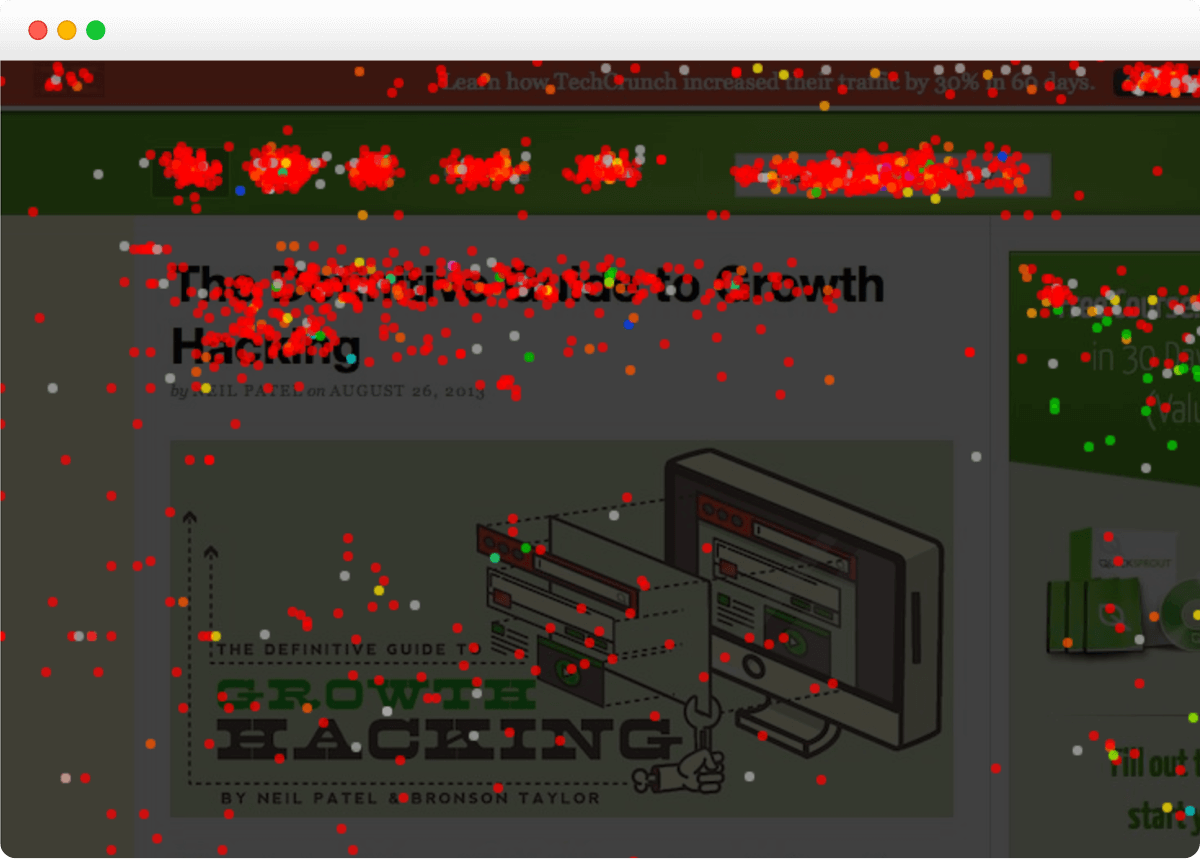
To understand the current rivalry between Crazy Egg and Microsoft Clarity, one must look at the timeline of the conversion rate optimization (CRO) industry. Crazy Egg was co-founded in 2006 by Hiten Shah and Neil Patel, making it one of the earliest players in the visual analytics market. At a time when Google Analytics provided only raw numbers, Crazy Egg introduced the "heatmap," a visual representation of where users clicked. This innovation allowed small-to-medium businesses (SMBs) to see their websites through the eyes of their customers.
For nearly 15 years, the market for behavioral analytics was dominated by paid SaaS models. However, in October 2020, Microsoft disrupted the industry by launching Microsoft Clarity. Positioning the tool as a "completely free" service with no traffic caps, Microsoft sought to democratize data for webmasters who found premium tools like Hotjar or Crazy Egg cost-prohibitive. Since its launch, Clarity has rapidly integrated with the broader Microsoft ecosystem, including Bing Webmaster Tools and its "Copilot" AI, forcing established players like Crazy Egg to evolve beyond simple heatmaps into full-spectrum optimization suites.
Main Facts: Comparative Architecture and Core Functionalities
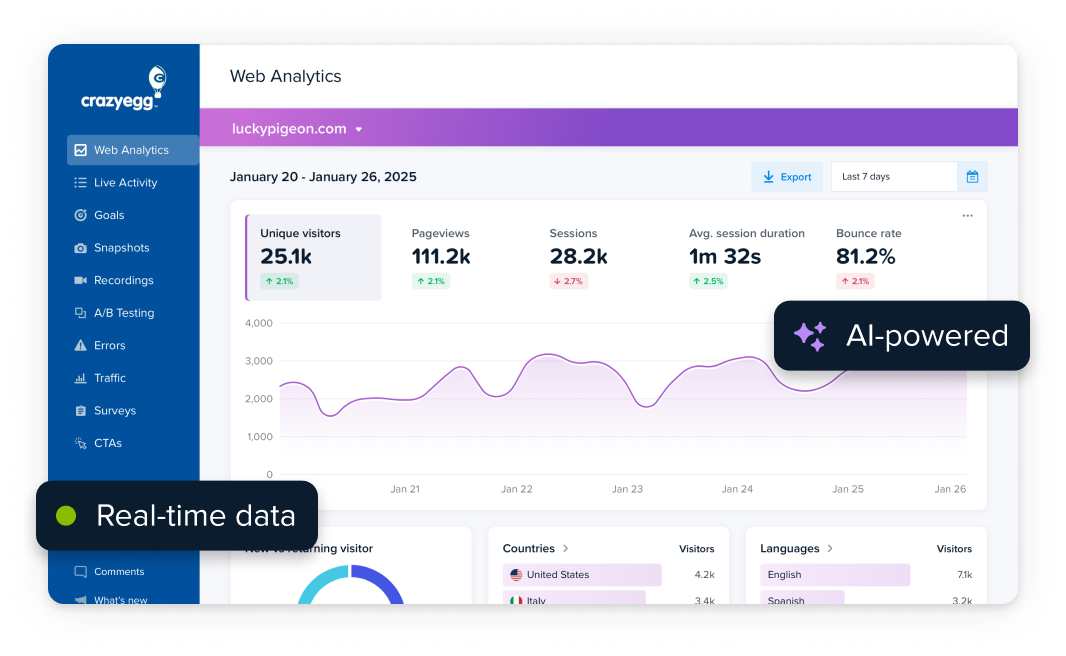
The fundamental difference between the two platforms lies in their scope. Microsoft Clarity is built as a high-volume data engine designed to capture as much raw behavioral data as possible without financial penalty. In contrast, Crazy Egg has transformed into a "CRO-in-a-box" platform, combining data collection with the tools necessary to act on that data immediately.
Heatmapping Capabilities and Segmentation
Both platforms offer five distinct types of heatmaps, including click maps and scroll maps. However, Crazy Egg retains a significant technical advantage with its proprietary "Confetti Map." While a standard heatmap shows aggregate density, a Confetti Map allows marketers to segment individual clicks by 20+ variables—such as referral source, search terms, or device type—on a single overlay. This allows a marketer to see, for example, that visitors from Facebook are clicking on a "Learn More" button while visitors from Google Search are ignoring it.
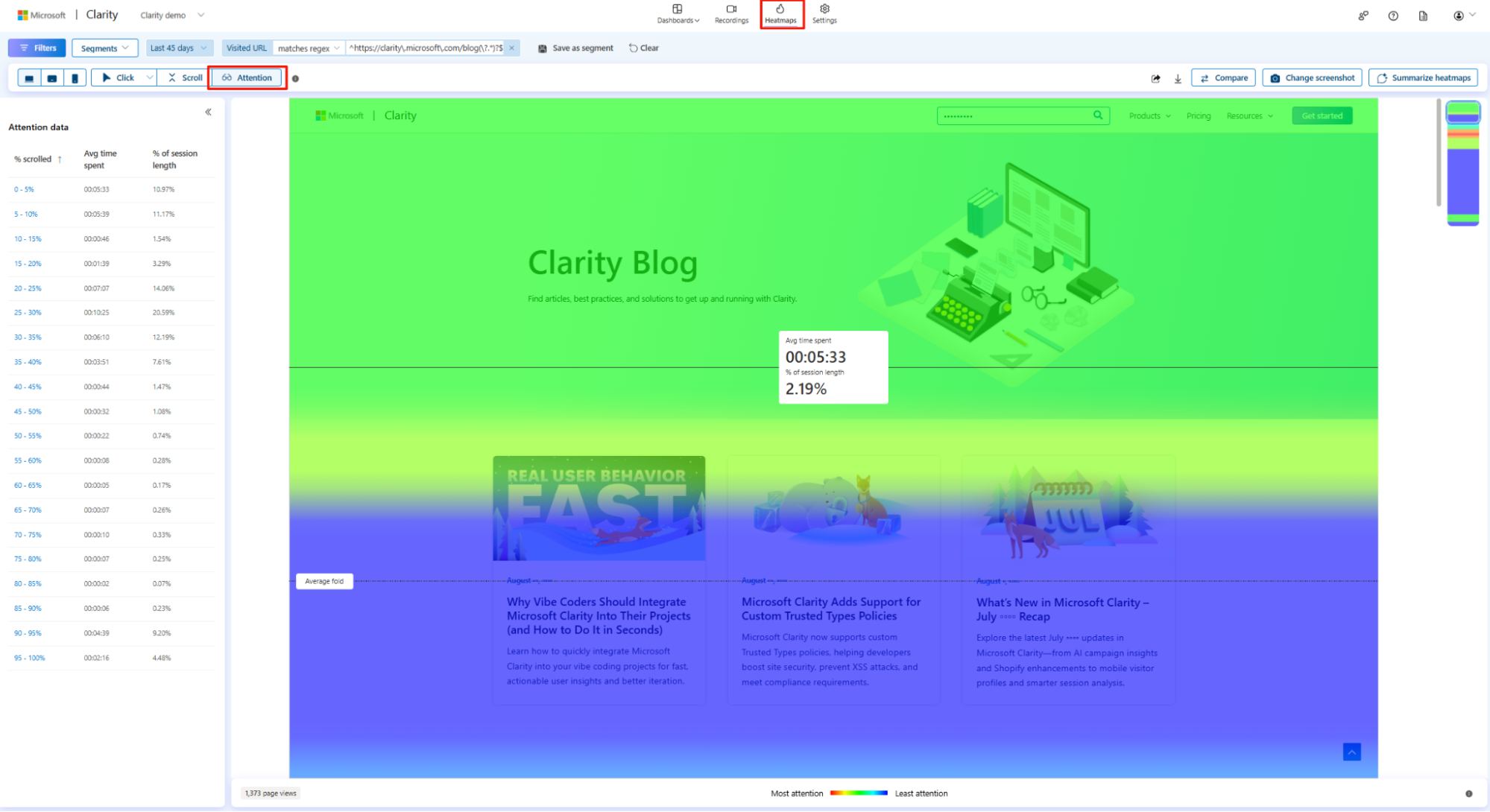
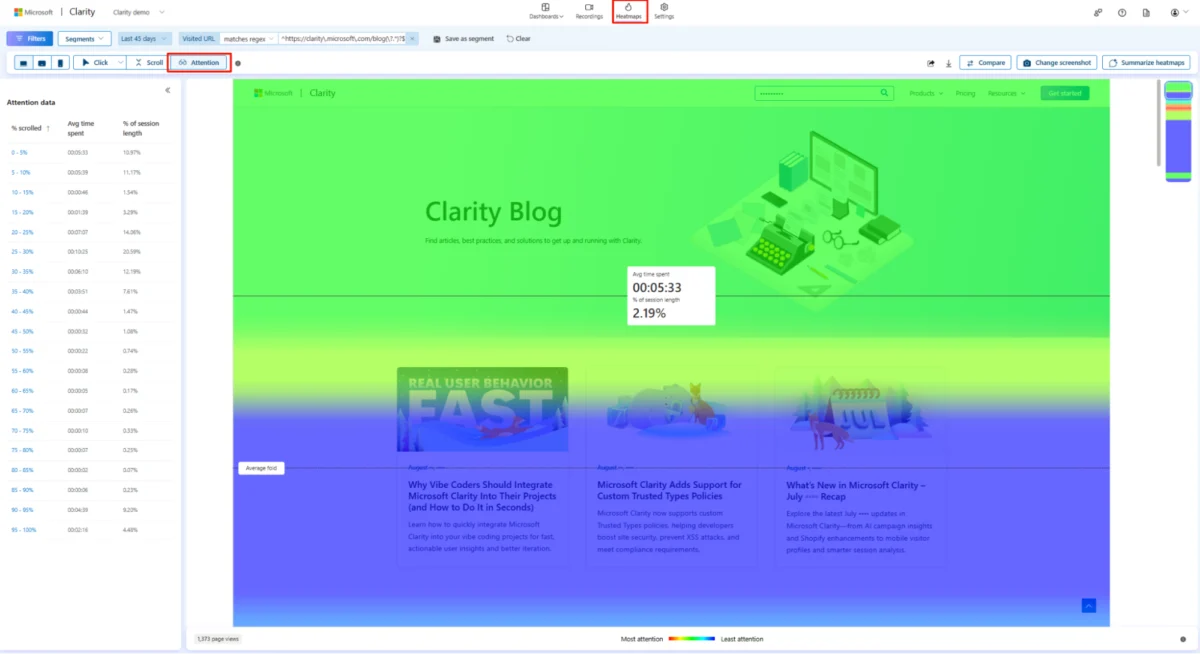
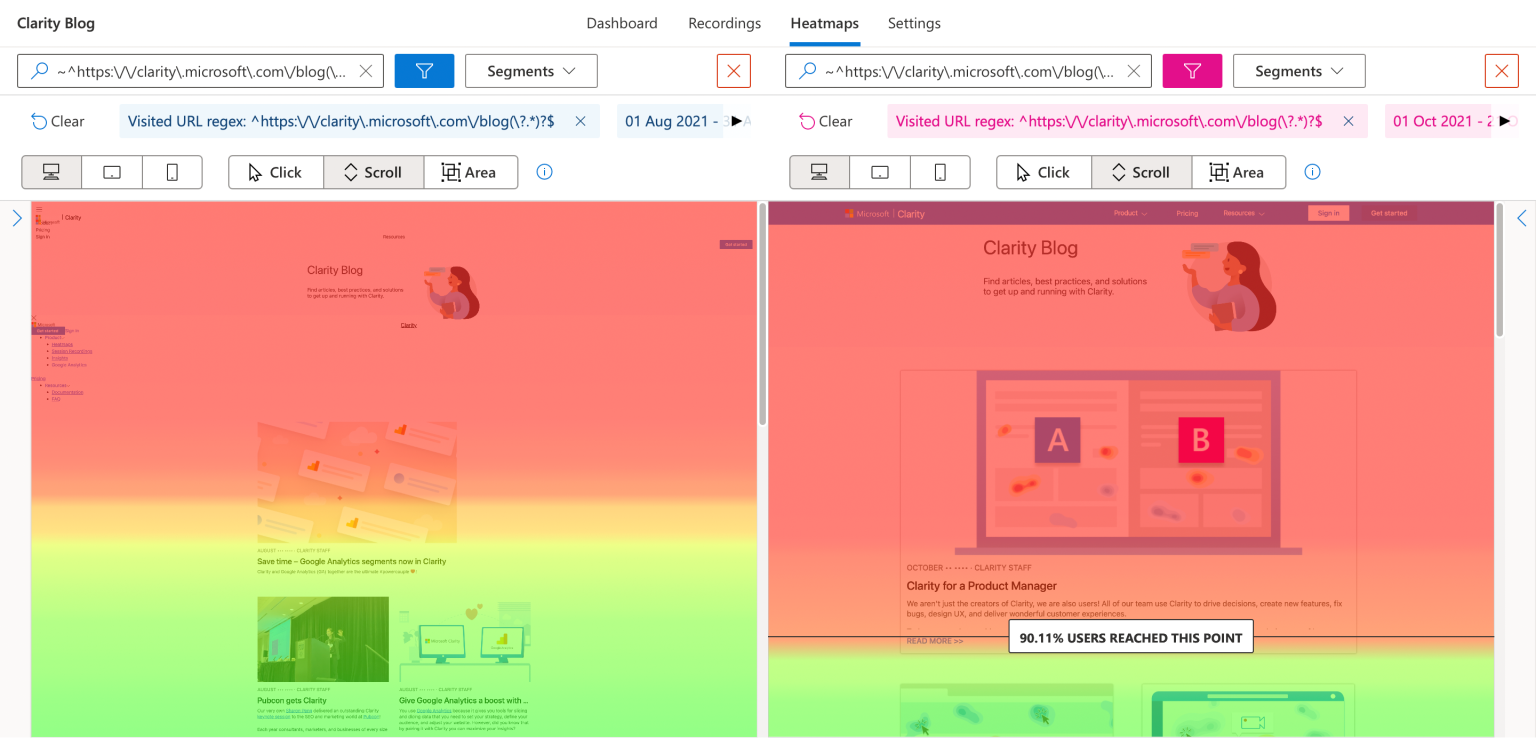
Microsoft Clarity provides "Attention Maps," which measure the depth of engagement by calculating the time spent on various parts of a page. While Clarity lacks the per-click segmentation of the Confetti Map, it offers a robust "Side-by-Side" comparison tool, allowing users to compare two different versions of a page or two different audience segments in real-time.
Session Recordings and Data Retention
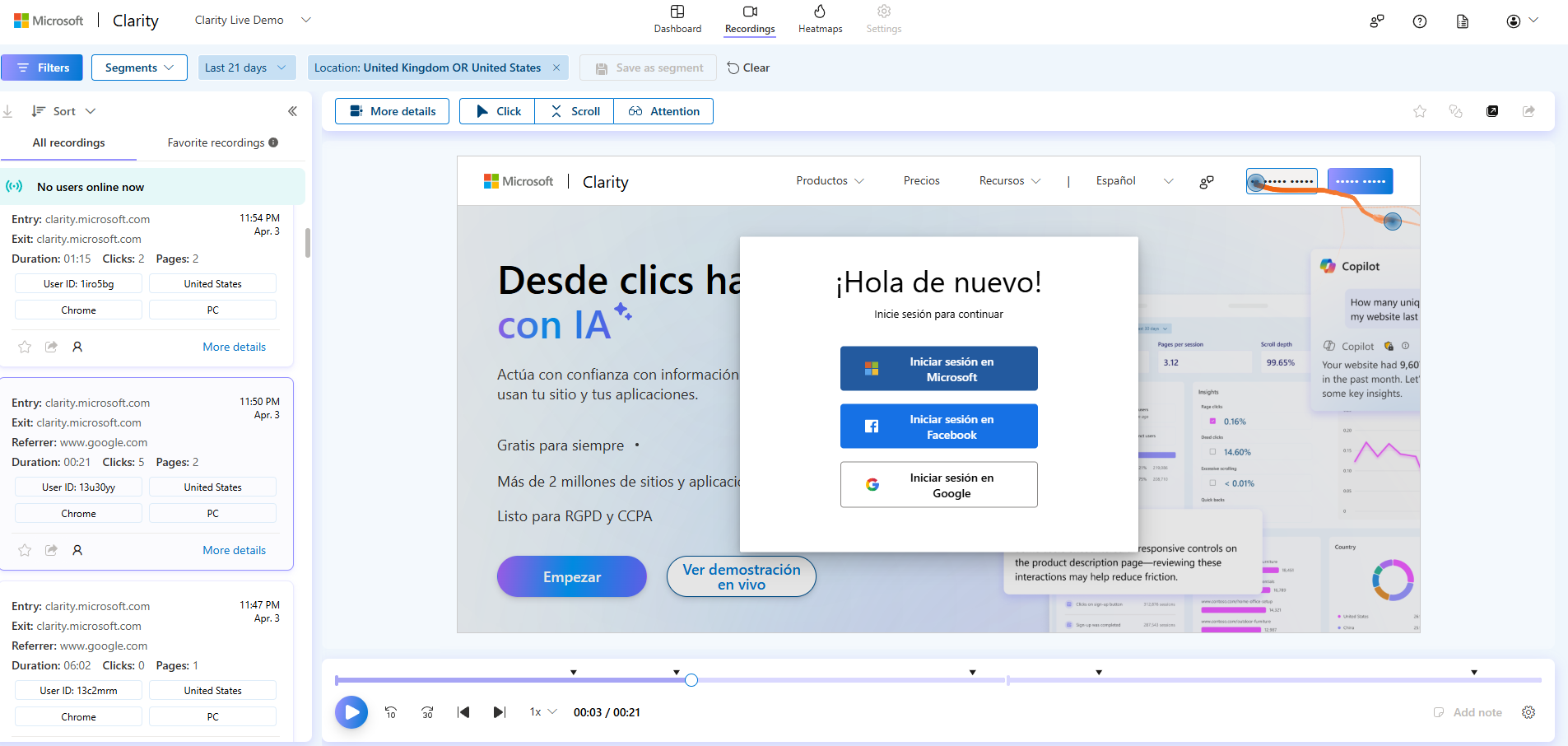
In the realm of session recordings, the two tools offer a trade-off between volume and longevity. Microsoft Clarity is designed for high-traffic enterprises, supporting up to 100,000 sessions per day with no sampling. This makes it ideal for identifying rare "edge-case" bugs on massive e-commerce sites. However, Clarity’s standard data retention is limited to 30 days.
Crazy Egg takes a more curated approach. While it limits the number of recordings based on the subscription tier (ranging from 50 to 10,000 per month), it stores that data for significantly longer—up to two years on higher-tier plans. For SMBs and mid-market marketers, this historical data is vital for year-over-year comparisons and long-term trend analysis, which is impossible with Clarity’s 30-day window.
Supporting Data: The Impact of Integrated Error Tracking
A critical development in behavioral analytics is the intersection of UX and technical performance. Both tools have moved into "Error Tracking," but their utility for development teams varies.
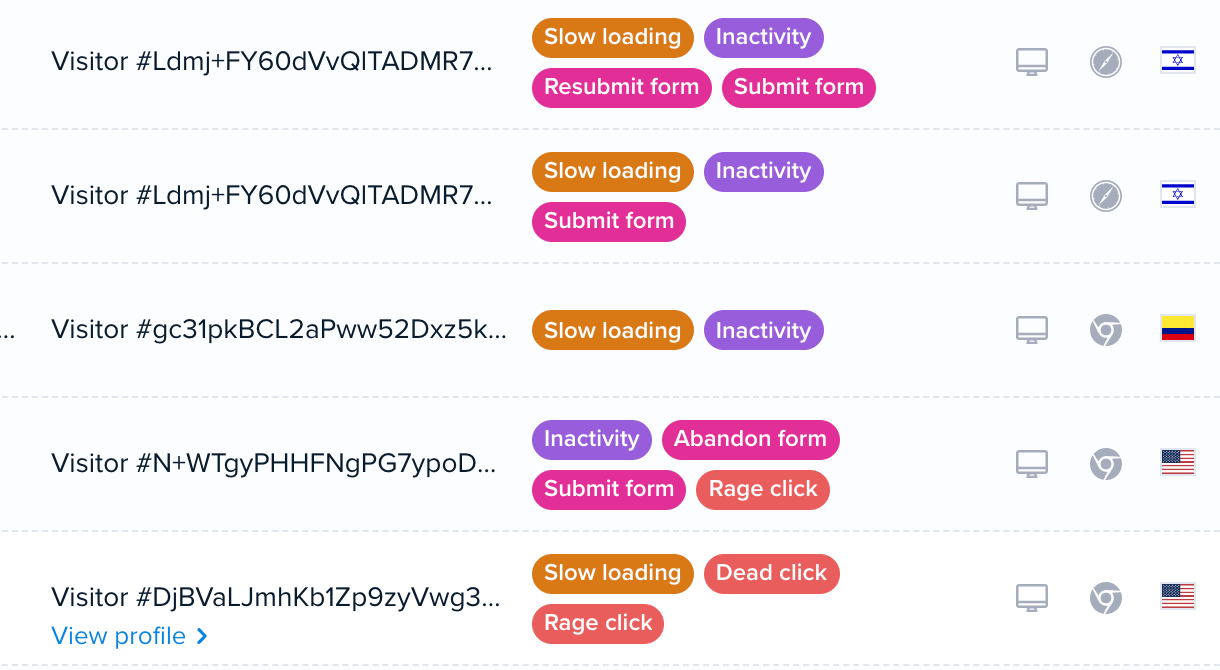
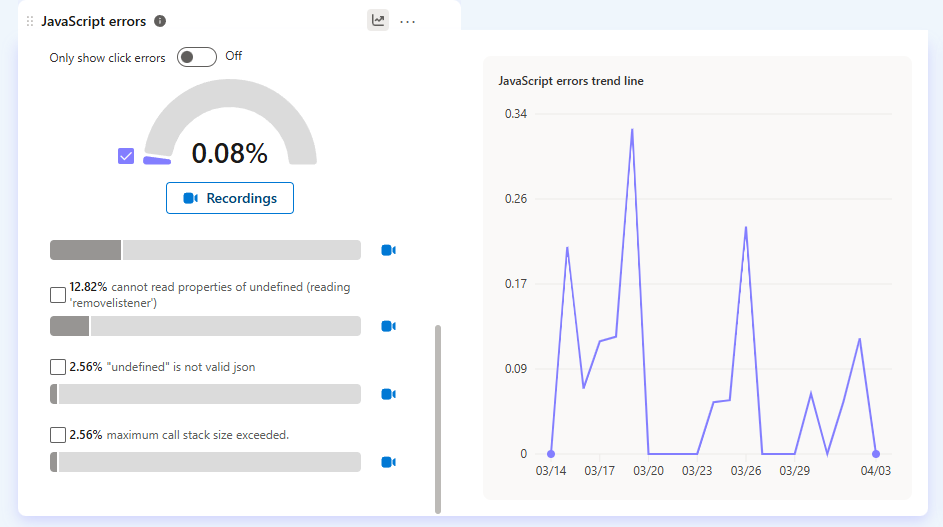
According to industry benchmarks, nearly 70% of users will abandon a site if they encounter a technical glitch. Microsoft Clarity addresses this via a JavaScript (JS) error panel that provides an aggregate view of error rates and "Rage Clicks." It allows users to filter recordings by error type, providing a basic visual of the failure.
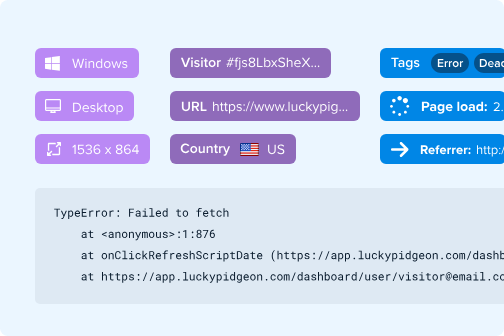
Crazy Egg provides a more sophisticated "Visual Debugging" workflow. It captures full stack traces for JS errors and links them directly to the session recording. This allows developers to see the exact line of code that failed while simultaneously watching the user’s screen. Crazy Egg also includes a "triage" system, where errors can be marked as "resolved" or "ignored," effectively acting as a mini-bug-tracking system within the CRO platform.
Official Responses and Market Positioning
Market analysts suggest that Microsoft’s decision to keep Clarity free is a strategic move to bolster its Bing and Azure ecosystems. By providing a free analytics tool, Microsoft gains a massive footprint in web data, which helps improve its search algorithms and AI models. An official statement from the Clarity team emphasizes that "Clarity is designed to be easy to use for everyone, from small bloggers to large enterprises, without worrying about budgets or traffic limits."
Crazy Egg, conversely, positions itself as a tool for the "active optimizer." Because Crazy Egg includes native A/B testing and survey tools, it targets marketers who do not want to manage a "Frankenstein" tech stack. By providing the ability to identify a problem (Heatmaps), ask the user for feedback (Surveys), and test a fix (A/B Testing) all within one interface, Crazy Egg argues that the "cost" of the tool is offset by the time saved in operational efficiency.
Broader Impact and Implications for Digital Strategy
The choice between these two platforms carries significant implications for a company’s digital strategy, particularly regarding "Total Cost of Ownership" (TCO) and data privacy.
The Integration Tax
While Microsoft Clarity is free, it is not an all-in-one solution. To perform A/B testing or gather qualitative survey feedback, a Clarity user must integrate third-party tools like Optimizely or Typeform. These external tools often come with high monthly fees and require additional tracking scripts, which can slow down website load times. Crazy Egg’s "all-in-one" model reduces script bloat and eliminates the need for multiple vendor contracts, which can be a deciding factor for IT departments concerned with site performance and security.
AI and Prescriptive Analytics
Both platforms are currently racing to integrate Generative AI. Microsoft Clarity utilizes "Copilot" to provide natural language summaries of session recordings, saving users hours of manual watching. Crazy Egg has taken a different route by creating an MCP (Model Context Protocol) connector. This allows power users to query their website data directly from advanced AI tools like Claude or ChatGPT, enabling sophisticated data modeling that goes beyond simple summaries.
Conversion Funnels and Retroactive Data
For e-commerce managers, funnel analysis is the heartbeat of the business. Microsoft Clarity’s funnels are easy to set up using "Smart Events," but they are generally not retroactive—meaning they only start tracking data from the moment they are created. Crazy Egg’s funnels allow for retroactive analysis; if a marketer creates a funnel today, Crazy Egg can pull from its historical data to show how that funnel performed six months ago. In a fast-moving retail environment, the ability to look backward without prior planning is a major competitive advantage.
Final Analysis: Selecting the Right Framework
The decision between Crazy Egg and Microsoft Clarity ultimately depends on the maturity of the organization’s CRO program.
Microsoft Clarity is the optimal choice for:
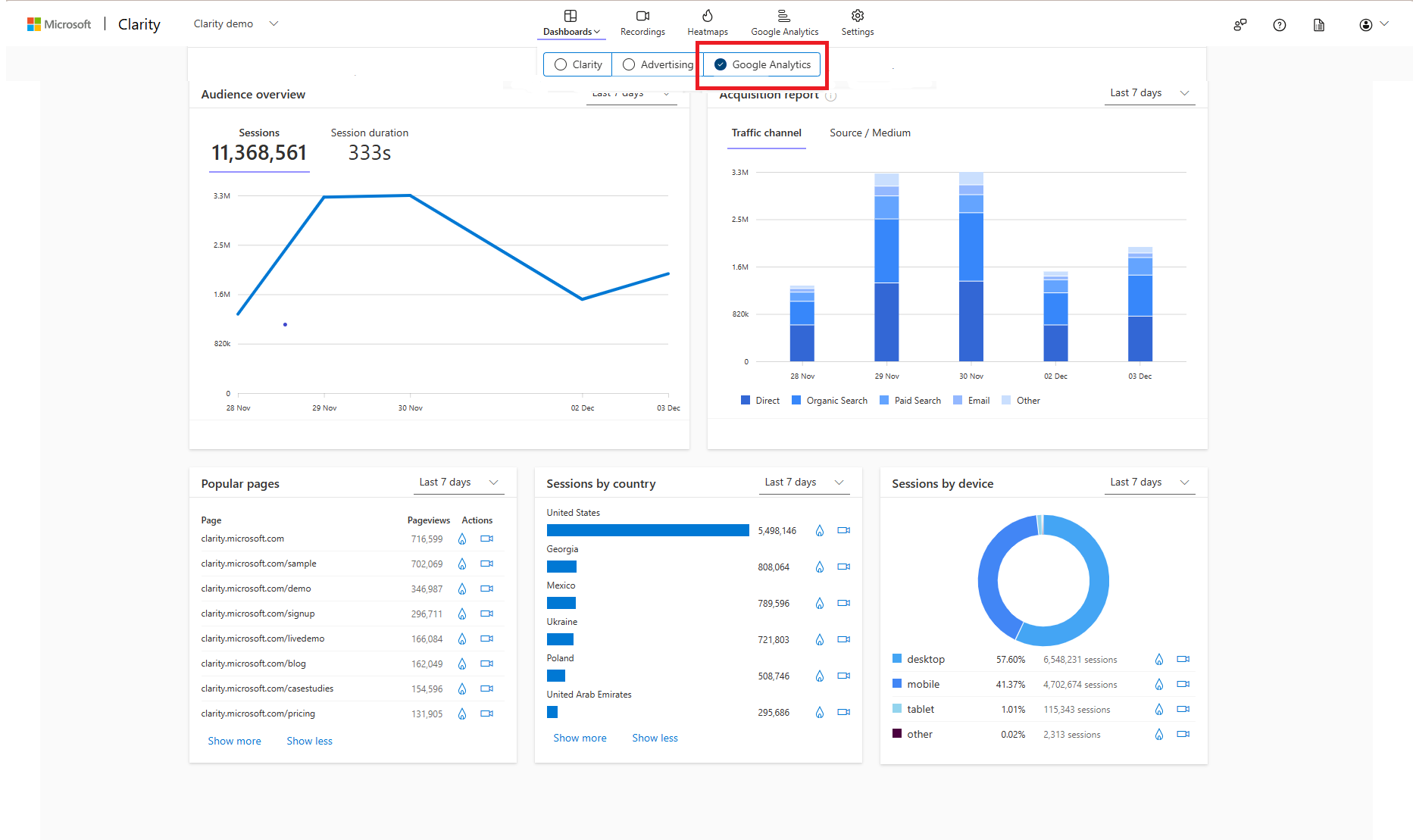
- Early-stage startups and non-profits with zero budget for UX tools.
- High-traffic websites (over 1 million monthly visitors) that require unsampled data.
- Developers who need a quick, no-cost way to spot "rage clicks" and basic JS errors.
Crazy Egg is the superior choice for:
- SMBs and mid-market companies that need a structured optimization workflow.
- Marketers who require deep segmentation (Confetti Maps) to justify ad spend.
- Organizations that prioritize long-term data retention for seasonal trend analysis.
- Teams that want to minimize "tool fatigue" by housing A/B testing, surveys, and heatmaps under one roof.
As the digital economy continues to tighten, the value of behavioral data will only increase. While Microsoft Clarity has successfully lowered the barrier to entry for web analytics, Crazy Egg continues to define the standard for what a comprehensive conversion platform should look like. For many businesses, the "free" price tag of Clarity is an excellent starting point, but the advanced actionability and integrated toolset of Crazy Egg represent the logical next step in a professional growth strategy.







