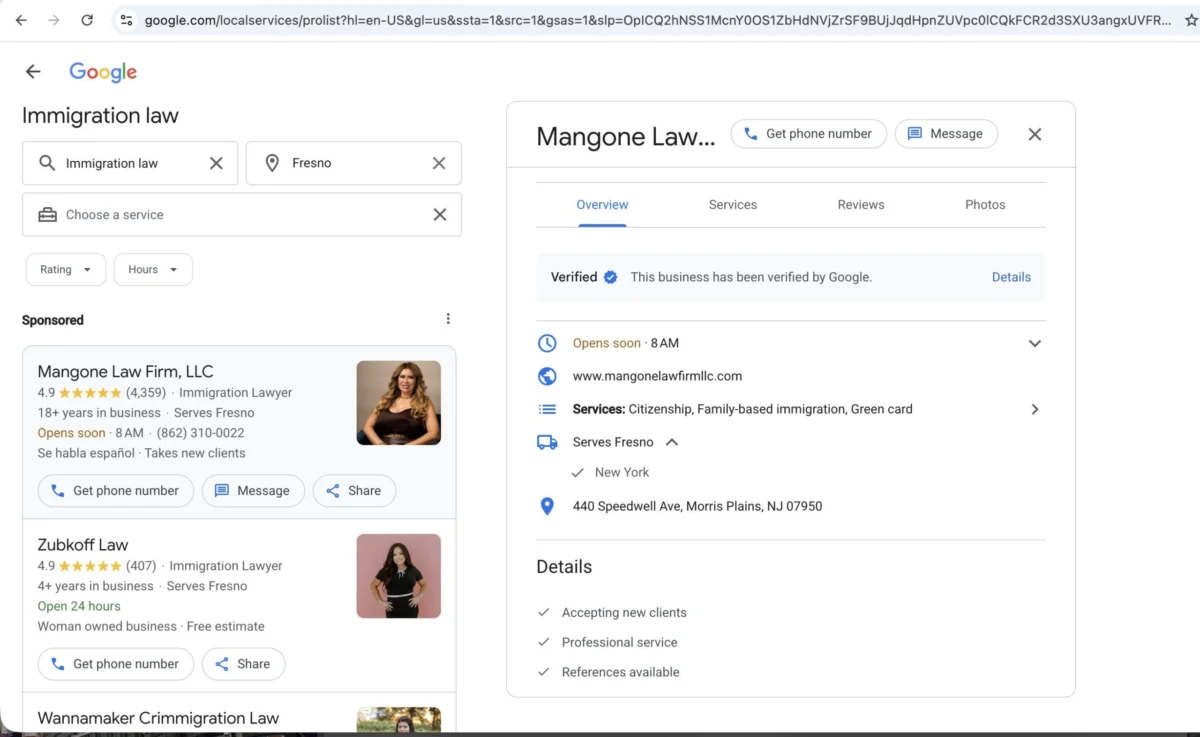
The digital publishing world is undergoing a profound transformation, driven largely by the proliferation of Artificial Intelligence (AI) in search engines and content generation. What was once primarily a strategy for boosting search engine rankings through keyword optimization has now evolved into a sophisticated art of audience engagement, trust-building, and differentiation. In an era where AI search tools like Google’s AI Overviews and various large language models (LLMs) can answer user queries directly, the onus is on content creators to produce posts that not only rank but truly stand out and provide unique value. This shift necessitates a re-evaluation of fundamental blogging strategies, from content ideation and creation to optimization, audience building, and monetization.
The Imperative of Blogging in the Digital Age
Despite the dynamic changes in the search landscape, blogging remains an indispensable component of any robust online presence. Whether for e-commerce platforms, personal brands, or corporate portfolios, a consistently updated blog signals vitality and relevance. Industry data consistently underscores the power of content marketing, with blogging often cited as a cornerstone. According to a recent report by HubSpot, companies that blog consistently receive 55% more website visitors than those that don’t, while B2B marketers who use blogs generate 67% more leads than those who do not. These figures highlight blogging’s enduring utility as a powerful marketing and SEO tool.
The advent of AI-powered search has only amplified the importance of high-quality, unique content. AI systems are designed to parse information, synthesize answers, and present them concisely. For a blog post to be featured in these AI-generated summaries or even chosen as a primary source, it must demonstrate clarity, thoroughness, and authority. Simply put, if a website is not actively blogging, it risks ceding valuable visibility in an increasingly competitive and AI-dominated search environment, missing critical opportunities to connect with its target audience.
AI’s Transformative Impact on Search and Content Strategy
The most significant recent development influencing blogging is the integration of AI into search engines. Google’s AI Overviews, along with the growing prominence of conversational AI platforms, represent a paradigm shift from traditional link-based ranking to a more direct, answer-oriented search experience.
The Shift from Ranking to Relevance and Authority
Historically, SEO focused heavily on keyword density, backlinks, and technical optimizations to achieve high rankings on search engine results pages (SERPs). While these factors still hold weight, AI introduces new dimensions. AI algorithms prioritize content that directly and comprehensively answers user questions, demonstrating expertise, experience, authoritativeness, and trustworthiness (E-E-A-T). This means that a blog post’s ability to clearly articulate a solution or provide in-depth information is paramount. Google’s evolving algorithms are becoming more adept at understanding context and nuance, favoring content that addresses the intent behind a query rather than just matching keywords. This also gives content creators more opportunities to appear in AI-generated snapshots, where Google attempts to summarize answers for users directly on the SERP.

The Rise of Generative AI and Content Differentiation
The proliferation of generative AI tools (e.g., ChatGPT, Gemini, Claude) presents both opportunities and challenges. While these tools can assist in content creation, they also risk saturating the internet with generic, rehashed information. Consequently, search engines are increasingly sophisticated in identifying and filtering out commodity content – material that offers no new perspective or unique value. As Carolyn Shelby, Principal SEO at Yoast, emphasizes, "A blog isn’t valuable just because it exists. It becomes valuable when it helps your audience solve problems, understand something better, or see your expertise in action. In today’s search landscape, the goal isn’t simply to publish, or even to publish more. It’s to create content worth being found, cited, and remembered." This sentiment underscores the critical need for human insight, original research, and distinct viewpoints that AI cannot replicate.
Foundational Elements: Setting Up for Success
Establishing a successful blog in this evolving landscape requires meticulous planning. Hasty launches without a clear strategy often lead to wasted effort and minimal impact.
Strategic Keyword Research in an AI-Driven World
Keyword research remains fundamental, but its scope has broadened. Beyond identifying high-volume search terms, bloggers must now delve into the intent behind those queries. Are users seeking informational answers, product comparisons, transactional opportunities, or navigational guidance? Understanding this intent allows content creators to tailor posts that perfectly align with user needs, increasing the likelihood of being featured by AI search tools. Furthermore, keyword research must now consider natural language queries and conversational phrases, reflecting how users interact with AI assistants. Tools that analyze common questions, forum discussions, and related searches can provide invaluable insights into the specific problems and curiosities of an audience.
Architecting a Future-Proof Blog Structure
A well-organized blog is crucial for both user experience and search engine crawlability. Before writing a single post, a clear content hierarchy should be established, including categories, subcategories, and cornerstone content. Cornerstone content, or pillar pages, are comprehensive guides on core topics that link out to more detailed articles within a "topic cluster." This structure not only helps readers navigate complex subjects but also signals to search engines the blog’s authority and depth on particular themes. An effective internal linking strategy, connecting relevant posts, further reinforces this structure and distributes link equity throughout the site. This foundational planning saves considerable effort in the long run and helps the blog adapt as AI search technologies continue to evolve.
Crafting High-Quality, AI-Resilient Content
The core of any successful blog is its content. In the AI era, the standards for "high quality" have been significantly elevated.
The Unassailable Value of Originality and Human Expertise
Originality is non-negotiable. With generative AI capable of producing vast amounts of text, content that merely rehashes existing information will struggle to gain traction. Google has explicitly warned against "commodity content," stating that AI-generated summaries and search results prioritize content that offers unique perspectives, genuine insights, or firsthand experience. Bloggers must focus on what makes their voice, data, or approach distinct. This could involve sharing personal anecdotes, conducting original research, offering unique analyses, or presenting information in an innovative format. Human expertise, backed by demonstrable experience and authority, is a critical differentiator that AI cannot fake.

Ensuring Readability and Engagement for Human and AI Readers
Beyond originality, readability is paramount. A post might contain groundbreaking insights, but if it’s difficult to digest, it will fail both human readers and AI algorithms. Clear, concise writing, logically structured paragraphs, and effective use of subheadings are essential. Each paragraph should begin with its most important sentence, followed by supporting details, allowing readers (and AI systems) to quickly grasp the main points through skimming. Short sentences, transition words, and a simple vocabulary enhance comprehension. Readability tools, often integrated into SEO plugins, can provide valuable feedback on text complexity, sentence length, and paragraph structure, guiding writers toward more accessible content.
Leveraging AI Tools for Content Planning and Enhancement
While generative AI should not be used to produce unedited, generic content, it can be a powerful assistant in the content creation process. Tools like Yoast AI Content Planner, for instance, can scan existing content, identify gaps, and generate tailored post ideas with draft frameworks, including titles, outlines, focus keyphrases, and meta descriptions. Other AI platforms can help with brainstorming, summarizing research, generating initial drafts (which then require significant human refinement and injection of originality), or optimizing existing content for clarity and conciseness. The key is to use AI as a co-pilot, not a replacement for human creativity and judgment.
Optimizing for Visibility in the New Search Paradigm
Even the most brilliant content needs to be discoverable. SEO practices must evolve to meet the demands of AI-driven search.
Beyond Keywords: Holistic SEO for AI Search
Modern SEO extends beyond simple keyword placement. It encompasses a holistic approach to site health, user experience, and semantic relevance. This includes optimizing for Core Web Vitals (page loading speed, interactivity, visual stability), ensuring mobile responsiveness, and implementing structured data markup to help search engines understand content context. Internal linking remains crucial for distributing authority and guiding users and crawlers through the site. Furthermore, actively seeking out opportunities for external citations and mentions, even without direct backlinks, signals authority and trustworthiness to AI algorithms.
The Role of SEO Tools and Analytics
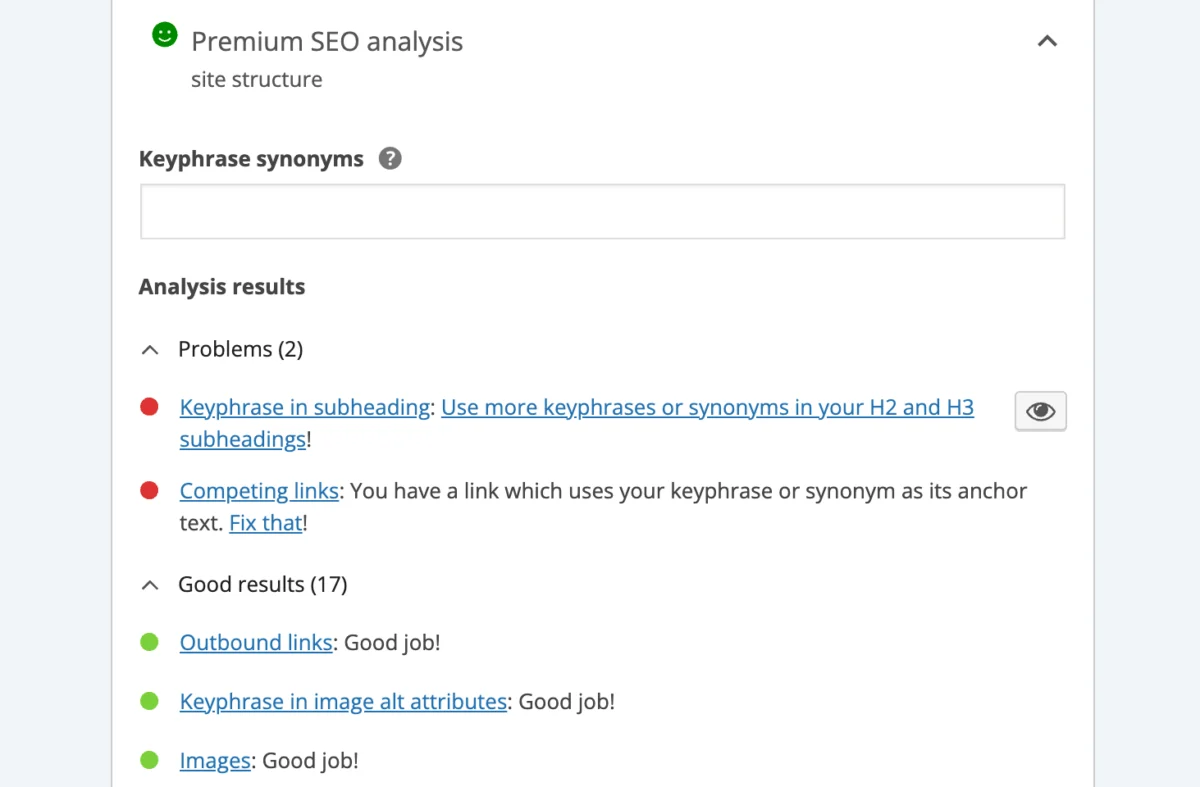
Advanced SEO tools, such as the Yoast SEO plugin, provide real-time analysis for both readability and keyphrase optimization. These tools guide content creators in making smart adjustments to improve visibility without compromising the integrity or originality of the content. Regular monitoring of analytics (traffic sources, time on page, bounce rate, conversion rates) is essential for identifying what resonates with the audience and what needs improvement. This data-driven approach allows bloggers to adapt their strategies, double down on successful content formats, and address underperforming areas.
Cultivating Audience Engagement and Community
In an era of information overload, audience engagement is a critical SEO factor and a powerful marketing tool. Google’s algorithms increasingly factor in user signals – how long users stay on a page, whether they interact with content, and if they return to the site.

Building Trust and Interaction in a Discerning Digital Space
Comments on blog posts, social media shares, and online discussions all signal an active and valuable blog. Responding to comments not only fosters a sense of community but also demonstrates that the brand values its audience, encouraging further interaction. While positive feedback is welcome, handling negative comments professionally and constructively is equally important. Beyond on-site engagement, leveraging social media platforms (Facebook, X, Reddit, Instagram, TikTok) is crucial for extending reach and driving traffic. Short-form video content, in particular, has emerged as a powerful medium for attracting new audiences.
Email newsletters provide a direct line of communication, allowing bloggers to bypass algorithmic gatekeepers and cultivate a loyal subscriber base. Regular newsletters can share new posts, exclusive content, special offers, or behind-the-scenes insights, reinforcing brand loyalty and encouraging repeat visits.
Monetization Strategies in the Modern Blogging Ecosystem
While many bloggers are driven by a passion for sharing knowledge or building a community, monetization is a key consideration for many. A diverse approach to revenue generation can create sustainable income streams.
Diversifying Revenue: From Advertising to Affiliate Marketing
Traditional methods like display advertising (e.g., Google AdSense) remain viable, though often requiring significant traffic volumes. Affiliate marketing, promoting products or services from other companies and earning a commission on sales, can be highly effective when integrated authentically with content. Selling digital products (e.g., e-books, online courses, templates) leverages the blogger’s expertise directly. Offering premium content or subscriptions provides exclusive value to dedicated followers. For businesses with online shops, a blog serves as a powerful organic traffic driver, leading prospective customers to product pages and bolstering overall sales. Sponsorships and brand partnerships offer opportunities for collaboration with relevant companies, providing unique content and financial compensation. Services like consulting or coaching can be directly promoted through the blog, showcasing expertise and attracting clients.
Sustaining Growth: Long-Term Blog Maintenance and Evolution
Starting a blog is often less challenging than maintaining its momentum and relevance over time. Consistency, adaptability, and proactive management are vital for long-term success.
Addressing Common Pitfalls: Cannibalization and Content Rot
Regular content publication, while not necessarily daily, builds audience expectation and trust. Developing an editorial calendar and adhering to it fosters discipline and ensures a steady stream of fresh content. As a blog grows, new challenges emerge, such as managing multiple authors, keeping older content updated, and preventing traffic declines.
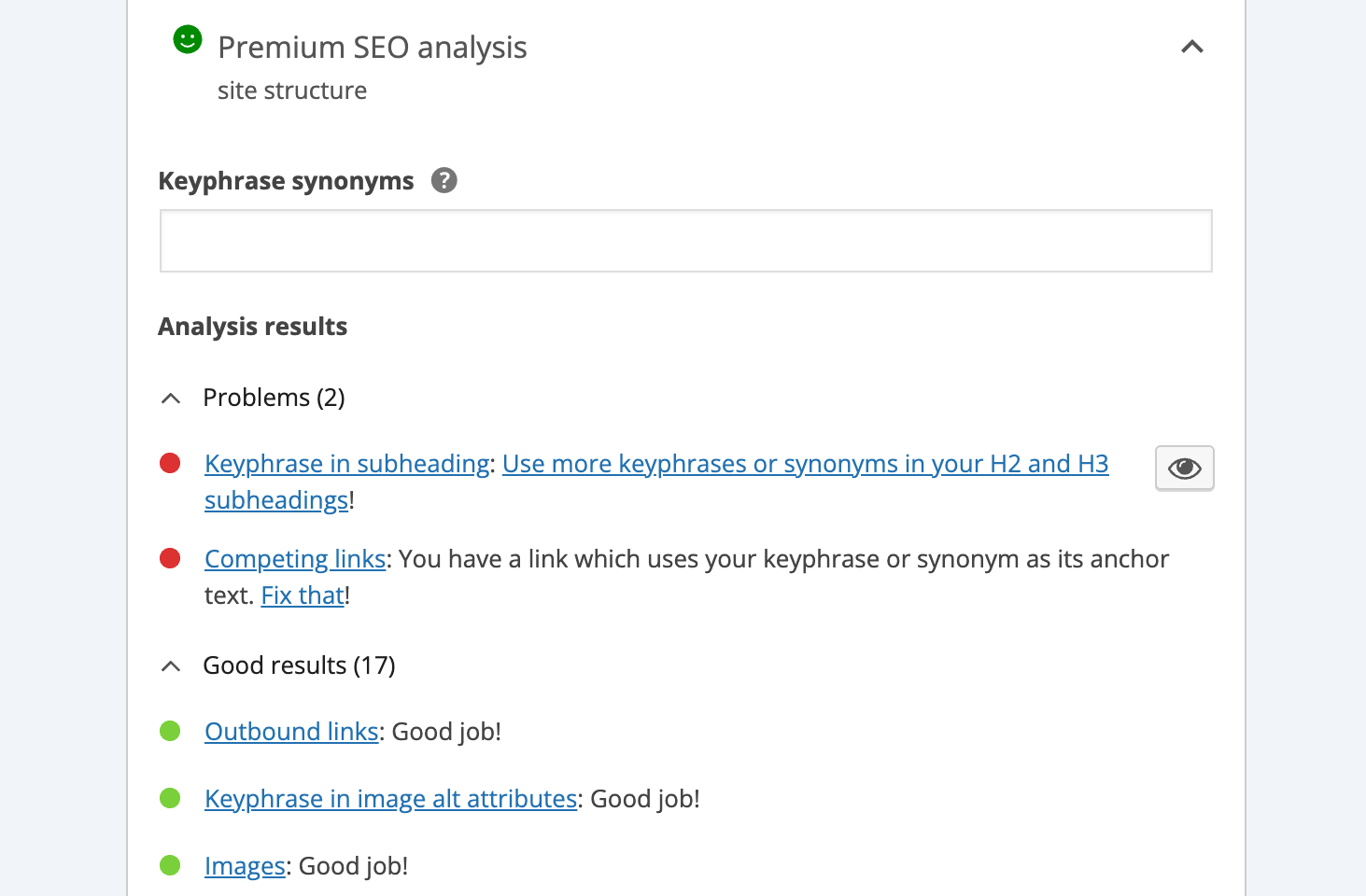
One common issue is keyword cannibalization, where multiple articles on a blog compete for the same or very similar keyphrases. This confuses search engines about which page to rank, potentially lowering the visibility of all competing posts. Regular SEO audits are crucial for identifying and rectifying cannibalization issues, often by consolidating, reoptimizing, or redirecting content. Similarly, "content rot" occurs when older articles become outdated or less relevant. A content maintenance strategy involves regularly reviewing, updating, or even pruning low-value or redundant content to maintain the blog’s overall quality and authority.
Dynamic Site Structure for Growing Blogs
As a blog expands, its initial structure may become unwieldy. Organizing content into topic clusters, with comprehensive pillar pages linking to supporting articles, becomes even more critical. This ensures that new content is seamlessly integrated into the existing architecture, reinforcing the blog’s topical authority. Regularly updating internal links, especially when publishing new posts, helps distribute link equity and ensures that relevant older content remains discoverable.
Strategic Content Planning for the Future
Moving beyond spontaneous posting to strategic content planning is essential for a growing blog. Utilizing editorial calendars, establishing clear guidelines for voice, style, and formatting across multiple authors, and leveraging tools like AI content planners streamline the process. A robust content plan ensures that the blog consistently aligns with its strategic goals, whether that’s driving traffic, generating leads, or building brand authority.
Conclusion
Blogging, far from being a relic of the early internet, has evolved into one of the most powerful and dynamic tools for digital growth. In an age increasingly shaped by AI, success hinges not merely on publishing content, but on creating truly valuable, original, and highly readable posts that cater to user intent. By embracing strategic keyword research, prioritizing human expertise and originality, optimizing for both human and AI readability, fostering audience engagement, and maintaining a well-structured site, bloggers can not only navigate the current digital landscape but thrive within it. The future of blogging belongs to those who adapt, innovate, and consistently deliver content worth discovering, citing, and remembering.