


The digital marketplace has evolved into a hyper-competitive environment where the cost of customer acquisition continues to rise, making the efficiency of existing web traffic more critical than ever. A Conversion Rate Optimization (CRO) audit serves as a comprehensive diagnostic evaluation of a website’s performance, identifying friction points that prevent visitors from transitioning into paying customers. Much like a medical check-up, these audits are not merely reactive measures for when sales decline; they are proactive strategies designed to uncover revenue opportunities, enhance user experience, and ensure that a brand’s digital presence remains aligned with evolving consumer behaviors.
The Strategic Shift Toward Data-Driven Auditing
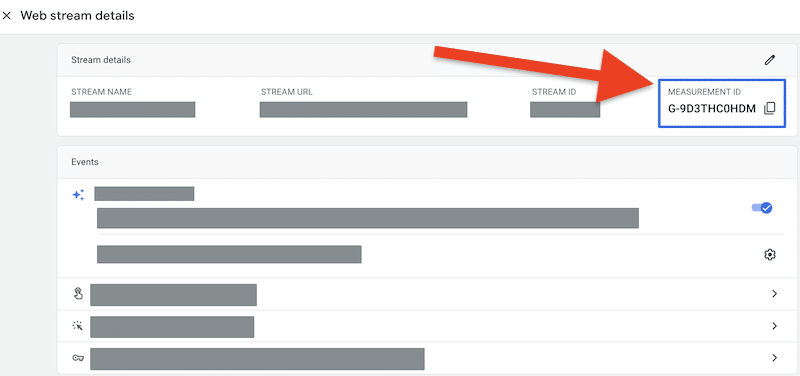
In the early years of e-commerce, website adjustments were often based on aesthetic preferences or “best guesses” by stakeholders. However, the modern digital landscape demands a shift toward evidence-based decision-making. Industry analysts note that the transition from Universal Analytics to Google Analytics 4 (GA4) has fundamentally altered how businesses track user journeys. This shift emphasizes event-based tracking over session-based metrics, allowing for a more granular understanding of how individuals interact with specific site elements.
The necessity of regular audits is underscored by the volatility of digital marketing. With the depreciation of third-party cookies and the implementation of stricter privacy frameworks like iOS 14.5, brands can no longer rely solely on top-of-funnel spending to drive growth. Instead, they must maximize the value of every visitor. A well-executed CRO audit provides the roadmap for this maximization, moving beyond surface-level metrics to address the psychological and technical barriers to conversion.
Phase One: Quantitative Analysis and the “What” of User Behavior
The foundation of any robust CRO audit is quantitative data. This phase focuses on the “what”—the objective numbers that highlight where a website is losing potential revenue. Without accurate data, any subsequent optimizations are merely speculative.
GA4 Implementation and Event Tracking
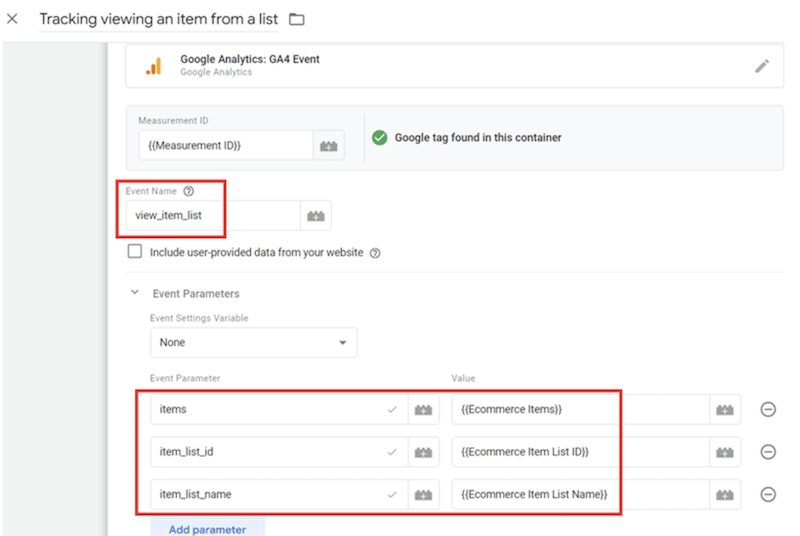
The first step involves verifying the integrity of the analytics setup. In the GA4 era, e-commerce entities must move beyond basic page views to track specific “events.” Essential events for a comprehensive audit include:
- view_item: Tracking which products are being seen.
- add_to_cart: Measuring the initial intent to purchase.
- begin_checkout: Identifying the transition from browsing to the transactional phase.
- purchase: Confirming the final conversion.
By analyzing the “drop-off” between these stages, auditors can pinpoint the exact location of friction. For instance, a high view_item count paired with a low add_to_cart rate suggests a failure in product presentation or pricing. Conversely, a high begin_checkout rate but low purchase rate indicates issues within the payment gateway or unexpected shipping costs.
Benchmarking and Performance Metrics
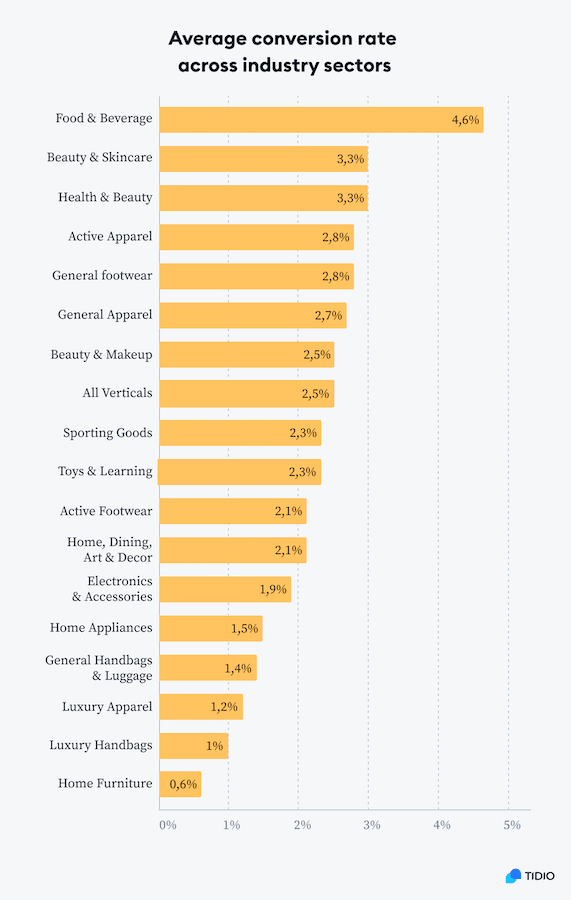
Establishing what constitutes “success” requires comparing internal data against industry standards. While the global average e-commerce conversion rate typically fluctuates between 1% and 4%, these figures vary wildly by sector. For example, food and beverage sites often see conversion rates as high as 4.6%, while luxury home furniture may struggle to exceed 0.6% due to the high-consideration nature of the purchase.
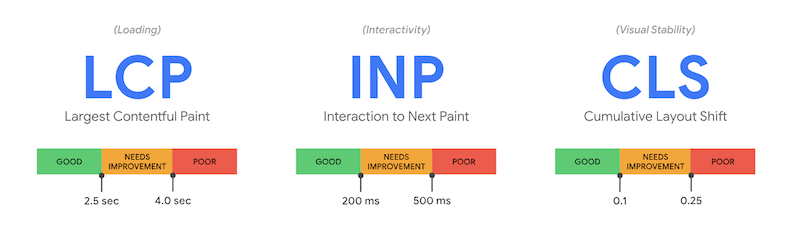
Furthermore, technical performance is now inextricably linked to conversion. Google’s Core Web Vitals—comprising Largest Contentful Paint (LCP), Interaction to Next Paint (INP), and Cumulative Layout Shift (CLS)—serve as the standard for site speed and stability. Research indicates that a one-second delay in mobile load times can impact conversion rates by up to 20%. Therefore, a quantitative audit must include a rigorous assessment of these vitals using tools like PageSpeed Insights to ensure the technical foundation supports a seamless user journey.
Phase Two: Qualitative Insights and the “Why” of User Friction
If quantitative data identifies where the leaks are, qualitative insights explain why they are happening. This phase focuses on the human element, utilizing tools that capture the behavior, frustrations, and motivations of real users.
Visualizing the Journey: Heatmaps and Replays
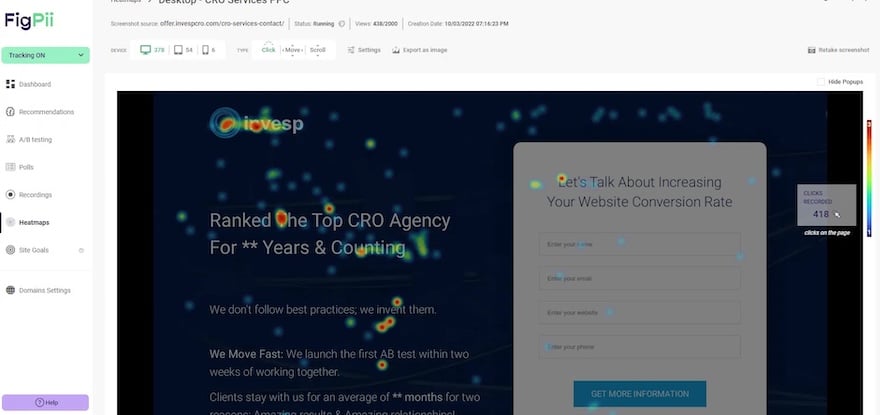
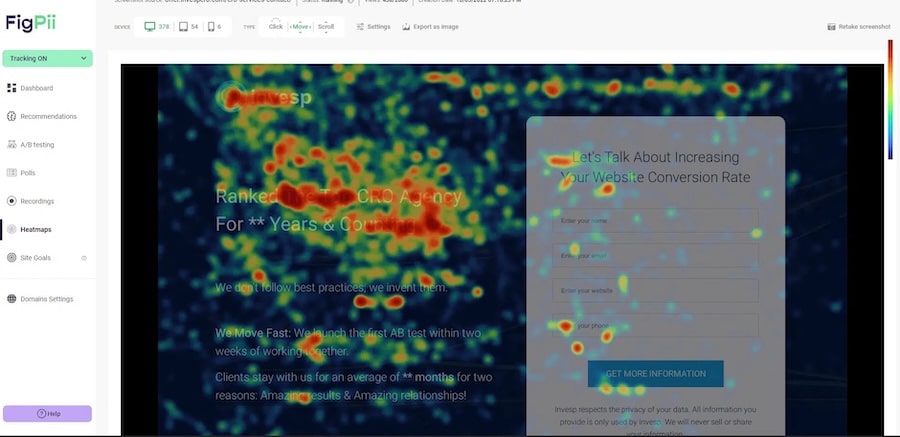
Heatmaps provide a visual representation of user engagement, categorized into clicks, scrolls, and movement.
- Click Maps: Reveal if users are clicking on non-linked elements or ignoring primary Calls to Action (CTAs).
- Scroll Maps: Show the “fold” of the page and determine if vital information, such as social proof or return policies, is being buried too low for the average user to see.
- Session Replays: Offer a video-like playback of individual user sessions. These are invaluable for identifying “rage clicks”—repeatedly clicking a button that isn’t responding—or confusing navigation paths that lead to abandonment.
Voice of the Customer: Surveys and Testing
Direct feedback mechanisms, such as exit-intent polls and post-purchase surveys, provide context that data alone cannot offer. Short, targeted questions like “What stopped you from completing your purchase today?” can reveal hidden objections, such as concerns over sizing or a lack of preferred payment methods.

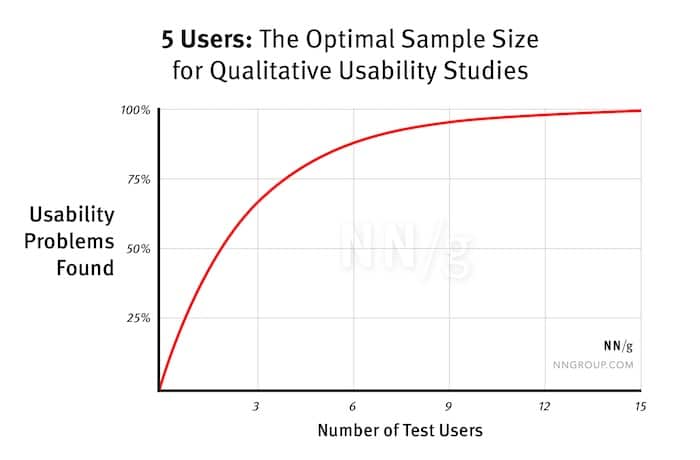
To delve deeper, user testing involves observing participants as they attempt to complete specific tasks on the site. Industry standard research from the Nielsen Norman Group suggests that testing with as few as five users can uncover up to 85% of usability issues. This method highlights the “mental models” users bring to a site and whether the site’s architecture meets those expectations.
Phase Three: Strategic Prioritization of High-Impact Pages
An audit’s value is realized through action. However, resources are often limited, necessitating a prioritization strategy that focuses on the pages most likely to impact the bottom line: the Product Page and the Cart Page.
Optimizing the Product Page Stage
The product page is the ultimate decision-making hub. A successful audit of this page focuses on four pillars:
- Visual Information: High-resolution imagery from multiple angles and video demonstrations are non-negotiable. Linking images to specific variants (e.g., color or size) reduces cognitive load for the shopper.
- Compelling Copy: Descriptions must move beyond technical specifications to highlight benefits. Effective copy utilizes storytelling to answer the shopper’s unspoken question: “How will this product improve my life?”
- Functional CTAs: The “Add to Cart” button must be prominent, high-contrast, and functional across all device types. Placement above the fold is standard, but the button must also be free of distracting elements that compete for the user’s attention.
- Social Proof: In a digital environment where products cannot be touched, trust is the primary currency. Reviews, star ratings, and user-generated content (UGC) act as powerful psychological triggers. Studies show that shoppers are significantly more likely to convert when they see evidence of other satisfied customers.
Refining the Cart and Checkout Experience
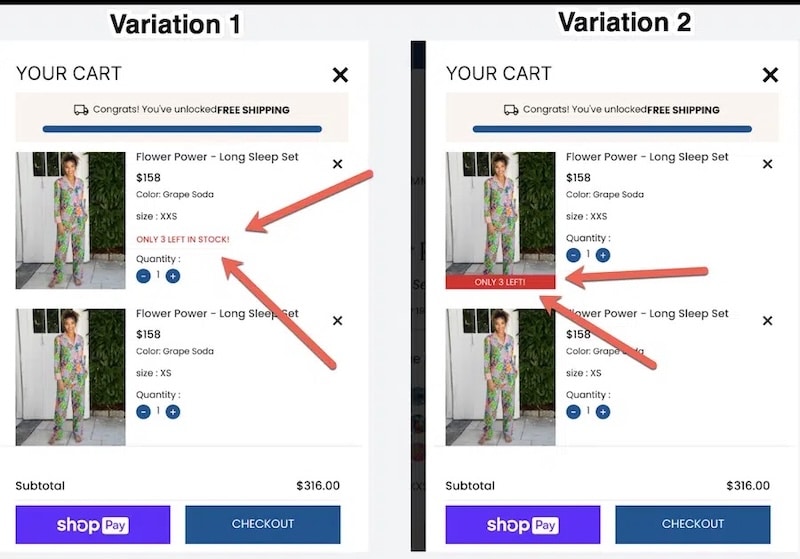
The cart page is the final hurdle. The objective here is “radical simplicity.” A CRO audit of the cart page should ensure that the layout is clean, the “Proceed to Checkout” button is unmistakable, and that there are no “hidden” costs. Transparency regarding shipping fees and return policies at this stage is crucial; unexpected costs are the leading cause of cart abandonment globally.
Chronology of the CRO Evolution
The discipline of CRO has undergone significant transformations over the last decade:
- 2010–2015: The “A/B Testing” Era. Focus was primarily on button colors and minor layout changes.
- 2016–2020: The “User Experience (UX)” Era. A shift toward mobile-first design and page speed as Google introduced mobile-first indexing.
- 2021–Present: The “Data Privacy and Personalization” Era. The transition to GA4 and the focus on first-party data. CRO is now viewed as a holistic discipline combining psychology, data science, and technical engineering.
Analysis of Broader Implications
The findings of a CRO audit have implications far beyond the digital storefront. Insights gained from user behavior often inform product development, customer service protocols, and even offline marketing strategies. For instance, if an audit reveals that customers are consistently confused about a product’s materials, the company may choose to update its physical packaging or training manuals for retail staff.
Furthermore, the rise of Artificial Intelligence (AI) is beginning to integrate with CRO audits. AI-driven tools can now predict where a user is likely to experience friction before it even happens, allowing for real-time “dynamic” optimization. However, experts agree that while AI can process data at scale, the human-centric approach of understanding why a customer feels a certain way remains the irreplaceable heart of conversion optimization.
Conclusion
A Conversion Rate Optimization audit is not a one-time project but a recurring necessity for any business serious about e-commerce growth. By systematically analyzing quantitative data and qualitative insights, brands can transform their websites from static brochures into high-performing sales engines. In an era of rising costs and shifting consumer expectations, the ability to listen to the data and respond to the user is the ultimate competitive advantage. Regular audits ensure that a business is not “leaving money on the table,” but rather building a resilient, user-centric platform primed for long-term success.







