rifanmuazin
The dynamic realm of social media management, now a formidable $33.46 billion market, is experiencing a significant shift as organizations meticulously evaluate and often seek alternatives to established platforms like Sprout Social. This trend is driven by several key factors, including escalating per-seat pricing models, perceived limitations in advanced social listening at lower subscription tiers, and an increasing demand for robust enterprise governance features. As businesses expand their digital footprint and integrate social media operations more deeply into their overall strategy, the need for tools that offer scalability, advanced functionality, and cost-efficiency becomes paramount.

The Evolving Landscape of Social Media Management Tools
The journey of social media management tools has evolved dramatically over the past decade. Initially, platforms primarily focused on simple scheduling and basic analytics. However, with the proliferation of social networks and the maturation of digital marketing, these tools have transformed into sophisticated suites offering capabilities ranging from content creation and publishing to in-depth analytics, customer service integration, and advanced social listening. This evolution reflects the growing complexity of managing an online presence across platforms that collectively reach nearly 5.75 billion users, encompassing giants like Facebook, Instagram, X (formerly Twitter), LinkedIn, TikTok, Pinterest, and YouTube.

The current market environment, as observed in early 2026, highlights a competitive ecosystem where vendors are continually innovating to meet diverse business needs. For many organizations, particularly those scaling rapidly or operating within regulated industries, the initial choice of a social marketing tool can quickly become a bottleneck if it fails to adapt to their evolving requirements. This often triggers a comprehensive market scan, prompting a detailed examination of alternatives to ensure alignment with strategic objectives and budgetary constraints.
Key Drivers for Seeking Sprout Social Alternatives
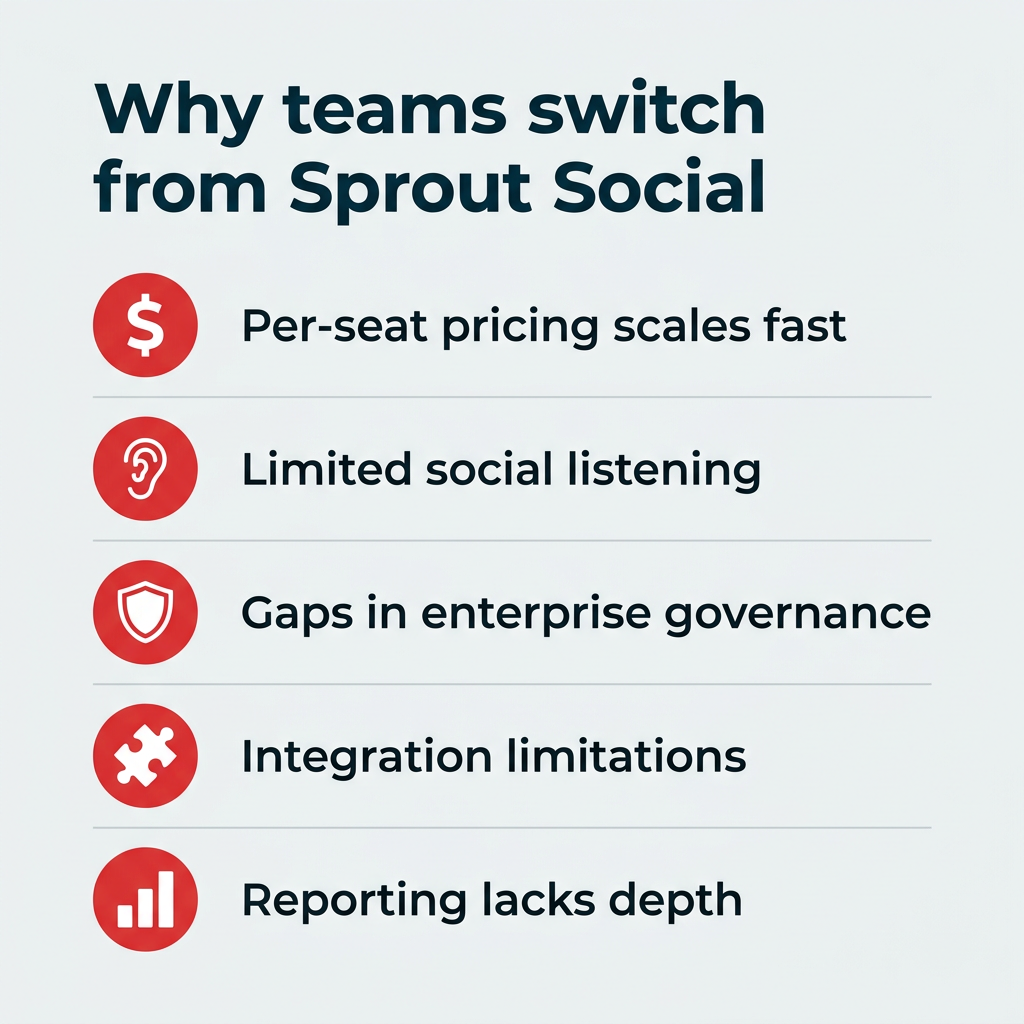
Several specific friction points commonly lead teams to explore alternatives to Sprout Social. Understanding these drivers provides critical context for evaluating competing platforms:
- Escalating Per-Seat Pricing: A primary concern for many growing organizations is the per-seat pricing model employed by Sprout Social. While initially manageable for smaller teams, costs can escalate significantly as more users, departments, or geographical regions are brought onto the platform. This model can become economically unsustainable for enterprises with large social media teams, necessitating a search for alternatives offering more flexible or cost-effective licensing structures, especially for advanced functionalities.
- Limited Social Listening at Lower Tiers: In an era where brand reputation, market trends, and competitive intelligence are paramount, comprehensive social listening is indispensable. Many users find that Sprout Social’s advanced social listening capabilities are often relegated to premium add-ons or higher-tier plans, which substantially increases the overall investment. This limitation can hinder a brand’s ability to proactively monitor conversations, identify emerging crises, track sentiment, or gain deeper consumer insights without incurring significant additional costs.
- Gaps in Enterprise Governance Features: For large corporations, particularly those in regulated sectors like finance, healthcare, or government, robust governance and compliance features are non-negotiable. This includes granular approval workflows, audit trails, user permissions, and integrations with existing compliance tools. Teams report that Sprout Social, while offering some governance features, may not always provide the depth and breadth required for complex enterprise environments, prompting a search for platforms with more comprehensive controls and security protocols.
- Integration Needs: Modern marketing ecosystems rely heavily on interconnected tools. The ability of a social media management platform to seamlessly integrate with CRM systems (e.g., Salesforce, HubSpot), analytics platforms, content management systems, and other marketing technology is crucial. Perceived limitations in native integrations can lead businesses to seek alternatives that offer a more cohesive and automated workflow across their tech stack.
- Advanced Analytics and Reporting: While Sprout Social offers strong analytics, some enterprises require even deeper, customizable reporting capabilities to measure complex ROI, track nuanced campaign performance, and generate highly specific insights for diverse stakeholders. This might include more advanced competitive benchmarking, predictive analytics, or integration with business intelligence tools.
These considerations collectively form the impetus behind the current market evaluation, guiding organizations toward platforms that promise better value, enhanced capabilities, or a more tailored fit for their unique operational demands.
Leading Sprout Social Alternatives: A Detailed Comparative Analysis
The market offers a diverse range of social media management tools, each with distinct strengths tailored to different organizational sizes and needs. Here’s an in-depth look at some of the top contenders:
Hootsuite: The Enterprise Powerhouse for Regulated Industries
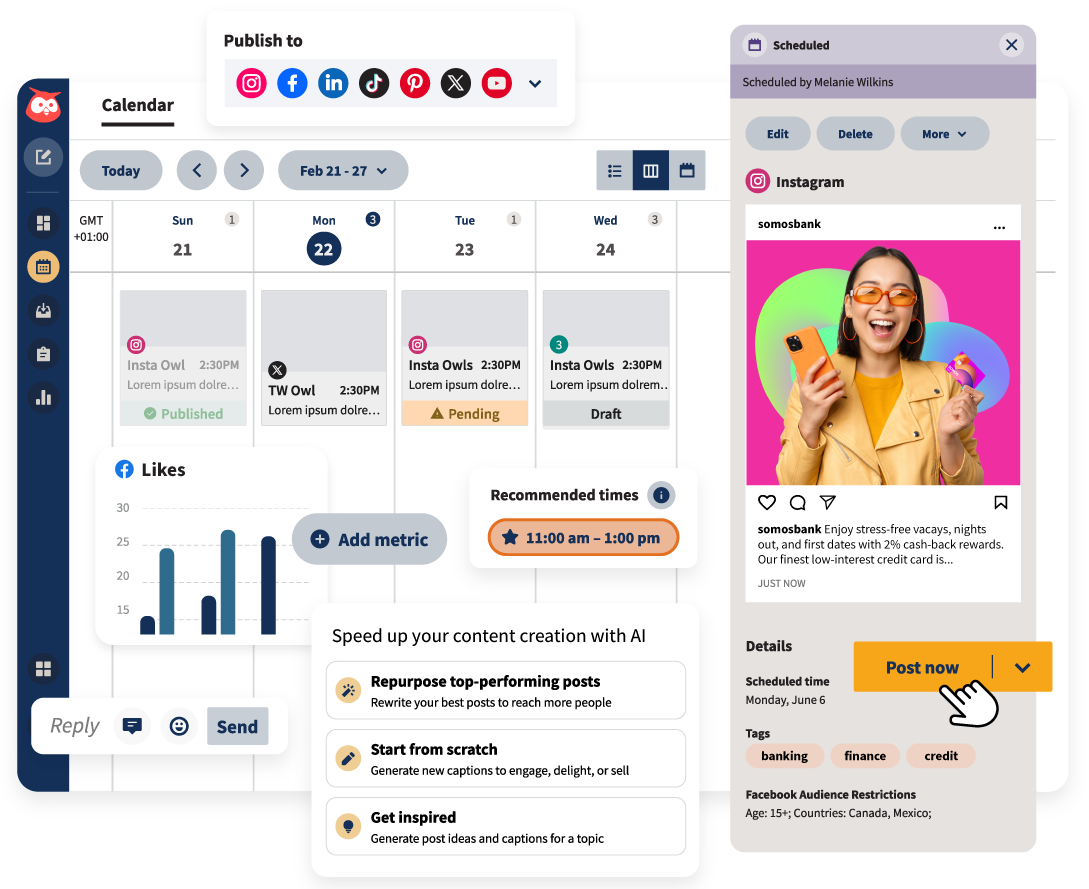
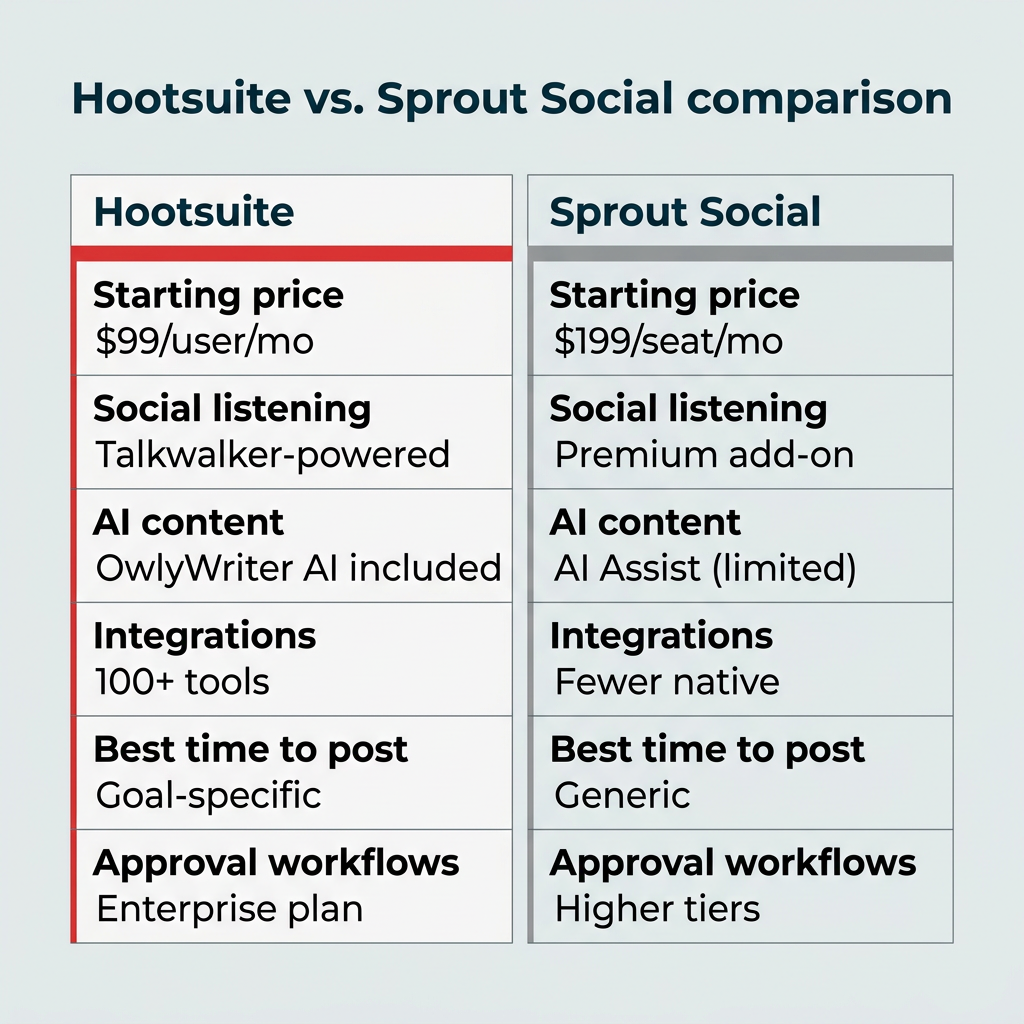
Hootsuite stands out as a leading, comprehensive alternative to Sprout Social, particularly for enterprise teams and those operating in regulated industries where security and compliance are critical. Supporting a vast array of platforms, Hootsuite provides enterprise-grade publishing, analytics, and social listening capabilities from a single, unified dashboard. Its integration with Talkwalker for advanced social listening offers robust competitive intelligence, trend detection, and sentiment analysis, often exceeding the listening capabilities available at comparable tiers in other platforms. The inclusion of OwlyWriter AI streamlines content generation, while extensive approval workflows and audit trails cater to strict compliance requirements. Hootsuite’s starting price of $99/user/month (Standard) is notably more cost-effective than Sprout Social’s $199/seat/month (billed annually), offering significant savings for larger teams without compromising on advanced features. Its vast ecosystem of over 100 integrations, including Salesforce and Adobe, ensures seamless connectivity with existing enterprise tech stacks. Hootsuite boasts a G2 rating of 4.3/5, reflecting its strong market position among enterprise marketing teams, agencies, and organizations managing multiple brands or regions.
Agorapulse: Streamlined Management for Mid-Size Marketing Teams
Agorapulse presents a strong mid-market alternative, lauded for its clean interface and unified social inbox. It excels in providing straightforward reporting and efficient community management without the complexity of larger enterprise solutions. Key features include comprehensive scheduling, robust content libraries, and a user-friendly social inbox that consolidates messages and comments, making engagement efficient. While it may not offer the same depth of social listening or enterprise governance as Hootsuite or Sprinklr, Agorapulse is a compelling choice for mid-size teams seeking a capable, user-friendly platform at a more accessible price point, starting at $79/user/month. Its G2 rating of 4.5/5 underscores its appeal to in-house social teams and smaller agencies.

Buffer: Simplicity and Affordability for Small Teams and Creators
For small businesses, startups, content creators, and solo marketers, Buffer offers a streamlined, affordable solution focused on simple post scheduling and basic analytics. With support for major platforms like Facebook, X, Instagram, LinkedIn, and Pinterest, Buffer simplifies content queuing and provides essential metrics like likes, shares, and engagement. Its strength lies in its ease of use and cost-effectiveness, with a free plan available for up to three channels and paid plans starting from just $6/month per channel. However, Buffer intentionally foregoes robust social listening, enterprise governance, and advanced reporting, making it less suitable for organizations requiring deep analytical insights or complex compliance features. Buffer holds a G2 rating of 4.3/5.
Later: Visual-First Content Planning for Instagram and Beyond
Later specializes in visual content planning, making it an ideal Sprout Social alternative for brands heavily reliant on Instagram and visual storytelling, such as e-commerce businesses and influencers. Its intuitive drag-and-drop visual calendar allows users to preview their Instagram feed, meticulously plan grid aesthetics, and schedule image and video posts. While its feature set is more focused than comprehensive platforms, Later has expanded to support TikTok, Facebook, Pinterest, LinkedIn, and X. It also offers a popular link-in-bio tool for creating customizable landing pages. Starting at $25/month, Later provides an affordable, specialized option for visual-first brands, earning a G2 rating of 4.5/5.

Zoho Social: Integrated Social Management for the Zoho Ecosystem
Zoho Social is a compelling choice for teams already embedded within the broader Zoho ecosystem, offering deep integration with Zoho CRM and other Zoho applications. This allows for a holistic view of customer engagement across platforms and CRM data. Users can schedule posts, monitor mentions and comments, engage with audiences, and analyze performance from a centralized dashboard. Its social listening capabilities track keywords, hashtags, and brand mentions. While its feature set is more modest compared to enterprise-grade platforms, its seamless integration with Zoho CRM is a significant advantage for existing users. With entry-level plans starting at $10/month, Zoho Social is highly accessible and maintains a strong G2 rating of 4.6/5.
Sendible: The Agency-Centric Solution for Multi-Client Management
Sendible is designed specifically with digital marketing agencies and freelance social media managers in mind. Its robust multi-client management features, combined with white-label reporting, make it a practical and affordable alternative. Key offerings include a centralized dashboard for managing numerous client accounts, customizable reporting, and streamlined content approval workflows. Sendible facilitates efficient team collaboration and client communication, allowing agencies to scale their social media services effectively. While its analytics may be more basic than those offered by Sprinklr or Hootsuite, its agency-focused feature set and starting price of $29/month make it a strong contender, reflected in its G2 rating of 4.5/5.

Sprinklr: Unified Customer Experience Management for Large Enterprises
Sprinklr stands as a unified Customer Experience Management (CXM) platform, targeting large enterprises and global brands that require comprehensive management of customer interactions across more than 30 channels. It integrates social media, customer care, marketing, and advertising into a single, AI-powered platform. Sprinklr’s extensive functionality supports complex customer inquiries, actionable insights, and personalized experiences through audience segmentation. The platform is known for its deep, complex capabilities and robust AI-powered analytics. However, its comprehensive nature often entails significant implementation time and dedicated resources, potentially making it overkill for teams that do not require this level of scale. Plans start at $299/month for the Social Self-Serve tier, with custom pricing for larger enterprise solutions. Sprinklr holds a G2 rating of 4.3/5.
Khoros: Community Management and Compliance for Multinational Corporations
Khoros offers a comprehensive platform that merges social media management with robust content governance, customer care, and community management. It is built for multinational corporations that need to manage social media at scale while adhering to strict content guidelines and regulatory compliance. Khoros provides multi-channel support, a robust content library, and social listening with sentiment analysis. A particular strength lies in its features for maintaining adherence to industry-wide regulations and in-house brand voice standards. Its integration with customer care functionalities allows for centralized handling of inquiries and support requests. While powerful, Khoros employs custom pricing, which may require a dedicated sales conversation for evaluation. It has a G2 rating of 3.8/5.
HubSpot: CRM-Integrated Social for Existing HubSpot Users
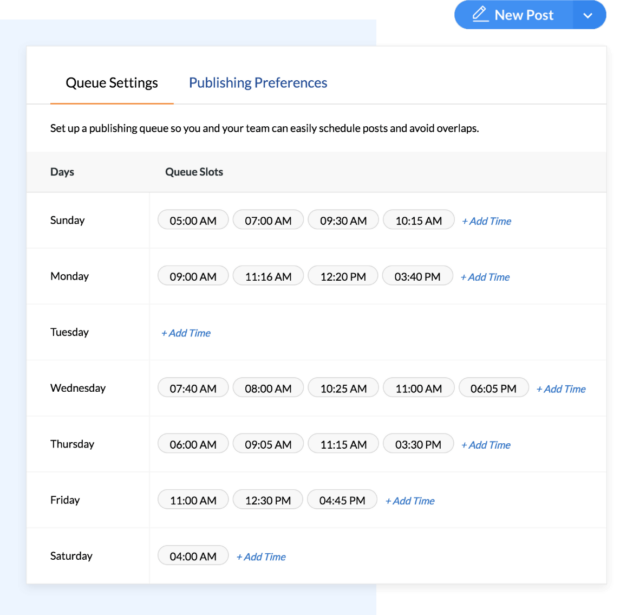
HubSpot’s social media management tool is a module within its broader Marketing Hub, making it an ideal choice for teams already leveraging HubSpot CRM. Its primary value proposition is the seamless integration between social interactions and customer relationship data, providing a unified view of the customer journey. Users can schedule content, monitor engagement, track performance across major platforms, and utilize social listening features. The analytics are directly tied back to CRM data, offering valuable insights into conversions and customer behavior. While its social media features are solid, they are not as deep or standalone as dedicated platforms. Social media tools are included in HubSpot’s Marketing Hub Professional plan, starting at $890/month (including three seats), making it a viable option primarily for existing HubSpot customers. HubSpot maintains a G2 rating of 4.4/5.
Pricing Models and Economic Implications

A critical factor in the shift away from Sprout Social is its pricing structure. Sprout Social’s starting price of $199/seat/month (billed annually) positions it at the higher end of the market, particularly when compared to alternatives like Hootsuite, which begins at $99/user/month. This per-seat model means costs can quickly become prohibitive as organizations expand their social media teams.
The alternatives offer a spectrum of pricing models:

- Per-User: Hootsuite, Agorapulse, and Sprinklr (for Self-Serve) follow a per-user or per-seat model, though with varying price points.
- Per-Channel: Buffer offers a highly flexible per-channel pricing model starting at $6/month, making it exceptionally cost-effective for micro-businesses and individuals.
- Flat-Rate (with limited users/channels): Later, Zoho Social, and Sendible typically offer flat-rate plans that include a certain number of users or channels, with costs increasing for additional capacity.
- Custom Pricing: Khoros and the higher tiers of Sprinklr and Hootsuite offer custom enterprise pricing, reflecting the bespoke nature of their solutions for large-scale operations.
- Bundled: HubSpot’s social tools are part of a larger marketing suite, meaning the social features are not available as a standalone purchase, making the entry cost higher but offering integrated value for existing users.
The bottom line for many businesses is that most alternatives on this list are significantly cheaper than Sprout Social at the entry level. For example, Hootsuite offers comparable enterprise-grade features at roughly half the starting price of Sprout Social. This cost difference, especially when extrapolated across multiple users and years, represents substantial savings that can be reinvested in other marketing initiatives.
Strategic Framework for Selecting a Social Media Management Tool
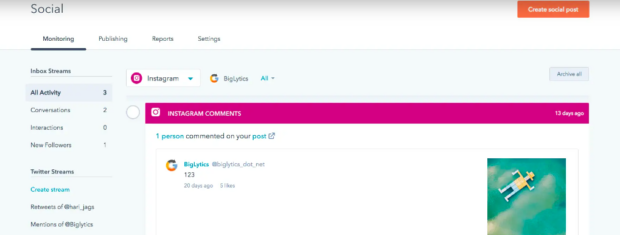
Choosing the right social media management platform requires a structured and diligent approach. Organizations must move beyond superficial comparisons and delve into their specific operational needs and strategic goals.
-
Define Goals and Essential Features:
Begin by articulating clear social media objectives. Is the primary goal to enhance brand awareness, drive engagement, generate leads, improve customer service, or manage crisis communications?
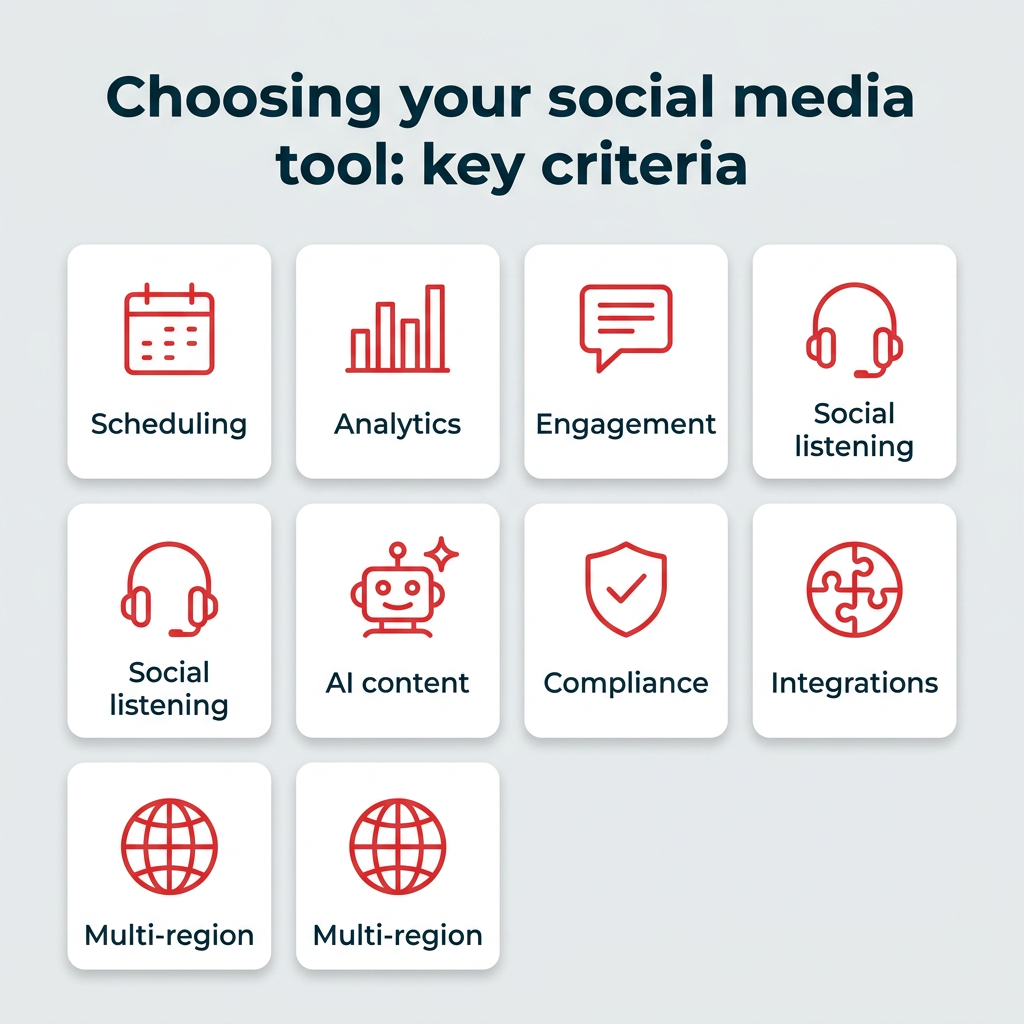
Based on these goals, identify "must-have" features: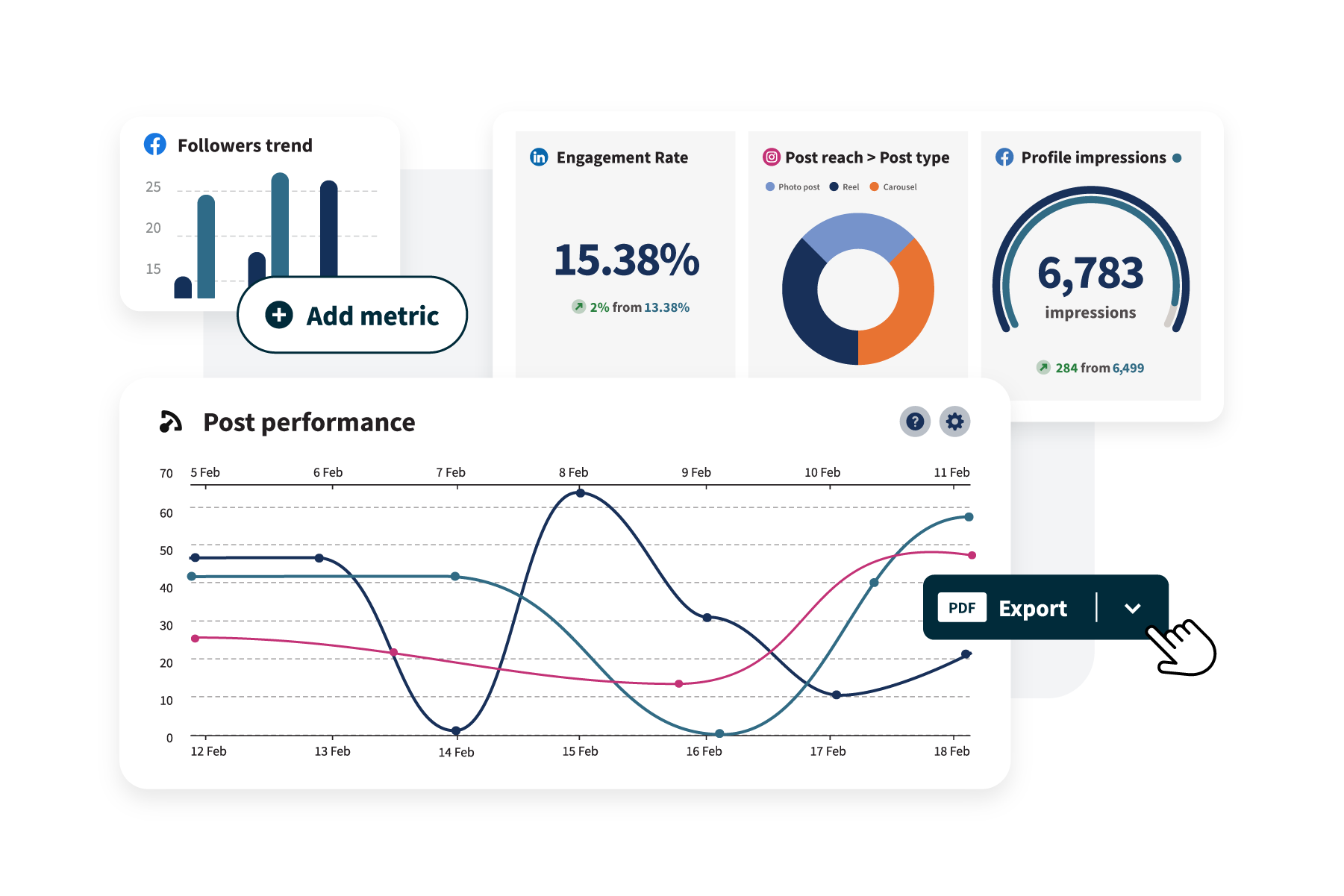
- Publishing: Advanced scheduling, content calendars, multi-platform support, AI content generation, approval workflows.
- Engagement: Unified inbox, real-time monitoring, CRM integration for customer context, chatbot capabilities.
- Social Listening: Keyword monitoring, sentiment analysis, competitive benchmarking, trend detection, crisis alerts.
- Analytics & Reporting: Customizable dashboards, ROI tracking, audience insights, post-performance metrics, exportable reports, integration with BI tools.
- Governance & Security: Role-based permissions, audit trails, compliance archiving, SSO, data security protocols.
- Integrations: Compatibility with existing marketing, sales, and customer service tech stacks.
Distinguish between essential features and "nice-to-haves" to prevent feature bloat from clouding the decision.
-
Evaluate Team Size, Accounts, and Budget:
The scalability and pricing model of a platform are directly tied to team size and the number of social accounts managed.- Current Team Size: How many individuals will need access to the platform?
- Anticipated Growth: How might the team and number of accounts grow over the next 12-24 months?
- Total Cost of Ownership (TCO): Calculate not just the subscription cost but also potential training, implementation, and integration expenses. Model the TCO for different team sizes and feature tiers.
- Budget Allocation: Align the platform’s cost with the overall marketing budget, considering the potential ROI from enhanced social media performance.
-
Conduct Thorough Evaluation: Reviews, Demos, and Pilot Programs:
Leverage external resources and hands-on testing for informed decision-making.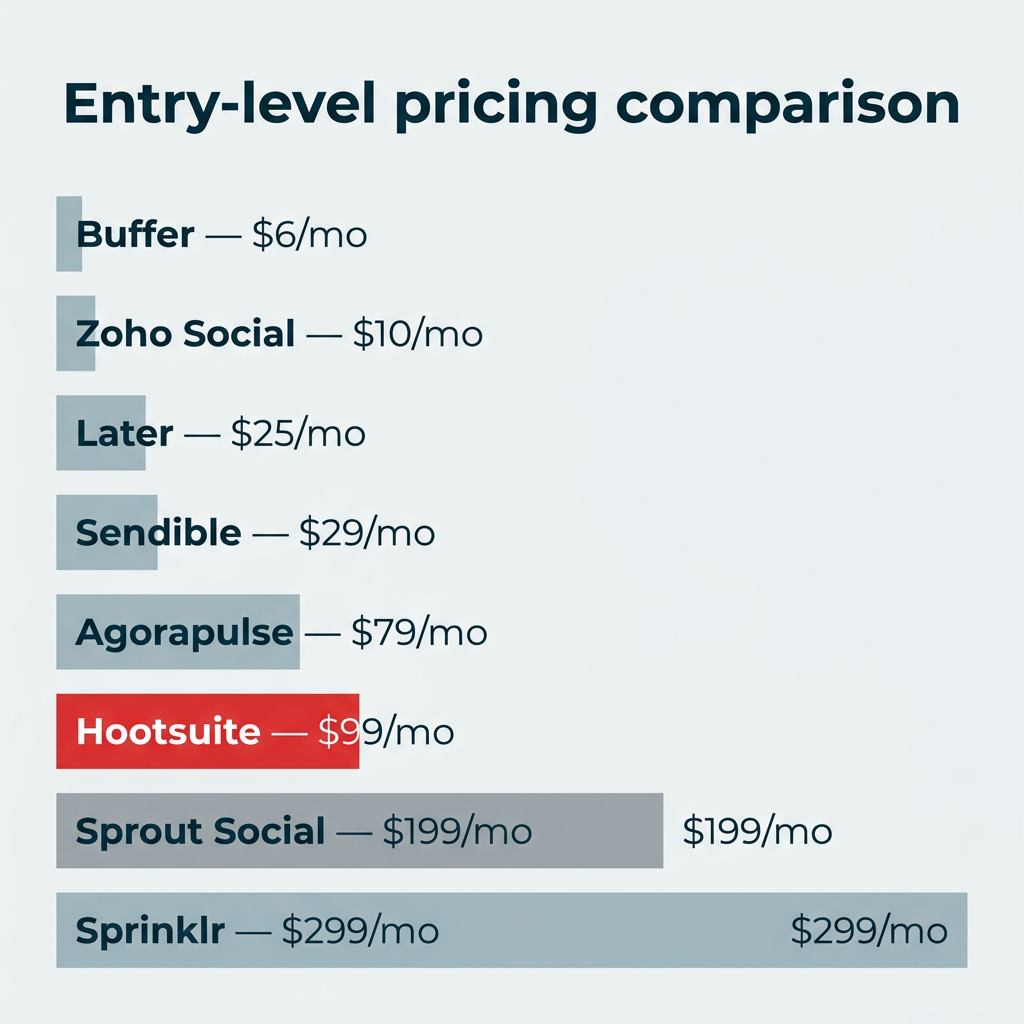
- Consult Reviews and Analyst Reports: Examine platforms on reputable review sites like G2 and TrustRadius, paying attention to user feedback on specific features, customer support, and ease of use. Review industry analyst reports (e.g., Gartner’s Market Guides) for expert evaluations and market positioning.
- Request Targeted Demos: Engage with sales teams of top contenders. Prepare a list of specific questions related to your "must-have" features and pain points. Ensure the demo focuses on your unique use cases rather than generic feature showcases.
- Run a Pilot Program: For the top two or three platforms, request free trials or pilot programs. Deploy the tool with a small, representative team to test core functionalities, workflow integration, and user adoption. Define clear success metrics for the pilot (e.g., ease of scheduling, quality of analytics, efficiency of approvals) to objectively compare performance.
Broader Impact and Future Implications
The intense competition among social media management platforms ultimately benefits businesses by driving innovation, offering more specialized solutions, and fostering competitive pricing. This landscape encourages vendors to continuously enhance their offerings, particularly in areas like AI integration for content creation and analytics, deeper social listening capabilities, and more robust compliance frameworks.
The trend also signals a broader shift: social media management is increasingly seen not as a standalone function but as an integral component of a holistic customer experience strategy. Platforms that can seamlessly integrate social interactions with CRM, customer service, and other marketing efforts will likely gain a significant advantage. The future of social media management tools will undoubtedly involve even greater sophistication, personalization, and strategic alignment with overall business objectives, demanding that organizations conduct thorough due diligence to select a partner that can truly empower their digital ambitions.