

A growing number of businesses are electing to migrate their email marketing operations from established platforms like Mailchimp to more specialized solutions such as Sinch Mailjet. This shift, which gained significant momentum in early 2026, is driven by an evolving digital landscape where companies prioritize robust scalability, advanced collaboration features, stringent compliance capabilities, and superior deliverability performance over generalized email marketing functionalities. The decision to switch platforms is a strategic one, reflecting a broader industry trend towards more sophisticated and integrated communication tools designed to support complex business needs and high-volume sending demands.
The Evolving Landscape of Email Marketing Platforms

The email marketing sector has undergone substantial transformation in recent years, moving beyond simple newsletter distribution to become a critical component of customer relationship management, transactional communications, and sophisticated marketing automation. While platforms like Mailchimp have historically served as entry points for small and medium-sized businesses (SMBs) due to their user-friendly interfaces and broad feature sets, larger organizations and those with specific technical requirements often find themselves needing more specialized tools as they scale. This is where platforms like Sinch Mailjet, a component of the broader Sinch communications platform, are increasingly positioned.
Market analysis indicates that email volume continues to rise globally, with an average of over 360 billion emails expected to be sent and received per day by 2026. This exponential growth necessitates platforms capable of handling immense sending capacities without compromising deliverability or performance. Furthermore, the increasing complexity of data privacy regulations worldwide, such as the General Data Protection Regulation (GDPR) in Europe and various state-level privacy laws in the United States, places a premium on platforms that offer robust compliance tools and clear data handling practices. Businesses are no longer merely looking for a tool to send emails; they require a strategic partner that can ensure their communications are effective, compliant, and delivered reliably to the intended recipients.
Strategic Drivers Behind the Migration Trend
Several key factors are compelling businesses to reconsider their email marketing infrastructure and opt for platforms like Sinch Mailjet:
- Scalability and Cost-Efficiency: As businesses expand their customer base and increase their email sending frequency, the cost structures of some platforms can become prohibitive. Mailjet’s model, often featuring "unlimited contacts" and more predictable pricing for high-volume senders, offers a more economically viable and scalable solution for growing enterprises. This allows marketing teams to focus on engagement rather than constantly monitoring contact list sizes or sending limits.
- Enhanced Collaboration Features: Modern marketing departments are often large, distributed teams requiring seamless collaboration. Mailjet emphasizes "powerful collaboration features" that facilitate teamwork on email campaigns, template design, and audience segmentation. This can include role-based access, shared templates, and workflow approvals, which are crucial for maintaining brand consistency and operational efficiency in larger organizations.
- Performance and Deliverability Expertise: For businesses relying on email for critical transactional communications (e.g., order confirmations, password resets) or high-impact marketing campaigns, deliverability is paramount. Mailjet, as part of Sinch, often leverages a robust infrastructure, dedicated IP options, and advanced analytics to ensure optimal inbox placement. Their "deliverability expertise" is a significant draw for companies where every email counts, helping them maintain a strong sender reputation and achieve higher engagement rates.
- Advanced Automation Capabilities: While many platforms offer automation, the depth and flexibility of Mailjet’s automation workflows can be a differentiator. This includes complex drip campaigns, behavioral triggers, and integration with customer relationship management (CRM) systems and other business intelligence tools, enabling highly personalized and timely communications.
- Compliance and Data Governance: The landscape of data privacy is constantly shifting. Platforms that offer clear pathways to GDPR, CCPA, and other regulatory compliance, alongside robust data security measures, are increasingly favored. Mailjet’s focus on enterprise-grade solutions often translates into more sophisticated tools and guidance for managing consent, data retention, and privacy requirements.
- API-First Approach and Integration: For technology-forward businesses, the ability to deeply integrate an email platform with their existing tech stack via a powerful Application Programming Interface (API) is essential. Mailjet’s API-driven architecture allows for highly customized integrations, enabling developers to embed email functionalities directly into applications, automate complex workflows, and synchronize data across various systems, offering a level of flexibility often sought by developers and IT teams.
A spokesperson for Sinch Mailjet recently highlighted these advantages, stating, "We understand that as businesses mature, their email communication needs become more complex and mission-critical. Our platform is engineered to provide the scalability, collaborative tools, and deliverability assurance that high-growth companies demand, ensuring their messages reach the right audience at the right time, every time, while adhering to global compliance standards."
A Step-by-Step Migration Guide: From Mailchimp to Sinch Mailjet
The process of transitioning email marketing operations, while strategic, also involves practical, technical steps. Businesses considering this move typically follow a structured approach to ensure a smooth and uninterrupted flow of communications. The migration typically involves three main phases: contact list transfer, email template migration, and historical data archiving.
Phase 1: Migrating Your Contacts
The contact list is the bedrock of any email marketing strategy, and its accurate transfer is critical. This process involves exporting subscriber data from Mailchimp and importing it into Mailjet, meticulously ensuring that all contact properties and subscription statuses are preserved.

-
Exporting from Mailchimp:
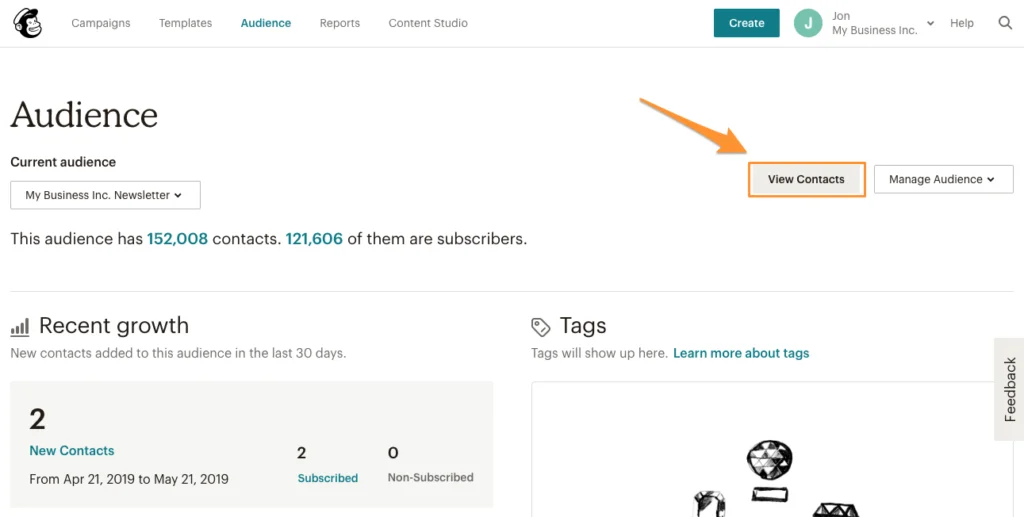
- Login and Navigate: Begin by logging into your Mailchimp account. From the primary menu, locate and click on "Audience," then select "View Contacts." This will display your primary contact lists.
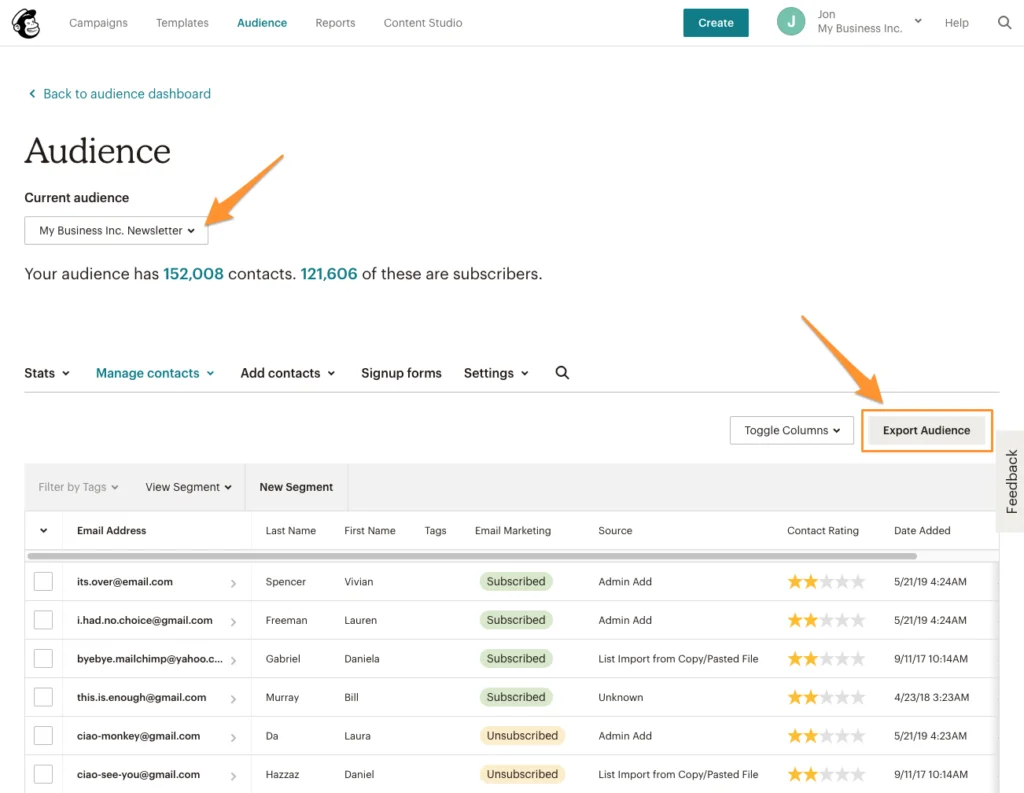
- Select and Export Audience: Mailchimp organizes contacts into "audiences." You will need to select each audience individually from the dropdown menu if you have multiple lists. Once an audience is selected, click on the "Export Audience" button. This action typically initiates a download of your contact data.
- Download and Unzip: Mailchimp will generate a downloadable ZIP file containing one or more CSV (Comma Separated Values) files. It is crucial to download this ZIP file and then extract its contents. Typically, you will find at least two CSV files:
subscribed_members.csvandunsubscribed_members.csv. These separate files are vital for maintaining compliance and respecting subscriber preferences. Repeat this process for every audience you wish to migrate.
-
Importing into Sinch Mailjet:
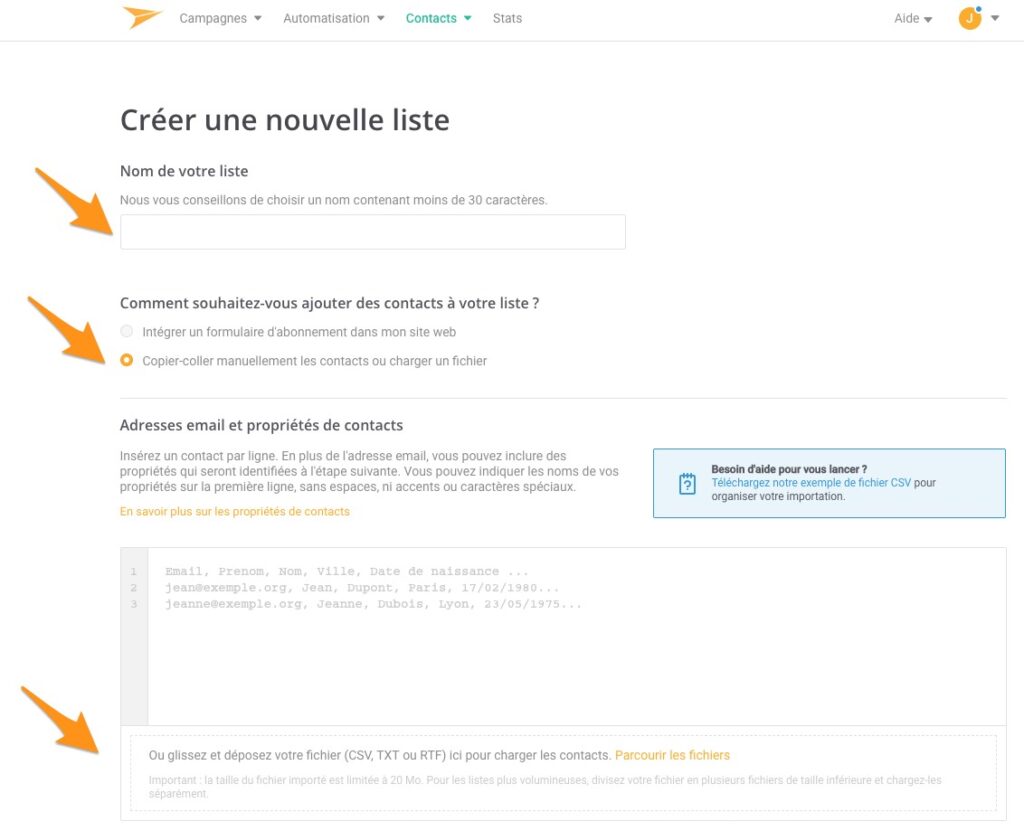
- Login and Create New List: Access your Sinch Mailjet account. Navigate to "Contacts" and then "Contact Lists" from the main menu. Click on "Create a new list." It is highly recommended to create a separate Mailjet contact list for each audience you exported from Mailchimp to maintain segmentation and organization.
- Upload Subscriber Data: Within the "Create a new list" interface, select the option "Paste contacts manually or upload a file." Choose the
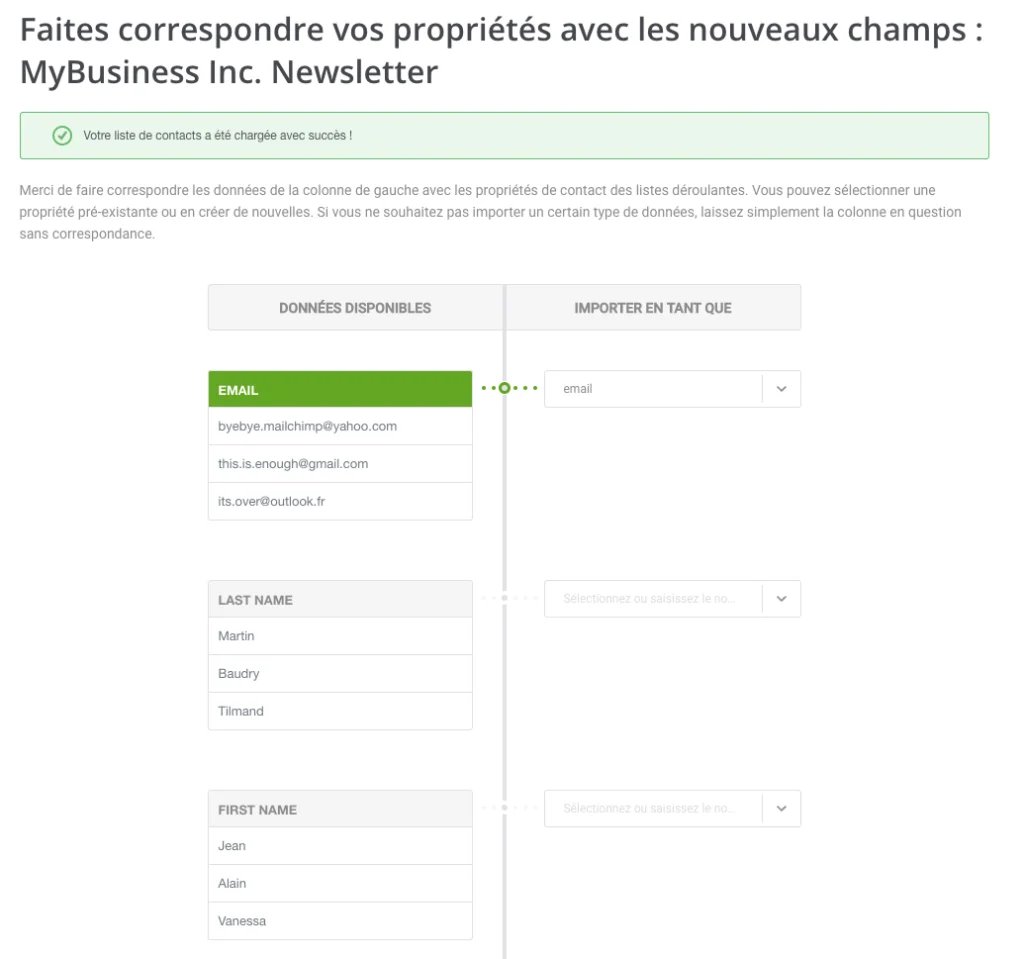
subscribed_members.csvfile you downloaded from Mailchimp. - Map Contact Fields: Mailjet will then prompt you to map the fields from your CSV file to Mailjet’s contact properties. This step ensures that data such as "First Name," "Last Name," "Company," "Birthday," and any custom fields are correctly associated within Mailjet. Accurate mapping is essential for effective segmentation and personalization of future email campaigns. Once satisfied with the mapping, click "Save and continue."
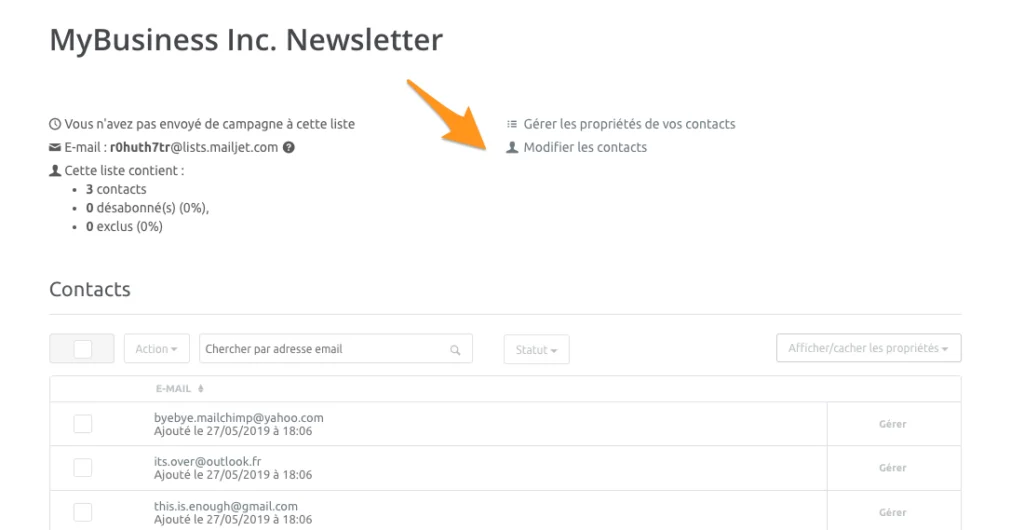
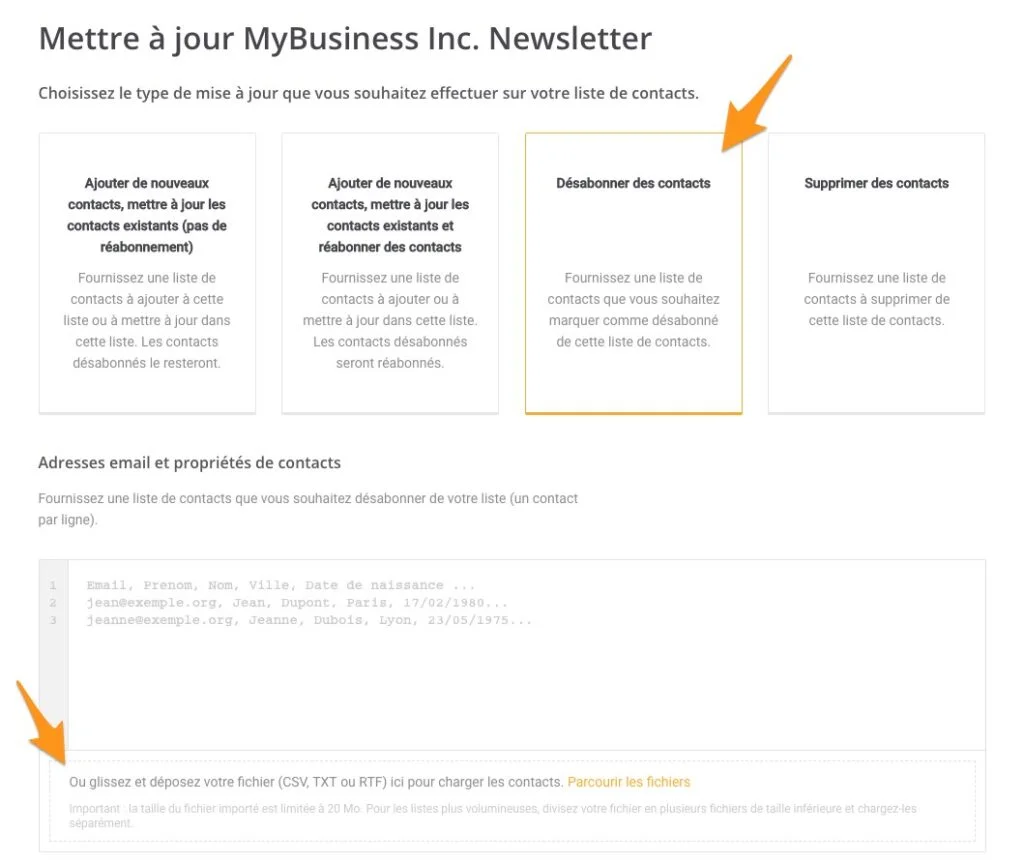
- Import Unsubscribed Contacts: This is a crucial step for compliance and maintaining sender reputation. After importing your active subscribers, you must also import your unsubscribed contacts. From your newly created Mailjet contact list, click "Manage contacts." Select "Unsubscribe contacts" as the update type. Drag and drop the
unsubscribed_members.csvfile into the designated upload area. Again, map the fields if necessary, then proceed. This action ensures that Mailjet will not send emails to individuals who have previously opted out, preventing potential spam complaints and preserving your sending credibility.
Phase 2: Migrating Your Email Templates
While the direct transfer of editable email templates between platforms like Mailchimp and Mailjet is not typically possible due to proprietary editors and coding structures, businesses have effective workarounds.
-
Exporting from Mailchimp:
- Navigate to Templates: In your Mailchimp account, go to the "Templates" section.
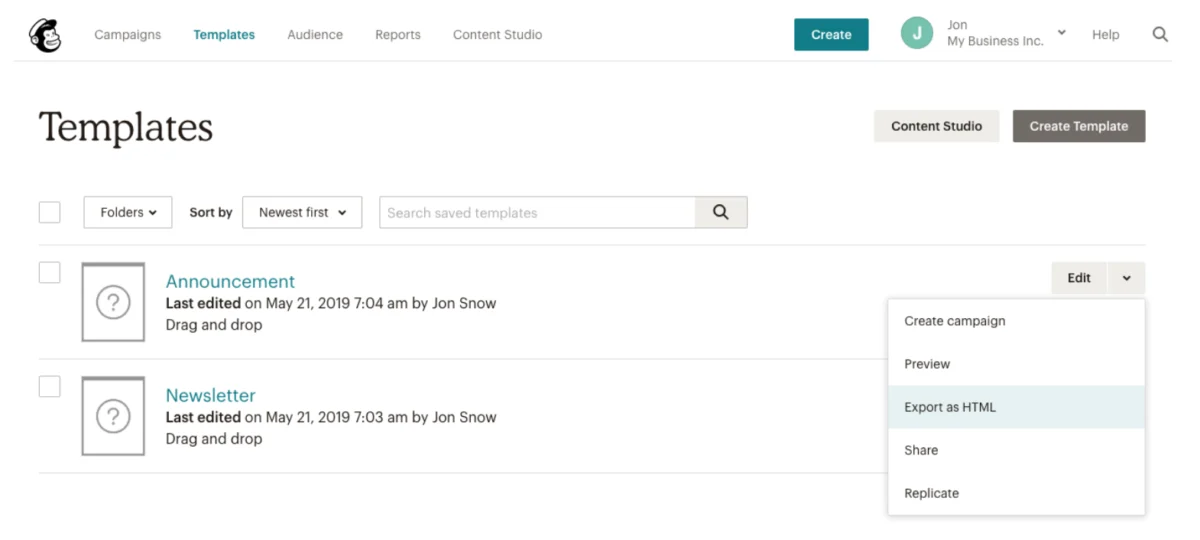
- Export as HTML: For each template you wish to migrate, locate the "Export as HTML" option (usually found in a dropdown menu associated with the template). Download the HTML file for each template.
-
Importing into Sinch Mailjet:
- Create New Template: In your Sinch Mailjet account, navigate to "Campaigns" and then select "Create a new template."
- Code it in HTML: Choose the "Code it in HTML" option. You will then be given the choice to "Upload a file." Select the HTML file you exported from Mailchimp.
- Review and Test: Once uploaded, it is imperative to thoroughly review and test the imported HTML template within Mailjet’s editor and across various email clients. While the HTML code itself transfers, rendering differences between platforms or minor adjustments might be required to ensure perfect display. Alternatively, some businesses opt to completely rebuild their templates using Mailjet’s drag-and-drop editor to take full advantage of its native features and ensure future compatibility and ease of editing.
Phase 3: Exporting Your Reporting Data
Historical reporting data, while invaluable for performance analysis and benchmarking, cannot typically be transferred directly between email service providers. This is due to the platform-specific nature of metrics, internal IDs, and tracking mechanisms.
- Download All Reports from Mailchimp:
- Access Reports: In your Mailchimp account, go to the "Reports" section.
- Download Historical Data: Locate and click the "Download All Reports" button. This will provide you with an archive of your past campaign performance, including open rates, click-through rates, bounce rates, and other key metrics.
- Archiving: It is highly recommended to download and securely archive this data. This historical information serves as a crucial baseline for comparing future performance on Mailjet and for understanding long-term trends in your email marketing efforts. Businesses should analyze this data prior to migration to identify successful strategies and areas for improvement, which can then inform their new approach on Mailjet.
Post-Migration Optimization and Best Practices
Once the core data migration is complete, the focus shifts to optimizing the new setup in Sinch Mailjet to ensure maximum effectiveness and deliverability.
- Domain and Sender Validation: Before sending any campaigns, validate your sending domains and sender addresses within Mailjet. This critical step verifies that you are authorized to send emails from your domain, which is a fundamental requirement for good deliverability.
- Configure SPF, DKIM, and DMARC Records: These email authentication protocols are essential for preventing spoofing and improving sender reputation.
- SPF (Sender Policy Framework): Specifies which mail servers are authorized to send email on behalf of your domain.
- DKIM (DomainKeys Identified Mail): Provides a way for senders to digitally sign emails, allowing recipients to verify the email’s authenticity.
- DMARC (Domain-based Message Authentication, Reporting & Conformance): Builds on SPF and DKIM, providing instructions to recipient mail servers on how to handle emails that fail authentication.
Proper configuration of these records is paramount for optimal deliverability and helps establish trust with internet service providers (ISPs), significantly reducing the likelihood of your emails being marked as spam. Mailjet typically provides clear instructions and support for setting these up.
- Warm-up Your IP (if applicable): For high-volume senders or those transitioning to new dedicated IPs, a "warm-up" period is often necessary. This involves gradually increasing sending volume over several days or weeks to build a positive sending reputation with ISPs.
- Segmentation and Automation Setup: Leverage Mailjet’s capabilities to refine your contact segmentation and set up advanced automation workflows. This includes welcome series, abandoned cart reminders, re-engagement campaigns, and personalized follow-ups based on user behavior.
- A/B Testing and Analytics: Immediately begin using Mailjet’s A/B testing features to optimize subject lines, content, and calls to action. Regularly monitor Mailjet’s detailed analytics to track campaign performance, identify trends, and continuously refine your strategy.
Broader Impact and Implications for Businesses
The trend of businesses migrating from platforms like Mailchimp to more specialized providers such as Sinch Mailjet reflects a maturing email marketing industry. It underscores the fact that email is no longer a peripheral marketing channel but a core operational function requiring robust, scalable, and compliant infrastructure.
For businesses, this shift implies a greater strategic focus on their email communications. It signifies an understanding that investing in a platform that aligns with long-term growth objectives, rather than just immediate feature availability, yields significant returns in terms of efficiency, deliverability, and customer engagement. The increased emphasis on compliance also highlights the growing importance of data governance and responsible marketing practices in an era of heightened privacy awareness.
As the digital landscape continues to evolve, the ability of companies to adapt their technology stack to meet emerging challenges and seize new opportunities will be critical for sustained success. The migration to platforms like Sinch Mailjet is a testament to this adaptive strategy, empowering marketing teams with the tools necessary to execute sophisticated campaigns, foster stronger customer relationships, and achieve measurable business growth in a competitive environment. This strategic recalibration positions businesses not just to send emails, but to truly communicate, engage, and convert effectively.








