rifanmuazin
The advent of artificial intelligence (AI) into the core mechanisms of search engines is fundamentally redefining how brands achieve visibility, establish authority, and connect with their target audiences. In this transformative landscape, AI search engine citation tracking has rapidly become an indispensable metric for measuring brand presence and influence within AI-generated search results. As AI-powered search experiences continue to reshape the discovery of information, the evaluation of vendors, and the formation of buyer shortlists, a brand’s visibility within these AI answers is no longer a mere "vanity metric" but a critical determinant of market relevance. Businesses that fail to secure citations from AI engines risk losing influence precisely at the pivotal moments when potential buyers are forming their opinions and making crucial decisions.
The Dawn of AI-Powered Search: A Paradigm Shift in Information Discovery
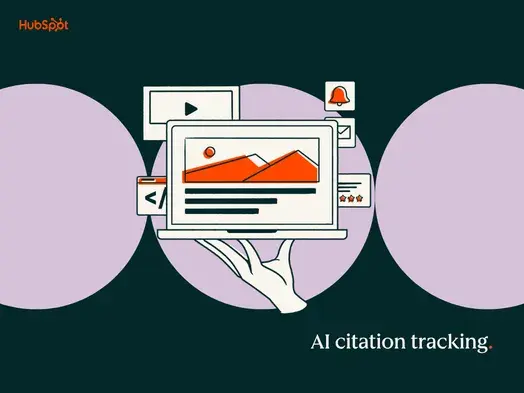
The digital ecosystem has undergone a profound transformation with the widespread integration of generative AI. Large Language Models (LLMs) such as OpenAI’s ChatGPT, Google’s Gemini, and Perplexity AI have introduced a new mode of information consumption, moving beyond the traditional "10 blue links" of conventional search results. Google’s introduction of AI Overviews (AIO) directly into its Search Generative Experience (SGE) further solidifies this shift, presenting users with synthesized answers and direct source attributions rather than solely a list of web pages. This evolution marks a significant departure from established search engine optimization (SEO) practices, ushering in an era where "Answer Engine Optimization" (AEO) becomes paramount.
From Blue Links to AI Overviews: Reshaping User Behavior
Historically, users navigated search results by clicking on links, exploring individual websites, and synthesizing information themselves. Today, AI-powered search interfaces often provide immediate, summarized answers directly on the results page. This convenience means that users are increasingly relying on these AI-generated responses to answer informational queries, compare service providers, and explore products, often before they ever click through to a website. This behavioral shift presents both a challenge and an immense opportunity for brands. While click-through rates to websites might be impacted for some queries, the brands cited within AI answers gain a powerful endorsement of authority and expertise, influencing perceptions at an earlier stage of the buyer’s journey.
The Strategic Imperative of Brand Awareness in the AI Era
According to HubSpot’s comprehensive State of Marketing Report, which gathered insights from over 1,500 marketers globally, brand awareness remains one of the foremost marketing priorities through 2026. This objective stands alongside increasing conversion rates, closing more deals, driving revenue, and strengthening customer relationships. In the context of an AI-dominated search world, these goals are more intricately interconnected than ever before. A growing share of brand discovery now originates within AEO tools and Google’s AI Overviews. Therefore, maintaining and enhancing brand visibility in these new frontiers is directly tied to achieving broader marketing and business objectives. Industry analysts suggest that brands that proactively adapt their strategies to this new paradigm will gain a significant competitive edge, reinforcing their market position and fostering deeper customer trust.
Understanding AI Citations and Mentions: New Metrics for Digital Authority

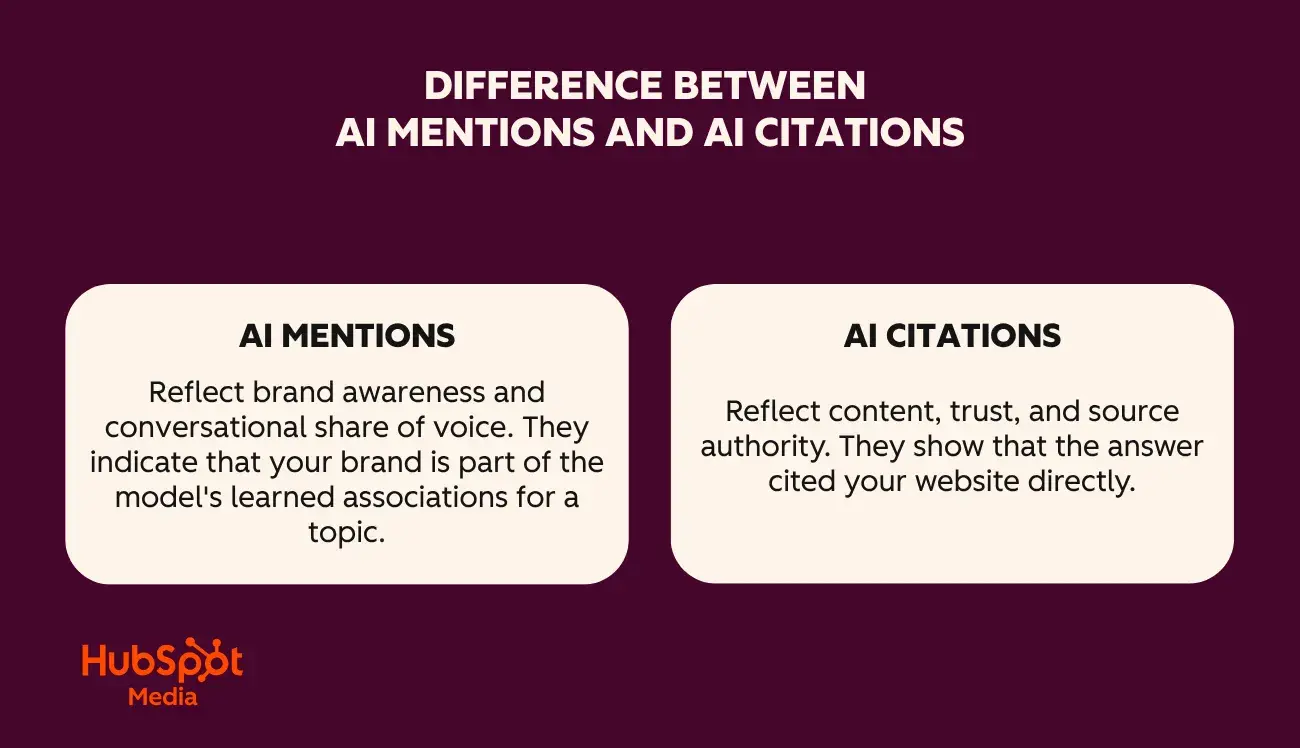
To effectively navigate this new landscape, it is crucial to differentiate between an "AI citation" and an "AI mention," as they serve distinct strategic purposes and indicate different levels of influence. Both contribute to overall brand visibility but reflect varying degrees of direct attribution and authority.
Defining Explicit Citations: The Gold Standard of AI Attribution
An AI citation occurs when an AI engine explicitly references a website as a source for its generated response. This typically includes a direct link to the content on platforms such as ChatGPT, Perplexity AI, or Google AI Overviews (AIO). These citations can appear in various forms, often in a dedicated sidebar or seamlessly integrated within the generated text itself, providing direct attribution to the original source. When an AI system cites content, it unequivocally signals that the website contributed directly and authoritatively to the answer provided. This is the clearest and most potent indicator of content authority within AI-generated search experiences, essentially acting as a digital endorsement from the AI itself. For businesses, earning these citations signifies that their content is not just visible, but trusted and deemed credible enough to inform AI responses, driving both direct traffic and profound brand trust.
Navigating AI Mentions: Conversational Visibility and Brand Presence
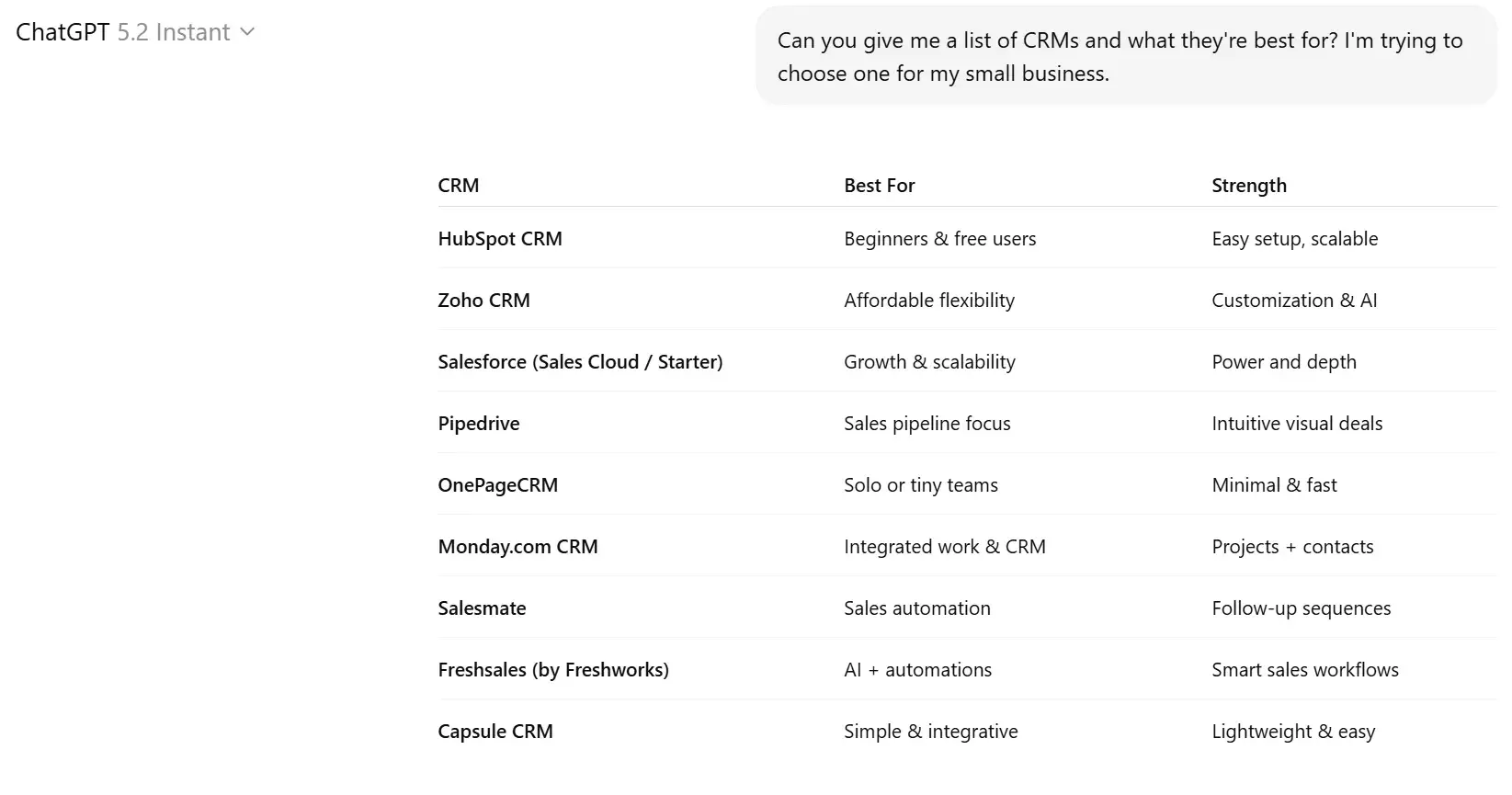
In contrast, an AI mention refers to a brand or a piece of content being referenced in an AI answer without a direct, clickable link. For instance, an AI response might list a company among "top providers" or "recommended tools" within a particular category, or simply mention a brand name in a narrative summary. While the brand appears in the AI’s discourse, there is no formal source attribution or linked URL. The main distinction between mentions and citations lies in their nature: mentions offer conversational visibility, indicating a brand’s presence in AI-driven discussions, while citations convey sourced authority, indicating that the content directly influenced those discussions. Both are beneficial, but citations carry greater weight in terms of direct influence and validated expertise.
Methodologies for Tracking AI Visibility: A Multi-Layered Approach
Measuring AI visibility presents unique challenges compared to traditional SEO tracking due to the dynamic and personalized nature of AI results. However, a combination of manual checks, analytics, and dedicated tools can provide a comprehensive understanding of a brand’s performance. Effective AI citation tracking requires meticulous logging of citations and mentions across various engines, specific keywords, and over time.
Initial Explorations: Manual Analysis and URL Parameter Insights
One of the simplest initial steps is to conduct manual searches using priority keywords on leading AI-driven platforms like ChatGPT, Perplexity AI, and Google AI Overviews. Marketers should run informational queries, comparison-based searches, and "best of" prompts that closely mimic real buyer behavior. This process involves diligently checking whether AI overviews cite their brand, content, or expertise. A crucial tip here is to identify competitor appearances where one’s own brand should ideally be present, thus pinpointing potential opportunities for content optimization. However, manual searches are inherently limited; AI results are highly personalized based on user history, context, and even phrasing, meaning two users might receive different answers to the same query. This lack of scalability and reliability necessitates more robust tracking methods.
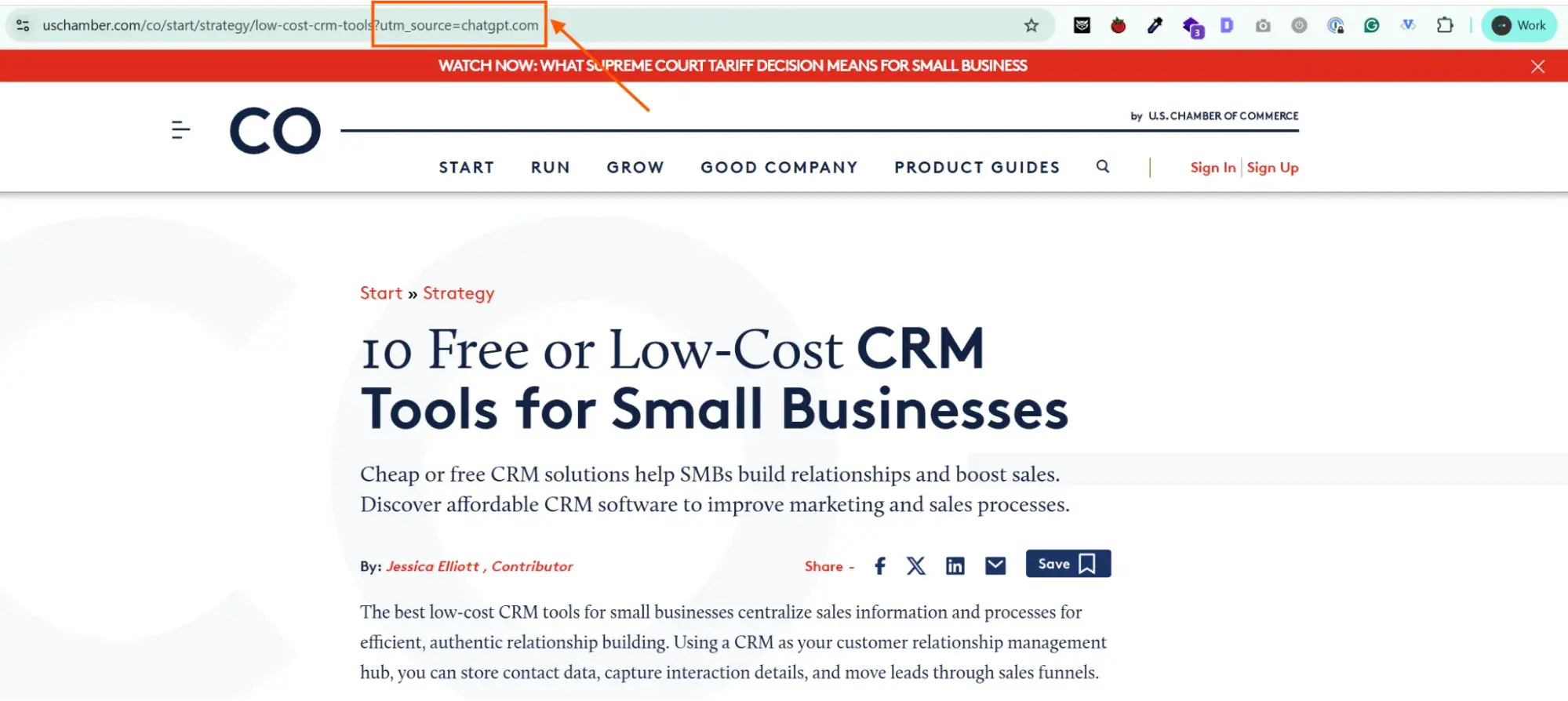
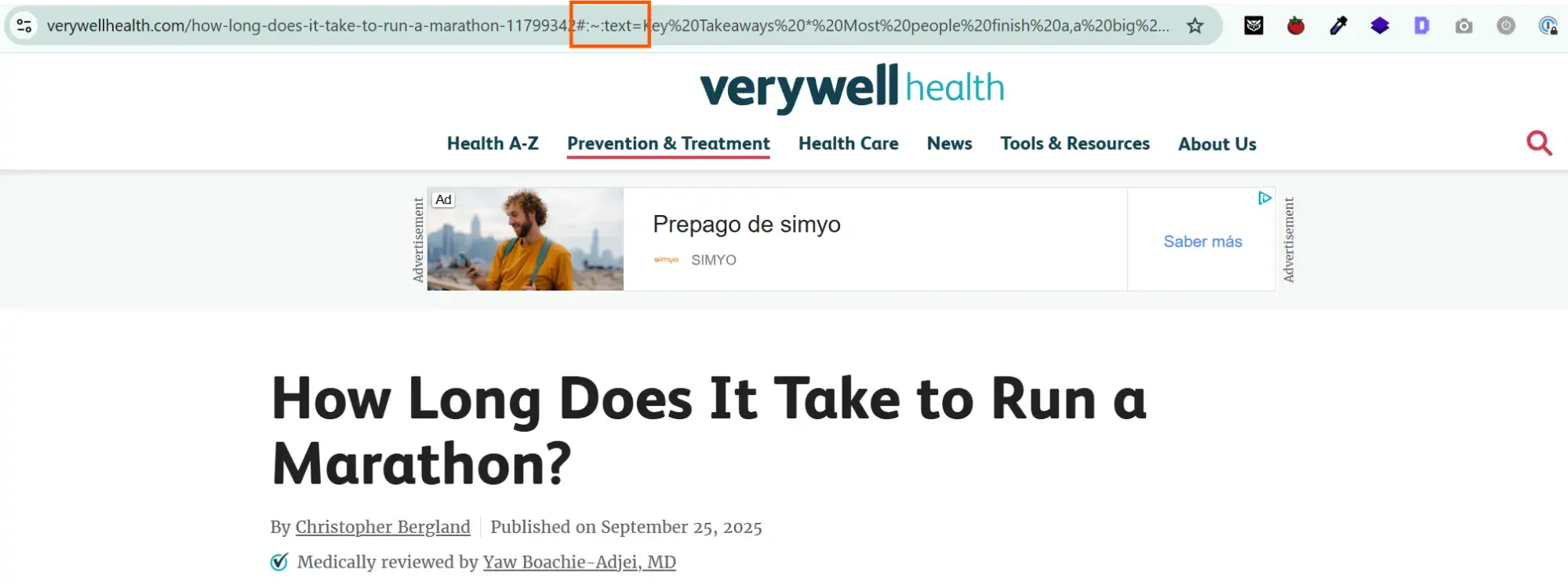
Beyond manual searches, examining URL parameters can provide valuable insights into AI-driven traffic. When AI engines direct users to a website, they often embed identifiable referral parameters in the URL. For example, links generated by ChatGPT frequently include "?utm_source=chatgpt.com," while traffic from Google AI Overviews might feature a "#text=" fragment, indicating that the user clicked a cited source and Google is highlighting the referenced passage. By diligently monitoring these parameters within an analytics platform like Google Analytics 4 (GA4), businesses can attribute visits to specific AI agents, confirming that a citation successfully generated a click. While this doesn’t quantify citation frequency, it confirms traffic generation.
Leveraging Analytics for Referral Attribution: Google Analytics 4 and Custom Dashboards
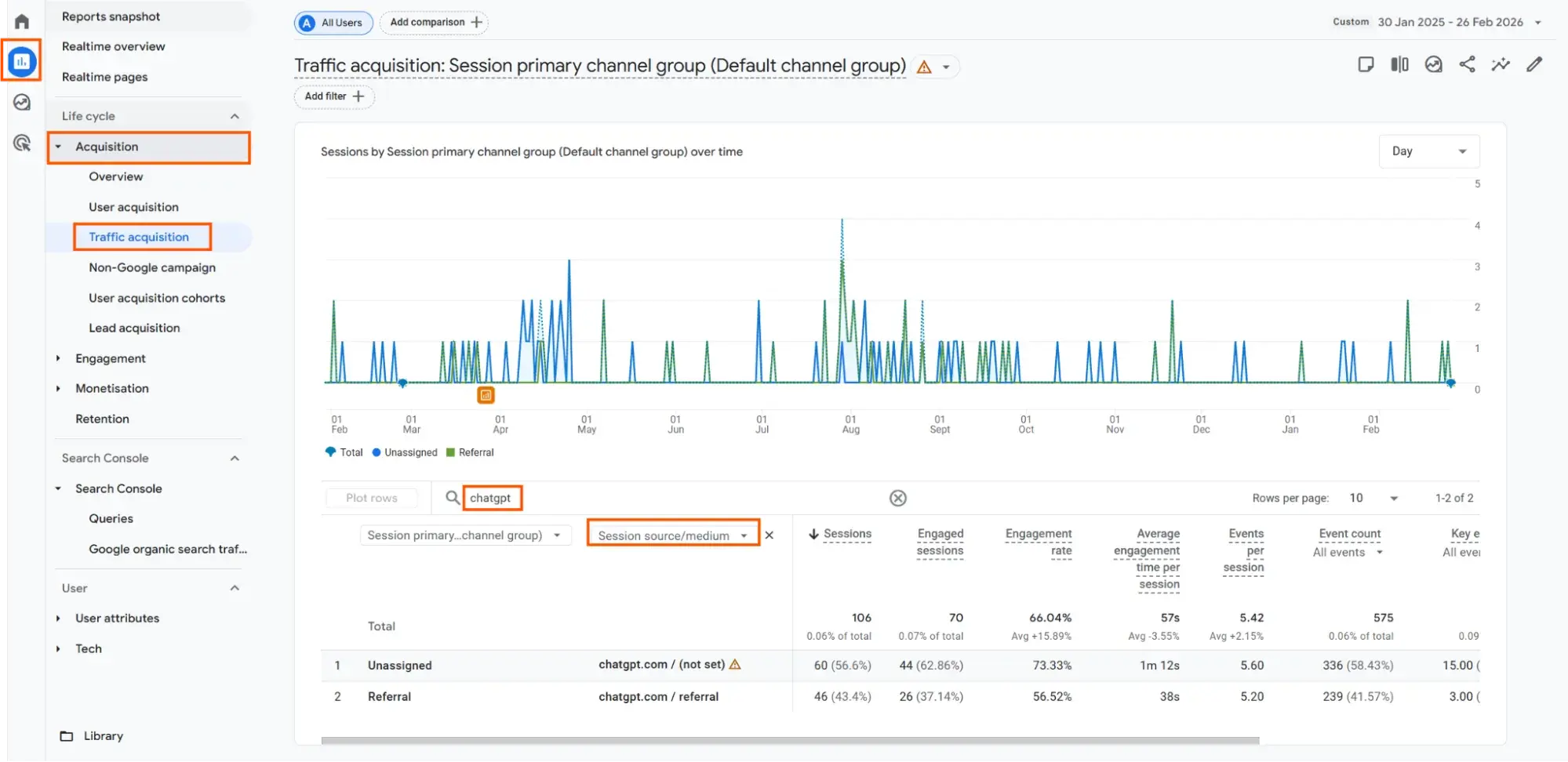
For a more systematic approach, Google Analytics 4 (GA4) serves as a powerful tool for monitoring referral traffic from AI systems. By navigating to "Reports → Acquisition → Traffic Acquisition" in GA4, users can filter by specific referral sources such as "chatgpt.com," "perplexity.ai," or "google.com" (with additional segmenting for AI Overviews). Creating comparison segments specifically for AI traffic sources allows for detailed analysis of engagement metrics, including bounce rate, average session duration, and conversion rates. While this method doesn’t directly measure how often AI responses cite content, it provides critical data on whether those citations are driving meaningful, engaged traffic. An increase in referral visits from AI systems, particularly to high-intent pages, strongly indicates a growing and impactful citation footprint.
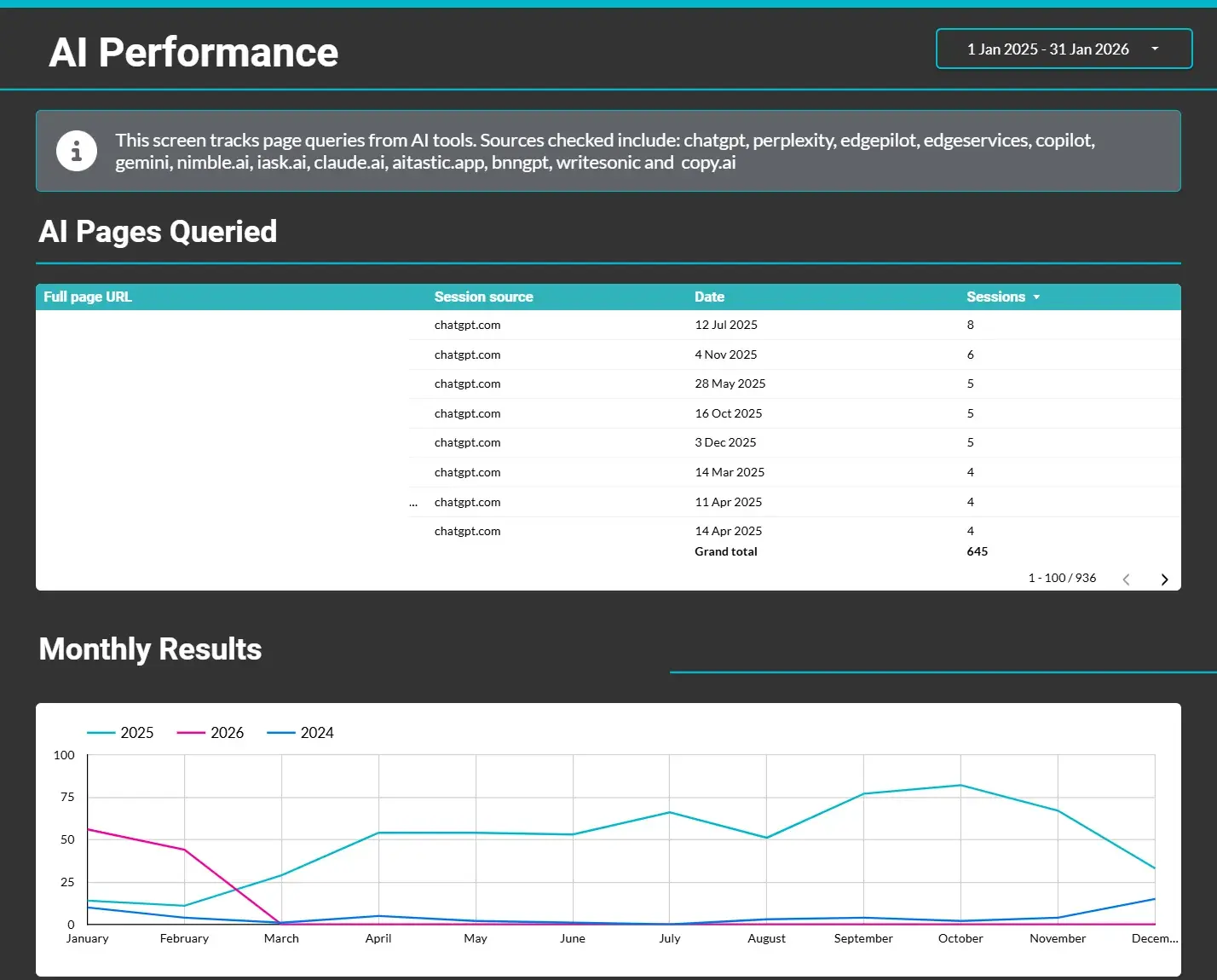
For teams requiring scalable, client-ready reporting, establishing custom dashboards in tools like Looker Studio (formerly Google Data Studio) is highly effective. Such dashboards can integrate data from GA4 to display key metrics like total AI-driven sessions, top AI referral sources, most cited pages, and engagement metrics over time. Utilizing regex filters on the Session source/medium dimension simplifies scaling this approach, transforming the dashboard into a live, automatically updating AI visibility panel. This approach, while still primarily focused on impact (clicks) rather than raw citation frequency, offers a robust way to track the tangible effects of AI visibility.
Specialized Tools for Comprehensive AI Citation Monitoring
While manual checks and analytics offer partial visibility, dedicated AI citation-tracking platforms provide the most systematic and comprehensive approach. Tools like Xfunnel and HubSpot AEO are purpose-built to measure how often AI engines cite content at scale. Unlike analytics-based tracking, which focuses on post-click activity, these platforms monitor AI responses directly, tracking citation frequency across a vast array of keywords and benchmarking a brand’s citation share against competitors. This offers invaluable insight into impression-level presence, which is crucial given that many AI searches do not result in direct clicks to a website. These tools provide clarity on the total number of citations, the specific content being cited, competitive citation share, and the performance of individual content pieces, allowing for more precise strategic adjustments.
Strategies for Cultivating AI Citations: Bridging the Content Gap
Closing the mention-citation gap and actively earning more AI citations requires a strategic refinement of content creation and optimization practices. Answer Engine Optimization (AEO) best practices are designed to align content with the specific needs and processing capabilities of AI engines.
Crafting Definitive Content: The Foundation of AI Trust
AI engines prioritize content that is authoritative, complete, and trustworthy, often referred to as "source-worthy." Pages that comprehensively answer a question, supported by clear structure and credible evidence, are far more likely to be cited. This means creating content with robust research, original insights, structured data (e.g., schema markup), and expert contributions. The depth required necessitates strong writing workflows, meticulous editing, and systems that facilitate the easy extraction of information by AI. Tools like HubSpot’s Breeze can accelerate research and content planning, while Content Hub helps operationalize templates and reusable content patterns, making answers clearer and more structured for AI systems.
Optimizing for Informational Intent: Guiding the Buyer Journey
AI citations most frequently appear in response to informational queries—"what is," "how to," "best," "comparison," and "why" searches—which are critical in shaping buyer education and early-stage decision-making. Effective citation-focused content directly addresses these query types by providing direct, concise answers upfront, using structured data for key facts, and anticipating follow-up questions within the content. This approach ensures that the content not only answers the immediate query but also establishes the brand as a comprehensive resource, making it more appealing for AI systems to reference.
Structural Excellence: Enabling AI Parsing and Extraction
The ability of AI systems to efficiently extract and synthesize content is heavily reliant on clear formatting and robust structure. Implementing logical heading hierarchies (H1, H2, H3), utilizing bullet points and numbered lists for easy scannability, including concise summaries or executive abstracts, and integrating FAQs directly into content all contribute to improved AI parsing. Strategic internal linking also helps AI models understand the topical relationships within a website, reinforcing the overall authority of the domain. This structural optimization makes content not just user-friendly, but also "AI-friendly," increasing the likelihood of citation.
Building Topical Authority and Off-Site Signals
AI engines are more likely to cite brands that demonstrate deep expertise across an entire topic cluster, rather than just isolated, well-written articles. Developing pillar pages supported by numerous sub-articles that interlink and comprehensively cover a subject establishes this topical authority. Furthermore, strengthening off-site signals and brand associations is crucial. AI models learn about brand credibility from across the web. Strong third-party references, high-quality backlinks, positive brand mentions in reputable publications, and consistent digital PR efforts all contribute to a brand’s perceived authority, making it more probable that AI systems will surface or cite its content.
The Evolving Toolkit: Leading Platforms for AI Citation Tracking
As AI citation tracking matures, a diverse ecosystem of tools is emerging, each serving different purposes and catering to varying business needs. The right choice depends on a business’s size, reporting requirements, and strategic sophistication.
Xfunnel: Purpose-Built for Scalable Citation Analysis
Xfunnel stands out as a platform specifically engineered for tracking AI engine citations at scale. It offers comprehensive monitoring of how often a brand and its URLs are cited across various AI systems, alongside competitive benchmarking. Unlike analytics-based tools that only show traffic post-click, Xfunnel focuses on citation visibility itself, providing data on total citations, the specific content cited, competitive share of voice, and the performance of individual content pieces. This makes it an invaluable asset for growth teams, B2B companies, and agencies that require structured, granular reporting on AI visibility, especially if AI search is central to their revenue model.
HubSpot AEO: Bridging Visibility Data with Actionable Content Strategy
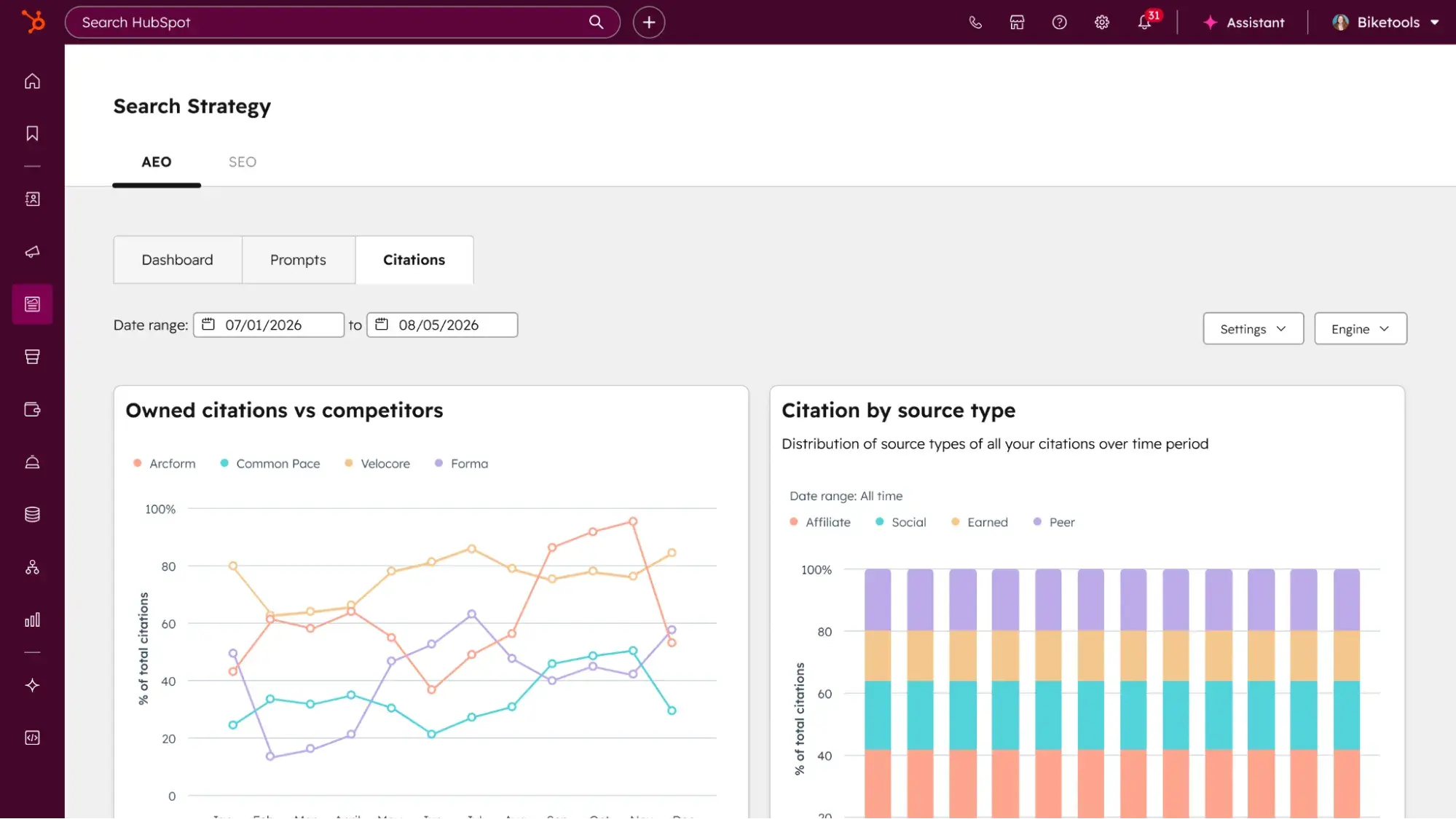
HubSpot AEO is another purpose-built solution designed to track and improve a brand’s appearance across major answer engines, including ChatGPT, Perplexity, and Gemini. It monitors AI responses directly, measuring citation frequency, brand visibility, and competitive share of voice across defined prompts. HubSpot AEO centralizes AI citation tracking within a single dashboard, enabling consistent performance monitoring over time and direct connection to content strategy and business outcomes. Available within HubSpot Marketing Hub Pro and Enterprise, or as a standalone tool, it facilitates the crucial link between AI visibility data and actionable content optimization.
Semrush One: Integrating AI Insights into Established SEO Workflows
Semrush, a long-standing leader in the SEO industry, is increasingly incorporating AI search visibility insights into its expansive platform with offerings like Semrush One. While not a pure AI citation tracking tool, Semrush allows users to track keyword rankings in AI Overviews, analyze competitor AI visibility, and identify content gaps for AI optimization. For mid-sized to enterprise teams already deeply embedded in Semrush workflows, it offers a practical way to layer AI search monitoring into existing operations. It provides broader visibility signals that help contextualize AI performance within an overall search strategy, making it ideal for established SEO teams expanding their focus.
AEO Grader: A Baseline for Rapid Assessment and Benchmarking
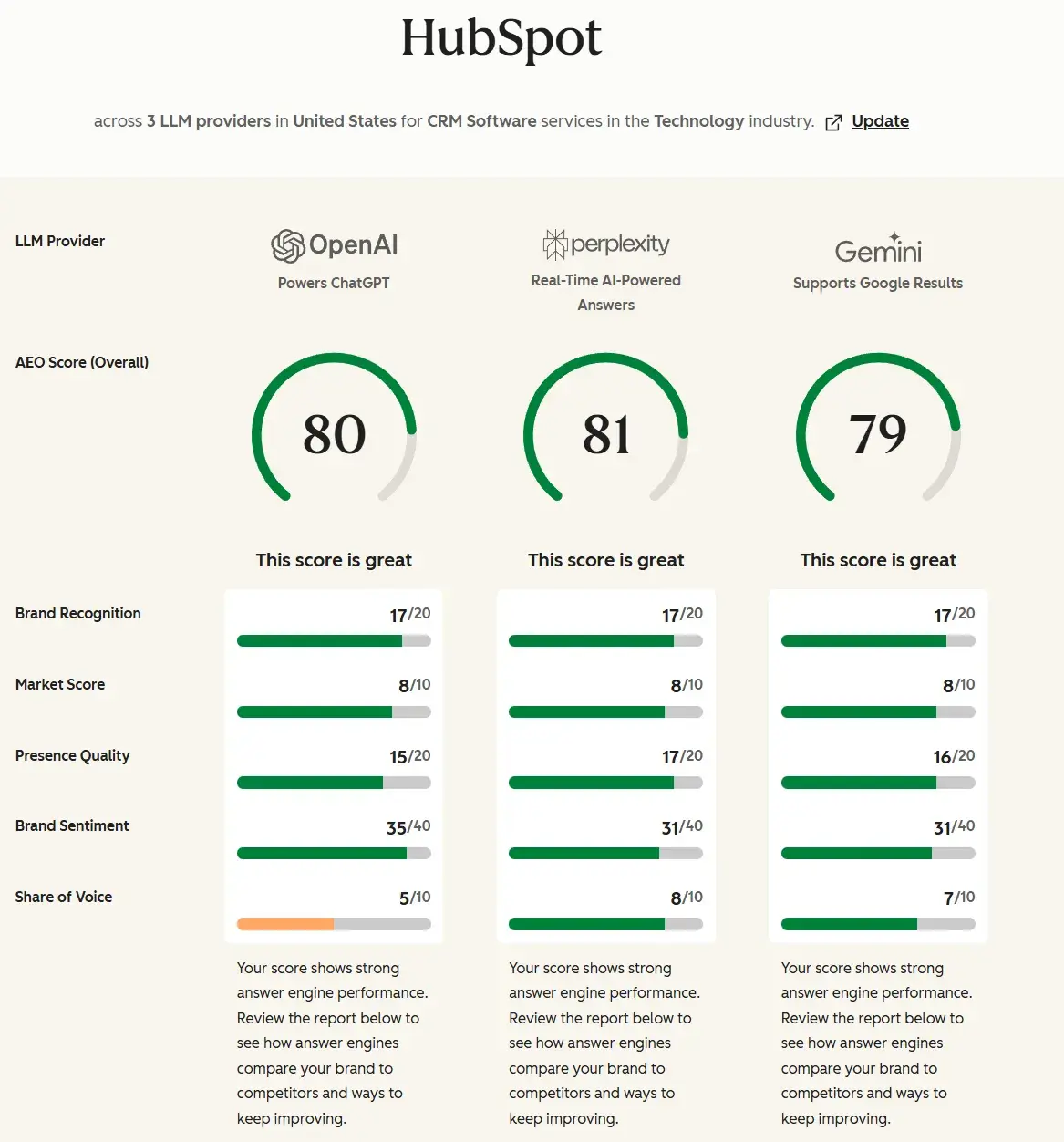
HubSpot’s AEO Grader is a free tool that provides a quick, directional snapshot of a site’s optimization for answer engines and AI-driven search environments. It assesses structural and content factors that influence AI citation likelihood, such as clarity, schema usage, and answer formatting. Its free nature allows for quick side-by-side comparisons with competitor domains, helping identify structural or content gaps. While it does not track live citations or measure share over time, AEO Grader is excellent for initial diagnostics, audit workflows, and pitching scenarios, offering a fast way to assess a brand’s AI visibility readiness.
Navigating the Future: Key Considerations for AI Search Adaptation
As the AI search landscape continues to evolve, several critical considerations emerge for brands seeking to maintain and grow their digital presence.
Frequency of Monitoring and Data Segmentation
Industry experts widely agree that AI citation and mention tracking should be reviewed at a minimum of monthly. AI search environments are highly dynamic, with models frequently updating, competitors publishing new content, and citation patterns shifting as authority signals evolve. A monthly review cadence allows for the timely identification of trends, competitive displacements, and emerging query opportunities before they significantly impact business objectives. Furthermore, it is crucial to segment AI-influenced traffic from traditional organic search in reporting. While some AI traffic may technically fall under organic channels, its user behavior, intent patterns, and conversion pathways often differ significantly. Data suggests that AI traffic can exhibit higher conversion rates (e.g., 7% compared to 1% for organic traffic), necessitating separate analysis to accurately understand its value.
Strategic Prioritization: Citations Versus Mentions
When allocating resources, prioritizing content for citations versus mentions depends on strategic goals. If the primary objective is to establish authority and direct influence, then investing in citation-ready content should take precedence. Informational, high-trust assets such as in-depth guides, definitive definitions, detailed comparisons, and research-backed articles are more likely to earn explicit citations because AI engines rely on them as credible sources. Conversely, mentions are often driven by broader brand authority and third-party signals. For brands earlier in their growth journey, investing in thought leadership, robust digital PR, and strategic brand positioning can significantly increase conversational visibility. Ideally, a comprehensive strategy should balance both the creation of authoritative content to earn citations and broader brand-building efforts to expand mention presence.
Ethical Considerations: Privacy and Data Attribution
As brands increasingly rely on tracking parameters and AI systems for attribution, ethical considerations around privacy and consent become paramount. When using UTM parameters or monitoring referral sources from AI systems, it is essential to adhere to standard analytics practices while ensuring that cookie consent mechanisms and privacy policies clearly explain how tracking data is collected and processed. Transparency with users about data usage and adherence to global privacy regulations (e.g., GDPR, CCPA) are non-negotiable, reinforcing trust and maintaining ethical standards in data collection and utilization.
Conclusion: AI Citation Tracking – The Indispensable Metric for Modern Brands
AI citation tracking has firmly established itself as the indispensable visibility metric for the AI-search era. It provides a nuanced understanding of a brand’s influence: mentions reveal participation in the conversation, while citations confirm the content’s role in shaping it. Effective tracking necessitates a multi-layered approach, combining manual checks for contextual insight, analytics for understanding traffic impact, custom dashboards for continuous trend monitoring, and dedicated tools for granular citation share and competitive displacement analysis.
Platforms like HubSpot AEO are vital in helping teams integrate AI visibility data with broader traffic, engagement, and reporting workflows, making insights actionable. A consistent, at least monthly, review cadence is crucial to stay abreast of the rapidly evolving AI landscape. Even a foundational baseline established with free tools like AEO Grader can provide significant leverage for brands aiming to enhance their AI-related citations and mentions, securing their position at the new frontline of brand visibility and digital authority.