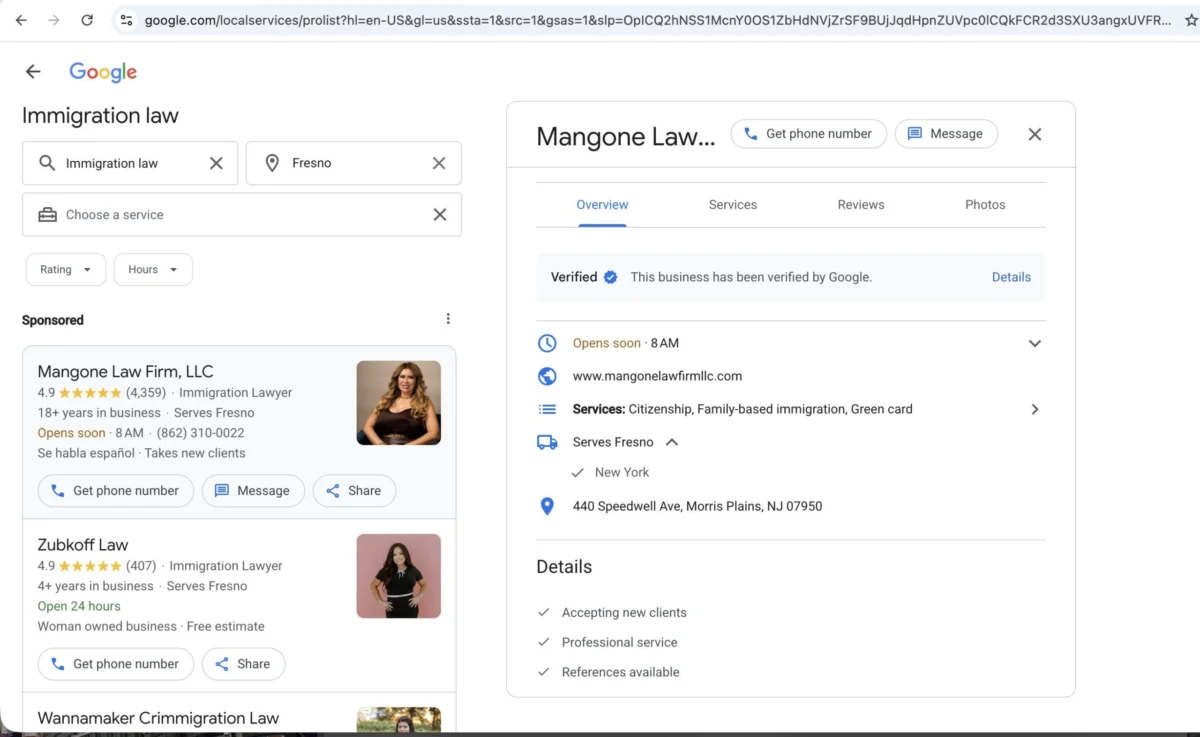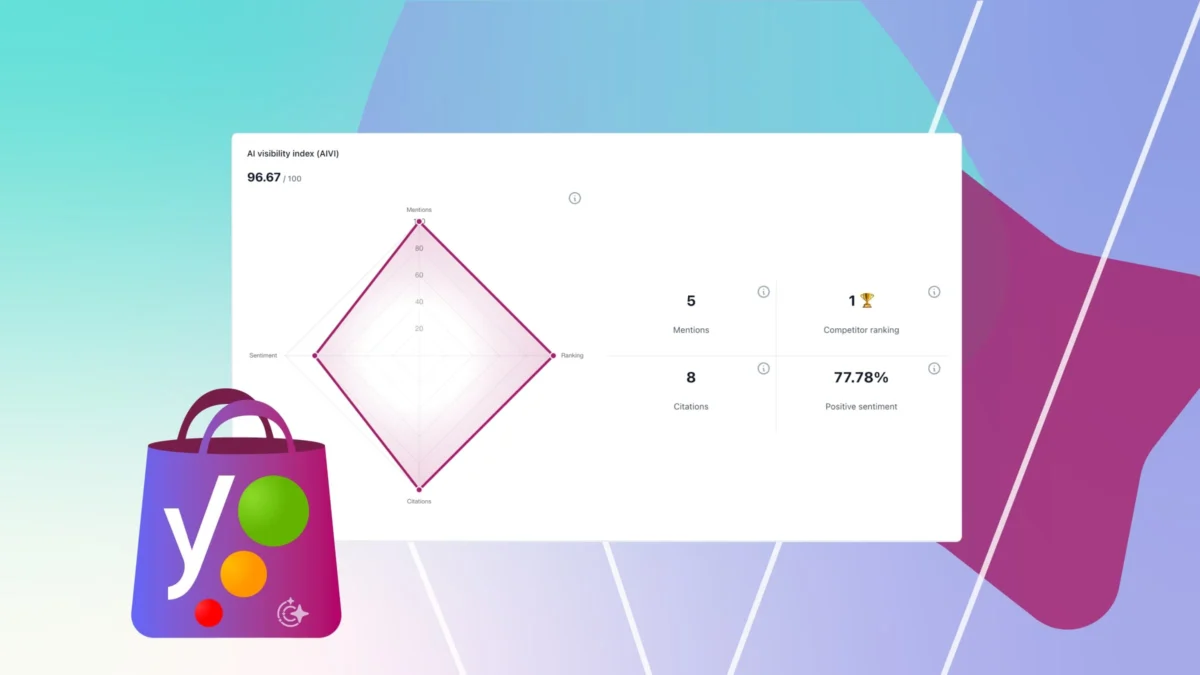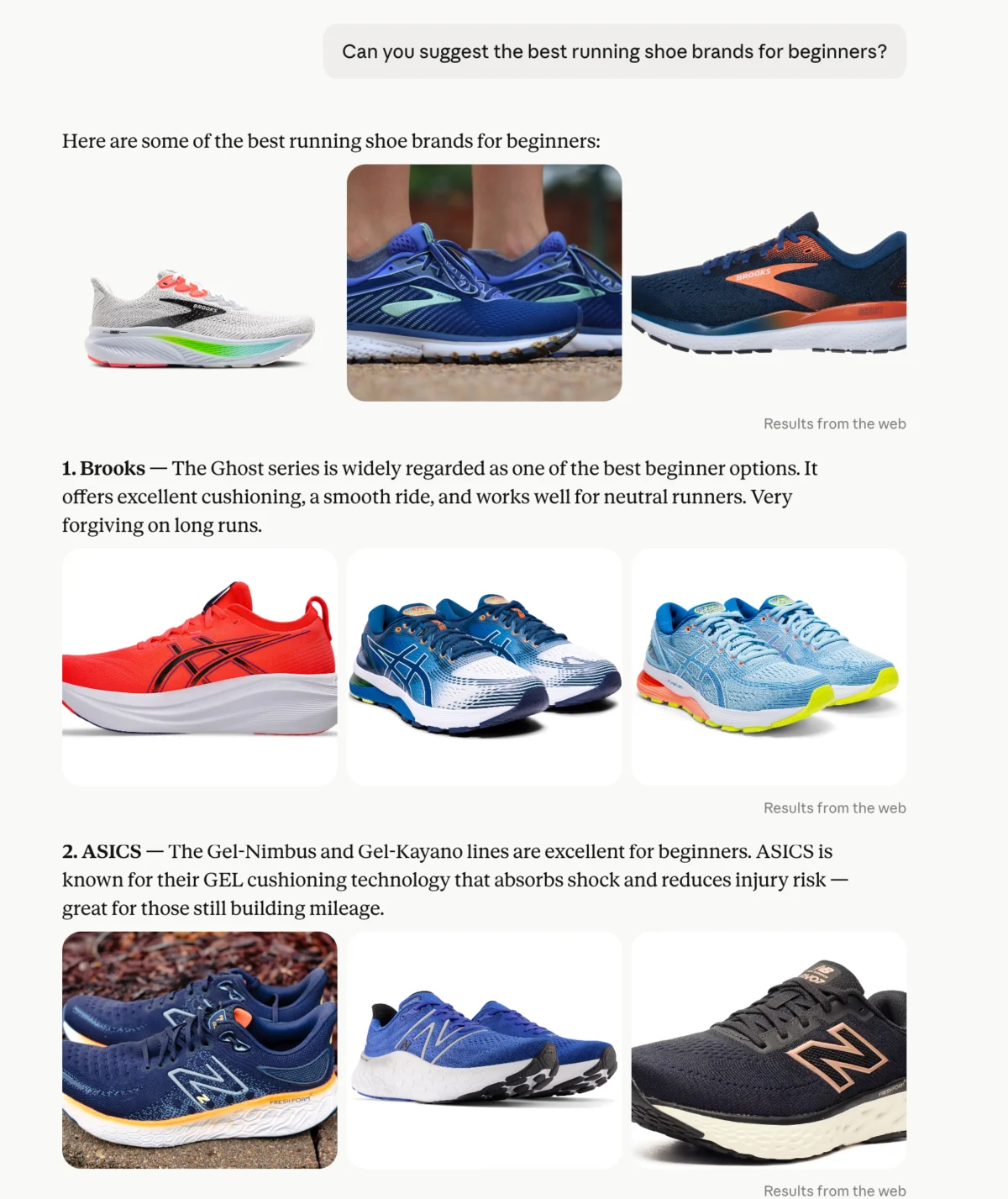
The emergence of artificial intelligence (AI) in search and content discovery has introduced a critical distinction for brands vying for online visibility: whether their name appears as an AI brand mention or an AI citation. This subtle but significant difference has profound implications for search engine optimization (SEO) strategies and overall brand perception in an increasingly AI-driven digital landscape. As large language models (LLMs) and AI search assistants become primary interfaces for information retrieval, understanding how these systems reference brands is paramount for digital marketers and content strategists.
The Evolving Landscape of Digital Discovery
For decades, SEO revolved around optimizing for traditional search engine results pages (SERPs), where visibility was measured by rankings and click-through rates. The rise of conversational AI interfaces, such as ChatGPT, Google Gemini, and Microsoft Copilot, marks a paradigm shift. These systems often provide direct, synthesized answers to user queries, sometimes reducing the need for users to click through to external websites. This phenomenon, often referred to as “zero-click answers” in the AI context, means that brand exposure within the AI’s response itself becomes a primary goal. Industry analysts suggest that a significant portion of future online interactions will occur directly within AI environments, making brand presence in these interactions crucial for maintaining relevance and reach.
Defining AI Brand Mentions
An AI brand mention occurs when an AI tool integrates a brand’s name into its generated response, recommendation, comparison, or summary, often without a direct link to the brand’s website. These mentions can be either explicit, where the brand name is clearly stated (e.g., “Yoast SEO is a leading WordPress plugin”), or implicit, where the brand is referenced contextually without a direct call-out (e.g., “Many WordPress users rely on popular SEO plugins for optimization,” implying well-known brands in that category).
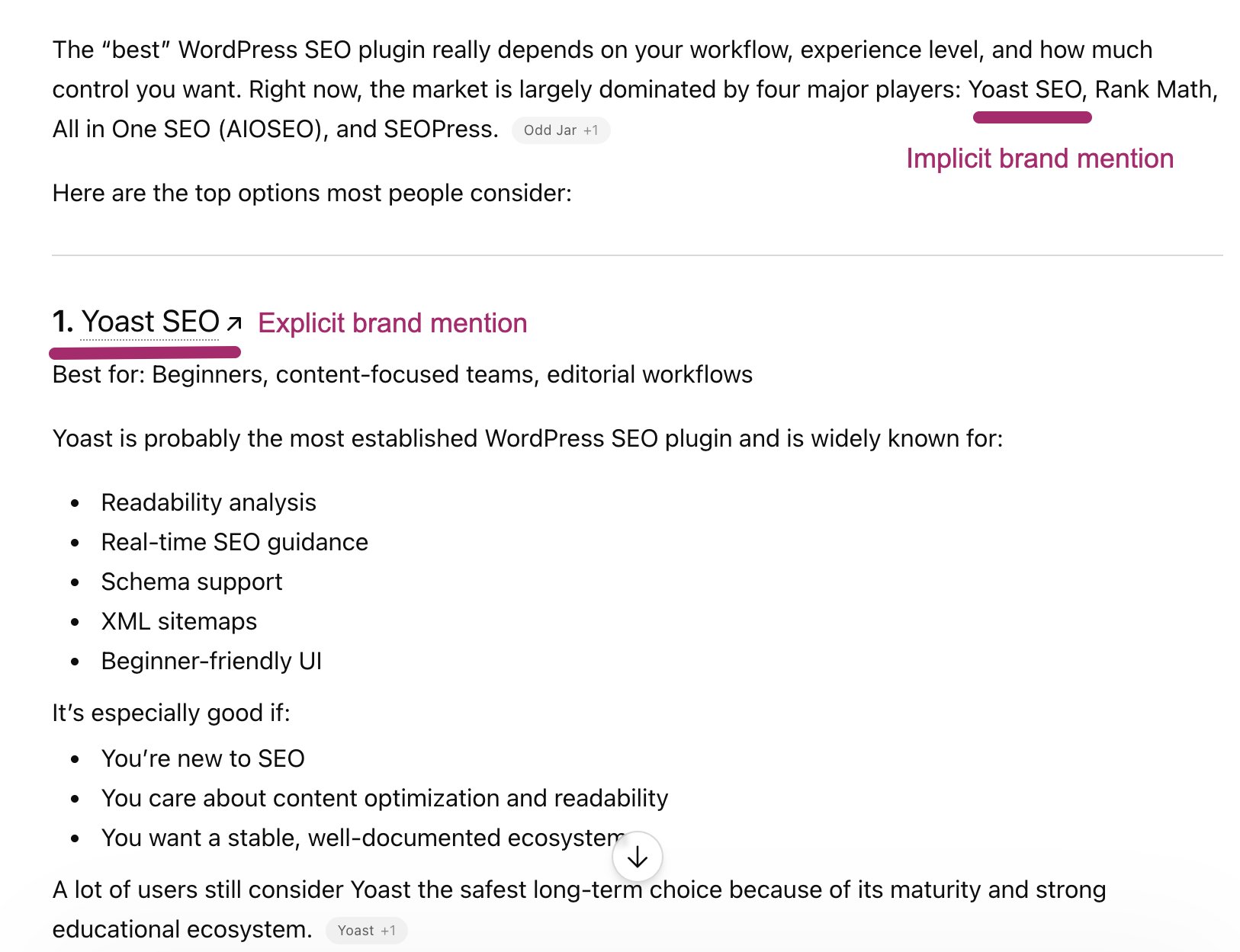
AI systems typically include brand mentions in various conversational contexts, depending on the user’s query and intent:
- Direct Recommendations: When a user explicitly seeks solutions (e.g., “What are the best CRM software options?”), AI may directly suggest specific brands. These typically appear in recommendation-style prompts where users are actively exploring options.
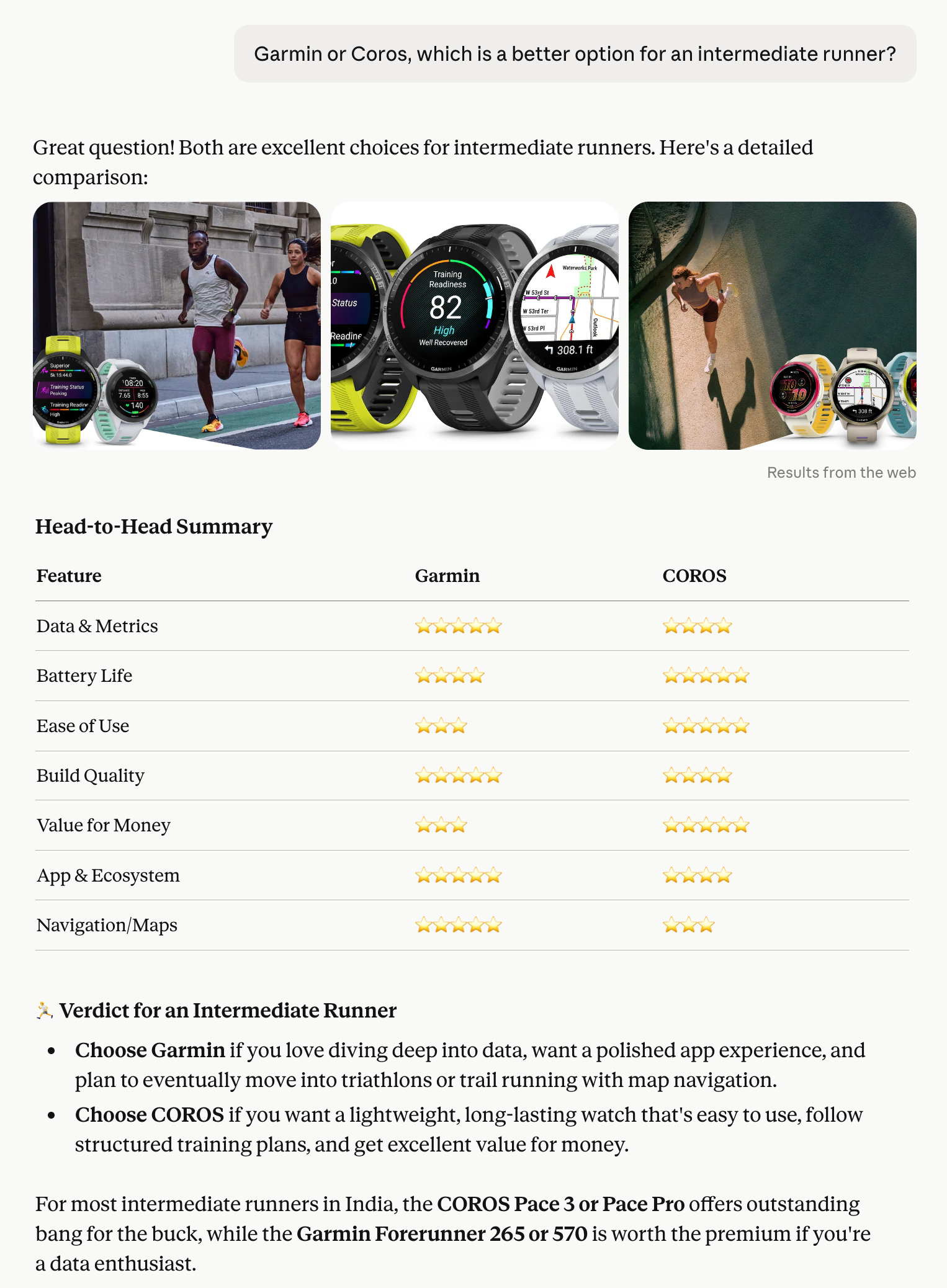
- Comparisons: AI frequently mentions brands when comparing products, services, features, pricing, or use cases. In these scenarios, the brand becomes part of a broader evaluative discussion, positioning it against competitors or alternatives.
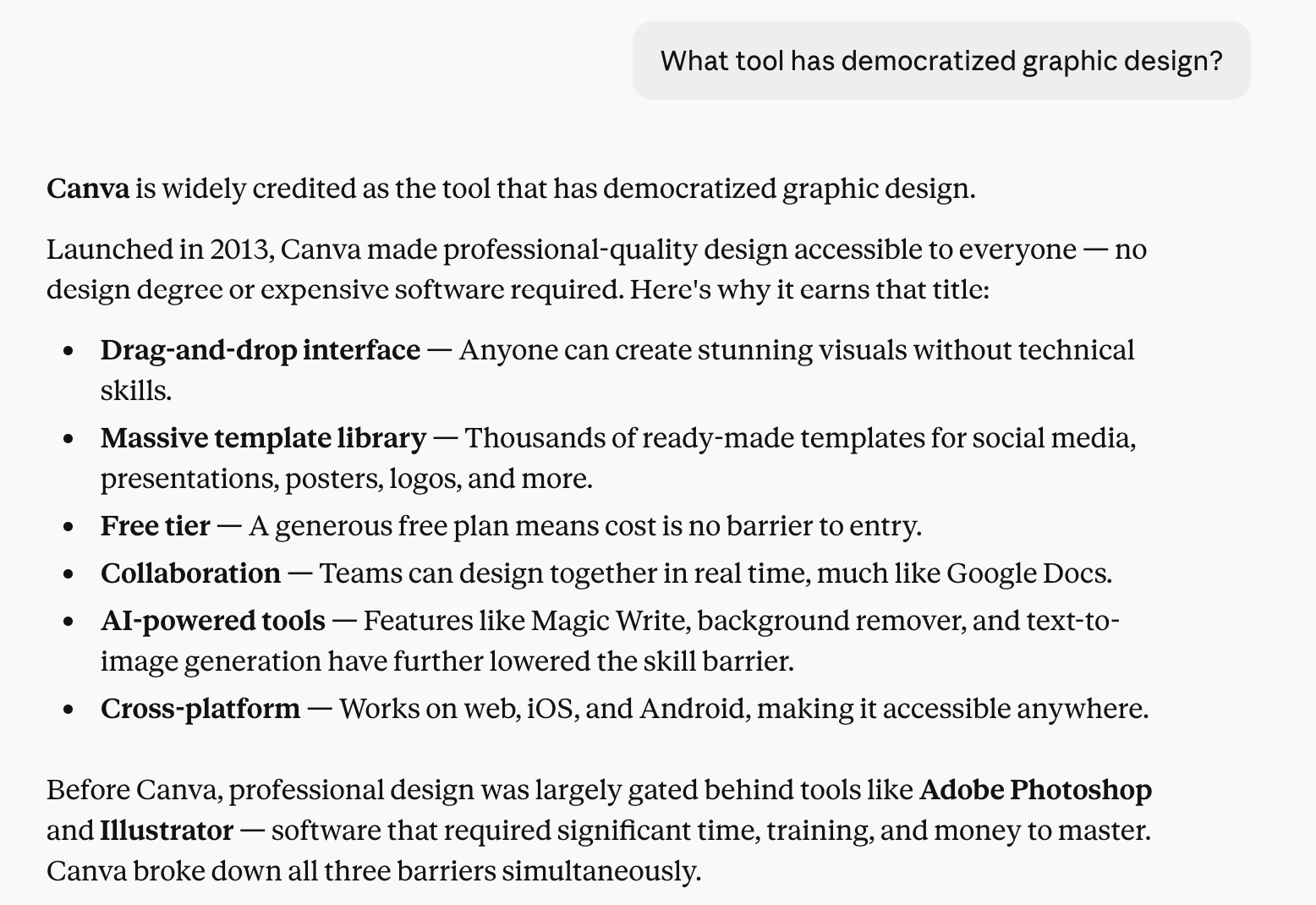
- Examples within Answers: To illustrate concepts, trends, workflows, or industry practices, AI may use brands as practical examples, providing context and enhancing user comprehension.
- Contextual References: Brands can naturally emerge in broader discussions about a particular topic or industry. These mentions are less overtly promotional and serve to establish topical relevance within the AI’s conversational output.
How LLMs Decide What to Mention
LLMs do not “choose” brands in a human sense; instead, they generate responses based on complex patterns, probabilities, and signals derived from their vast training datasets and real-time retrieval processes. A brand’s appearance in an AI answer is a result of multiple underlying factors aligning:
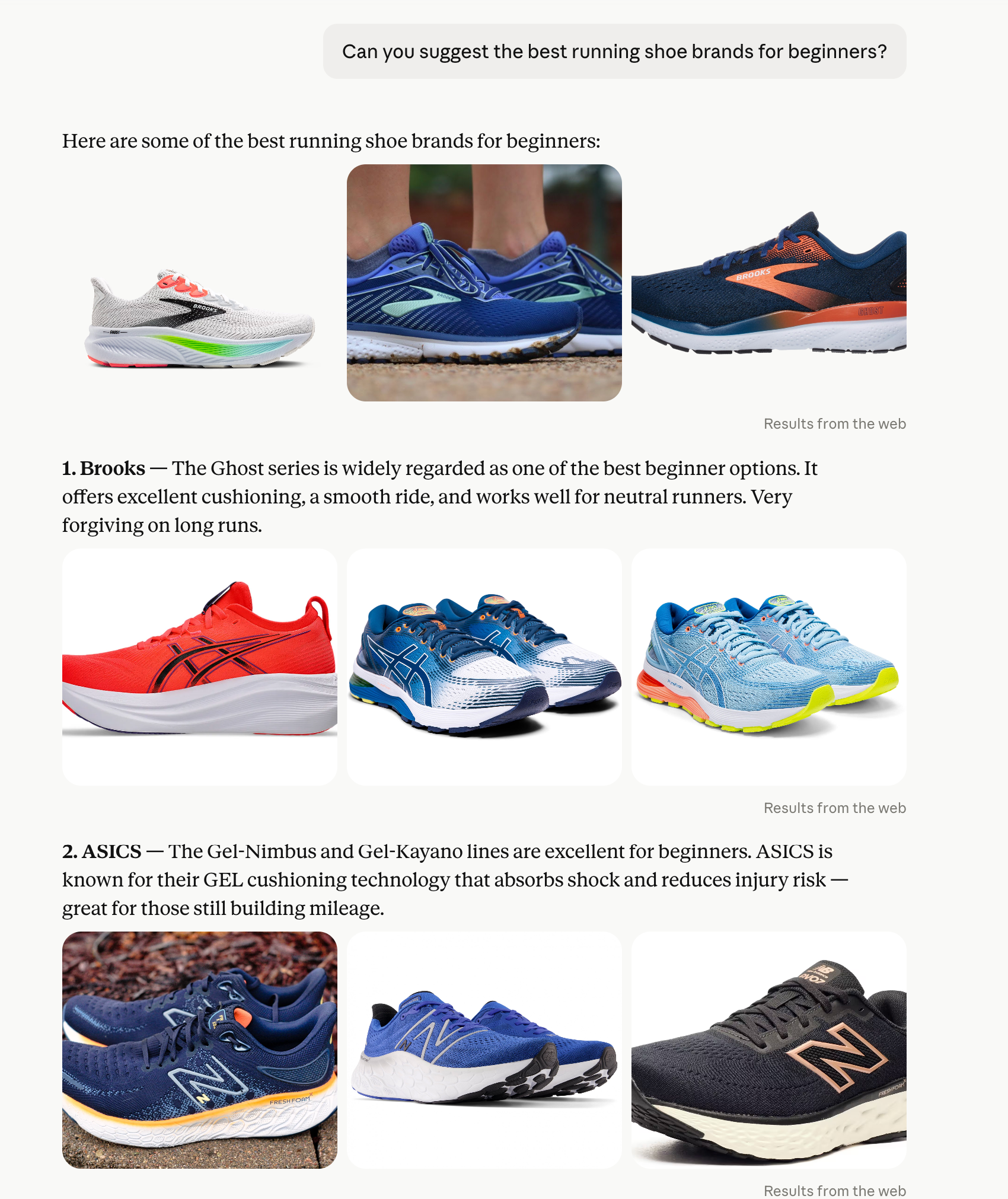
- Training Data Patterns: LLMs learn from enormous datasets, recognizing how frequently and in what contexts brands are discussed alongside specific topics. A brand consistently associated with a particular use case builds strong neural associations, increasing its likelihood of appearing in relevant queries. The depth of these associations, formed by mentions across diverse contexts, determines a brand’s flexibility in surfacing for varied prompts.
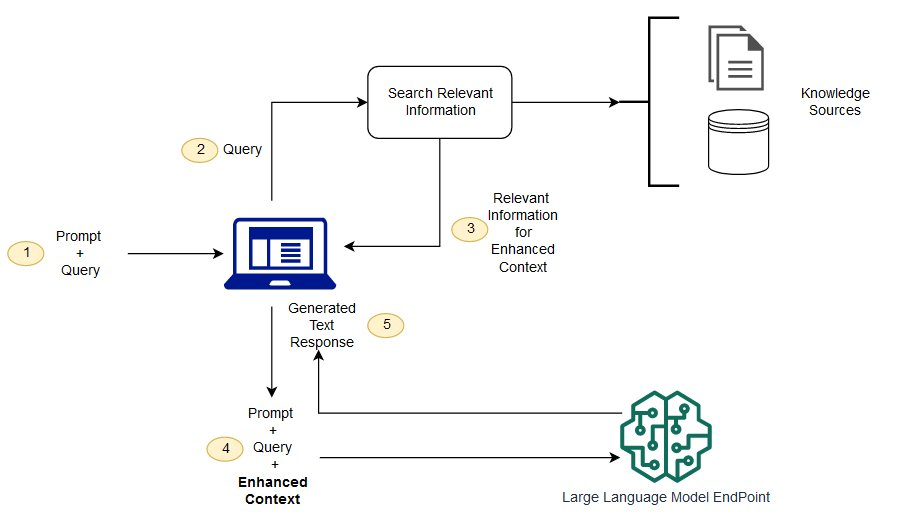
- Retrieval-Augmented Generation (RAG): Modern AI systems often extend beyond their static training data by employing RAG. This dynamic process involves retrieving information from external, indexed sources (like websites, documentation, articles, and forums) in real-time, then combining this fresh data with the model’s existing knowledge to generate more accurate and up-to-date responses. For brands, this means that their current online presence and authoritative content play a direct role in AI visibility. When a user submits a query, the retrieval system acts as a sophisticated gatekeeper, scanning indexed sources for the most relevant content.
- Context and Semantic Understanding: LLMs prioritize interpreting user intent over mere keyword matching. Through advanced Natural Language Processing (NLP), they map queries to broader concepts and surface brands that semantically fit those meanings. For example, a query about “collaboration tools for hybrid teams” might trigger associations with project management software, video conferencing platforms, and document sharing services. Brands that consistently link themselves to these concepts through clear, context-rich content are more likely to be surfaced. Entity clarity – ensuring a brand is consistently described across sources – is crucial here; ambiguity hinders AI’s ability to understand a brand’s core function.
- Authority and Cross-Source Validation: LLMs do not rely on single sources. They validate information by comparing patterns across multiple sources and weighing the trustworthiness of those sources. Consistency of a claim across independent, credible platforms significantly boosts the model’s confidence in including it. AI systems assess source authority based on factors such as domain authority, content quality, publication reputation, and the frequency of being referenced by other authoritative sources. This underlines the growing importance of public relations, earned media, and third-party endorsements in achieving AI visibility.
- Relevance to the Query: Fundamentally, a brand must be a strong, direct answer to the user’s query. Even highly authoritative or frequently mentioned brands will not appear if they do not clearly match the user’s intent, use case, audience, or problem. AI models consider nuances such as the target audience, specific functionalities, pricing tiers, and industry applicability when determining relevance, moving beyond simple keyword matching to deeply understand the “why” behind the text strings.
- Sentiment and Human Feedback (RLHF): LLMs are continually refined through Reinforcement Learning from Human Feedback (RLHF). Human evaluators review AI responses, guiding the model to produce answers that are helpful, truthful, harmless, and free of bias. If a brand is consistently associated with negative sentiment across its digital footprint, the AI may learn to deprioritize or avoid mentioning it. Conversely, brands appearing in neutral or positive contexts across numerous credible sources are more likely to be included, as RLHF refines raw data signals to align brand mentions with quality, trust, and user expectations.
Strategies for Increasing AI Brand Mentions
Optimizing for AI brand mentions closely aligns with what is now being termed “LLM SEO.” Brands that have already invested in strong content, authority building, and overall digital visibility are well-positioned. Key strategies include:
- Create Structured, AI-Friendly Content: Develop content with clear definitions, structured explanations, and direct answers, making it easy for AI systems to understand and reuse. Guides with concise sections and clear takeaways are more digestible than verbose, unstructured articles.
- Address Evaluative Queries Directly: Proactively create content that addresses questions like “best tools for X” or “which platform should I choose?” Comparison pages that articulate when your product is superior or better suited than alternatives provide clear context for AI recommendations.
- Strengthen Authority Signals: Cultivate mentions across trusted, independent sources. This includes features in industry publications, expert contributions, and mentions in reviews and third-party comparisons. A brand cited across multiple reputable blogs and reports signals greater authority to AI systems.
- Keep Cornerstone Pages Current: Regularly update key content, especially for rapidly evolving topics. Freshness signals reliability and up-to-date information to AI, making evergreen “best of” lists or product reviews more likely to be retrieved.
- Broaden Entity Clarity: Ensure your brand is consistently described across all your digital properties and external platforms. This reinforces AI’s understanding of your core offering and its relevance to specific use cases.
Understanding AI Citations
While mentions increase brand awareness, AI citations serve a different, equally vital role. AI citations are explicit references that AI systems and search engines include to support the factual claims or information presented in their generated answers. These citations typically point to a specific source – a webpage, report, article, or scholarly paper – providing credit and allowing users to verify the information. In many cases, an AI response can simultaneously include a brand mention and a citation.
For instance, an AI might state, “According to the latest industry report from [Brand X], market growth is projected at 15%,” with a direct link or reference to the report published on Brand X’s website. This demonstrates not just that Brand X exists, but that it is a credible source of information.
Key Differences: Mentions vs. Citations
| Aspect | AI Brand Mention | AI Citation |
|---|---|---|
| Definition | Brand name appears within the AI-generated response. | AI attributes specific information to your content, often with a link/reference. |
| Format | Mentioned naturally in text; no link required. | URL, footnote, or inline source reference. |
| What it Signals | Brand awareness, category relevance, general recognition. | Authority, credibility, trustworthiness, expertise. |
| Impact | Builds mindshare, keeps brand in consideration set. | Acts as proof of expertise, can drive direct, qualified traffic. |
| Traffic Potential | Indirect, through increased brand recall and search. | Direct, via clickable or attributed sources. |
| Frequency | More common across most AI responses. | Less common, more competitive, requires higher trust signals. |
| Where it Appears | Across most LLMs, even without live web access. | More common in systems with retrieval or live web access. |
| Optimization | PR, earned media, third-party mentions, community presence. | Create citation-worthy content, structured data, original research, E-E-A-T. |
| Example | “Yoast SEO is a popular WordPress plugin.” | “According to The Yoast Perspective 2026 report…” (with link). |
Do Citations Still Matter? The Interplay of Trust and Visibility
Yes, citations unequivocally still matter. While AI mentions drive brand awareness and recognition, citations are the bedrock of trust and authority in the AI ecosystem. AI systems continuously use citations as supporting signals to validate information, confirm credibility, and discover trustworthy sources. When multiple reputable websites reference the same brand or content, it significantly reinforces the information’s reliability for AI.
While mentions currently carry substantial weight for relevance and AI visibility by providing rich contextual signals about a brand’s fit within a topic, citations reinforce the foundational elements of authority and trust. The most effective strategy for brands is to optimize for both. Brands that consistently appear in relevant conversations and publish credible, high-quality content are poised to achieve superior AI visibility.
Achieving Both Mentions and Citations
An integrated approach is essential:
- Create Mention-Worthy Content: Focus on producing thought leadership, original research, unique insights, industry commentary, and practical resources that genuinely add value. Content that contributes something novel or highly useful to the conversation is naturally more likely to be referenced by journalists, creators, communities, and, crucially, AI systems.
- Focus on Contextual Brand Mentions: Actively participate in and monitor community discussions, industry blogs, PR coverage, podcasts, and forums. The goal is not just to be seen, but to appear consistently in meaningful, context-rich discussions that reinforce your brand’s relevance within its niche.
- Build Credibility for Citations (E-E-A-T): To earn citations, credibility is paramount. AI systems prioritize referencing content that demonstrates strong Experience, Expertise, Authoritativeness, and Trustworthiness (E-E-A-T). This means publishing content authored by recognized experts, conducting proprietary research, backing claims with data, and maintaining a transparent, accurate online presence. Utilizing structured data (schema markup) can also help AI systems better understand and attribute your content.
Broader Implications for Businesses
The shift towards AI-driven discovery necessitates a re-evaluation of traditional digital marketing budgets and strategies. Investment in original research, expert content creation, robust PR, and consistent brand messaging across diverse platforms will yield significant returns in AI visibility. Businesses must monitor their brand’s presence in AI responses, analyzing not just if they are mentioned or cited, but how they are portrayed. Tools designed for AI visibility tracking, such as Yoast SEO AI+, are becoming indispensable for monitoring brand presence across AI platforms, identifying growth areas, and uncovering opportunities for improvement.
The convergence of brand mentions and citations forms a powerful synergy. Mentions build top-of-mind awareness and position a brand within relevant conversations, while citations solidify its reputation as a trusted authority. In the new era of AI, success hinges on a holistic strategy that ensures a brand is not only recognized but also respected and reliably sourced.