The digital landscape is undergoing a fundamental shift as the traditional, linear customer journey is replaced by a complex web of erratic touchpoints and unpredictable behaviors. In this environment, a visitor may arrive on a website via an email link, browse several pages anonymously, cross-reference products in multiple browser tabs, leave the site entirely, and then return hours later through a search engine with an interest in an entirely different product category. For years, the e-commerce industry has struggled to address this volatility, as traditional personalization tools have remained tethered to rigid segments, historical data, and known customer profiles. This reliance on "known" data creates a significant operational gap, given that the vast majority of website visitors do not arrive logged in or fully identified.
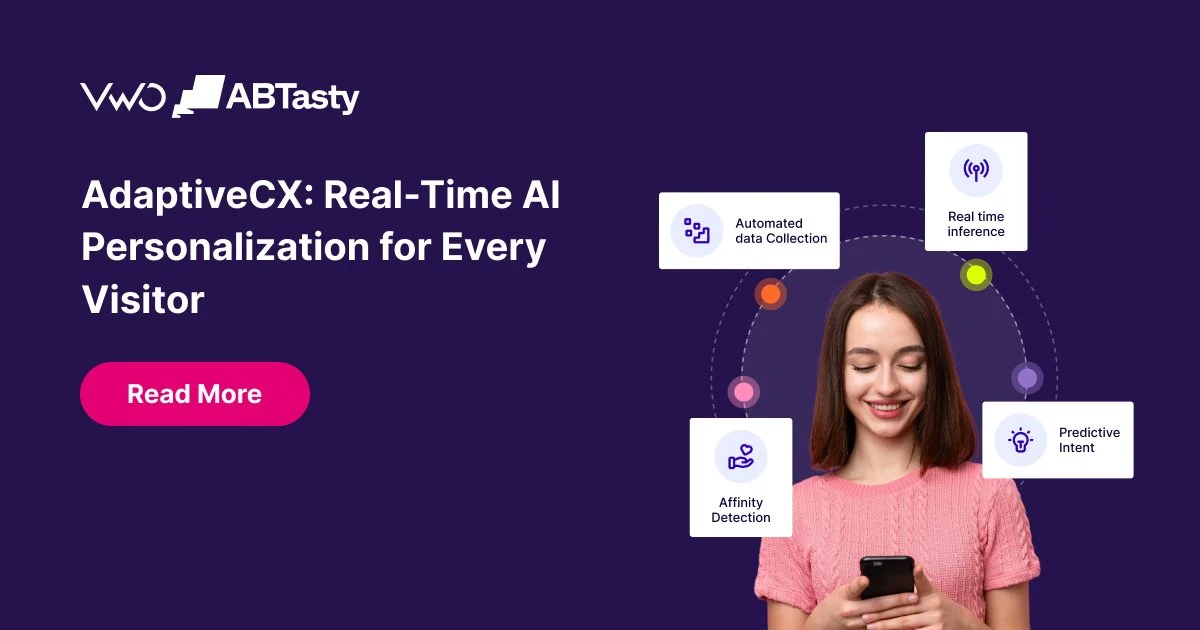
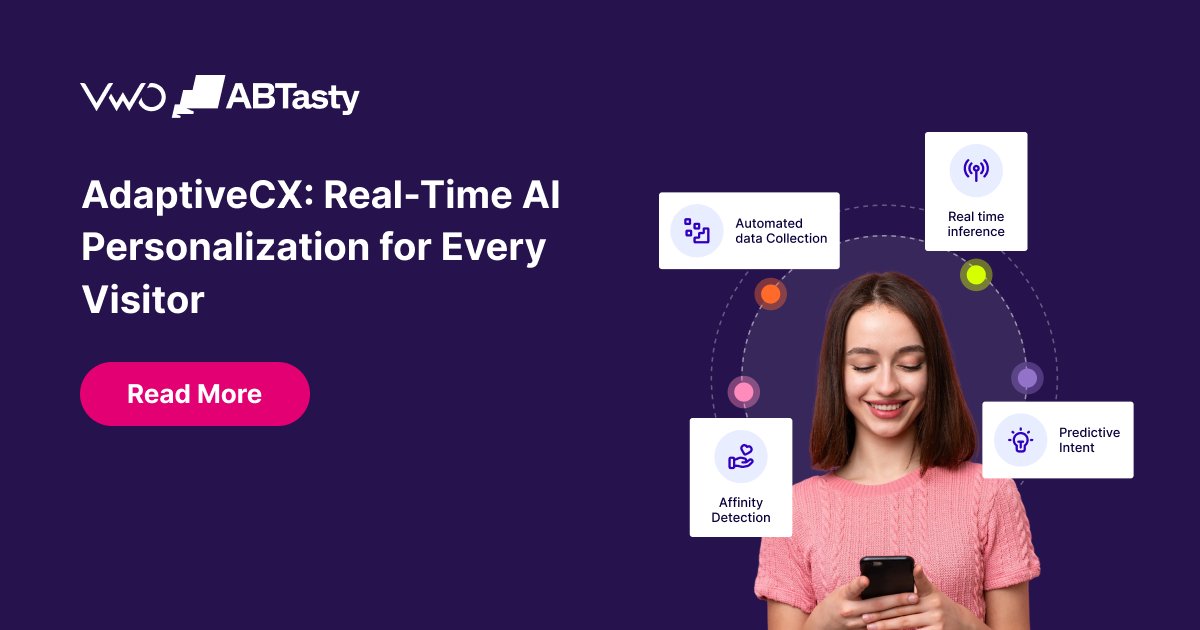
To bridge this divide, AdaptiveCX has emerged as a critical technological intervention, allowing brands to act on behavioral signals in real time rather than waiting for a visitor to become a "known" entity. By leveraging in-session behavior to predict intent, the platform adapts the user experience while the visitor is still engaged. This evolution from identity-based personalization to intent-based personalization represents a paradigm shift for mid-market and enterprise e-commerce businesses that have historically struggled to monetize anonymous traffic.
The Crisis of the "Known Minority" and the Limits of Static Personalization
For many modern retailers, analytics tools provide a wealth of "what" but very little "why." While metrics such as bounce rates, traffic sources, and session durations are easily tracked, they offer a flat perspective of the consumer. Most e-commerce brands know significantly less about their visitors than they believe. A large portion of global web traffic consists of anonymous users—those who are not logged in, are browsing in private modes, or are first-time visitors. Traditional personalization systems, which are built to serve the known minority through CRM data and purchase history, often fail these users by delivering a generic, "one-size-fits-all" experience.
The historical reliance on static personalization has reached a point of diminishing returns. Many brands still operate on rule-based systems, such as showing specific banners to users coming from Instagram or offering discounts to visitors in specific geographic regions. While these rules provide a baseline level of relevance, they are inherently rigid. They assume that past behavior or broad demographics are sufficient to predict immediate desire.
However, consumer intent is highly fluid. A shopper in New York might be searching for a gift to be delivered in Florida, or a customer who spent the previous week looking at winter coats may suddenly shift their focus to swimwear for an upcoming vacation. When a website cannot respond to these live behavioral pivots, the resulting experience feels mistimed or irrelevant, creating friction that ultimately erodes conversion rates and revenue per visitor (RPV).
The Mechanics of Real-Time Intent Prediction
AdaptiveCX operates on a continuous, three-step cycle of signal capture, intent prediction, and experience activation. This process occurs within milliseconds, ensuring that the website evolves at the same speed as the user’s thought process.
Phase 1: Capturing Non-PII Behavioral Signals
The platform begins by collecting non-personally identifiable information (non-PII) as the visitor interacts with the site. This includes granular data points such as:
- Navigation Patterns: Which categories are being explored and in what order?
- Engagement Depth: How far is the user scrolling? Where are they hesitating?
- Interaction Heuristics: What are they clicking, ignoring, or hovering over?
- Search Context: What specific terms are being used and how do they relate to previous browsing?
Phase 2: Predictive Modeling
Once these signals are captured, AdaptiveCX utilizes machine learning models to infer intent. Unlike traditional AI that requires months of training on historical datasets, this system focuses on the "now." It can predict within a single session whether a visitor is a "high-intent buyer," a "price-sensitive comparison shopper," or a "frustrated browser" who is struggling to find a specific size or color.
Phase 3: Immediate Activation
The final phase is the delivery of the experience. Because the system is built on a SaaS, no-code architecture, it can trigger changes to the website interface instantly. This might include reordering a homepage carousel, surfacing an "out-of-stock" recovery recommendation, or presenting a targeted incentive to a user who is showing signs of cart abandonment.
Strategic Use Cases and Industry Benchmarks
The application of AdaptiveCX across the customer journey has yielded measurable improvements in key performance indicators (KPIs). By moving away from a "black box" AI approach and toward transparent decisioning, marketing teams can see exactly which signals influenced a prediction, allowing for a blend of machine intelligence and human strategy.
1. Dynamic Homepage Optimization
Traditional homepage carousels are often criticized for their low engagement rates, as the most relevant content is frequently buried in the fifth or sixth slide. AdaptiveCX addresses this by reordering carousel content based on live signals. If a visitor shows a sudden interest in seasonal apparel, the platform can automatically move seasonal promotions to the first position.
- Case Study Insight: Colony Brands utilized this approach to transition from static displays to adaptive prediction. The result was a 55% increase in visibility for key merchandise and a significant boost in category-specific engagement.
2. Out-of-Stock Recovery
One of the most significant friction points in e-commerce is the "dead end" created when a visitor finds a product they want, only to discover it is out of stock in their size or color. AdaptiveCX detects these moments and immediately recommends alternatives based on the user’s current browsing context.
- Data Impact: Industry data indicates that users exposed to adaptive recovery experiences generate 1.5 to 2 times more follow-up orders compared to those who encounter a standard "out of stock" message.
3. Margin-Conscious Incentives
Many brands suffer from "margin erosion" by offering site-wide discounts to all new visitors, including those who would have purchased at full price. AdaptiveCX allows for intelligent incentives, where discounts are only triggered for visitors who show high intent but are demonstrating price sensitivity or hesitation.
- Case Study Insight: Global retailer Abercrombie & Fitch utilized this technology to identify high-quality visitors most likely to return and spend. By targeting incentives rather than using a blanket approach, they achieved a 2.5x increase in return visits and a 20% increase in revenue from their mobile app promotion campaigns.
4. Adaptive Search States
Search is a high-intent area, yet many "empty" search bars provide generic recommendations. AdaptiveCX personalizes the search state before a user even types a character, suggesting categories or products based on the items the visitor was just viewing.
- Performance Metric: Implementing adaptive search logic typically drives a 10% to 15% lift in conversion rates following a search query.
The Business Value of Intent-Based Architecture
The transition to real-time personalization is not merely a technical upgrade; it is a strategic necessity in a privacy-conscious market. With the ongoing phase-out of third-party cookies and the increasing regulation of user data, brands must find ways to provide relevance without relying on invasive tracking.
AdaptiveCX is built on a privacy-first model that focuses on first-party, in-session behavior. Because it does not require personally identifiable information to make its predictions, it remains compliant with global privacy standards while still delivering the high-touch experiences that modern consumers expect.
Core KPIs for Evaluation
To measure the success of an adaptive strategy, organizations are encouraged to look beyond simple click-through rates and focus on incremental growth:
- Conversion Rate: Adaptive audiences typically see a lift of approximately 10% as the site becomes more intuitive to their immediate needs.
- Revenue Per Visitor (RPV): By combining higher conversion with smarter product recommendations, brands often see RPV growth of 15% or more.
- Retention and Loyalty: A relevant first experience is a powerful predictor of future behavior. Users who interact with adaptive experiences are up to 2.5 times more likely to return to the site.
- Margin Preservation: By reserving discounts for those who truly need them to convert, brands can protect their bottom line while still hitting sales targets.
Implementation Chronology and Scalability
A major hurdle for personalization programs has historically been the "technical debt" and long lead times associated with implementation. AdaptiveCX is designed for rapid deployment, often taking teams from initial setup to live experiences in a matter of days.
- Tag Integration: The process begins with the placement of a single tag on the site, similar to an analytics or tracking pixel.
- Signal Mapping: The system automatically begins identifying "events" and "signals" across the site, such as product views and scroll depths.
- Strategy Configuration: Marketing teams use a no-code interface to define the parameters of their adaptive experiences, such as setting the thresholds for when an incentive should be triggered.
- A/B Testing and Refinement: Using control groups, teams measure the incremental lift of the AI-driven experiences against the standard site experience to ensure maximum ROI.
The platform is engineered to scale, handling the massive traffic surges associated with Black Friday, Cyber Monday, and other seasonal peaks without requiring additional infrastructure management from the brand.
Conclusion: The Future of the Digital Journey
The era of static, one-size-fits-all e-commerce is rapidly coming to a close. As consumers become more sophisticated and privacy regulations more stringent, the ability to interpret and act on "in-the-moment" intent will become the primary differentiator between market leaders and those left behind.
AdaptiveCX offers a path forward that respects user privacy while maximizing the value of every session—whether the visitor is a loyal customer or a first-time anonymous browser. By shifting the focus from who the customer was to what the customer wants right now, brands can finally bridge the gap in the digital journey, turning anonymous signals into meaningful growth and a superior customer experience. For organizations already utilizing experimentation and optimization frameworks, real-time adaptive personalization is the natural next step in the evolution of the modern retail tech stack.

 Siti Muinah
 Nana
Nana