rifanmuazin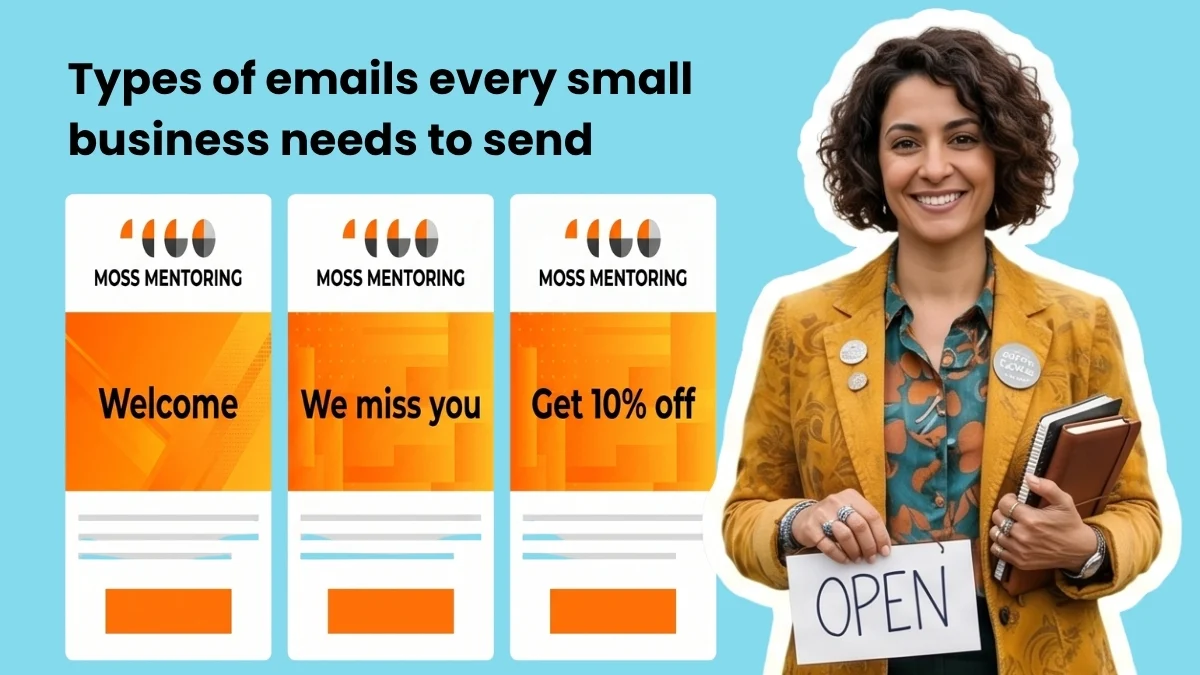
For too long, many businesses, particularly small and medium-sized enterprises (SMEs), have approached email marketing as a mere megaphone—a channel for broadcasting sales announcements or generic newsletters. This simplistic strategy, however, is increasingly leaving significant revenue opportunities untapped and hindering the cultivation of robust customer relationships. Recent research underscores a critical disparity: while email remains a cornerstone of digital communication, a substantial portion of businesses fail to leverage its full potential, with only 60% of small business owners reporting their email strategy as effective, according to a 2020 AWeber study involving over 1,200 participants. The key differentiator for the successful minority is not merely superior subject lines, but a sophisticated, multi-faceted approach involving diverse email types, each meticulously designed to fulfill a specific objective at a precise moment in the customer journey.
The era of one-size-fits-all email blasts is definitively over. Modern consumers expect personalized, timely, and relevant communications. A welcome email capitalizes on a new subscriber’s immediate interest, an abandoned cart email intervenes at a crucial point of purchase hesitation, and a re-engagement email proactively addresses subscriber inactivity to maintain list health. These critical interactions extend far beyond the scope of a solitary newsletter, collectively forming an integrated email ecosystem that drives revenue, fosters engagement, and builds a loyal audience that doesn’t require constant re-acquisition efforts.
The Evolution of Email Marketing: From Broadcasts to Bespoke Engagement
Email marketing has undergone a profound transformation since its inception. What began in the late 1970s with rudimentary bulk messages has evolved into a highly sophisticated digital discipline. The early 2000s saw the rise of newsletters and promotional blasts, often characterized by a high volume and low personalization. However, as inboxes became increasingly cluttered and consumer expectations for relevance grew, the limitations of this "spray and pray" approach became evident. The advent of marketing automation platforms and advanced analytics in the past decade revolutionized the field, enabling businesses to segment audiences, trigger automated sequences based on behavior, and personalize content at scale.
This evolution was also significantly influenced by shifts in consumer behavior and regulatory landscapes. The proliferation of mobile devices made email accessible anytime, anywhere, increasing the immediacy of communication but also raising the bar for conciseness and mobile-friendliness. Concurrently, data privacy regulations like the General Data Protection Regulation (GDPR) in Europe and the California Consumer Privacy Act (CCPA) in the United States emphasized the importance of consent, transparency, and data protection. These regulations forced marketers to prioritize explicit permission and deliver genuine value, making list quality and engagement paramount for maintaining deliverability and avoiding spam filters. Against this backdrop, a strategic, multi-email type approach is not merely a best practice; it is an imperative for sustainable email marketing success.
The Foundational Pillars: Essential Email Types for Business Growth
To construct an effective email marketing ecosystem, businesses must deploy a range of email types, each serving a distinct purpose throughout the customer lifecycle.
Welcome Emails: The Critical First Impression
What it is: A welcome email is the initial message a new subscriber receives immediately after opting into a mailing list. It is invariably automated, triggering the moment someone subscribes.
Why it matters for your business: This inaugural communication is arguably the most crucial. Welcome emails consistently boast exceptionally high engagement rates, often exceeding 50% open rates—two to three times higher than typical promotional emails. This heightened attention stems from the subscriber’s proactive decision to join the list; their interest is at its peak. Wasting this prime opportunity with a perfunctory "thanks for signing up" is a significant oversight. A compelling welcome email leverages this initial enthusiasm to set expectations, deliver immediate value, and begin building a relationship. Industry benchmarks often cite welcome email open rates between 50-80% and click-through rates (CTR) around 10-20%, far surpassing average campaign performance.
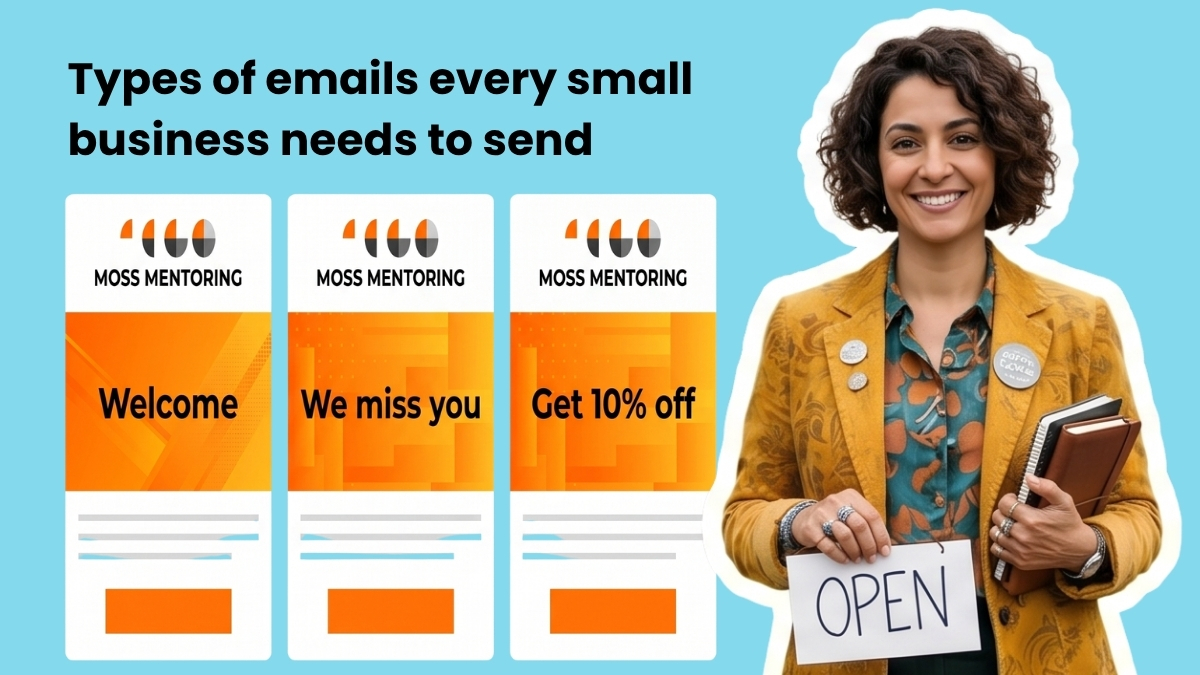
How to get results from it: To maximize impact, provide immediate utility. This could be a promised discount code, access to an exclusive piece of content, a free resource, or a clear outline of what future emails will entail. Crucially, invite a reply. This seemingly small action fosters genuine engagement and signals to email service providers that your messages are desired, positively impacting your sender reputation and deliverability. For enhanced results, a three-email welcome sequence consistently outperforms a single message. The first delivers on the initial promise, the second offers additional useful content or insight, and the third gently introduces a soft offer or call to action. By the third email, the subscriber has a clear understanding of your brand’s value proposition. Timeliness is paramount: send the first email within one hour of sign-up to capitalize on immediate interest.
Can you automate this? Absolutely. Welcome emails are prime candidates for full automation, triggering instantaneously upon subscription. Manual sending is inefficient and detrimental to capitalizing on peak subscriber interest.
Newsletters: Cultivating Consistent Connection
What it is: A newsletter is a regularly scheduled email designed to maintain an ongoing connection with your audience between specific campaigns. It can feature original content, curated resources, behind-the-scenes insights, or a blend of these, delivered on a consistent schedule.
Why it matters for your business: The newsletter acts as the engine of your email program, enhancing the effectiveness of all other email types. Subscribers who regularly engage with your newsletter are demonstrably more likely to open promotional emails, click on launch announcements, and ultimately make purchases. AWeber’s research indicates that 54% of small businesses send newsletters at least weekly, establishing a predictable cadence that trains subscribers on when and what to expect. This consistency builds trust and anticipation, transforming passive recipients into active participants in your brand narrative. Newsletters contribute significantly to brand recall and customer loyalty over the long term.
How to get results from it: The most successful newsletters are not necessarily those with the most elaborate designs, but those that offer a genuine, unique point of view. As Emmy Award-winning producer Paula Rizzo noted, "There are things that I only really share first with my newsletter. It’s that intimate thing." This exclusivity and personal perspective are the true value, not generic content readily available elsewhere. Focus on one primary topic per issue, starting with the core insight rather than an extended preamble. Write as if addressing a single individual, fostering a sense of intimacy. Adhering to a fixed publishing schedule—e.g., every Tuesday morning—reinforces predictability, which, in turn, earns subscriber loyalty.
Can you automate this? While many newsletters are manually curated to maintain a distinct human voice, partial automation is possible. For businesses regularly publishing blog posts or YouTube content, RSS-to-email automation can automatically send out the latest updates. AWeber’s Newsletter Assistant, an AI-powered tool, offers a hybrid solution, generating a draft newsletter in your brand’s voice that can be edited and sent, streamlining the creation process without sacrificing personalization.
Promotional Campaigns: Driving Direct Conversions with Precision
What it is: A promotional email announces a specific offer, sale, discount, or limited-time opportunity. Its primary objective is to drive a singular, measurable action before a defined deadline.
Why it matters for your business: When executed strategically, promotional emails are among the most direct drivers of revenue. However, if mishandled, they can quickly lead to subscriber fatigue and disengagement, training recipients to ignore your messages. The delicate balance lies in delivering genuine value through the offer while respecting subscriber attention. Over-reliance on constant, low-value promotions erodes trust and diminishes the perceived value of your brand.
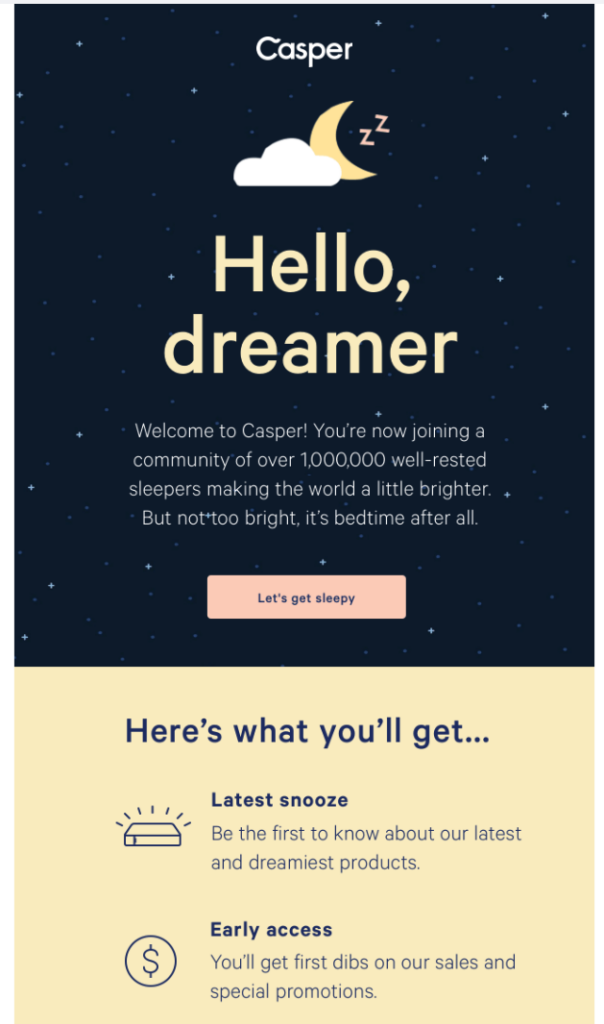
How to get results from it: Effective promotional emails are characterized by clarity and focus: one compelling offer, one clear deadline, and one unambiguous call to action. If the offer itself is strong, the email copy should be straightforward. If extensive justifications are required, the offer likely needs refinement before the email is drafted. Crucially, not all subscribers desire the same promotions. Employing tags and segmentation to deliver relevant offers to specific audience segments significantly outperforms mass sends. For instance, a subscriber who has previously engaged with hiking gear content is a far more suitable target for a trail shoe promotion than someone who primarily interacts with casual footwear emails. Limit promotional emails to a handful per month to preserve trust and prevent list burnout.
Can you automate this? Generally, promotional emails are manually timed to align with specific campaigns, inventory levels, or seasonal events. However, a post-signup promotional offer, such as a welcome discount, can and should be automated as part of a welcome sequence. This leverages immediate interest with a direct conversion incentive.
Optimizing the Customer Journey: Automated and Targeted Communications
Beyond the foundational email types, strategically deployed automated emails address specific customer behaviors, transforming potential losses into conversions and strengthening loyalty.
Abandoned Cart Emails: Reclaiming Lost Revenue
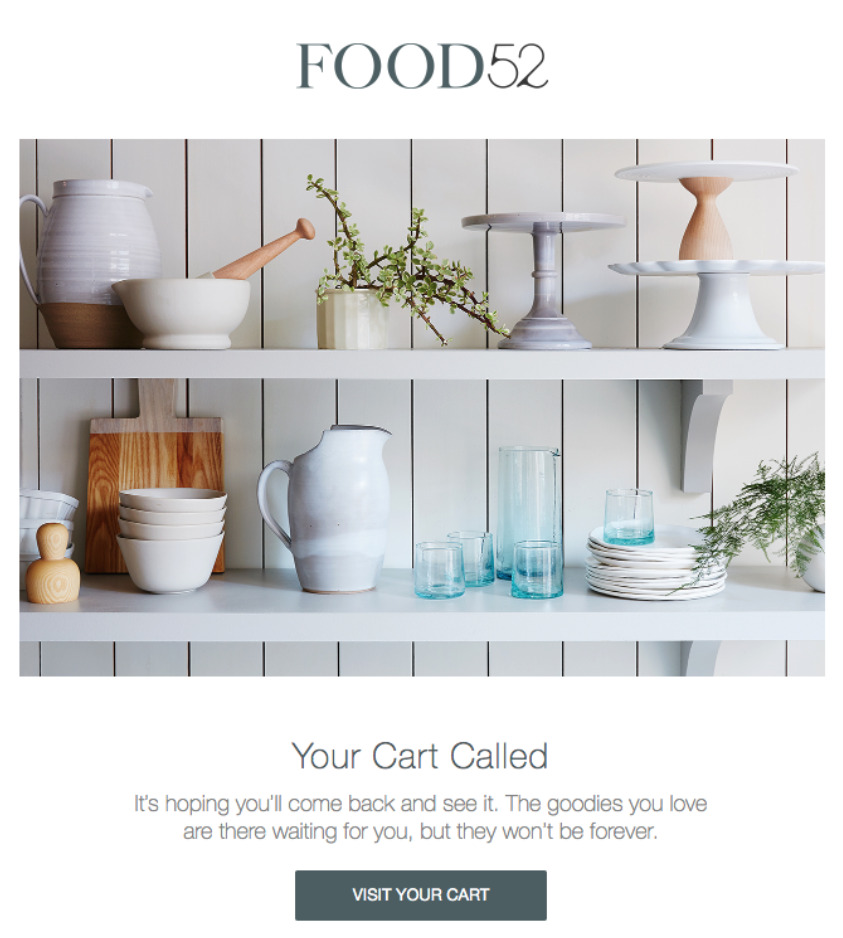
What it is: An abandoned cart email is an automated message sent to a customer who has added items to their online shopping cart but exited the website without completing the purchase. This email is triggered by the specific action of cart abandonment.
Why it matters for your business: A staggering statistic reveals that roughly seven out of ten online shoppers abandon their carts before checkout. This represents not a lost sale, but a paused one—a moment of hesitation often driven by price concerns, distractions, or lingering doubts. Abandoned cart emails are designed to re-engage these customers, addressing their potential objections and guiding them back to complete their purchase. For any business selling products online, this is one of the highest-return automation sequences possible, with studies showing recovery rates ranging from 10% to 30% of abandoned carts, directly impacting the bottom line.
How to get results from it: While a single reminder can recover some revenue, a thoughtfully designed sequence of three emails typically yields significantly higher returns. The first email, sent within one to two hours, should be a gentle reminder featuring the product image, without an immediate discount. Many abandonments are simply due to distraction. The second email, sent around 24 hours later, should address common objections, perhaps by highlighting free shipping, a flexible return policy, or a positive customer review. Reserve a discount or special offer for the third email, sent at 72 hours, to provide a final incentive. The most effective abandoned cart emails frame the interaction as a helpful conversation, understanding the customer’s pause and offering solutions, rather than a relentless chase.
Can you automate this? Absolutely. This is a prime candidate for full automation. Integrating your email service provider (e.g., AWeber) with your e-commerce platform (e.g., WooCommerce) allows for seamless triggering of these sequences based on cart abandonment events.
Re-engagement Campaigns: Nurturing a Healthy Subscriber List
What it is: A re-engagement email campaign targets subscribers who have become inactive, typically defined as six months without opening or clicking any emails. It directly asks whether they wish to continue receiving communications.
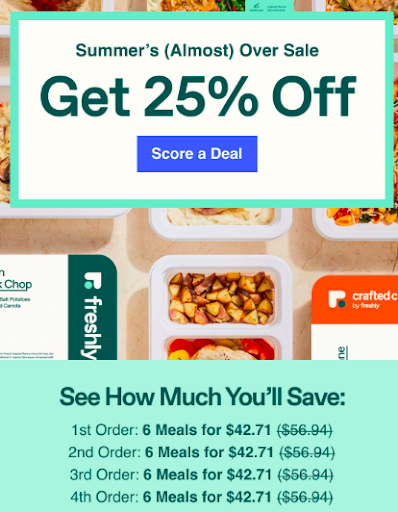
Why it matters for your business: Every email list naturally accumulates inactive subscribers. If left unaddressed, these "cold" subscribers can significantly harm your overall email deliverability. Low open rates from a segment of your list signal to internet service providers (ISPs) that your emails are not valuable, potentially causing all your messages, even to engaged subscribers, to land in spam folders. A re-engagement sequence protects your sender reputation, preventing widespread deliverability issues. Furthermore, a smaller, actively engaged list consistently outperforms a large, disengaged one in terms of actual conversions and ROI.
How to get results from it: Directness and honesty are key. A message like, "We haven’t heard from you in a while and don’t want to clutter your inbox if you’ve moved on," resonates more effectively than manufactured urgency. Offer two clear options: an easy way to stay subscribed (perhaps by clicking a link to update preferences or receive a special offer) or a simple unsubscribe link. Subscribers who choose to re-engage are often among your most valuable, as they have deliberately opted back in. Those who do not respond should be removed from your active list, which will almost immediately improve your open rates and sender reputation.
Can you automate this? Yes. Set the trigger within your email platform based on a defined period of inactivity (e.g., six months without opens or clicks). The re-engagement sequence then runs automatically for qualifying subscribers.
Transactional Emails: Essential Information, Strategic Opportunities
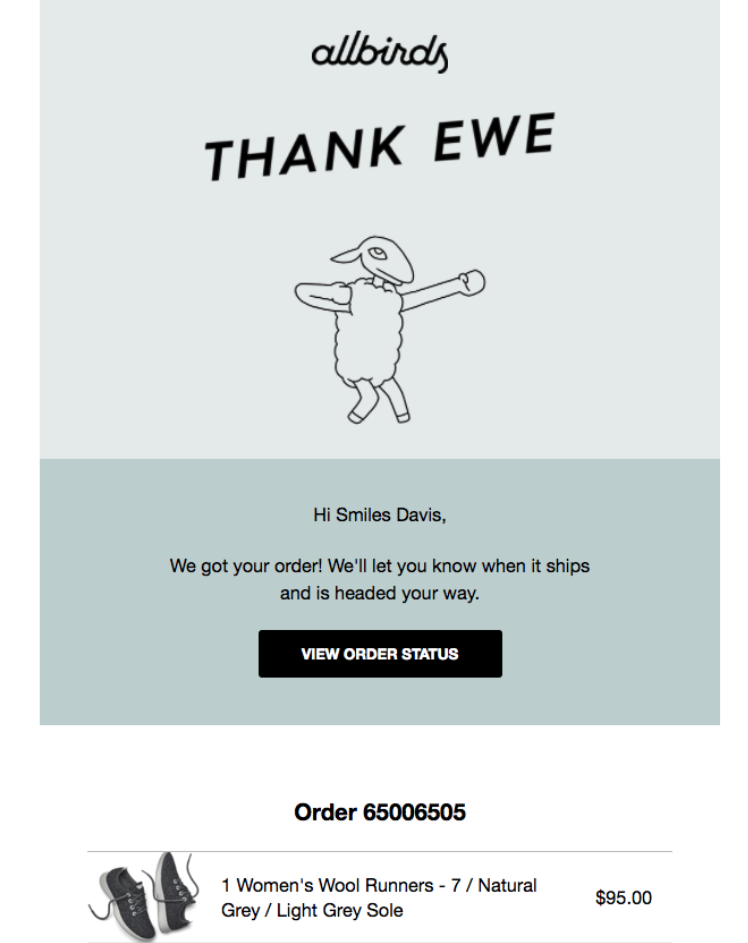
What it is: Transactional emails are automated messages triggered by a specific customer action, such as a purchase, booking confirmation, password reset, or account creation. Their primary purpose is to deliver essential, requested information, not unsolicited marketing.
Why it matters for your business: Transactional emails achieve exceptionally high open rates, often surpassing 70-80%, because customers are actively anticipating and searching for them the moment they arrive. These emails fulfill a critical functional need and are therefore highly valued by recipients. This inherent trust and high engagement present a unique, subtle opportunity for brand reinforcement and gentle upselling/cross-selling.
How to get results from it: Prioritize the core information the customer needs: confirmation details, next steps, and clear instructions on how to get support. Once the functional content is delivered, strategically add one relevant, concise element below it. This could be a personalized product recommendation based on their purchase, a note reinforcing their buying decision, an invitation to join your community, or a link to a useful resource. Keep this additional content brief and unobtrusive; the transaction remains the headline. This approach leverages a moment of high positive engagement to subtly deepen the customer relationship.
Can you automate this? Yes. Transactional emails are always triggered by specific customer actions and are never sent manually. Integration with your e-commerce, CRM, or booking platforms is essential for seamless automation.
Advanced Strategies for Deeper Engagement and Conversion
Beyond the core operational emails, several specialized sequences can further enhance engagement and drive specific business outcomes.
Lead Magnet Follow-up Sequences: From Interest to Action
What it is: A lead magnet follow-up is an automated email sequence initiated when someone signs up to receive a free resource (a "lead magnet") from your business. It delivers the promised asset and then builds on that initial interaction over a short series of subsequent emails.
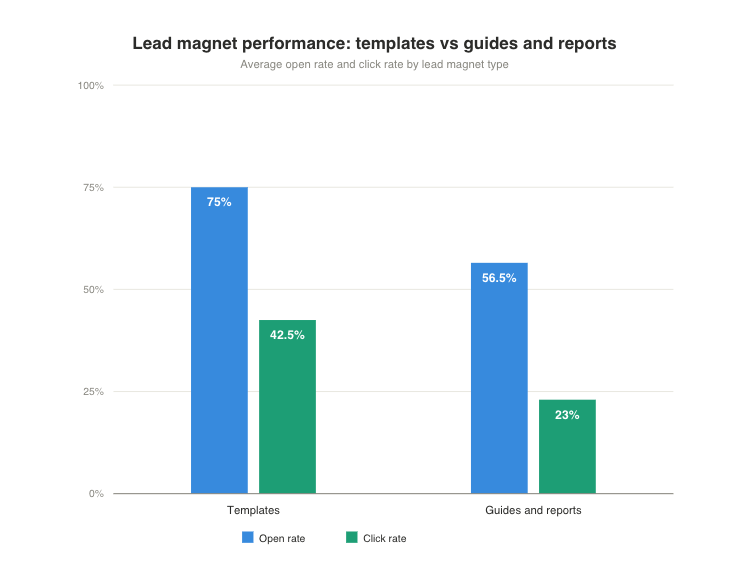
Why it matters for your business: Lead magnets serve a dual purpose: they are powerful tools for list growth and, if followed up effectively, can provide invaluable insights into each new subscriber’s specific interests. This understanding allows for highly targeted future communications. AWeber’s analysis of over 42,000 lead magnet follow-up emails revealed that lead magnets offering immediately actionable tools, such as templates, significantly outperform those providing informational guides or reports. Template-based lead magnets achieved an average 75% open rate and 42.5% click rate on the delivery email, compared to 56.5% open rate and 23% click rate for guides and reports. This data underscores the power of immediate utility in driving engagement.
How to get results from it: The first email, containing the lead magnet, should be delivered immediately upon sign-up. This should be followed by two to four additional emails over the subsequent two weeks. Each follow-up email should provide supplementary valuable content directly related to the initial lead magnet, deepening the subscriber’s understanding or offering further practical application. This sequence nurtures the lead, establishes your expertise, and gradually moves them closer to a purchase decision.
Can you automate this? Yes. The entire lead magnet follow-up sequence should be automated, triggering automatically when a subscriber submits the lead magnet sign-up form.
Product Launch Sequences: Building Anticipation and Maximizing Impact
What it is: A product launch sequence is a series of emails designed to introduce a new product, service, or course to your audience, both before and after its official release.
Why it matters for your business: While a single announcement email can work, a well-orchestrated launch sequence is far more effective. It strategically builds anticipation and curiosity in the days leading up to the launch, delivers a comprehensive overview on launch day, and then provides follow-up communications to capture those who may have missed the initial announcement or require further prompting. When introducing a significant new offering, a multi-email sequence consistently outperforms a one-shot send in terms of engagement and conversion rates.
How to get results from it: Each email within the sequence should have a clear, distinct purpose. A teaser email builds curiosity without revealing all details. The launch email should succinctly answer the critical question for the reader: "Why does this matter to me right now?" focusing on benefits rather than just features. A "last chance" or "closing soon" email can create a sense of urgency without being artificially manipulative. A powerful strategy is to offer email subscribers early access (e.g., a 24-hour head start) before a public announcement. This exclusive privilege costs nothing but generates significant goodwill and rewards the loyalty of your email list.
Can you automate this? This is a hybrid scenario. You can pre-schedule each email in the sequence to send at specific times. Elements like a triggered "last chance" email for non-openers can be automated. However, the strategic writing, timing decisions, and overall messaging strategy typically require human oversight and judgment.
Birthday and Milestone Emails: Personal Touches for Lasting Loyalty
What it is: A birthday or milestone email is an automated message sent on a date of personal significance to your subscriber, such as their birthday, subscription anniversary, or another trackable milestone.
Why it matters for your business: Unlike generic broadcasts, a birthday or anniversary email feels like a personalized message sent directly to an individual. This shift in perception dramatically boosts open and click rates. Acknowledging a subscriber’s longevity on your list—their consistent choice to stay through numerous unsubscribe opportunities—builds profound loyalty that positively influences their engagement with all subsequent emails. These emails foster a sense of being valued and recognized, strengthening the emotional connection to your brand.
How to get results from it: Pair the personalized message with a tangible gesture: a special discount, early access to a new product, or an exclusive piece of content. An empty "Happy Birthday" email feels generic and automated. One accompanied by a genuine offer transforms it into a meaningful interaction that reinforces the relationship. To implement this, collect the necessary data (e.g., birthdate, sign-up date) via your sign-up form or through a dedicated preferences update email sent to your existing list.
Can you automate this? Yes. These emails are ideal for full automation. Once the date field is stored in the subscriber record, the email can be set to trigger automatically each year, requiring a one-time setup.
Implementation and Best Practices for Small Businesses
For small businesses with limited resources, the prospect of implementing such a diverse email strategy might seem daunting. However, a phased approach can yield significant results.
Where to Start: Begin with the foundational, highest-impact email types:
- Welcome Email: This is non-negotiable for capturing immediate interest and setting the stage for future engagement.
- Newsletter: Establish a consistent publishing schedule to build rapport and train your audience to expect your communications.
- Promotional Emails: Deploy judiciously when you have genuine value to offer, focusing on segmentation.
Once these foundational elements are operational and generating results, gradually layer in other automations:
- Re-engagement Sequence: Essential for maintaining list health and deliverability.
- Abandoned Cart Sequence: A significant revenue recovery tool for e-commerce businesses.
- Then, as your business matures and your list grows, incorporate Lead Magnet Follow-ups, Product Launch sequences, and Birthday/Milestone emails to further deepen engagement and optimize conversions.
The Role of Automation vs. Broadcast: Both automated and broadcast emails are indispensable. Automated emails handle individual, trigger-based moments in the customer relationship (e.g., welcome, abandoned cart, transactional), providing timely and relevant responses without manual intervention. Broadcast emails (e.g., newsletters, specific promotional campaigns) build the ongoing, human connection, delivering broader value and direct offers on a chosen schedule. A truly effective email strategy seamlessly integrates both.
Frequency and Consistency: For newsletters, weekly or bi-weekly schedules generally work well for most businesses, establishing a predictable rhythm. Promotional emails should be limited to one or two per week at most to avoid subscriber fatigue and protect engagement rates. Automated emails, by their nature, are sent based on subscriber behavior, meaning their frequency is determined by individual actions, not a calendar. The overarching principle is consistency: setting clear expectations for your subscribers and consistently meeting them is more important than any specific frequency.
Segmentation and Personalization: The ability to segment your audience based on demographics, interests, past behavior, or purchase history is paramount. Delivering highly personalized content and offers dramatically increases engagement, open rates, and conversion rates, moving away from the "megaphone" approach to truly relevant one-to-one communication.
Broader Implications and Future Outlook
The strategic deployment of diverse email types is not merely a tactical advantage; it represents a fundamental shift in how businesses approach customer relationship management in the digital age. This multi-faceted approach transforms email from a simple communication channel into a dynamic, personalized customer journey engine.
For Businesses: Adopting this strategy allows small businesses to compete more effectively with larger enterprises by building deeper, more authentic relationships with their audience. It leads to improved customer lifetime value (CLV), reduced customer acquisition costs (CAC) through better retention, and a more resilient brand presence. By focusing on engagement and delivering value at every touchpoint, businesses can cultivate a loyal customer base that actively champions their brand.
For the Email Marketing Industry: The demand for sophisticated, yet intuitive, email marketing platforms continues to grow. Providers like AWeber are responding by integrating advanced automation, AI-driven content assistance (like the Newsletter Assistant), and robust analytics tools to empower businesses of all sizes to implement these complex strategies efficiently. The future will likely see further advancements in hyper-personalization, predictive analytics, and even more seamless integrations with other marketing and sales tools.
Enduring Power of Email: Despite the rise of social media and other communication channels, email remains one of the most powerful and reliable marketing tools. Its direct, permission-based nature offers unparalleled reach and the ability to control the message and relationship. As the digital landscape continues to evolve, the businesses that master the art of strategic, diverse email communication will be best positioned for sustained growth and success. The shift from treating email as a megaphone to cultivating a comprehensive email ecosystem is no longer an option but a strategic imperative for any business aiming to thrive in the modern economy.