rifanmuazin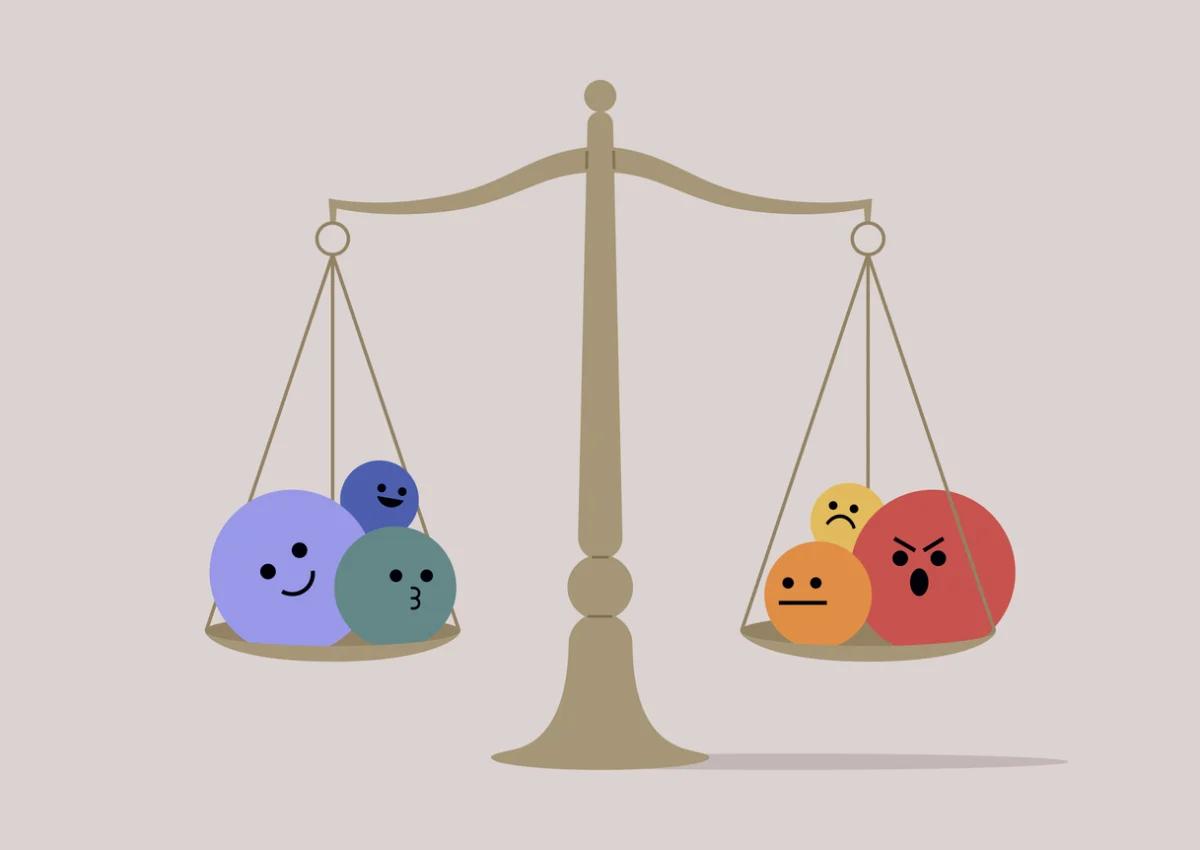
The landscape of corporate communications is undergoing a fundamental transformation as organizations move away from the vocal activism of the early 2020s toward a strategy of calculated restraint. According to the USC Annenberg 2026 Global Communication Report, a "quiet shift" is currently redefining how brands interact with the public, driven by an environment where political polarization and the threat of online backlash have reached unprecedented levels. The report indicates that 81% of public relations professionals and 69% of the general public perceive polarization as being at an all-time high, forcing leadership teams to prioritize risk mitigation over social commentary. This trend represents a departure from the "brand purpose" era, as companies increasingly find that the rewards of taking a stand are frequently outweighed by the risks of alienation, litigation, and reputational damage.
The Evolution of Corporate Advocacy: A Chronology of Change
To understand the current "quiet shift," it is essential to trace the trajectory of corporate communications over the last decade. The shift from silence to activism, and back again, followed a distinct chronological path influenced by broader societal movements.
Between 2015 and 2019, the concept of Corporate Social Responsibility (CSR) evolved into "brand activism." Companies began to realize that younger demographics, particularly Millennials and Gen Z, preferred to purchase from brands that aligned with their personal values. During this period, statements on environmental sustainability and workplace diversity became standard.
The year 2020 served as a major inflection point. Following the murder of George Floyd and the subsequent global focus on racial justice, thousands of corporations issued public statements, pledged financial support to social causes, and promised internal structural changes. This era was characterized by high-volume communication and a sense of moral obligation to participate in the cultural zeitgeist. For many organizations, the expectation was that silence would be interpreted as complicity.
However, by 2022 and 2023, the tide began to turn. The emergence of intense "anti-woke" sentiment and high-profile boycotts—most notably affecting brands in the retail and beverage industries—demonstrated that taking a stance on social issues could lead to significant financial loss and plummeting stock prices. This period introduced the concept of "greenhushing" and "equity-hushing," where companies continued their internal social and environmental work but stopped promoting it publicly to avoid becoming targets in the "culture wars."
By 2025 and heading into 2026, the "quiet shift" has become the dominant strategy. As noted by Fred Cook, director at the USC Annenberg Center for Public Relations, organizations are now prioritizing business alignment and legal vetting over the storytelling-driven activism that defined the previous half-decade.
Data-Driven Caution: The Metrics of Polarization
The USC Annenberg report provides a quantitative look at why communicators are pulling back. The consensus among industry experts is that the environment has become too volatile for traditional PR tactics. The report highlights a growing gap between the public’s desire for brand authenticity and the corporate world’s ability to provide it without incurring risk.
Key data points from the study include:
- Perception of Polarization: 81% of PR professionals believe polarization is "extremely high," a sentiment shared by nearly 70% of the general public.
- The Multiplier Effect: Social media is cited as the primary catalyst for this environment. Algorithmic amplification ensures that fringe or extremist viewpoints gain disproportionate visibility, creating the illusion of a massive consensus against a brand even when the backlash originates from a small, vocal minority.
- Vetting Procedures: There has been a significant increase in the involvement of legal and executive leadership in the drafting of routine communications. Messages that previously would have been handled by mid-level social media managers now undergo multi-departmental review.
- Internal Pressure: Communicators report feeling the effects of polarization more intensely than the general public because they are on the front lines of digital fallout. This "sensitization" has led to a proactive avoidance of any topic deemed "divisive."
The Mechanics of the Quiet Shift: Vetting and Legal Restraint
The practical reality of this shift is visible in the daily operations of modern communications departments. The report describes a scenario that has become common: a communications team drafts a statement regarding a current event, only for it to be stalled by legal reviews and executive hesitation. Leadership teams often monitor social media trends in real-time, looking for "warning signs" from other brands that have attempted to speak out.
Fred Cook suggests that this is leading to a move away from narrative-driven PR toward "business-oriented communications." Instead of discussing social equity or political reform, companies are returning to their core functions: product quality, financial performance, and operational efficiency. This "transactional" approach is seen as a safe harbor in a storm of public opinion.
However, this reliance on legal and executive caution creates a "default to silence." Catharine Montgomery, CEO and founder of The Better Together Agency, notes that many organizations—particularly nonprofits and smaller firms—lack the governance structures to make quick, informed decisions. Without a clear framework for when to respond and when to remain silent, these organizations often choose silence by default, which can be just as damaging to their long-term reputation as a poorly timed statement.
Strategic Risks: The Perils of Total Silence
While silence may offer short-term protection from boycotts, experts warn that it carries long-term risks. The USC Annenberg report suggests that total withdrawal from social discourse could lead to a loss of connection with both employees and customers.
Authenticity remains a high-value currency in the marketplace. When a brand’s messaging becomes overly sanitized or purely transactional, it risks losing its "soul" or its sense of purpose. For employees, particularly those in younger generations, a company’s values are a primary driver of retention and engagement. If a company becomes "obsolete" in the cultural conversation, it may find it difficult to recruit talent or maintain brand loyalty.
Montgomery emphasizes that silence is not a permanent solution. "If you’re not prepared, you’re going to be silent, but eventually you’re going to be obsolete too," she noted. The challenge for modern PR is finding the "middle path"—a way to remain relevant and mission-driven without becoming a lightning rod for political controversy.
Case Studies in Consistency: Patagonia and McDonald’s
The organizations that are successfully navigating this polarized era are those that speak from a position of established credibility rather than reacting to the headlines of the day. The report highlights Patagonia and McDonald’s as two distinct examples of how to maintain a public voice through consistency.
Patagonia has built its entire brand identity around environmental activism. Because its advocacy is deeply integrated into its business model and has been consistent for decades, its statements are viewed as authentic rather than performative. It does not react to every social trend; it focuses exclusively on its mission of sustainability.
Conversely, McDonald’s utilizes its long-running Ronald McDonald House Charities to demonstrate social value. By focusing on a specific, non-partisan charitable cause that aligns with its family-oriented business model, the company maintains a positive public presence without entering the fray of divisive social issues.
These examples suggest that the key to surviving polarization is "mission alignment." Brands that stay within their area of expertise and stick to long-term values are less likely to face the "retribution" that Cook warns about.
Analysis of Implications: The Changing Role of the PR Professional
The "quiet shift" does not mean that public relations is becoming less important; rather, it means the role is becoming more complex. The modern PR professional is no longer just a storyteller or a media relations specialist; they are now risk managers, cultural navigators, and internal consultants.
The job now requires high-level judgment over high-volume output. Communicators must be able to analyze the political landscape, predict regulatory blowback, and understand the nuances of stakeholder pressure from customers, employees, and activists simultaneously. This shift toward "strategic silence" or "calculated speech" requires a deeper understanding of data and a more sophisticated approach to governance.
To navigate this new reality, the report suggests three primary strategies for communicators:
- Establish Clear Governance: Organizations need internal frameworks that define which issues align with their mission and warrant a response.
- Prioritize Mission Over Trends: Brands should avoid "opportunistic activism" and only speak on issues where they have established credibility and a long-term commitment.
- Choose Wisdom Over Fear: While caution is necessary, defaulting to total silence out of fear can lead to brand erosion. Communicators must identify "safe spaces" for engagement that reinforce their core values without triggering unnecessary conflict.
Conclusion: A New Era of Corporate Restraint
The findings of the USC Annenberg 2026 Global Communication Report signal the end of an era of unbridled corporate activism. As the "quiet shift" takes hold, the industry is moving toward a more disciplined, business-centric model of communication. While this transition may protect companies from the immediate volatility of social media, the long-term challenge will be maintaining a sense of purpose in an increasingly fragmented world.
The future of PR lies in the ability to balance the need for safety with the necessity of connection. In a polarized world, the brands that thrive will not necessarily be the loudest, but those that are the most consistent, the most prepared, and the most closely aligned with their own foundational truths. Choosing when to speak—and, more importantly, when to remain silent—has become the most critical skill in the modern communicator’s toolkit.