rifanmuazin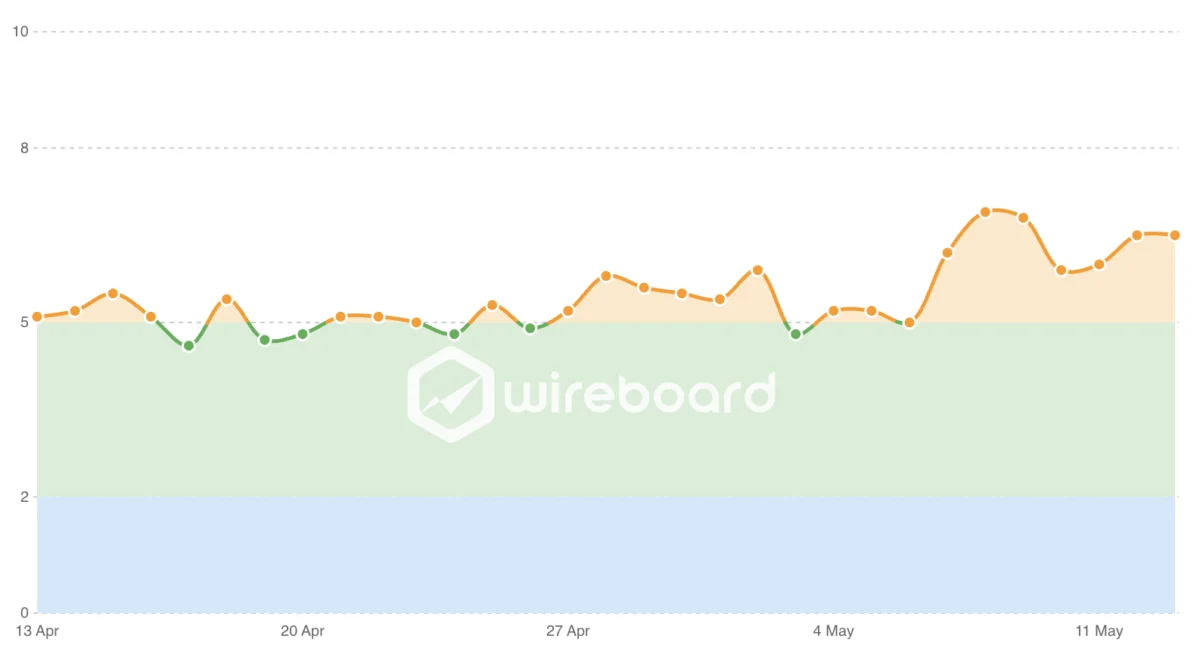
The digital landscape, particularly within the realm of search engine optimization (SEO), experienced significant turbulence on May 13th and 14th, as a substantial surge in Google search ranking volatility was widely observed. This unconfirmed yet potent shift has sent ripples through the SEO community, evidenced by a marked increase in online chatter and pronounced fluctuations reported by leading industry tracking tools. While Google typically reserves official confirmations for its larger, more comprehensively planned algorithm updates, the current movement suggests a notable, albeit undeclared, adjustment to its intricate ranking mechanisms.

Understanding Google’s Dynamic Algorithm Landscape
Google’s search algorithm is a colossal, constantly evolving system designed to deliver the most relevant and high-quality results to users. This system undergoes continuous refinement, with hundreds, if not thousands, of minor tweaks implemented annually. Most of these adjustments are imperceptible to the average user and are not publicly announced. However, occasionally, these smaller, unconfirmed updates can cause significant shifts in search engine results pages (SERPs), leading to the "volatility" that SEO professionals diligently track. These periods of heightened fluctuation can dramatically alter website visibility, traffic, and ultimately, online revenue for businesses worldwide.

The distinction between a "confirmed core update" and an "unconfirmed update" is crucial for webmasters. Core updates are broad changes to Google’s fundamental ranking systems, often announced in advance or shortly after rollout, providing a general understanding of their intent (e.g., improving overall quality or relevance). Unconfirmed updates, conversely, are typically smaller, more frequent adjustments that Google does not publicly acknowledge but are nevertheless detected by monitoring tools and felt by website owners through ranking changes. The current activity falls squarely into the latter category, leaving many to speculate on its precise nature and purpose.
A Recent Chronology of Google’s Algorithm Activity

The recent volatility on May 13th and 14th does not occur in a vacuum but follows a series of notable algorithm-related events that have kept the SEO community on high alert:
- March 2026 Core Update: This significant update commenced its rollout on March 27, 2026, and concluded on April 8, 2026. As a broad core update, it aimed to improve the overall quality of search results, often leading to substantial re-evaluations of content and site authority across the web. Many websites experienced considerable gains or losses during this period, the effects of which are still being analyzed and adapted to by webmasters.
- Persistent Deindexing Trend: Running concurrently with and even preceding recent ranking fluctuations, a concerning "deindexing trend" has been observed. This phenomenon involves a growing number of URLs, particularly those previously indexed, being marked as "Crawled – currently not indexed" in Google Search Console. This issue can severely impact a website’s visibility by removing its pages from Google’s index, effectively making them undiscoverable through search. The cause of this widespread deindexing remains unclear, adding another layer of complexity and uncertainty for website owners.
- Previous Unconfirmed Volatility Spikes: Before the current event, other unconfirmed periods of ranking volatility were noted, indicating a pattern of continuous adjustments:
- May 8th: A minor but noticeable spike in activity.
- April 27th and 28th: A more pronounced period of fluctuations.
- April 23rd: Another instance of elevated ranking movement.
This consistent stream of algorithm activity, both confirmed and unconfirmed, underscores Google’s relentless pursuit of refining its search results. However, for webmasters, it translates into a dynamic and often unpredictable environment requiring constant vigilance and adaptability.

Empirical Evidence: Insights from Leading SEO Tracking Tools
The unconfirmed nature of the May 13th and 14th volatility is strongly corroborated by a broad consensus among the industry’s most respected algorithm tracking tools. These platforms monitor vast datasets of keywords and websites, identifying statistical anomalies that indicate significant changes in search result rankings. The synchronized spikes across multiple tools provide compelling evidence of a widespread algorithm adjustment.

- Semrush Sensor: A widely respected tool, Semrush’s Sensor indicated elevated levels of volatility during the specified period. The Sensor measures SERP fluctuation on a scale, with higher numbers indicating more significant shifts. During May 13th and 14th, its readings showed a noticeable ascent, suggesting that numerous keywords were experiencing significant ranking changes across various industries.
- SimilarWeb: SimilarWeb’s SERP tracker, while often robust, presented an exceptionally dramatic spike in volatility. The magnitude of this particular reading was so pronounced that it prompted some speculation within the community regarding a potential data anomaly or bug, alongside genuine algorithm movement. Nevertheless, even accounting for possible technical quirks, the data pointed towards an unusual level of disruption.
- Advanced Web Rankings: This tool also displayed a clear upward trend in its volatility index, corroborating the observations from Semrush and others. Its charts graphically illustrated a departure from baseline stability, signaling an active period of algorithm adjustment.
- Sistrix: Known for its precise tracking, Sistrix reported "extreme fluctuations," echoing the sentiment of webmasters and providing concrete visual data to support the claims of a turbulent period. The magnitude of the Sistrix score during these days indicated a broad impact across various search niches.
- Wiredboard’s Aggregator of Tools: This platform, which compiles and visualizes data from several leading tracking tools, presented a consolidated view of the elevated activity. The aggregate chart showed a distinct upward curve, reinforcing the collective evidence of widespread volatility.
- Wincher: Wincher’s volatility index registered a significant increase, further validating the reports of widespread ranking shifts. Its data contributed to the growing picture of an active, unconfirmed update.
- Zutrix: Zutrix’s "Tension" metric, designed to identify algorithm movements, showed a pronounced spike, reflecting the heightened state of flux within Google’s rankings.
- Accuranker: Accuranker’s "Grump" index, which measures ranking turbulence, also indicated a substantial rise, confirming the community’s observations of a heated period.
- Mozcast: Often visualized as a "weather report" for Google’s algorithm, Mozcast displayed a "stormy" forecast, with its temperature gauge rising considerably, signifying major shifts in SERP stability.
- Data For SEO: This comprehensive data provider’s SERP Volatility Index likewise presented clear evidence of increased fluctuations, adding another data point to the mounting evidence.
- Algoroo: Algoroo, another popular tracker, showed its characteristic "roo" jumping higher than usual, a visual representation of the increased volatility detected.
- SERPstat: SERPstat’s "Search Engine Storm" tracker indicated stormy conditions, with its graphical representation of volatility showing a distinct peak during May 13th and 14th.
- Mangools: While Mangools’ tracker appeared to be experiencing technical difficulties or reporting anomalies ("looks broken") during this specific observation, the overwhelming consensus from other tools still painted a clear picture of heightened activity.
The collective testimony from these diverse and independent tracking tools provides robust empirical evidence that Google’s algorithm was indeed highly active on May 13th and 14th, leading to significant, widespread ranking volatility.
The Voice of the SEO Community: Chatter and Frustration

Beyond the cold, hard data of tracking tools, the most immediate and palpable evidence of an algorithm shift comes from the SEO community itself. Forums like WebmasterWorld and comment sections on industry blogs became hotbeds of discussion, reflecting a mix of frustration, confusion, and attempts to diagnose the ongoing changes.
- Chaotic Environment and Performance Impact: Many webmasters described the situation as "pretty chaotic." Reports of business performance being directly affected were common, with one user noting, "the store was practically at a standstill yesterday. Good traffic from Google, but zero sales." This highlights a critical implication: even if traffic levels don’t immediately plummet, the quality or conversion potential of that traffic can be severely impacted by ranking shifts that bring less relevant users or push quality content down. Another user lamented, "My website Discover traffic is dead totally. Like the March update. Goes to zero," pointing to a severe impact on non-traditional search traffic sources.
- Frustration with Frequent Updates: A recurring theme was the exasperation with the perceived frequency of Google updates. "This feels like the start of another ‘update.’ As said, there is way too many of them now.. I often feel like I’m wasting my precious hours per day editing and writing articles. Does any of it matter any more?" This sentiment captures the mental and resource drain on webmasters who constantly strive to adapt to an ever-shifting landscape. The feeling of effort being invalidated or rendered moot is a significant source of stress.
- Perceived Decline in SERP Quality: Several comments pointed to a perceived degradation in the quality of search results, particularly in specific geographical markets. "UK results are absolutely abysmal this week. The amount of spam and poor quality I’ve seen over the last 2-3 days is possibly the highest I remember." This suggests that some of the algorithm’s adjustments might have inadvertently allowed lower-quality content or spam to rank higher, or that the re-shuffling brought previously suppressed undesirable content to the forefront. The implications for user experience are clear, potentially leading to increased "heavy returns" as users struggle to find genuinely useful products or information.
- The Deindexing Conundrum Reaffirmed: The ongoing deindexing trend also surfaced in community discussions, underscoring its continued impact. While distinct from ranking volatility, the simultaneous occurrence of both phenomena adds to the overall sense of instability and uncertainty for webmasters.
- Chronological Confirmation: Several users confirmed the timing of the disruption, with comments like "Since yesterday morning (I mean 13th May here)" providing anecdotal evidence that aligned with the tool data.
Broader Impact and Strategic Implications

The heightened Google search ranking volatility on May 13th and 14th carries significant implications for various stakeholders within the digital ecosystem:
- For Website Owners and Businesses: Periods of high volatility necessitate rapid response and analysis. Businesses reliant on organic search traffic may experience sudden drops in visibility, leading to decreased website visitors, fewer leads, and reduced sales. This underscores the importance of diversifying traffic sources beyond solely relying on Google search. It also reinforces the need for robust analytics capabilities to quickly identify changes and adapt content or SEO strategies. The potential for "zero sales" despite traffic highlights that not all traffic is equal; algorithm shifts can alter the relevance and intent of users reaching a site.
- For SEO Professionals: These events are both challenging and critical. SEOs must act as diagnosticians, interpreting tool data, analyzing client performance, and communicating effectively with stakeholders. The constant need to adapt and refine strategies based on unconfirmed shifts demands deep expertise and continuous learning. It also fuels the ongoing debate about the efficacy of certain SEO tactics in an environment of perpetual change. The frustration expressed in forums ("wasting precious hours") is a direct reflection of the pressure to keep pace.
- For Content Creators: The emphasis on high-quality, relevant, and authoritative content remains paramount. However, even well-crafted content can be impacted by algorithm shifts. This volatility reinforces the need for content creators to focus on evergreen principles of user value, E-E-A-T (Experience, Expertise, Authoritativeness, Trustworthiness), and genuine utility, rather than chasing ephemeral ranking signals.
- For Google’s Ecosystem and User Experience: From Google’s perspective, these constant adjustments are part of its mission to improve search quality and combat spam. However, frequent, unannounced shifts can erode trust among webmasters and create a perception of instability. If, as some chatter suggests, these updates lead to an increase in "spam and poor quality" in the SERPs, it ultimately detracts from the user experience Google aims to enhance. The economic impact on businesses, as highlighted by discussions around "heavy returns" due to disoriented users, points to a broader systemic challenge.
Looking Ahead: Navigating the Unpredictable Search Landscape

As of now, Google has not issued any official statement regarding the volatility observed on May 13th and 14th, consistent with its policy for minor algorithm adjustments. The SEO community will continue to monitor the situation closely, observing if the volatility subsides or if it marks the precursor to a more significant, potentially confirmed, update.
In this ever-evolving environment, website owners and SEO professionals are advised to:

- Maintain Vigilance: Continuously monitor ranking tools, traffic analytics, and community chatter.
- Focus on Fundamentals: Prioritize high-quality content, excellent user experience, technical SEO best practices, and strong site authority. These core principles tend to offer the most resilience against algorithm fluctuations.
- Diversify Traffic Sources: Reduce over-reliance on organic search by investing in other channels like social media, email marketing, paid advertising, and direct traffic.
- Analyze and Adapt: Swiftly analyze any ranking changes, identify patterns, and adapt SEO strategies rather than making knee-jerk reactions.
The May 13th and 14th volatility serves as another potent reminder of the dynamic and often unpredictable nature of Google’s search algorithm. While challenging, it also underscores the ongoing need for adaptability, strategic thinking, and a steadfast commitment to delivering value in the digital realm. The discussions across forums like WebmasterWorld will undoubtedly continue to evolve as the community collectively grapples with the implications of these ongoing shifts.