rifanmuazin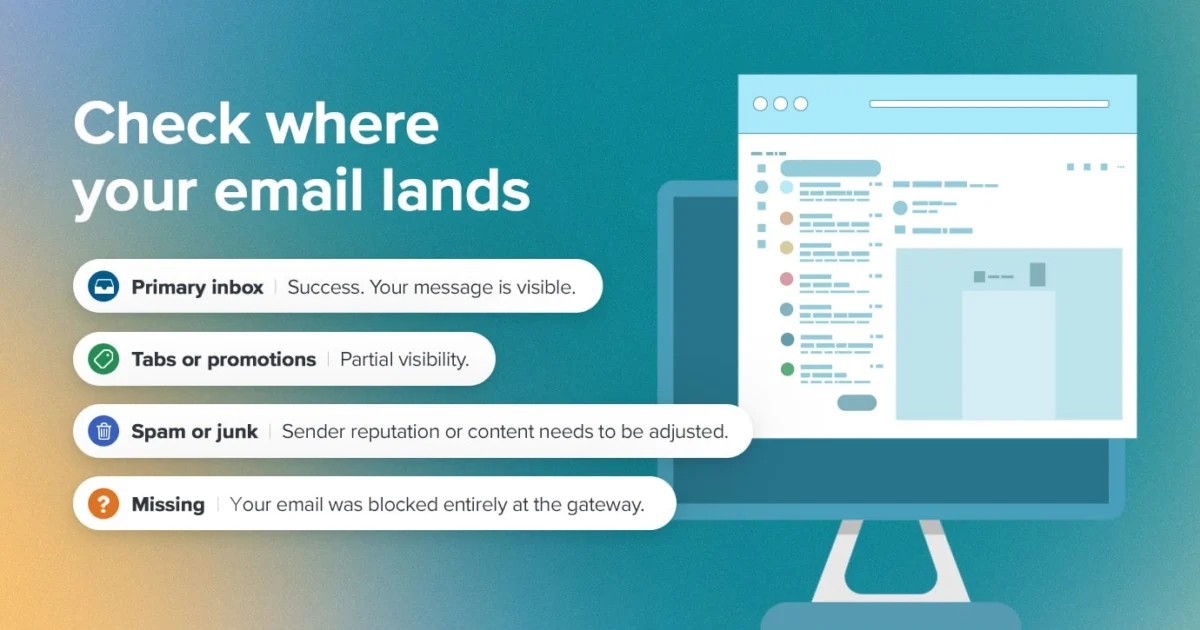
The prevailing assumption among many digital marketers that a high email delivery rate signifies successful campaign reach is a pervasive and often costly misconception. While the absence of bounces might suggest messages are reaching their intended destinations, this metric alone paints an incomplete and potentially misleading picture. The true measure of an email campaign’s efficacy lies not in its acceptance by a mailbox provider’s server, but in its ultimate placement within the recipient’s primary inbox—a critical distinction that directly correlates with visibility, engagement, and ultimately, revenue. This fundamental misunderstanding, a common deliverability myth, leads businesses to celebrate a superficial victory while potentially overlooking significant communication failures.
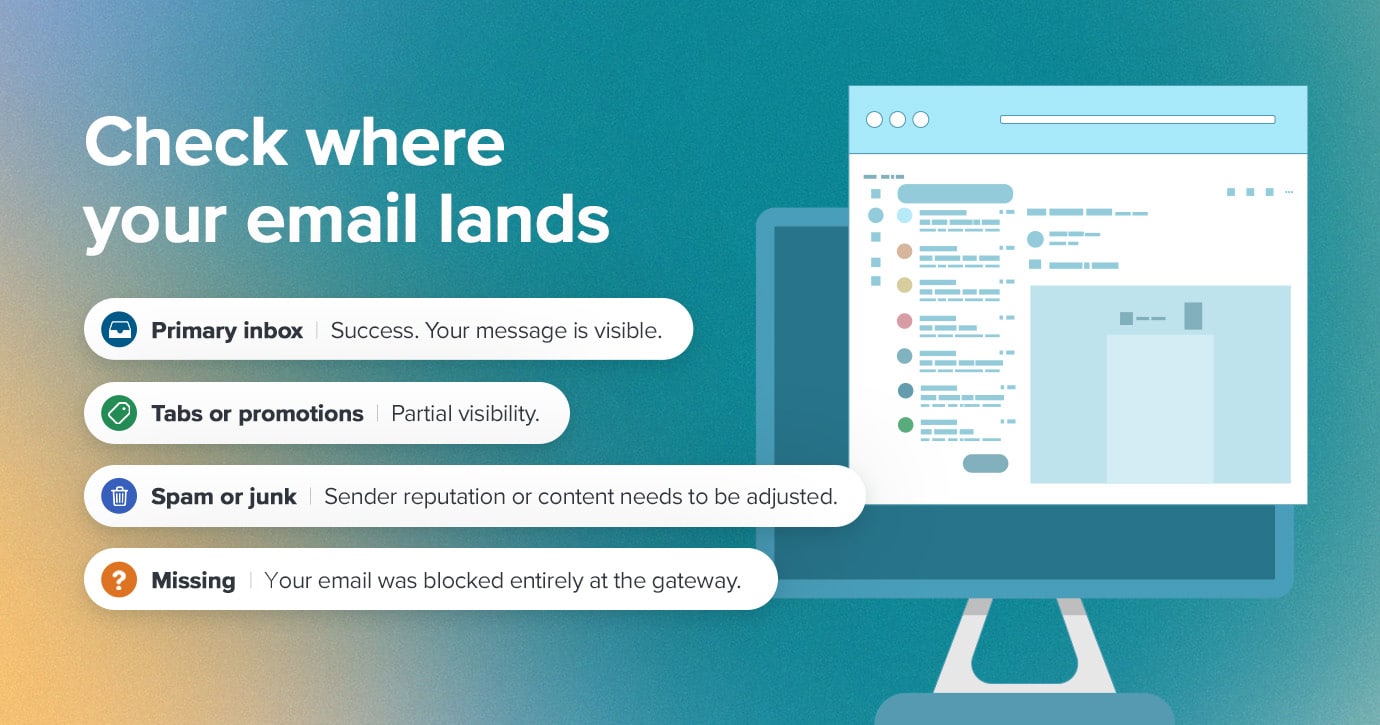
The journey of an email from sender to recipient is far more complex than a simple binary of delivered or bounced. Beyond the initial acceptance by a mailbox provider (MBP) like Gmail or Outlook, a sophisticated array of filtering mechanisms determines where that email ultimately lands. The real victory for any marketing message is securing a spot in the primary inbox, where it stands the best chance of being seen and acted upon. Conversely, emails shunted to the spam folder, the promotions tab, or even silently blocked, represent lost opportunities, wasted resources, and a diminished return on investment. Understanding and actively measuring inbox placement is therefore not merely a technical exercise but a strategic imperative for any organization relying on email marketing.
The Nuance of Email Reach: Delivery Rate vs. Inbox Placement Rate
To fully grasp the challenges and opportunities in email marketing, it is crucial to differentiate between delivery rate and inbox placement rate. The delivery rate is a relatively straightforward metric, indicating whether an email was successfully accepted by the recipient’s mail server. If an email fails this initial hurdle, it is categorized as a "bounce." Bounces come in two primary forms:
- Hard bounces occur when an email address is permanently invalid or non-existent. These are critical signals to remove from your list immediately to maintain sender reputation.
- Soft bounces represent temporary delivery issues, such as a full inbox, a server being temporarily unavailable, or a message exceeding size limits. While temporary, a consistent pattern of soft bounces for a given address can also indicate underlying list health issues.
A high delivery rate, typically above 95-98% for well-maintained lists, is undeniably a positive indicator of a healthy email list, free from a significant number of defunct addresses. However, it merely confirms that the email has made it to the digital doorstep of the recipient’s mail system.
Inbox placement, on the other hand, delves deeper, measuring whether an email, once accepted by the mailbox provider, successfully navigates the various filters and lands in the user’s primary inbox, or if it is diverted elsewhere. This "elsewhere" can include the spam folder (the digital graveyard for marketing efforts), a promotions tab (where visibility is reduced), or other filtered categories. Inbox placement is a far more nuanced metric, heavily influenced by a confluence of factors including:
- Sender reputation: This is a comprehensive score assigned by MBPs based on past sending behavior, complaint rates, bounce rates, and engagement metrics. A strong sender reputation is paramount for inbox placement.
- Email content: The quality, relevance, and formatting of the email itself play a significant role. Spammy keywords, suspicious links, excessive images, or poor HTML can trigger filters.
- Recipient engagement: How subscribers interact with previous emails from the sender (opens, clicks, replies, marks as not spam) is a powerful signal to MBPs.
- Technical authentication: Proper implementation of protocols like SPF, DKIM, and DMARC proves the email’s legitimacy.
The critical distinction is that delivery rate tells marketers if their email reached the server, while inbox placement reveals if it made it past the server’s gatekeepers and into the actual inbox where subscribers are most likely to engage. This difference directly impacts marketing success; emails that are actually seen lead to higher engagement rates, increased conversions, and ultimately, a better return on marketing investment. Industry data frequently highlights that even with a 99% delivery rate, actual inbox placement can vary wildly, sometimes falling below 80% for senders with poor reputations, leading to significant revenue loss.
The Evolving Landscape of Email Deliverability: A Historical Context
The emphasis on inbox placement is not a new phenomenon but has intensified significantly over the past two decades, driven by the relentless battle against unsolicited commercial email, or "spam." In the early days of the internet, email was a relatively open channel, and spam quickly became a pervasive problem, overwhelming users’ inboxes and diminishing the value of legitimate email communication. This led to the development of increasingly sophisticated anti-spam technologies and filtering algorithms by mailbox providers.
Initially, filters focused on simple keyword matching and blacklists. However, spammers rapidly adapted, forcing MBPs to evolve their strategies. By the mid-2000s, sender reputation began to emerge as a key determinant. Mailbox providers started tracking various signals associated with sending IP addresses and domains, building complex profiles to assess trustworthiness. This marked a significant shift from reactive content filtering to proactive sender-centric evaluation.
A pivotal moment in this evolution occurred in early 2024, when industry giants Google and Yahoo announced new, stringent email deliverability requirements for bulk senders. These requirements, driven by a desire to protect users from spam, phishing, and unwanted messages, mandate stronger authentication, easier unsubscription, and lower spam complaint rates. For bulk senders—those sending more than 5,000 emails per day—non-compliance can result in emails being systematically blocked or routed directly to spam folders. This move underscored the collective commitment of major MBPs to prioritize user experience and reinforced the critical importance of proactive deliverability management for all marketers. It represented a formalized "official response" from leading providers to the ongoing challenges of email fraud and user dissatisfaction, significantly raising the bar for email marketers worldwide.
The Imperative of Engagement: Why Mailbox Providers Prioritize User Behavior
At the heart of modern inbox placement algorithms is user engagement. Email Service Providers (ESPs) like Gmail, Outlook, and Yahoo actively monitor how recipients interact with incoming messages, using this behavior as a powerful signal to rank and filter future emails. This means that messages consistently opened, read, replied to, forwarded, or marked as "not spam" are significantly more likely to land in the primary inbox for future sends. Conversely, emails that are consistently ignored, deleted without being opened, or, most damagingly, marked as spam, send a clear message to ESPs: this content is not relevant or desired by the recipient.
This continuous feedback loop directly influences a sender’s reputation. A high volume of positive interactions signals to providers that the sender is trustworthy and provides valuable content, thereby improving future inbox rates. Conversely, a pattern of negative interactions quickly erodes sender reputation, leading to stricter filtering and a higher likelihood of emails being diverted to spam. For example, studies have shown that spam complaint rates as low as 0.1% (1 complaint per 1,000 emails) can significantly damage a sender’s reputation with some providers, while an average open rate of 20-25% is often considered a healthy baseline for many industries.
This sophisticated approach by ESPs transforms email marketing from a mere broadcast mechanism into a relationship-driven channel. Marketers are effectively being incentivized to send highly relevant, valuable content to engaged audiences, thereby fostering a healthier email ecosystem for everyone.
Measuring True Visibility: Beyond the "Delivered" Metric
Given the complexities of modern email filtering, relying solely on an ESP’s "delivered" metric is a significant blind spot. This metric offers no insight into where within the recipient’s mailbox the email actually landed. To gain a precise understanding of true visibility—what customers actually see—marketers require a dedicated testing strategy.
The industry standard for measuring true deliverability and inbox placement is the seed list test. This involves sending the exact campaign content intended for real subscribers to a curated collection of test email addresses (a "seed list") distributed across all major mailbox providers, including Gmail, Yahoo, Outlook, and various corporate domains. By monitoring these owned test inboxes, marketers can gain an unbiased, real-time view of where their email lands.
The process typically involves:
- Deploying a seed list test: Integrate a seed list into your regular email send, ensuring the test emails receive the same content and are sent at the same time as your actual campaign.
- Analyzing folder placement: Utilize specialized diagnostic tools to observe the folder placement within each test mailbox. Did the email arrive in the primary inbox, the promotions tab, or was it filtered to spam? This granular insight is invaluable.
- Calculating Inbox Placement Rate (IPR): Based on the results from the seed list test, calculate the percentage of emails that successfully reached the primary inbox. This IPR, rather than the delivery rate, should be the definitive "true north" metric for evaluating campaign performance and the overall health of an email program. While typical delivery rates often hover above 98%, IPRs can sometimes be 10-20 percentage points lower, highlighting the critical gap between technical delivery and actual visibility.
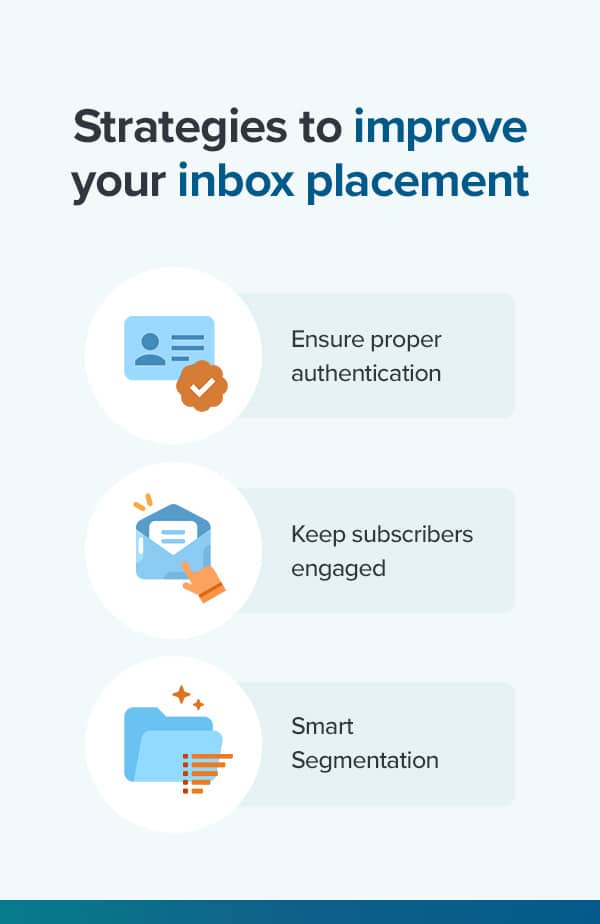
Foundational Strategies for Enhanced Inbox Placement
Improving inbox placement requires a multi-faceted approach, combining technical best practices with strategic content and list management.
1. Robust Email Authentication:
Authentication protocols act as digital ID cards, verifying the sender’s legitimacy and preventing spoofing or phishing attempts. Without proper authentication, emails are easily flagged as suspicious or outright rejected. The three critical authentication standards are:
- Sender Policy Framework (SPF): Authorizes which mail servers are permitted to send email on behalf of your domain.
- DomainKeys Identified Mail (DKIM): Adds a digital signature to your emails, allowing the recipient’s server to verify that the email has not been tampered with in transit.
- Domain-based Message Authentication, Reporting, and Conformance (DMARC): Builds upon SPF and DKIM, providing instructions to recipient mail servers on how to handle emails that fail authentication (e.g., quarantine, reject) and offering reporting capabilities.
As of 2024, Google and Yahoo’s new requirements make these three authentication steps mandatory for bulk senders. Failure to implement them correctly will almost certainly result in emails being routed directly to spam or blocked entirely, severely disrupting marketing efforts. Proper authentication is the foundational step in building trust with mailbox providers and ensuring deliverability.
2. Cultivating and Maintaining Subscriber Engagement:
Active engagement is a powerful signal to MBPs that your content is valued. Conversely, a list laden with unengaged subscribers can be detrimental. Subscribers who haven’t opened an email in over a year, for instance, not only represent wasted sending costs but can also signal to mailbox providers that your content is irrelevant. Worse, some dormant addresses can be repurposed by MBPs as "spam traps." Hitting a spam trap indicates poor list management and can severely damage your sender reputation, pushing even legitimate emails to active subscribers into the spam folder.
To mitigate this:
- Regular list hygiene: Periodically identify and remove inactive subscribers.
- Re-engagement campaigns: For dormant segments, deploy targeted campaigns with a clear call to action, such as "Do you still want to hear from us?" If there’s no response, remove them.
- Email verification tools: Implement these at the point of signup to prevent invalid, misspelled, or disposable email addresses from entering your database. This proactive measure prevents future bounce issues and ensures your list comprises genuinely interested recipients.
By keeping your list lean, active, and responsive, you demonstrate high engagement to mailbox providers, strengthening your sender reputation.
3. Precision Through Smart Segmentation and Personalization:
In today’s crowded inboxes, generic, mass-sent emails are increasingly ineffective. A personalized and relevant approach is paramount for driving engagement. Mailbox providers reward senders whose content genuinely resonates with recipients.
- Audience segmentation: Divide your email list into smaller, more specific groups based on demographics, interests, past purchase history, engagement levels, or other relevant criteria.
- Content personalization: Tailor your messages to reflect the specific interests and behaviors of each segment. For example, instead of sending a general product update to 50,000 subscribers, send it only to the 10,000 active users who have previously interacted with that specific feature or product category.
This targeted approach dramatically increases the likelihood that users will open, click, and positively interact with your messages. Higher open and click-through rates are powerful signals to mailbox providers that your content is valued, leading to improved sender reputation and better inbox placement across the board. Research consistently shows that personalized emails generate significantly higher open rates (often 20-30% higher) and click-through rates (up to 50% higher) compared to non-personalized alternatives.
Advanced Methodologies for Enterprise-Level Deliverability
For organizations with high sending volumes, complex email programs, or a global audience, achieving and maintaining pristine inbox placement often requires more advanced strategies that go beyond the foundational steps.
1. Sender Certification Programs:
Sender certification is a whitelist program where vetted senders receive preferential treatment from participating mailbox providers. These programs, such as Validity Sender Certification, involve a rigorous testing process to confirm that a sender adheres to strict best practices regarding email hygiene, authentication, and complaint rates. Certified senders are recognized as highly reputable, allowing their emails to bypass many standard filters and land directly in the inbox.
The benefits of sender certification are substantial:
- Enhanced trust: Certified senders are inherently seen as more trustworthy by participating MBPs.
- Improved inbox placement: A significant portion of emails that would otherwise be filtered or sent to spam reach the primary inbox.
- Increased visibility: Higher inbox rates translate directly to more opens, clicks, and conversions.
- Proactive issue resolution: Certification often comes with tools and insights to quickly identify and resolve potential deliverability issues.
Data from industry reports indicates that certified senders can achieve significantly higher inbox rates, with some analyses suggesting they deliver tens of millions more emails to the inbox annually compared to their non-certified counterparts. This underscores the strategic advantage certification provides in maximizing email reach and effectiveness.
2. Brand Indicators for Message Identification (BIMI):
BIMI is an emerging standard that allows senders to display their brand logo next to their subject line in the recipient’s inbox. This visual confirmation of brand identity serves several critical functions:
- Enhanced brand recognition: A distinctive logo helps emails stand out in a crowded inbox, improving brand recall and making it easier for subscribers to identify legitimate messages.
- Increased trust and security: In an era rife with phishing and email fraud, BIMI visually confirms the sender’s authenticity before the email is even opened, instilling confidence in recipients. This is particularly valuable as cyber threats continue to evolve.
- Improved open rates: The visual appeal and trust signal provided by a brand logo can lead to higher open rates and increased engagement.
To implement BIMI, senders must have DMARC enforced at a "quarantine" or "reject" policy, indicating a robust commitment to email authentication. This stringent prerequisite highlights BIMI’s role as a strong trust signal, reserved for brands with exemplary email security practices.
3. Real-time Feedback Loops (FBLs):
Feedback Loops are invaluable tools offered by major mailbox providers (e.g., Google Postmaster Tools, Microsoft SNDs) that provide senders with real-time insights into how their subscribers perceive their emails, specifically when they actively mark messages as spam.
When a recipient clicks the "report spam" button, the FBL notifies the sender, identifying the specific email address that lodged the complaint. This immediate feedback is crucial for:
- Proactive list hygiene: Senders can quickly remove complaining users from their mailing lists, preventing future complaints and protecting their sender reputation.
- Content strategy refinement: High complaint rates for specific campaigns or content types can signal that messages are irrelevant or unwanted, prompting marketers to adjust their content strategy.
- Maintaining sender reputation: By promptly addressing complaints, senders demonstrate to MBPs that they are responsible and responsive, helping to maintain a healthy reputation and prevent broader deliverability issues.
High complaint rates are a significant red flag for mailbox providers, often leading to immediate filtering actions. FBLs empower marketers to take swift corrective action, ensuring their email program remains trusted and high-performing for the majority of their recipients.
The Financial and Reputational Imperative
The distinction between email delivery and inbox placement is not merely a technicality; it has profound financial and reputational implications for businesses. Emails that consistently fail to reach the primary inbox represent wasted marketing spend, missed sales opportunities, and a direct erosion of ROI. Even the most compelling offer or critical update becomes invisible if it’s trapped in a spam folder. In an increasingly competitive digital landscape, where email marketing consistently delivers one of the highest returns on investment, ensuring optimal inbox placement is directly linked to revenue generation, lead nurturing, and customer retention.
Beyond the immediate financial impact, consistent poor inbox placement can severely damage a brand’s credibility and trust. If subscribers expect emails from a brand but never receive them, or consistently find them in spam, it can lead to frustration, disengagement, and a negative perception of the brand’s professionalism and reliability. Conversely, a consistently strong inbox placement fosters trust, reinforces brand presence, and ensures that critical communications reach their intended audience, thereby strengthening customer relationships.
In conclusion, the era of merely tracking delivery rates is over. Marketers must pivot their focus to the more critical metric of inbox placement. Understanding exactly where emails land—and implementing strategies to consistently land them in the primary inbox—is the fundamental difference between broadcasting messages into the void and genuinely connecting with an audience. Tools and strategies designed for advanced deliverability insights are no longer optional but essential for any organization aiming to maximize the impact of its email marketing efforts. By embracing a data-driven approach to deliverability, businesses can transform their email programs, ensure visibility, drive meaningful engagement, and ultimately achieve their strategic objectives.