rifanmuazin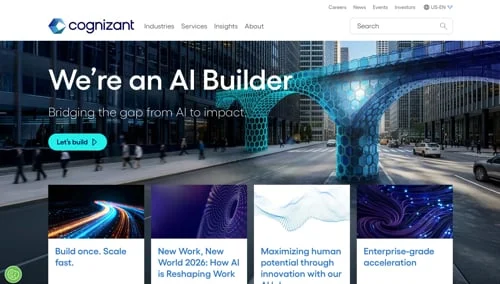
The e-commerce sector is experiencing a rapid evolution, driven by advancements in artificial intelligence, the growing demand for seamless B2B transactions, and the persistent need for enhanced customer experiences and robust security measures. This past week has seen a flurry of new service releases and strategic partnerships aimed at equipping merchants with sophisticated tools to navigate this dynamic market. From AI-powered advertising and video generation to streamlined fulfillment and advanced fraud prevention, businesses are being offered an unprecedented suite of capabilities to optimize their operations and expand their reach.
Unifying B2B Commerce and Fulfillment with Strategic Alliances
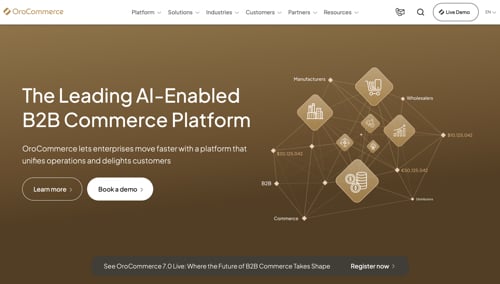
In a significant development for the business-to-business (B2B) sector, OroCommerce, a dedicated B2B e-commerce platform, has announced a strategic partnership with Blue Yonder, a recognized leader in supply chain management solutions. This collaboration is designed to create a more integrated and intelligent ecosystem for manufacturers, distributors, and wholesalers. The core objective of this alliance is to provide B2B clients with unparalleled access to real-time, accurate information regarding inventory availability, dynamic pricing, and precise delivery timelines. This level of transparency, available before, during, and after a purchase, addresses long-standing challenges in B2B transactions, which often involve complex logistics and customized pricing structures.
The integration aims to bridge the gap between front-end sales and back-end fulfillment processes. For manufacturers and distributors, this means better forecasting and inventory management. For buyers, it translates to more reliable order fulfillment and a reduced risk of stockouts or delivery delays, crucial factors in maintaining operational efficiency and customer satisfaction. The companies anticipate this synergy will lead to a more streamlined procurement process, fostering stronger supplier relationships and potentially driving increased sales volume due to enhanced trust and predictability.

AI-Powered Discovery and Advertising Take Center Stage
Artificial intelligence continues to be a dominant force shaping the e-commerce landscape, with new tools emerging to enhance product discoverability and advertising effectiveness. Commerce, the parent company of BigCommerce and the data feed platform Feedonomics, has introduced "Agentic Catalog Exports." This innovative service allows merchants to syndicate their product catalog data directly to emerging "agentic discovery channels." These channels include prominent AI platforms such as OpenAI, Gemini, and Copilot, as well as search engines like Perplexity.
The implication of this development is profound for how products will be found and recommended in the future. As AI agents become more sophisticated in understanding user intent and personalizing recommendations, ensuring that product catalogs are accessible and optimized for these agents is paramount. Agentic Catalog Exports aims to put merchants ahead of the curve by facilitating their presence in these new discovery paradigms, potentially leading to more targeted and relevant customer acquisition.
Complementing this push for AI-driven discovery, AdRoll, a multichannel advertising platform, has partnered with PubMatic, a company specializing in ad performance. This collaboration leverages the Model Context Protocol (MCP) to enable agent-powered troubleshooting of advertising campaigns. AdRoll’s AI agents can now query PubMatic’s diagnostic tools in real-time to identify the root causes of performance issues. This capability moves beyond simple performance monitoring to proactive problem-solving, offering merchants actionable recommendations to optimize their ad spend and improve campaign effectiveness. The ability to swiftly diagnose and rectify campaign configurations is critical in the fast-paced digital advertising environment, where milliseconds can impact conversion rates.
Enhancing Shoppable Experiences and Video Commerce
The integration of commerce into video content continues to gain momentum, offering brands new avenues to engage consumers. WooCommerce, a popular e-commerce platform, has launched "Google for WooCommerce," an extension that connects a merchant’s store directly to their YouTube channel. This integration allows for products to be tagged within videos and shorts, appearing as shoppable cards directly on the video player. Furthermore, these tagged products will be accessible via a dedicated "Channel Shopping" tab on the merchant’s YouTube page.
This feature capitalizes on the massive viewership of platforms like YouTube, transforming passive viewing into active shopping opportunities. The automatic synchronization of product feeds with Google Merchant Center ensures that real-time information on titles, descriptions, prices, and availability is consistently displayed, minimizing friction for potential buyers. This move is particularly significant as short-form video content continues to dominate online engagement.
Expanding on the theme of video advertising, Amazon Ads has introduced its AI-powered Video Generator to Australia. This tool empowers merchants to create multiple video ad variations from a single product image, existing video, or even a product detail page. The generator incorporates multi-scene storytelling, dynamic transitions, and background music, offering a professional-looking video ad without the need for extensive production resources. Available at no additional cost for Sponsored Brands video ads within the Amazon Ad Console’s Creative Studio, this feature democratizes video ad creation, making it more accessible for businesses of all sizes looking to enhance their product visibility on the platform.
Strengthening Security and Streamlining Returns
In parallel with the drive for enhanced customer engagement and discoverability, robust security measures and efficient return processes remain critical for merchant success. iDenfy, a provider of identity verification and fraud prevention solutions, has launched an application specifically for WooCommerce merchants. This integration enables businesses to implement mandatory identity verification for shoppers before they complete a purchase. The service combines biometric face recognition with a comprehensive database of over 3,000 identity documents from 200 countries and territories, offering a sophisticated defense against fraudulent transactions. As e-commerce fraud continues to be a significant concern, such tools are becoming increasingly vital for protecting both merchants and legitimate customers.
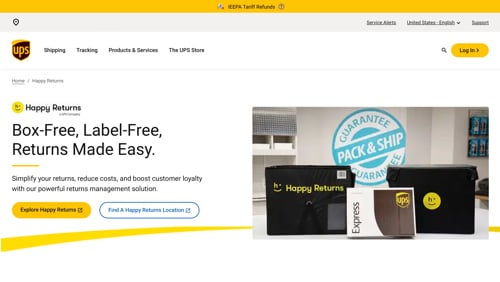
The complexities of online retail also extend to the post-purchase experience, with returns being a key area for improvement. UPS-owned Happy Returns is expanding its "box-free, label-free" return network across the United States. By partnering with Annex Brands and PackageHub Business Centers, Happy Returns is significantly increasing its nationwide drop-off locations to 10,000. This expansion solidifies its position as a leading consolidated return network, offering consumers a convenient and environmentally friendly alternative to traditional return methods. The emphasis on "box-free" and "label-free" reduces waste and simplifies the process for both the customer and the merchant, potentially leading to higher customer satisfaction and reduced return processing costs.

Empowering Small Businesses and Enhancing Customer Data Management
Small and medium-sized businesses (SMBs) are also seeing a wave of new tools designed to level the playing field and improve their operational efficiency. TransUnion, a credit reporting agency, has launched "Digital Business Profile." This new service is aimed at helping small businesses ensure their essential information is accurately represented across the digital ecosystem. Through a single TransUnion portal, businesses can manage and update critical details such as their name, location, contact information, operating hours, accepted payment methods, and service areas. These updates are then automatically disseminated to over 80 online directories, maps, applications, and social platforms. Accurate and consistent business information is crucial for local search visibility and building customer trust.
In the realm of customer loyalty, SumUp, a global payment technology company, has introduced "Loyalty," a digital rewards program for small businesses in the UK, France, Germany, Ireland, Spain, and Italy. This program transforms card payments into points and stamps, requiring no new hardware and integrating seamlessly with existing SumUp infrastructure. Key features include push notifications, targeted promotions, and an automated "autopilot" function that identifies lapsed customers and sends them personalized win-back offers. In an increasingly competitive market, loyalty programs are a proven strategy for retaining customers and encouraging repeat business, and SumUp’s offering makes this accessible even for smaller enterprises.
Advancing Contact Center Capabilities and Fraud Defense
The customer service experience is being significantly enhanced by AI-driven solutions, particularly in contact centers. Cognizant, an AI technology provider, has launched "Agentic Retail CX," a contact center platform that integrates Google’s Gemini Enterprise for Customer Experience with Cognizant’s retail expertise. This platform is designed to help retail brands deliver personalized, omnichannel customer experiences while simultaneously reducing operational costs. By leveraging advanced AI, the platform aims to provide more intelligent and efficient customer support, handling a wider range of inquiries and offering more tailored assistance. This move signifies a broader trend towards using AI to augment human agents, improving both efficiency and the quality of customer interactions.
Google is also advancing its efforts in online security with the launch of "Cloud Fraud Defense," the next evolution of its reCAPTCHA service. This agentic web platform is designed to verify the legitimacy of bots, humans, and AI agents interacting with websites. Its policy engine allows website owners to control access based on risk scores, automation types, and agent identity, enabling them to selectively allow or block specific types of traffic. Notably, Fraud Defense is largely invisible to legitimate users, replacing disruptive CAPTCHA puzzles with silent background verification, thereby improving user experience while maintaining robust security. This invisible approach to fraud detection is a significant step forward, as traditional CAPTCHAs can often be a point of friction for genuine customers.
AI-Driven Content Creation and Global Expansion of Business Assistants
The creation of marketing content is being revolutionized by AI, making it more accessible and efficient for businesses. Zendrop, a dropshipping platform, has launched a beta version of its "AI Ad Generator," which allows dropshippers to produce user-generated-style video ads in minutes and at a low cost. These AI-generated ads are optimized for platforms like TikTok, Meta’s Reels, and YouTube Shorts, and are stored in a personal Video Library for easy deployment across various ad channels. This tool democratizes video ad creation, empowering individual sellers and small businesses to compete with larger brands that have more extensive marketing resources.
Meta is also expanding the global reach of its AI business assistant, making it available to advertisers and agencies of all sizes. With local-language support now extended to the U.S., Europe, Africa, the Middle East, Asia, and Latin America, the assistant integrates directly into existing Meta tools such as Ads Manager and Business Suite. Its primary function is to optimize advertising campaigns and provide guidance, streamlining the complex process of digital advertising and making advanced optimization techniques more accessible to a wider user base. This global rollout signifies Meta’s commitment to leveraging AI to enhance its advertising ecosystem and support its business users worldwide.
The rapid pace of innovation across these various sectors highlights a fundamental shift in how e-commerce businesses operate. The convergence of AI, advanced data management, and streamlined operational tools is empowering merchants to not only adapt to evolving consumer demands but to proactively shape the future of online commerce. As these technologies mature and become more integrated, the competitive advantage will increasingly lie with those businesses that can effectively leverage these new capabilities to enhance customer experience, optimize operations, and maintain a secure and trusted online presence.