rifanmuazin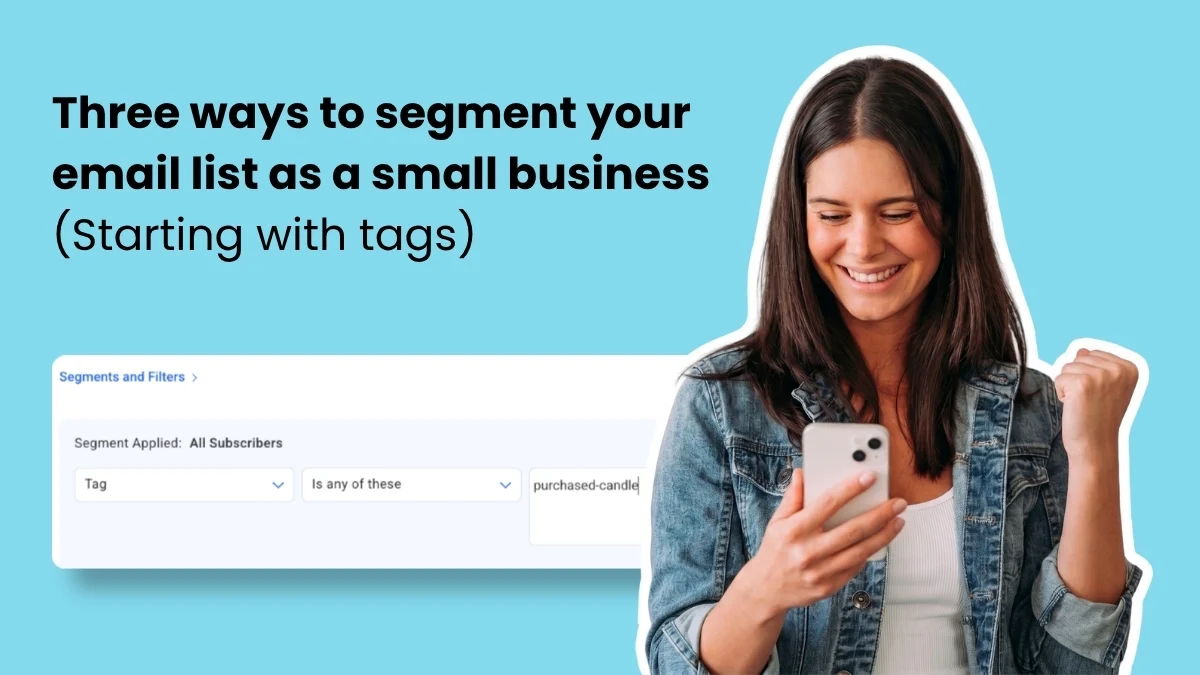
The landscape of digital marketing has evolved dramatically, placing an unprecedented emphasis on personalization and relevance. In this environment, the notion that a substantial email list is a prerequisite for effective segmentation is rapidly becoming obsolete. Instead, the critical determinant for segmenting an audience is the presence of diverse subscriber interests, varying engagement levels, or distinct purchasing histories. Failing to address these differences by sending a uniform message to an entire list incurs a quiet but significant cost—manifesting in unopened emails, unclicked links, and ultimately, a decline in subscriber interest and loyalty.
Email list segmentation offers a potent remedy to this challenge. It involves the strategic division of an email list into smaller, more homogeneous groups, ensuring that each subscriber receives content meticulously tailored to their specific needs and preferences. When executed effectively, segmentation stands as one of the most powerful levers a small business can pull to amplify the efficacy of its email marketing efforts, all without the necessity of increasing email frequency. This approach transforms email from a broadcast tool into a highly targeted communication channel, fostering deeper connections and driving measurable results.
The Evolving Landscape of Email Marketing and the Imperative for Personalization
Email marketing has consistently demonstrated its superior return on investment (ROI) compared to other digital marketing channels. Industry reports frequently cite email as delivering an average ROI of $42 for every $1 spent, underscoring its enduring power. However, simply having an email list is no longer sufficient. The modern consumer is inundated with digital content, and their attention is a fiercely contested commodity. Generic, one-size-fits-all emails are increasingly overlooked, contributing to declining engagement rates and a phenomenon known as "email fatigue."
The shift towards personalization is not merely a trend but a fundamental expectation. Data from numerous marketing studies indicates that personalized emails generate 6x higher transaction rates and are 26% more likely to be opened. For small businesses, which often operate with limited resources and must maximize every customer interaction, this data highlights a critical strategic pivot: moving beyond mass communication to nuanced, individualized engagement. This is where segmentation becomes indispensable, allowing even nascent businesses to compete effectively by fostering intimate connections with their audience.
The Silent Cost of Generic Communication
The repercussions of neglecting segmentation extend beyond mere inconvenience. When subscribers receive content irrelevant to their specific needs, their disengagement is a predictable outcome. This disengagement manifests in several key metrics:
- Diminished Open Rates: Emails that appear generic or unrelated to a subscriber’s initial interest are less likely to be opened. This directly impacts the visibility of marketing messages.
- Reduced Click-Through Rates (CTR): Even if an email is opened, a lack of personalized content within it means fewer subscribers will click on calls to action, hindering conversions.
- Increased Unsubscribe Rates: Persistent irrelevant communication can frustrate subscribers, leading them to opt out of the list entirely.
- Decreased Deliverability: Email service providers (ESPs) monitor engagement metrics. Low open rates and high unsubscribe rates can signal to ESPs that emails are not valuable, potentially leading to messages being routed to spam folders, further eroding deliverability.
- Lost Revenue Opportunities: Each missed open, click, or conversion represents a lost opportunity for sales, repeat business, and customer lifetime value. Over time, these small, quiet losses accumulate into a significant financial drain.
Segmentation Defined: Beyond the Basics of List Management
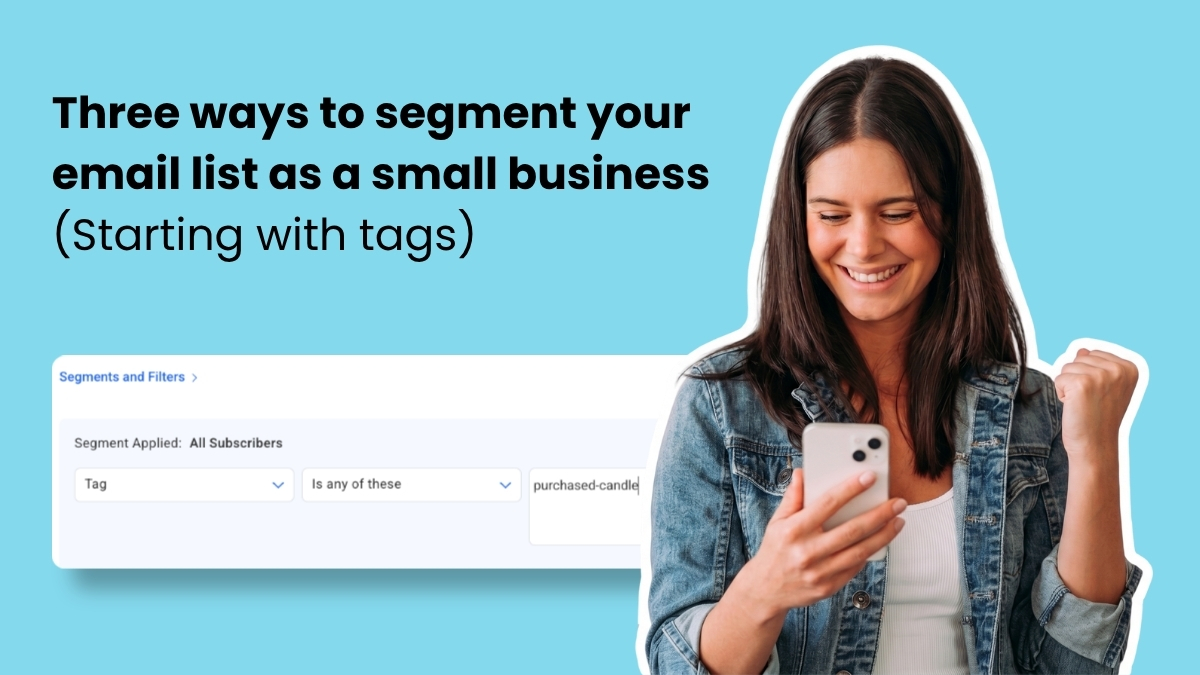
At its core, segmentation is the practice of categorizing subscribers based on shared characteristics, behaviors, or interests. While the concept may seem straightforward, its effective implementation relies heavily on robust data collection and intelligent tagging. Tags are essentially labels applied to individual subscribers, acting as signals that capture specific attributes or actions. For instance, a tag might denote a clicked link, a purchased product, a specific interest selected during signup, or even the date of their last engagement. By accumulating these tags, a business gains a granular understanding of each subscriber’s profile and preferences, enabling highly targeted communication.
Platforms like AWeber are engineered to facilitate this process, offering automated tagging capabilities. This automation is crucial for small businesses, eliminating the need for manual sorting and data management. It allows for the seamless capture of subscriber behavior and the automatic routing of individuals into appropriate campaigns, thereby democratizing sophisticated marketing tactics previously reserved for larger enterprises with dedicated marketing teams.
Strategic Tiers of Implementation for Small Businesses
For small businesses, the journey into email segmentation need not be overwhelming. A phased approach, building complexity as the list grows and data accumulates, proves most effective. Here, we outline three progressive tiers that any small business can adopt.
Tier 1: Foundational Insights from Signup
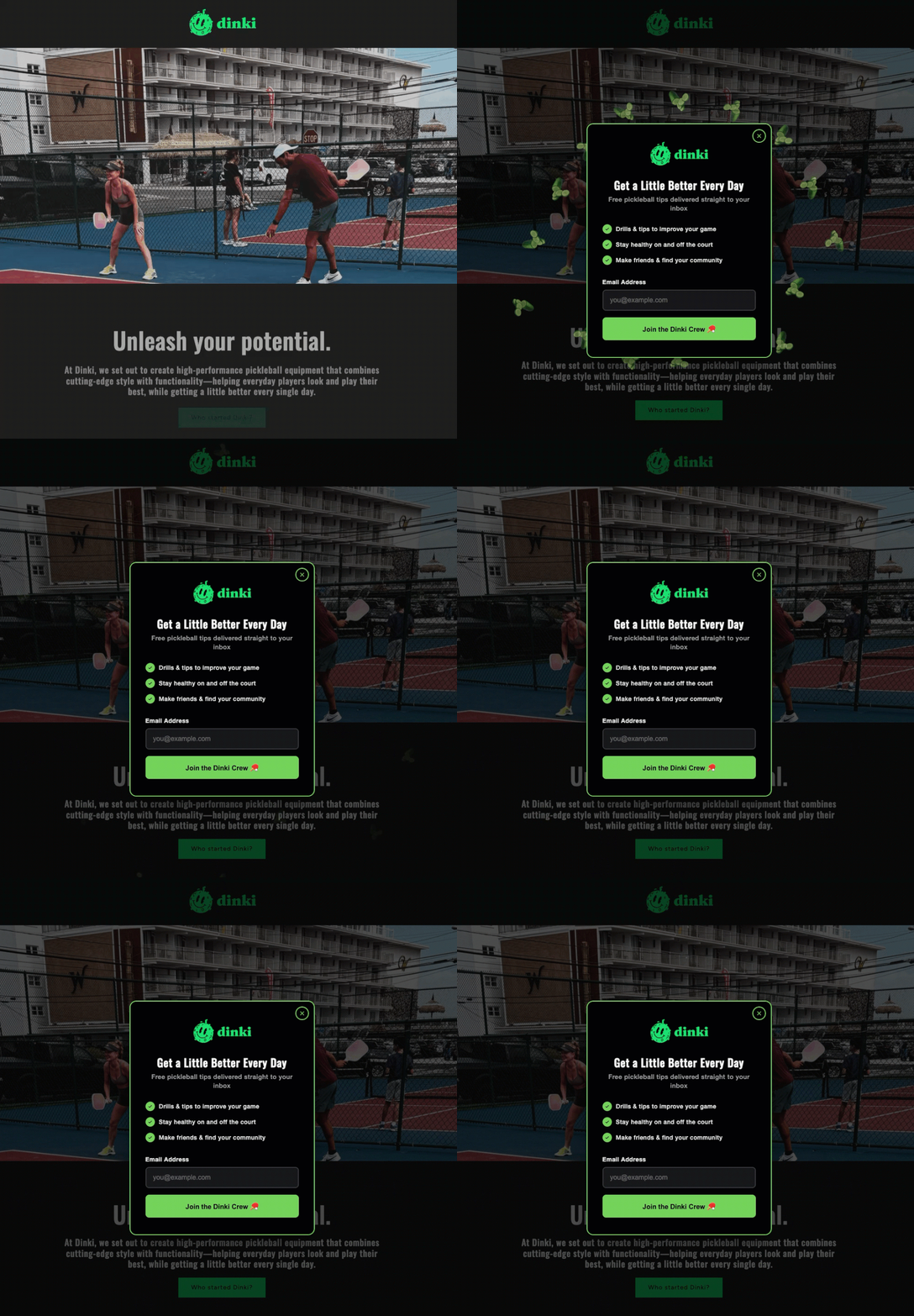
The most opportune moment to begin segmenting is at the point of subscription. The signup form, often perceived merely as a gateway for email addresses, is in fact a powerful data collection tool. By incorporating a single, well-crafted question, businesses can immediately categorize new subscribers based on their primary interests. This initial data point is invaluable, allowing for the creation of segments that shape all subsequent email interactions.
- Practical Examples:
- A food blogger might offer checkboxes for "recipes," "restaurant guides," or "cooking tips."
- A marketing consultant could inquire about "social media strategy," "email marketing," or "SEO."
- A clothing retailer might use a dropdown for "women’s," "men’s," or "kids’ fashion."
Even one honest answer at signup creates a meaningful segment, allowing for the delivery of highly relevant welcome sequences. In platforms like AWeber, custom fields can be added to signup forms, automatically applying tags based on subscriber responses. This instant tagging means segments are ready for use from the moment of subscription, enabling tailored welcome series that speak directly to what each new subscriber is seeking. This foundational segmentation significantly boosts initial engagement, as subscribers immediately perceive the value of their subscription.
Tier 2: Decoding Behavior for Deeper Engagement
While expressed interest at signup provides a valuable starting point, subscriber behavior offers a more accurate reflection of their true motivations and evolving preferences. Behavioral segmentation, driven by dynamically applied tags, represents a more advanced yet highly effective strategy. These tags are triggered by actions—or inactions—taken by the subscriber within the email ecosystem or on a connected website.
- Examples of Behavioral Triggers:
- Link Clicks: Clicking a link related to a specific product category or service.
- Content Consumption: Downloading a particular guide or viewing a specific blog post.
- Email Opens: Consistent opens indicating high engagement.
- Inactivity: A period of no opens or clicks, signaling potential disengagement.
The power of behavioral segmentation lies in its automation. Once rules are established within an email marketing platform, tags are applied automatically without manual intervention. This allows the email list to "tell" the business what subscribers care about, eliminating guesswork and enabling responsive, data-driven campaigns.
- Key Behavioral Segments to Build Early:
- Engaged Subscribers: Typically defined as those who have opened or clicked an email within the last 60-90 days. These are the most responsive members of the audience, ideal candidates for special offers, early access to new products, loyalty programs, and premium content. Their consistent engagement signals a strong interest in the brand.
- Cooling Subscribers: Those who haven’t opened or clicked in 60 to 90 days. This group requires a strategic shift. A personalized subject line, a re-engagement email series (e.g., "We miss you!"), or a simple plain-text check-in ("Still there?") can often rekindle their interest. The goal is to prevent them from becoming fully inactive.
- Inactive Subscribers: Individuals with no opens or clicks in 90-plus days. Before removal, a final re-engagement attempt is warranted. If no response is received, removing these subscribers is crucial for maintaining list hygiene, protecting deliverability rates, and ensuring the accuracy of engagement metrics.
As brand strategist Coleen Otero aptly articulated, "You wanna be on a platform where you can nurture your audience consistently through email. Email is modern day door to door sales." This analogy powerfully extends to behavioral segmentation: just as a door-to-door salesperson wouldn’t pitch the same product to every household, behavioral data guides marketers to the right "door" with the right "pitch."
Tier 3: Leveraging Purchase History for Sustained Growth
Segmentation by purchase history moves beyond general interest and behavior to focus on the transactional relationship subscribers have with the business. This tier distinguishes between browsers, first-time buyers, and repeat customers, each representing a distinct stage in the customer journey with unique needs and motivations.
- Non-Buyers on Your List: These subscribers require content focused on building trust, demonstrating value, and providing social proof. Educational content, customer testimonials, case studies, and compelling value propositions are key to converting them into first-time customers.
- First-Time Buyers: Following an initial purchase, these customers benefit from onboarding sequences that reinforce their decision and provide value beyond the transaction. This could include product usage tips, complementary recommendations, or access to a customer community. The goal is to nurture them towards a second purchase, laying the groundwork for long-term loyalty.
- Repeat Buyers: These are the most valuable customers, representing the highest customer lifetime value. They are prime candidates for loyalty rewards, exclusive early access to new products or services, and referral programs. Treating them as a distinct, highly valued segment, separate from new prospects, is a critical missed opportunity if overlooked.
In integrated platforms, purchase-based tagging functions similarly to behavioral tagging. By connecting an e-commerce store with the email marketing system, a tag can be automatically applied upon purchase completion. This tag then triggers automations, seamlessly moving the subscriber from a "prospect" segment to a "buyer" segment, initiating a post-purchase sequence tailored to their new status—all without manual intervention or spreadsheet management.
Automation: The Small Business Advantage
The ability to automate segmentation is perhaps the most significant benefit for small businesses. Without automation, the process of tagging, categorizing, and managing segments would be prohibitively time-consuming, diverting precious resources from core business activities. Email marketing platforms like AWeber are designed to simplify this complexity, allowing small business owners to set up rules once and let the system manage the rest.
This automation extends to applying tags based on form submissions, link clicks, purchase confirmations, and even specific email engagement patterns. The result is a dynamic, self-adjusting segmentation system that ensures subscribers are always in the most relevant group, receiving timely and appropriate communications. This capability empowers small businesses to execute sophisticated marketing strategies with the efficiency and precision of much larger organizations.
The Tangible Benefits: Data-Driven Outcomes
The adoption of a robust segmentation strategy yields a cascade of measurable benefits for small businesses:
- Higher Engagement Rates: Studies consistently show that segmented campaigns achieve significantly higher open rates (up to 14.31% higher) and click-through rates (up to 100.95% higher) compared to non-segmented campaigns.
- Improved Conversion Rates: Personalized content directly translates to better conversion. Businesses leveraging segmentation report an average of 760% increase in email revenue.
- Enhanced Customer Lifetime Value (CLV): By delivering relevant content and offers, segmentation fosters deeper customer relationships, encouraging repeat purchases and increasing the overall value each customer brings to the business.
- Reduced Churn and Unsubscribes: When subscribers consistently receive valuable content, they are less likely to disengage or unsubscribe, leading to a more stable and growing list.
- Better Deliverability: By removing inactive subscribers and sending highly engaging content to active segments, segmentation improves sender reputation, ensuring emails land in inboxes rather than spam folders.
- Operational Efficiency: Automation frees up valuable time for small business owners and their teams, allowing them to focus on strategy and content creation rather than manual list management.
Overcoming Implementation Challenges: A Phased Approach
While the benefits are clear, the prospect of implementing segmentation can seem daunting. The key is to avoid attempting to build all three tiers simultaneously.
- Start with Tier 1: Begin by adding a single interest-based question to your signup form. Create two or three tags based on the possible answers and develop slightly different welcome sequences for each group. This foundational step can be implemented within a week.
- Progress to Tier 2 (200-300 Subscribers): Once your list reaches a modest size of 200-300 subscribers, introduce engagement-based segments. Allow these segments to populate over a 90-day period to gather sufficient data before acting. This ensures you have meaningful insights to inform your re-engagement or loyalty campaigns.
- Integrate Tier 3 (Sufficient Purchase History): Implement purchase history segmentation when you have accumulated enough transactional data to make it meaningful—typically, at least a few dozen completed orders. This provides the necessary volume to identify distinct buyer behaviors.
The overarching objective is not to create an overly complex system, but rather to ensure that every email feels as if it were specifically crafted for the individual recipient. This focus on relevance, even with a small number of segments, yields disproportionately positive results.
Expert Perspectives and Industry Trends
Leading marketing analysts consistently underscore the strategic value of email segmentation. According to a report by the Data & Marketing Association, email remains a cornerstone of customer relationship management, with personalized and segmented campaigns driving the highest engagement. Small business advocates emphasize that while large enterprises have the resources for intricate data analytics, the automated tools available today democratize advanced segmentation, making it accessible and actionable for businesses of any size. The trend towards hyper-personalization, fueled by AI and machine learning, will only amplify the importance of granular segmentation, as consumers increasingly expect brands to understand and anticipate their needs.
Conclusion: Segmentation as a Cornerstone of Sustainable Growth
In the competitive digital landscape of 2026, email list segmentation is no longer an optional luxury but a strategic imperative for small businesses seeking sustainable growth. It is the practice that transforms a generic broadcast into a series of meaningful conversations, fostering genuine connections that translate into loyal customers and robust revenue streams. By starting small, leveraging automation, and progressively building on foundational data, any small business can harness the power of segmentation to elevate its email marketing from merely sending messages to building lasting relationships. The quiet costs of neglect are too high; the measurable returns of strategic segmentation are too compelling to ignore.