rifanmuazin
The annual Litmus Live conference, a premier gathering for email marketing professionals, concluded its 2026 iteration with two days packed with expert insights and forward-looking discussions. Among the most anticipated sessions was a 30-minute deep dive titled "Where Is Email Marketing Headed in 2026?", which brought together industry luminaries Guy Hanson of Validity, Danielle Gallant, also from Validity, and Al Iverson of Valimail. This pivotal session, which attracted significant attention, dissected the evolving landscape of email marketing, offering crucial predictions and strategic advice for navigating the complexities of the modern inbox. For those unable to attend the live session, a comprehensive recap, including answers to questions from the live chat that time constraints prevented addressing, is now available, alongside the full session recording on the Litmus website and YouTube channel.
Litmus Live, widely recognized as a cornerstone event in the digital marketing calendar, serves as a vital platform for showcasing innovation, dissecting challenges, and setting benchmarks for the email industry. Its consistent focus on deliverability, engagement, and technological advancements makes it an indispensable resource for marketers, developers, and strategists seeking to future-proof their email programs. The 2026 event underscored a critical period of transformation, driven by advancements in artificial intelligence, heightened security concerns, and an ever-evolving understanding of consumer behavior. The panel discussion on the future of email marketing was particularly salient, reflecting the industry’s collective effort to adapt and thrive amidst these dynamic shifts.
The Evolving Landscape of Email Marketing: Key 2026 Predictions
The panel wasted no time in confronting the hard truths facing email marketers today, offering a candid assessment of the road ahead. Their insights converged on several key areas that are fundamentally reshaping how emails are delivered, perceived, and measured.
Navigating the Labyrinth of Deliverability: A Growing Challenge
One of the central themes explored was the increasing complexity of email deliverability. Mailbox providers are continuously refining their filtering algorithms, a necessary measure to combat the relentless tide of malicious spam and phishing attempts. However, this heightened scrutiny inadvertently impacts legitimate senders, making the journey to the inbox more arduous than ever.
Al Iverson succinctly articulated the nuanced challenge: "Good marketers are never the target of mailbox provider spam filters. Good marketers get caught up in a mailbox provider’s best efforts to stop the really malicious stuff." This statement highlights a crucial distinction: while filters aim to block nefarious actors, even well-intentioned emails can face obstacles if they do not adhere to evolving best practices. The solution, according to the panel, lies in robust authentication protocols. Implementing DMARC (Domain-based Message Authentication, Reporting, and Conformance) with an actual level of protection, moving beyond a passive "p=none" policy, is becoming an imperative. This strategic shift signals to mailbox providers that a sender is trustworthy and actively managing their email security.
The practical implication is clear: DMARC is no longer merely a compliance checkbox. Industry data from recent years indicates a steady, albeit slow, adoption of DMARC at enforcement levels (p=quarantine or p=reject). However, the panel stressed that 2026 demands a proactive stance. Transitioning to a p=quarantine or p=reject policy is a critical signal of commitment to email security and sender trustworthiness, directly influencing inbox placement. This proactive approach helps brands safeguard their reputation and ensures their messages reach intended recipients, avoiding the increasingly sophisticated spam traps and filtering mechanisms. The broader implication is that email deliverability has become inextricably linked with cybersecurity posture, requiring marketers to collaborate closely with IT and security teams.
The Era of Relevancy Sorting: AI’s Impact on Inbox Placement
A significant trend highlighted by the panel is the accelerating use of artificial intelligence by mailbox providers to sort and prioritize messages based on perceived relevance. This represents a paradigm shift: simply landing in the inbox is no longer sufficient; emails must now earn visibility at the top of the inbox. This evolution is a direct response to information overload, where users demand more personalized and pertinent content.
This AI-driven relevancy sorting places an unprecedented emphasis on engagement signals. Senders who consistently deliver value, generating opens, clicks, replies, and other positive interactions, are rewarded with higher visibility. Conversely, those who send to unengaged or poorly segmented lists risk seeing their visibility erode over time. This trend reinforces the critical importance of foundational email marketing strategies: regular list hygiene to remove inactive subscribers, strategic segmentation to deliver highly relevant content to specific audience groups, and permission-based sending to ensure recipients genuinely opt-in and expect communications. These are no longer just "best practices" but have become "marketing survival strategies" in an AI-curated inbox environment. The implication for marketers is a sharpened focus on audience understanding and content quality, moving away from mass-blast mentalities towards hyper-personalization and value delivery.
AI-Generated Summaries: Reshaping Content Strategy
The advent of AI-generated summaries is fundamentally altering how subscribers interact with email content. Many recipients may now only ever see a machine-generated synopsis of an email, rather than reading the full message. This profound shift has significant implications for how marketers craft their email content.
The panel underscored the necessity for senders to think about the "summary layer" of their content. Marketers must ask: What does my email look like when distilled into two or three sentences by an AI? If the value proposition, offer, or call to action (CTA) is not immediately and explicitly clear within this summary layer, there is a substantial risk of the email being skipped entirely. This phenomenon pushes marketers to prioritize clarity and conciseness above all else. Leading with impact in subject lines and preview text, and front-loading the most important information within the email body, becomes paramount. The advice is to "write for humans but structure for algorithms," ensuring that key messages are easily identifiable and digestible by AI systems, while still resonating with human readers. This represents a significant evolution in copywriting and content architecture, demanding a strategic approach to information hierarchy within email templates.
The Shifting Sands of Email Metrics: Beyond Opens and Clicks
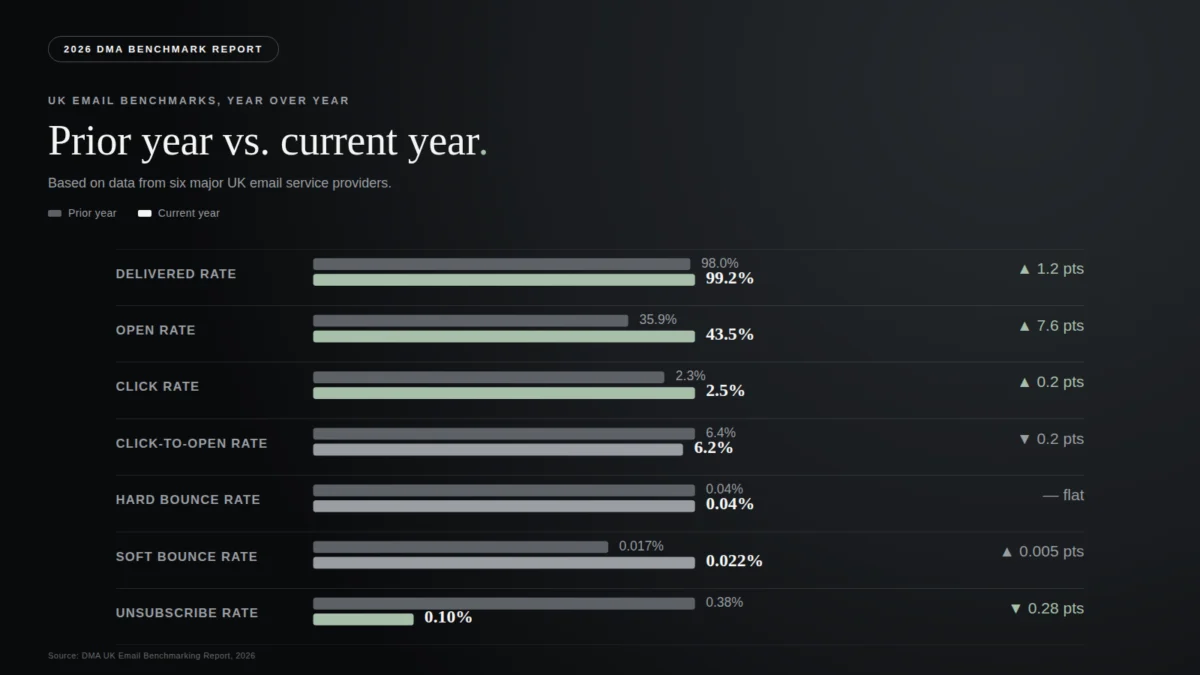
The reliability of traditional email metrics has been steadily declining. Open rates, a long-standing key performance indicator, became unreliable following Apple’s Mail Privacy Protection (MPP) rollout in 2021, which pre-fetched email content, artificially inflating open counts. Clicks, while seemingly more robust, are increasingly affected by bot activity and security scanners that automatically click links, distorting engagement data. The panel emphasized the urgent need for marketers to look beyond these top-level, vanity metrics and cultivate a richer, more accurate picture of engagement and return on investment.
More meaningful signals, according to the experts, include downstream conversions, website visits directly attributable to email campaigns, time spent on site, and specific behavioral actions such such as replies, adding items to a cart, or completing a form. Furthermore, the panel suggested considering offline performance, such as foot traffic in physical retail locations that can be directly attributed to an email program. While these metrics can be more complex and resource-intensive to collect and analyze, they offer a far more accurate and holistic story about the true impact and effectiveness of an email program. The implication is a move towards sophisticated analytics and attribution models, integrating email data with broader customer journey insights to demonstrate tangible business results. This requires stronger integration between ESPs, CRMs, and analytics platforms.
AI-Generated Code: Innovation Meets the Imperative of Rigorous Testing
The session also touched upon a cautionary note concerning the rapid proliferation of AI tools for generating email code. While these tools undoubtedly streamline the development process, making it easier to create templates, the panel warned that AI-generated code doesn’t always perform reliably across the vast and fragmented ecosystem of real-world inboxes. A template that appears flawless in a development preview environment can unexpectedly break or render incorrectly in specific clients like Outlook, various Gmail apps, or different dark mode environments.
The message was unequivocal: AI is a powerful starting point for email development, but it is not the finish line. Comprehensive email testing across a multitude of mailbox providers, devices, and environmental settings remains absolutely non-negotiable. Marketers and developers must integrate rigorous testing protocols into their workflows to ensure consistent rendering and functionality, safeguarding the user experience and brand reputation. The broader implication is that while AI offers immense efficiency gains, human oversight, expertise, and diligent quality assurance are still paramount in email development, especially given the historical inconsistencies of email client rendering.
Expert Panel Addresses Critical Community Questions
The "Where Is Email Marketing Headed in 2026?" session generated a flurry of insightful questions from the Litmus Live chat. While time constraints prevented the panelists from addressing all queries live, Guy Hanson, Danielle Gallant, and Al Iverson later convened to tackle some of the most pressing questions, providing further clarity and strategic guidance.
DMARC Policy Evolution: Quarantine vs. Reject
A key question revolved around the future of DMARC requirements: Will a "p=quarantine" policy suffice for compliance, or will "p=reject" become the industry standard?
Guy Hanson explained, "Mailbox providers want to tighten up on all the senders who still rely on p=none because this policy implies the sender isn’t taking any action based on their DMARC reporting data. In the context of our prediction, p=quarantine will be fine, although we recommend moving to p=reject when you’re confident all your legitimate email traffic is accounted for." This suggests a gradual but firm push towards stricter enforcement.
Al Iverson added a strong preference for a more robust stance: "I personally think ‘reject’ is better than ‘quarantine’ when it comes to DMARC protection—block that bad stuff at the edge!" He pointed to Valimail’s recent DMARC report for further insights, emphasizing the proactive security benefits of rejecting unauthorized emails.
Danielle Gallant expanded on the authentication theme, stating, "In addition to a p=reject requirement for DMARC, I expect there will soon be requirements for strict DKIM and SPF alignment too. Make sure everything is aligned to save yourself future frustration." This comprehensive view underscores that DMARC is part of a larger, integrated email authentication ecosystem that will become increasingly critical. The implication is a future where only fully authenticated emails stand a strong chance of reaching the inbox.
Content Strategy in an AI-Driven Inbox: Text vs. Image Balance
With AI summaries becoming prevalent, attendees questioned whether text-heavy emails might now be favored over image-heavy ones, and if this conflicts with keeping CTAs above the fold.
Guy Hanson advocated for balance: "Balanced is best. Make sure the text you want AI summaries to surface is accessible—use headings, alt text, meaningful CTAs, and semantic HTML. These are all accessibility best practices anyway, so the benefits extend well beyond AI." This highlights the synergy between accessibility and AI optimization.
Al Iverson reinforced this, noting, "Just be careful not to blow up your email code for AI summaries. Balanced text and imagery were already best practice before AI inboxes arrived—this just reinforces the need for them." The consensus is that foundational best practices for readability and clarity remain paramount, with AI simply adding another layer of consideration.
The Mechanics of AI Summaries: Bot Interaction and Tracking
A critical technical question arose: Does the generation of AI email summaries involve a bot open?
Guy Hanson confirmed, "Yes, we’ve seen research that backs this up." This insight is crucial for understanding how AI interacts with email content and potentially impacts engagement metrics.
Danielle Gallant provided practical advice for marketers dealing with this: "Thankfully, there are ways to identify bot clicks through time-to-click analysis, honeypot links, and ESP support." She referenced a detailed article by Megan Farquharson on identifying bot clicks, underscoring the ongoing need for sophisticated analytics to distinguish genuine engagement from automated interactions.
Beyond the Click: The Value of Mailto Links vs. Organic Replies
The panel was asked whether clicking a "mailto" link serves the same purpose as an organic reply in terms of mailbox provider engagement metrics.
Guy Hanson clarified the distinction: "A mailto link is a great way to encourage two-way dialogue, but it won’t send the same strong intent signal to mailbox providers that an organic reply does. Be intentional about designing emails that invite real replies—encourage subscribers to respond and make it easy for them to do so." This emphasizes the qualitative difference in engagement signals.
Al Iverson seconded this, stating, "Just to second what Guy is saying, mailbox providers are firm in their guidance that replies help, so I would definitely encourage them." The implication is that genuine, unprompted replies are a powerful indicator of subscriber interest and a strong positive signal for sender reputation.
Cross-Channel Engagement: Integrating Offline and Online Metrics
A pertinent question addressed how engagement metrics outside the email ecosystem, such as offline purchases, affect mailbox provider reputation.
Guy Hanson provided a compelling perspective, particularly regarding major providers: "Mailbox providers, especially Google, already have cross-channel visibility. A subscriber who receives your email in Gmail, searches your brand on Google, browses your site in Chrome, and watches a product review on YouTube before buying? Google can connect all of those dots." This highlights the holistic view that large tech companies have of user behavior, meaning that email performance is increasingly judged within the context of a broader digital footprint. Marketers need to think about email as one touchpoint in a connected customer journey.
B2B Email Marketing in 2026: Unique Challenges and Strategies
Finally, the panel considered how their predictions apply specifically to B2B email marketing.
Danielle Gallant recommended a deeper dive into a podcast episode she and Guy Hanson recorded: "Guy and I recently recorded a live episode of our podcast at the MarketingProfs B2B Forum diving deeper into this topic. We cover how B2B email success hinges on strong consent practices, ongoing list maintenance, reputation management, and realistic performance measurement—all through the lens of the unique challenges B2B senders face, from higher churn and stricter filtering to longer buying cycles." She noted that while there are similarities with the B2C insights, B2B email marketing requires specific nuances due to its distinct audience behavior, sales cycles, and compliance requirements. This reinforces the need for tailored strategies that account for the professional context of B2B communications.
Charting a Course for Email Success in 2026
The "Where Is Email Marketing Headed in 2026?" session at Litmus Live 2026 provided an invaluable roadmap for email marketers navigating an increasingly complex and technologically advanced landscape. While the challenges in deliverability, engagement measurement, and content strategy persist and evolve, the insights shared by Guy Hanson, Danielle Gallant, and Al Iverson offer clear pathways for adaptation and success. The overarching message is one of proactive engagement: adopting robust authentication, prioritizing genuine relevance and value, crafting content for both human and algorithmic consumption, and embracing a more sophisticated approach to performance measurement.
The collective expertise of the email marketing community remains a critical resource in addressing these evolving dynamics. For those seeking to deepen their understanding and ensure their email programs are optimized for the future, the full session recording is available on the Litmus website and YouTube. Additionally, to benchmark current performance against industry standards and stay ahead of critical deliverability and engagement trends, Validity’s 2026 Email Deliverability Benchmark Report offers further strategic insights, providing marketers with the data needed to send with confidence in the years ahead. The future of email marketing is not merely about sending messages, but about fostering trust, delivering genuine value, and mastering the intricate dance between human connection and algorithmic efficiency.