rifanmuazin
The affiliate marketing industry is currently navigating a significant shift following the recent removal of PayPal Honey, one of the sector’s most prominent players, from two of the largest affiliate networks in the United States. In a series of rapid developments that coincided with the industry’s premier annual conference, Rakuten Advertising and Impact.com both took disciplinary action against the browser extension publisher. These moves come six years after PayPal’s landmark $4 billion acquisition of Honey Science Corp, a deal that at the time signaled the massive potential of coupon and rewards technology in the e-commerce ecosystem. However, recent investigations into the platform’s technical practices have led to allegations of "attribution manipulation" and "stand-down" violations, resulting in its termination from Rakuten and a suspension from the Impact.com Discovery Marketplace.
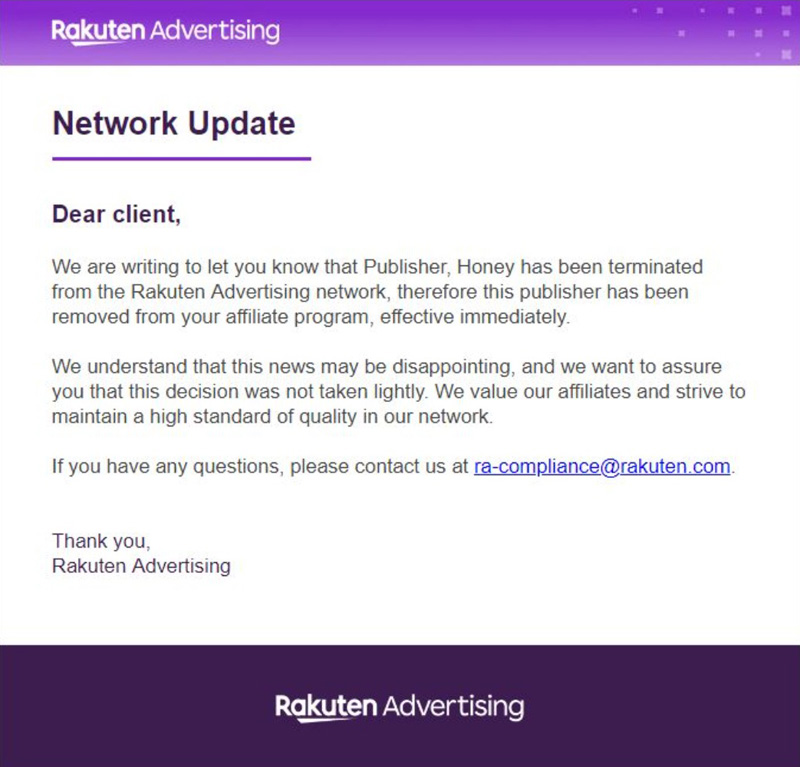
The fallout began in mid-January 2026, creating a ripple effect across the digital marketing landscape. On Monday, January 12, Rakuten Advertising officially announced that Honey had been terminated from its network. In a statement accompanying the move, the network emphasized its commitment to maintaining a "high standard of quality," suggesting that the publisher’s actions no longer aligned with the network’s integrity requirements. The timing of the announcement was particularly impactful, as it occurred on the opening day of Affiliate Summit West, the largest affiliate marketing conference in the U.S. By Friday, January 16, Impact.com followed suit, declaring Honey "out of compliance" with platform policies and removing it from their primary marketplace.
A Chronology of Investigation and Enforcement
The disciplinary actions taken by the networks were not arbitrary but followed a period of intense scrutiny by industry watchdogs and technical investigators. The catalyst for these removals can be traced back to two primary sources: a detailed video exposé by the investigative creator MegaLag and a technical investigation conducted by Ben Edelman, a well-known expert in web transparency and affiliate fraud.
Edelman’s investigation focused on Honey’s "stand-down" mechanisms. In the affiliate industry, browser extensions are typically required to follow "stand-down" rules, which dictate that an extension should not fire its own affiliate link if another affiliate’s cookie is already present in the user’s clickstream. This rule is designed to prevent "last-click" hijacking, where an extension takes credit—and the resulting commission—for a sale that was actually driven by a content creator, blogger, or review site that the consumer visited earlier in their journey.
The investigations alleged that PayPal Honey was not only violating these rules but was also utilizing sophisticated methods to detect when it was being tested by auditors. By identifying and responding differently to "testers" or "mystery shoppers," the extension allegedly concealed its non-compliant behavior from network oversight teams. These findings suggested a level of intentionality that moved the issue from a technical glitch to a breach of platform trust.
Understanding Attribution Manipulation and Stand-Down Violations
To grasp the severity of the situation, it is necessary to understand the mechanics of affiliate attribution. Most modern affiliate programs operate on a "last-touch" attribution model. This means the affiliate responsible for the final click before a purchase receives 100% of the commission. Because browser extensions like Honey reside within the user’s browser and often activate at the checkout page, they are in a unique position to claim the "last click" even if they did not contribute to the initial discovery of the product.

To protect the ecosystem, networks and brands implement "stand-down" policies. These policies require extensions to remain dormant if a valid affiliate cookie from another source is already active. The allegations against Honey centered on "attribution manipulation," where the software would overwrite existing cookies to claim commissions it had not earned according to the agreed-upon rules. Impact.com’s CEO explicitly cited this behavior as the cause for the platform’s suspension of the publisher, noting that such actions undermine the "partnership economy."
Official Responses and Network Statements
The response from the affiliate networks has been characterized by a focus on ecosystem health. Rakuten Advertising’s decision to "terminate" Honey suggests a permanent or long-term severance of the relationship, citing the need for quality control. This is a significant move considering the volume of transactions Honey typically processes, which represents a substantial revenue stream for any network.
Impact.com’s response was slightly more nuanced, categorizing the move as a suspension from the "Discovery Marketplace." This implies that while Honey may currently be out of compliance with general platform policies, there may be a path toward remediation, or that individual brands can still choose to work with the publisher via private contracts, though they will no longer be promoted as a verified partner in the general marketplace.
The reaction at Affiliate Summit West was one of both surprise and validation for many long-time practitioners. For years, content-based affiliates—such as bloggers and news sites—have complained that browser extensions "poach" their commissions at the eleventh hour. The decisive action by Rakuten and Impact is being viewed by many as a long-overdue enforcement of rules that protect top-of-funnel creators.
Implications for Affiliate Managers and Brand Strategy
The removal of a $4 billion entity from major networks serves as a landmark case study for affiliate program management. Industry experts are highlighting several critical lessons that brands must take away from this event to ensure the longevity and fairness of their marketing efforts.
First, the incident underscores the "one bad apple" theory in digital partnerships. When a program allows a non-compliant affiliate to remain active, it often drives away high-quality content creators. Savvy affiliates use policing tools to see which other partners a brand works with; if they see a publisher known for cookie-overwriting, they may choose not to promote that brand, fearing their efforts will never be compensated.
Second, there is an increasing call for brands to conduct their own independent policing. While networks provide the infrastructure for affiliate marketing, their compliance departments often monitor for violations of network-wide rules rather than brand-specific terms and conditions. Furthermore, networks may face a conflict of interest, as they often earn a percentage of the revenue generated by large publishers like Honey. This incident suggests that brands must be proactive in enforcing their own Terms and Conditions (Ts & Cs) rather than relying solely on third-party oversight.
Technical Complexity and the Future of Browser Extensions
The Honey case also highlights the technical complexity of modern affiliate marketing. Distinguishing between a "soft click," a "stand-down violation," and legitimate "conversion optimization" requires a high level of technical literacy. Recent studies by organizations like The Affiliate & Partner Marketing Association (APMA) in the UK have emphasized the need for independent audits of attribution rules.
An APMA audit of thirty brands across ten networks revealed that attribution discrepancies are widespread. The study provided recommendations for the industry to move toward more transparent tracking technologies. For browser extensions to remain a viable part of the affiliate mix, experts suggest they must move toward a model that rewards incremental value rather than simply being the last piece of software to fire before a transaction is completed.
Diversification as a Risk Management Strategy
Perhaps the most significant implication for brands is the necessity of affiliate base diversification. Many affiliate programs have become overly reliant on a small number of large-scale publishers. In some instances, a single publisher like Honey could account for more than 50% of a program’s total affiliate-referred revenue. When such a publisher is removed due to policy violations, the brand faces a catastrophic drop in sales.
To mitigate this risk, industry analysts recommend that brands expand their partnerships across a wider variety of affiliate types. A robust program should ideally include a mix of the following categories:
- Content Producers: Bloggers, news outlets, and niche reviewers who drive initial product discovery.
- Loyalty and Cashback: Platforms that offer rewards to closed user groups or specific membership bases.
- Social Media Influencers: Creators who drive engagement through platforms like Instagram, TikTok, and YouTube.
- Technology Partners: Solutions for cart abandonment, retargeting, and post-checkout engagement.
- Niche Communities: Forums and affinity groups that cater to specific hobbies or demographics.
By spreading revenue across these diverse categories, brands can protect themselves from the volatility associated with any single publisher’s compliance issues or network status.
Conclusion: A Turning Point for the Partnership Economy
The termination and suspension of PayPal Honey from Rakuten Advertising and Impact.com marks a pivotal moment in the history of affiliate marketing. It signals a shift toward greater accountability and a rebalancing of the scales between "last-click" technology and the creators who drive initial consumer intent. As the industry moves forward into 2026, the focus is expected to remain on transparency, technical compliance, and the development of attribution models that fairly reward all contributors in the purchase funnel. For PayPal and Honey, the path forward will likely involve a rigorous review of their technical practices and a concerted effort to rebuild trust with the networks and brands that form the backbone of the affiliate ecosystem.