rifanmuazin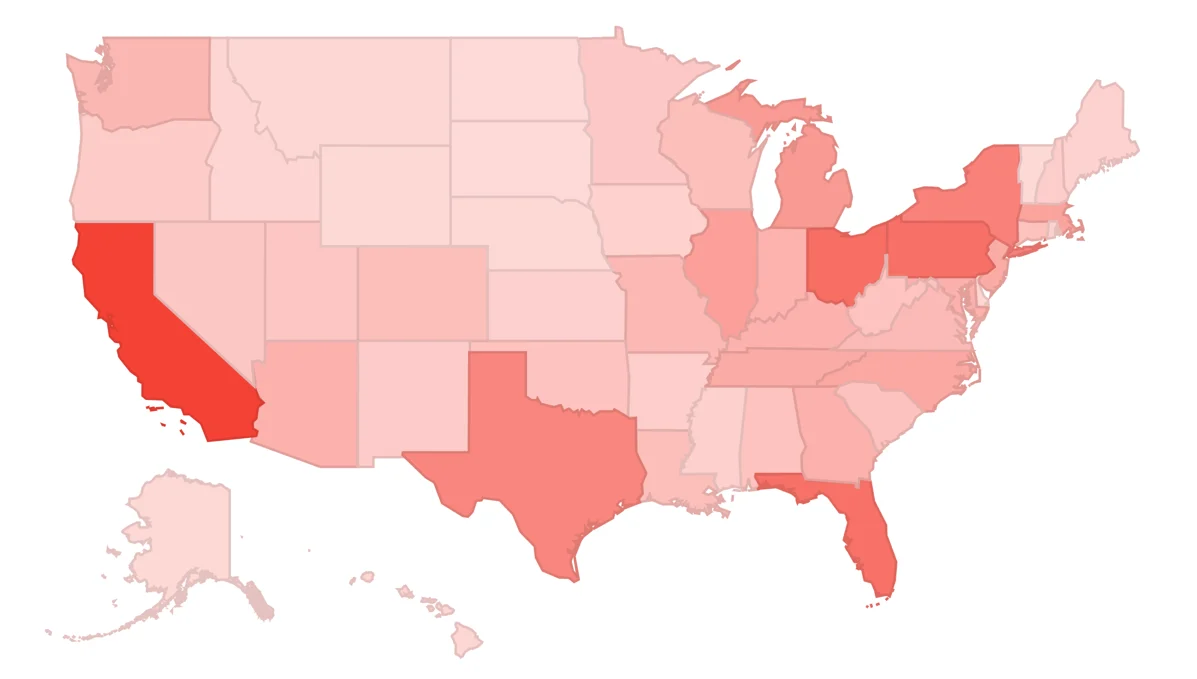
The United States is currently grappling with one of the most significant public health challenges in its history, characterized by a staggering increase in drug overdose deaths primarily driven by opioids. Data analysis over recent years indicates that what began as a localized issue in specific regions has evolved into a nationwide epidemic with profound global implications. Recent longitudinal studies and data visualizations drawing from the Centers for Disease Control and Prevention (CDC), the United Nations Office on Drugs and Crime (UNODC), and demographic research platforms like FiveThirtyEight reveal a complex narrative of addiction, lethality, and shifting demographic patterns. Understanding the magnitude of this crisis requires a deep dive into the statistical trends that define the current drug landscape, comparing the lethality of opioids against other controlled substances and examining how the United States compares to the rest of the world in terms of mortality.
Tracing the Origins: The Three Waves of the Epidemic
To understand the current state of the opioid crisis, it is essential to view it through the lens of three distinct "waves" identified by public health officials. The first wave began in the late 1990s, characterized by a sharp increase in prescriptions for opioid medications. Following the introduction of OxyContin and similar painkillers, pharmaceutical marketing campaigns downplayed the risk of addiction, leading to widespread over-prescription. This created a foundation of physical dependency across a broad cross-section of the American population.
The second wave emerged around 2010, marked by a rapid increase in overdose deaths involving heroin. As state and federal regulations tightened around prescription opioids, making them harder and more expensive to obtain, many individuals suffering from dependency transitioned to heroin, which was often cheaper and more readily available on the illicit market.
The third wave, which began around 2013, is defined by the surge in deaths involving synthetic opioids—particularly illicitly manufactured fentanyl. Fentanyl is significantly more potent than heroin and is often mixed into other drugs, such as cocaine or counterfeit pills, without the user’s knowledge. This third wave has accelerated mortality rates to unprecedented levels, as the margin for error with synthetic opioids is incredibly slim.
Comparative Mortality: Why Opioids Pose a Disproportionate Threat
One of the most striking findings in recent data analysis is the disparity between drug usage rates and mortality rates. According to data from FiveThirtyEight regarding drug use by age, substances like marijuana, cocaine, and hallucinogens often show higher rates of recreational use across various age groups than heroin. However, the lethality of heroin and other opioids dwarfs that of almost all other drug categories combined.
While cocaine and crack cocaine show a more distributed adoption rate among older age groups—specifically those aged 35 to 60—heroin usage is most concentrated among the 20 to 34 demographic. This concentration may be a result of the drug’s high lethality; many users do not survive long enough to be represented in older age brackets. The data suggests that while a smaller percentage of the population may use opioids compared to alcohol or marijuana, the risk of a fatal outcome is exponentially higher. This discrepancy highlights the necessity of focusing public health interventions specifically on opioid-related harm reduction, as the "usage-to-death" ratio is uniquely skewed for this class of drugs.
The Global Perspective: The United States as a Statistical Outlier
When placed in a global context using UNODC data, the United States stands out as the primary epicenter of the overdose crisis. In both absolute numbers and deaths per million people, the U.S. leads the pack among developed nations. While other countries like Sweden, Australia, and El Salvador report high death rates per capita, they remain significantly lower than the rates observed in the United States.
Iceland is frequently cited as an outlier in these datasets. While it shows a high number of deaths per million people, this is largely a statistical artifact of its very small population. A few dozen deaths in a population of roughly 370,000 can result in a high per-capita rate that does not necessarily reflect the same systemic epidemic seen in the U.S. In contrast, the American crisis is characterized by tens of thousands of deaths annually across a population of over 330 million, indicating a deep-seated societal issue.
The global data also suggests that the opioid crisis is not a universal phenomenon. Many European and Asian nations have maintained relatively stable overdose rates through a combination of stricter prescription monitoring, robust social safety nets, and different cultural attitudes toward pain management and drug use. The American experience appears to be a unique confluence of aggressive pharmaceutical marketing, healthcare system vulnerabilities, and the rapid infiltration of synthetic opioids into the domestic supply chain.
Geographic Hotspots and Regional Disparities
Within the United States, the epidemic does not impact all regions equally. Data from the CDC sheds light on the "hotspots" where the crisis is most acute. Traditionally, the Appalachian region—including states like West Virginia, Ohio, and Kentucky—has seen the highest rates of overdose deaths. These areas were hit hard by the first wave of prescription opioids, often due to high rates of physical labor in industries like mining and manufacturing, which led to high rates of chronic pain and subsequent over-prescription.
However, recent trends show the crisis expanding into New England and the Midwest. States like New Hampshire and Massachusetts have reported significant spikes in fentanyl-related deaths. Conversely, some states in the Western U.S. have shown more stable trends, though no region remains entirely unaffected. The data also identifies "development trends," showing which states are successfully slowing the rate of increase and which are seeing an acceleration in mortality. Insights from these geographic patterns include:
- Socio-Economic Correlation: There is a strong correlation between areas of economic decline and high overdose rates, suggesting that "deaths of despair" are a significant factor in the epidemic.
- Access to Treatment: States with expanded Medicaid and better access to Medication-Assisted Treatment (MAT) tend to show better outcomes in managing the crisis than those with more restrictive healthcare policies.
- Fentanyl Saturation: The transition from heroin to fentanyl is occurring faster in Eastern states than in the West, though the gap is rapidly closing as supply lines shift.
Economic and Societal Burdens
The implications of the opioid crisis extend far beyond the tragic loss of life. The economic burden is estimated to be in the hundreds of billions of dollars annually. This includes healthcare costs for treating overdoses and neonatal abstinence syndrome, lost productivity due to premature death or disability, and the increased strain on the criminal justice and foster care systems.
The societal impact is equally devastating. The crisis has led to a significant increase in the number of children entering the foster care system as parents struggle with addiction or succumb to overdoses. Furthermore, the epidemic has contributed to a decline in overall life expectancy in the United States, a rare and alarming trend for a developed nation. Public health experts argue that the crisis is not just a medical issue but a systemic one that requires a multi-faceted response involving education, economic revitalization, and a fundamental shift in how the healthcare system manages pain.
Strategic Responses and Future Outlook
In response to the mounting data, federal and state agencies have implemented several strategies to combat the crisis. The "War on Drugs" approach of previous decades has largely given way to a public health-oriented model. Key initiatives include:
- Prescription Drug Monitoring Programs (PDMPs): Electronic databases that track the prescribing and dispensing of controlled substances, helping to identify "doctor shopping" and inappropriate prescribing patterns.
- Harm Reduction: The widespread distribution of Naloxone (Narcan), a life-saving medication that can reverse opioid overdoses, and the establishment of syringe exchange programs to prevent the spread of infectious diseases.
- Expansion of Treatment: Increasing access to buprenorphine and methadone, which are proven to help individuals maintain recovery and reduce the risk of relapse.
- Law Enforcement Focus: Shifting the focus of law enforcement from individual users to the large-scale traffickers of synthetic opioids like fentanyl.
While these efforts have shown promise in certain areas, the data suggests that the crisis is still evolving. The rise of "polysubstance use"—where users combine opioids with stimulants like methamphetamine—presents new challenges for treatment providers.
Conclusion: The Role of Data in Shaping Policy
As the three-month deep dive into these datasets concludes, it becomes clear that data is more than just numbers on a spreadsheet; it is a vital tool for understanding the "trends and patterns of the world around us." For analysts and policymakers, the goal is to translate these visualizations into actionable strategies that save lives.
The opioid epidemic is a reminder of the fragility of public health and the consequences of systemic failure. However, by analyzing the immensity of the problem through clear, objective data, society can better understand where it stands and how to navigate the path forward. The call to action for the global community is clear: use the skills of data analysis and public health research to address the root causes of addiction, improve treatment outcomes, and ultimately, foster a safer and healthier environment for future generations. The journey to understand the epidemic is an ongoing one, but with continued focus on empirical evidence and compassionate intervention, there is a path toward mitigation and recovery.