rifanmuazin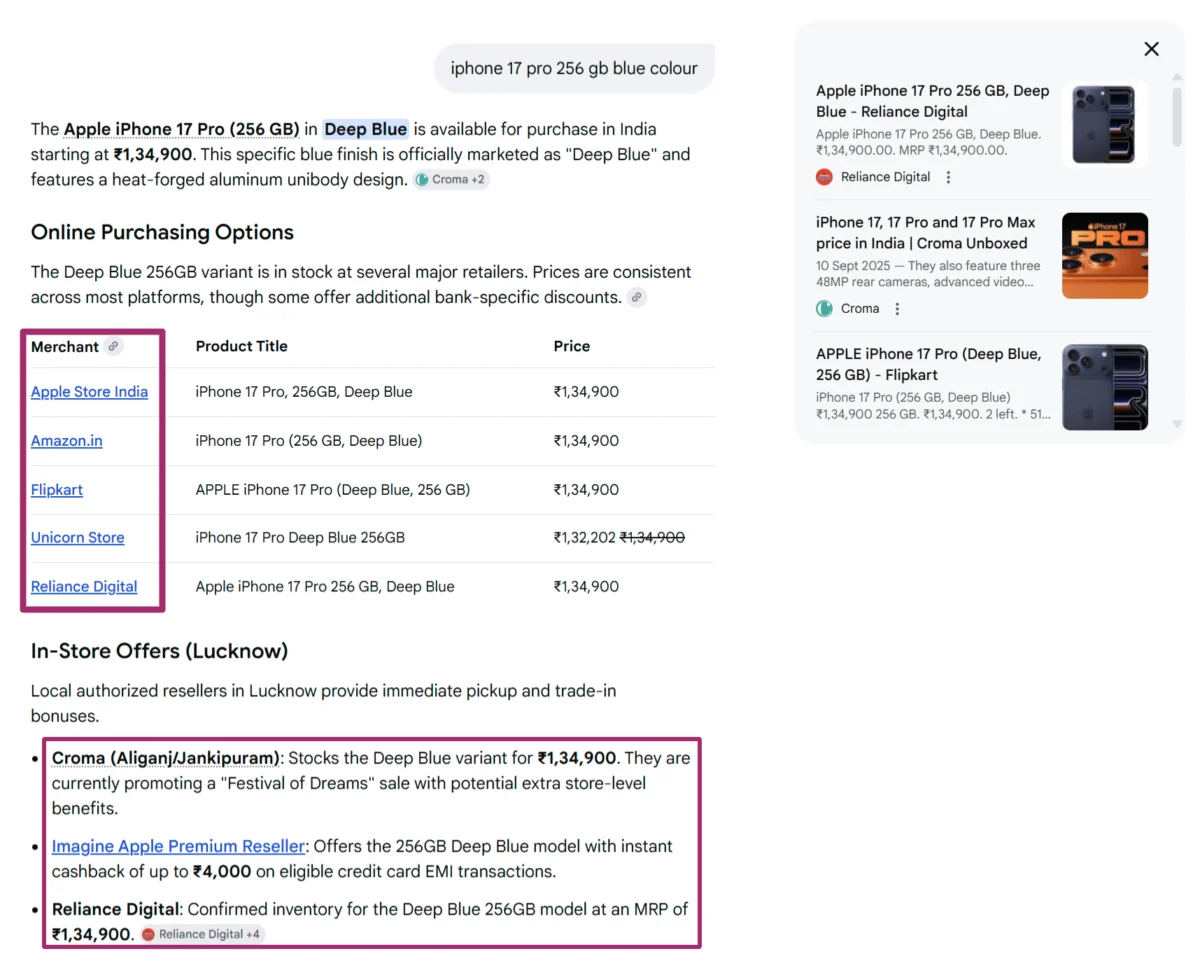
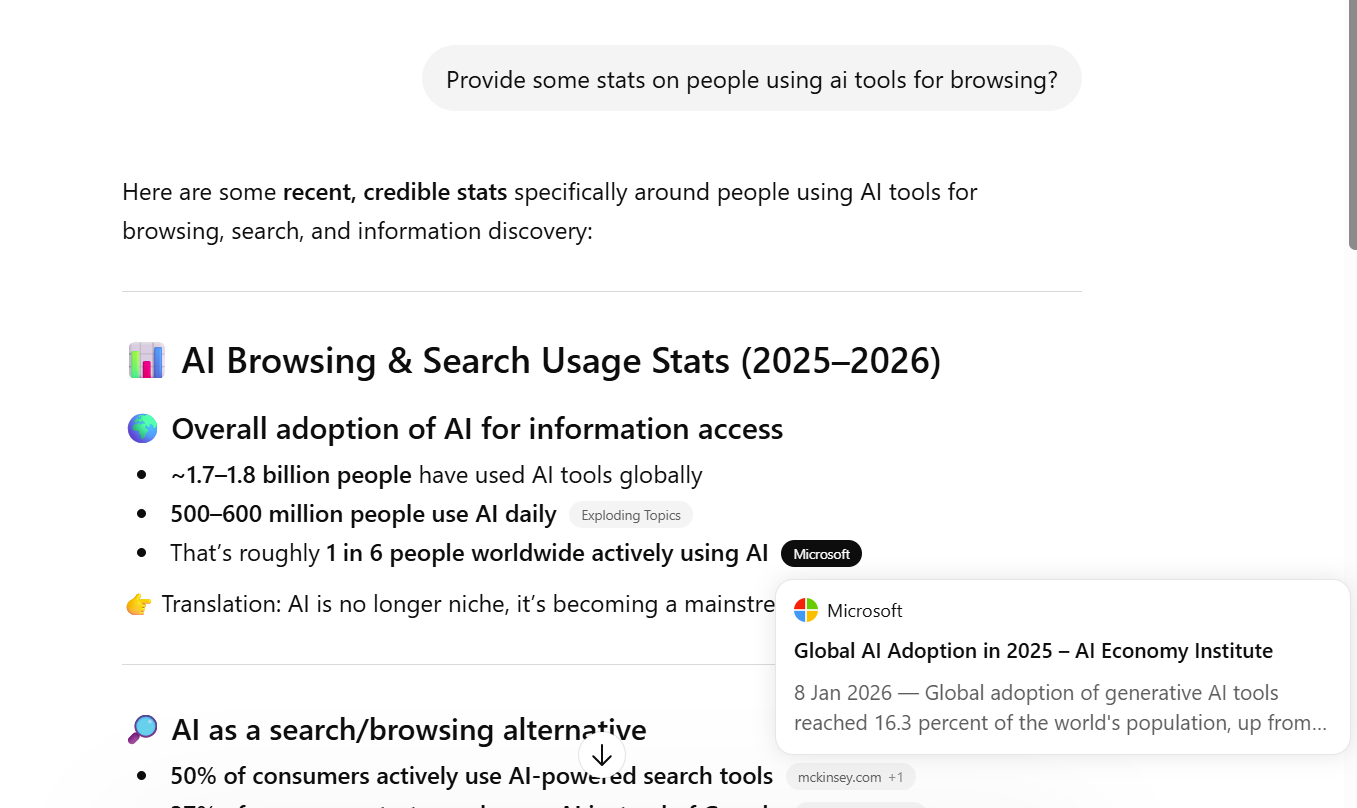
The evolution of search, driven by large language models (LLMs) and AI tools like ChatGPT, Gemini, and Perplexity, has introduced a new metric of success: the AI citation. Traditionally, a citation signified the academic or journalistic practice of acknowledging source material, lending credibility and traceability. In the context of AI, this concept is recontextualized. AI citations are the explicit references that search engines and AI tools include to substantiate the answers they generate. When an AI responds to a user query, it frequently points to specific web pages or sources that underpin the provided information. These references function as crucial signals of credibility, enabling users to trace the origin of the answer and delve deeper into the original content. Crucially, if content is cited by an AI, it becomes an integral part of the answer itself, transcending the status of just another link in a list of search results.
The Paradigm Shift: AI Citations vs. the Blue Link Era
The emergence of AI citations signifies more than just a feature update; it represents a profound redefinition of how digital visibility is acquired. In the traditional "blue link era" of search, the primary goal was to achieve higher rankings on Search Engine Results Pages (SERPs) to secure more clicks and, consequently, more website traffic. Success was measured by click-through rates and organic traffic volume.
With AI-driven search, the landscape has changed dramatically. While traditional SEO metrics like rankings, indexing, and backlinks still hold relevance, their ultimate value is now channeled through the lens of AI interpretation. The competition is no longer solely about securing a top position on a results page; it’s about earning a place within the AI-generated answer. This translates to an "influence-driven" traffic model, where the brand’s presence in an AI summary can shape user perception and decision-making long before a click occurs. Users are increasingly consuming instant answers, often negating the need to visit a website.
For instance, a 2023 study by Adobe found that 67% of users find AI tools more efficient than traditional search for getting answers, highlighting a clear preference for direct, summarized information. This means that a brand cited by AI gains implicit endorsement, fostering trust and authority even without a direct visit. Conversely, absence from AI citations could mean being entirely excluded from a user’s initial consideration set.
Understanding the Origins of AI Citations
To effectively earn AI citations, it’s vital to comprehend their genesis. AI models draw their answers from a vast and complex information ecosystem, far beyond merely the top-ranking web pages. This ecosystem includes a blend of:
- Public Web Content: Websites, blogs, news articles, forums, and other publicly accessible online resources.
- Structured Data: Information extracted from databases, knowledge graphs, and well-organized content, often enhanced with Schema markup.
- Academic and Research Papers: Scholarly articles, journals, and scientific studies, particularly for highly specialized or technical queries.
- Proprietary Datasets: Information from licensed databases, subscription services, or internal knowledge bases that AI developers have access to.
- Multimedia Content: Videos, images, and audio transcripts that provide visual or auditory explanations.
A key insight into this process comes from analyses of Google’s AI Overviews. A recent study indicated that only about 38% of sources cited in AI Overviews ranked within the top 10 traditional search results. This suggests that AI systems are not simply mirroring traditional SERP rankings but are employing a more sophisticated selection process, often drawing from deeper pages or alternative formats that possess high relevance and authority for the specific query. Furthermore, research by CXL found that AI models frequently prioritize clear, concise answers presented early within content, indicating a preference for easily extractable information rather than requiring deep textual analysis. This implies that AI systems are not just ranking content for overall relevance but are dissecting it to select the most useful and digestible fragments of information, irrespective of its conventional ranking position.
Diverse Forms of AI Citations
AI citations manifest in several forms, tailored to the nature of the user’s query and intent:
- Informational Citations: These are the most prevalent, appearing when users seek explanations, definitions, or educational content. AI tools reference blog posts, comprehensive guides, and educational articles to clarify concepts or answer factual questions. For example, a query like "what is quantum entanglement?" would typically yield informational citations from scientific publications or educational platforms.
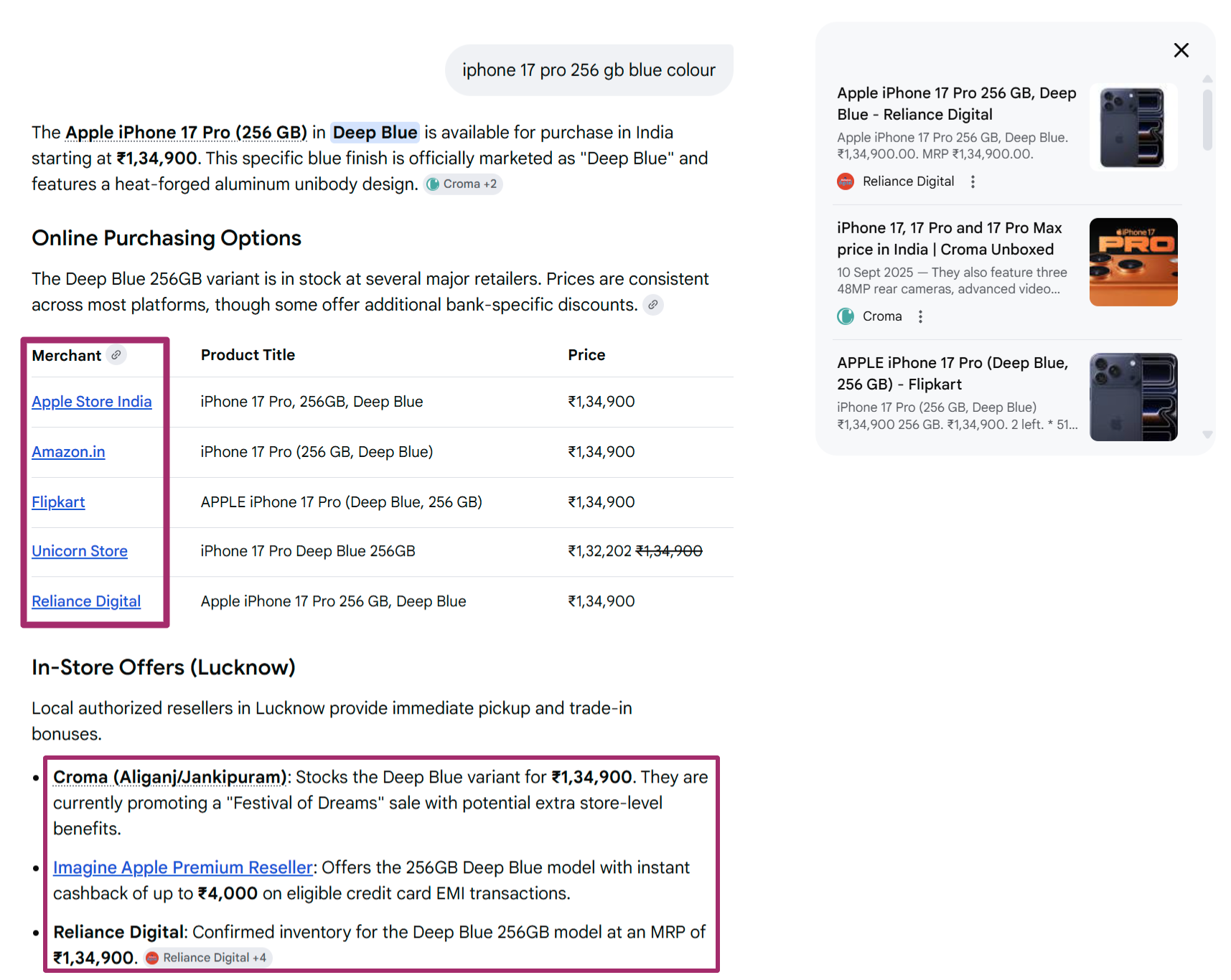
- Product Citations: These emerge in response to commercial or comparative queries, such as "best noise-canceling headphones" or "top CRM software." Here, AI models cite product pages, detailed listicles, expert reviews, and comparison articles to support recommendations. These citations directly influence purchasing decisions by highlighting specific brands or products.
- Multimedia Citations: AI’s reliance isn’t solely on text. Videos, images, infographics, and other visual or auditory formats are increasingly cited, especially when they offer a clearer or more effective explanation than text alone. Tutorials, walkthroughs, and demonstrations on platforms like YouTube can be cited to answer "how-to" queries or illustrate complex processes. For example, a search for "how to change a car tire" might include a citation to a video tutorial.
The Profound Impact of AI Citations on Brand Credibility
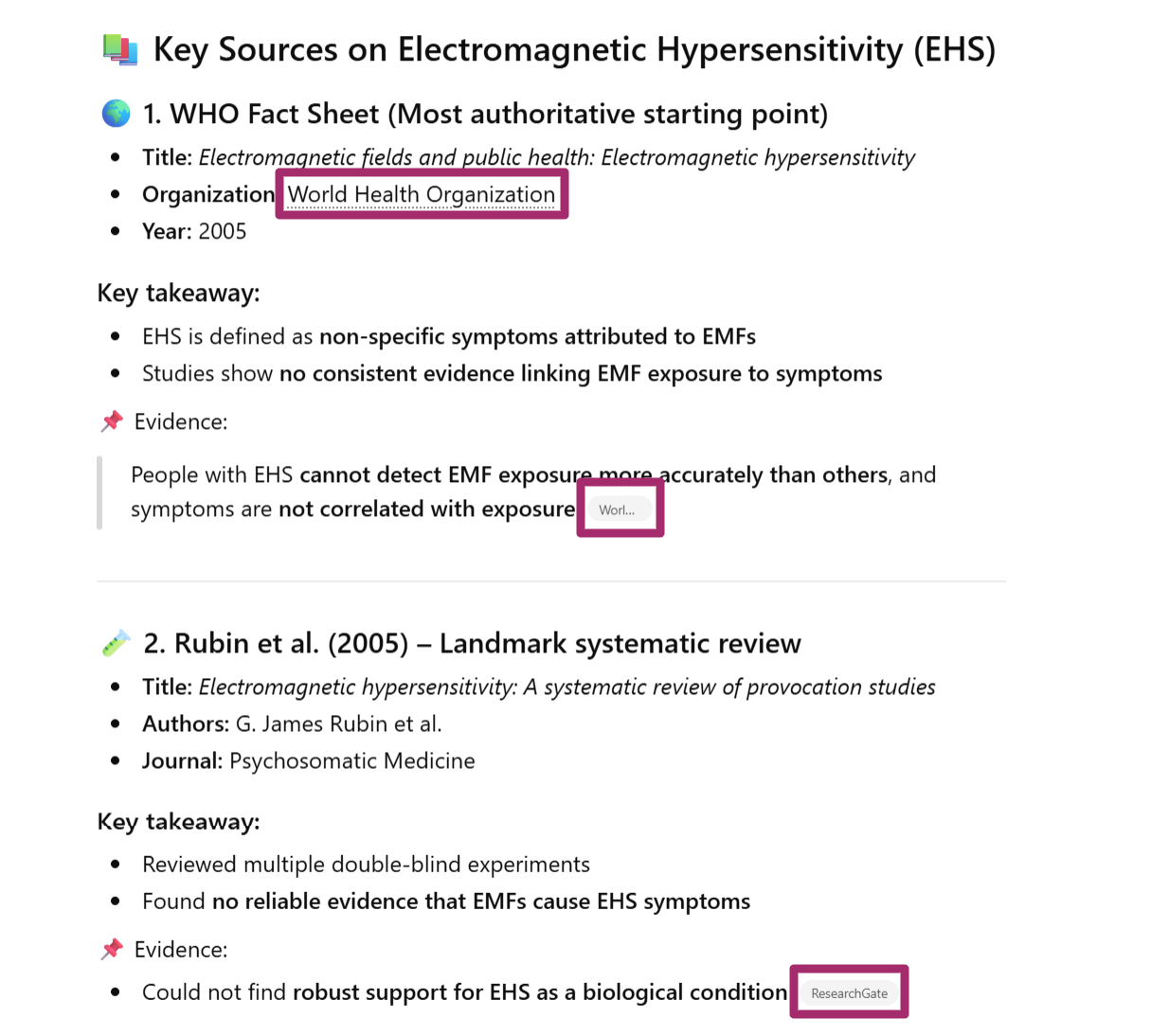
AI citations extend beyond mere visibility; they profoundly shape a brand’s perception before a user even navigates to its website. When a brand’s content is cited in an AI-generated answer, a portion of the AI’s inherent trust and authority is implicitly transferred to that brand. This elevates the brand beyond being a mere search result; it becomes an authoritative voice within the answer itself, fundamentally altering how users interpret its expertise and reliability.
This also means that critical buyer decisions are initiated much earlier in the user journey. Users may form initial opinions, curate shortlists, or even make definitive choices directly from AI responses, often bypassing the traditional click-through process. If a brand is not cited, it risks being entirely omitted from this crucial early consideration set, potentially losing out on significant market share. The inclusion in AI answers signals not just content optimization, but genuine utility and contextual relevance, reinforcing to both users and algorithms that the brand is deserving of prominence. Over time, consistent citation builds a compounding effect, embedding the brand within specific topical domains, fostering familiarity, solidifying authority, and building enduring trust.
Deconstructing the Mechanism: How AI Citations Operate
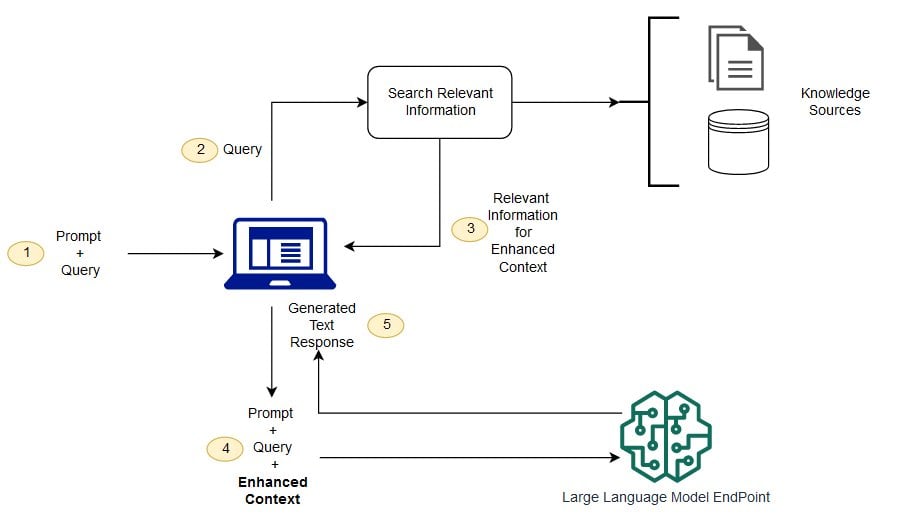
The process by which AI systems select content for citation is complex, yet structured. Most AI-powered search systems employ a retrieval-and-synthesis process, often underpinned by Retrieval-Augmented Generation (RAG) frameworks. In essence, AI models do not simply generate answers from scratch; they meticulously find, evaluate, and synthesize information from a multitude of sources before deciding which ones to cite.
Here’s a detailed breakdown of the typical process:
- Query Understanding: The initial step involves the AI precisely interpreting the user’s intent. This goes beyond keyword matching to discern whether the query is informational, navigational, commercial, or transactional. This deep understanding dictates the subsequent search strategy and the types of sources the AI will prioritize.
- Retrieval of Sources: The system then retrieves a diverse array of potential sources from its vast index. This includes a blend of web pages (from search engine indexes), knowledge graphs, structured data, and potentially specialized databases. This is the crucial stage where a brand’s content, if well-optimized, enters the pool of consideration.
- Source Evaluation: Not all retrieved sources are treated equally. AI models subject them to rigorous evaluation based on several critical factors:
- Relevance: How closely the content aligns with the user’s query.
- Accuracy: The factual correctness of the information.
- Credibility: The perceived trustworthiness of the source, often assessed by E-E-A-T signals (Experience, Expertise, Authoritativeness, Trustworthiness). This aligns with Google’s Quality Rater Guidelines, which emphasize these factors in human evaluation of content.
- Freshness: The recency of the information, particularly important for rapidly evolving topics.
- Completeness: Whether the source offers a comprehensive answer or only partial information.
- Clarity and Structure: How easily the information can be understood and extracted.
These signals collectively underscore the central role of E-E-A-T; AI systems are not just seeking answers, but reliable sources behind those answers.
- Answer Synthesis: The AI then synthesizes insights from multiple evaluated sources into a coherent, comprehensive answer. This is where different pieces of information are combined and rewritten to form a natural language response. A brand’s content may contribute to this synthesis even if it isn’t directly cited in the final output.
- Citation Selection: Finally, the model determines which specific sources to explicitly cite. This decision is based on a complex interplay of factors, including the directness of the answer provided by a source, its overall authority, and its contribution to the synthesized answer’s factual basis. The model might:
- Directly link to a source for a specific fact.
- Mention a brand or publication as the origin of an idea.
- Embed a visual or multimedia element with its source.
Differences Across AI Systems: While the core RAG process is similar, different AI tools exhibit unique preferences in citation behavior:
- ChatGPT: Often leans towards third-party sources and a consensus-based approach, frequently citing directories, reviews, and aggregator sites over exclusive brand-owned content. It seeks broad validation.
- Perplexity: Emphasizes a retrieval-first methodology, drawing from a wide spectrum of web sources and often surfacing multiple citations to ensure transparency and external validation for its claims.
- Gemini: Tends to prioritize brand-owned and structured content, especially pages that are clearly organized, semantically rich, and easy for the AI to interpret and extract information from.
Key Signals AI Models Use for Citing Content
Despite the complexity, the signals that enhance the likelihood of being cited are remarkably consistent:
- Accuracy and Factuality: Content must be verifiable and factually correct.
- Originality and Depth: Unique insights, primary research, or in-depth analysis are highly valued.
- E-E-A-T (Experience, Expertise, Authoritativeness, Trustworthiness): Demonstrated credibility of the author and the publishing entity.
- Clarity and Conciseness: Information presented in an easy-to-understand, direct manner.
- Structured Content: Clear headings, subheadings, lists, and semantic markup that facilitate answer extraction.
- Relevance to Query: Direct alignment with the user’s search intent.
- Freshness and Updates: Regularly updated content, especially for dynamic topics.
- Cross-Source Validation: Information corroborated by multiple reputable sources across the web.
Strategies to Secure AI Citations
Earning AI citations requires a strategic shift in content creation and optimization. It’s about sending clear signals that your content is not just present but worthy of being referenced.
-
Cultivate Citation-Friendly Content: Move beyond generic content to produce resources that offer unique value:
- Original Research & Data: Publish proprietary studies, surveys, or data analyses that provide novel insights. AI models value concrete evidence to support claims.
- In-depth Case Studies: Showcase real-world applications and outcomes. These help AI justify recommendations with verifiable proof of concept.
- Thought Leadership: Develop opinion-led content, whitepapers, or analyses offering unique perspectives. This adds depth and diversity to AI-generated answers, moving beyond mere factual recall.
- Timely News & Updates: Provide accurate, up-to-date coverage of recent developments, filling knowledge gaps where AI’s training data might be outdated.
-
Establish Topical Authority Through Content Clusters: AI models assess content not in isolation but within the broader context of a website’s coverage. By developing comprehensive content clusters around specific subjects – a "pillar page" supported by numerous "cluster content" articles addressing different facets of the topic – you signal deep expertise and reliability. This holistic approach naturally reinforces E-E-A-T, making your site a go-to source. Practical steps include conducting thorough keyword research to map out sub-topics, creating interlinked content series, and regularly updating older pieces within a cluster.
-
Strengthen Entity Signals (Brand, Authorship, Schema): AI systems evaluate not just what is said, but who is saying it. Strong entity signals help AI understand your brand’s identity, the credibility of your authors, and your domain authority.
- Robust Author Bios: Feature detailed author profiles highlighting credentials, experience, and expertise, ideally with links to professional social media or academic profiles.
- Organizational Schema: Implement Schema markup (e.g.,
Organization,Person,Article) to explicitly define your brand and authors to search engines and AI. - Consistent Branding: Maintain a consistent brand voice, visual identity, and messaging across all platforms to reinforce your entity.
-
Earn External Validation Signals Across the Web: AI models cross-reference information to validate credibility. Your brand’s trustworthiness isn’t solely built on your website; it’s reinforced by consistent, high-quality mentions across reputable third-party platforms. This means evolving traditional SEO practices like link building to encompass a broader strategy of earning:
- High-Quality Backlinks: From authoritative, topically relevant websites.
- Brand Mentions: Unlinked mentions of your brand or products in reputable publications.
- Industry Recognition: Awards, certifications, or features in industry-leading journals.
- Expert Endorsements: Recognition or citations from respected figures or organizations within your niche. This creates a web-wide validation layer that fortifies your brand’s entity.
-
Ensure Content Freshness and Regular Updates: AI models favor current information, especially for topics that are dynamic or time-sensitive. Outdated content is less likely to be trusted or cited. Implementing a content audit and update schedule is crucial. This involves:
- Regular Content Audits: Identify and refresh outdated statistics, broken links, or superseded information.
- Adding New Perspectives: Incorporate recent developments, research, or expert opinions to keep content relevant.
- Clear Update Timestamps: Displaying the "last updated" date can signal freshness to both users and AI.
-
Structure Content for Optimal Answer Extraction: AI models are designed to extract concise answers, not to "read" content sequentially like humans. The preference for clear, direct answers is evident in user behavior; a poll by IWAI indicates that 67% of users find AI tools more efficient than traditional search for obtaining answers. This mandates structuring content to facilitate easy extraction:
- "Answer-First" Approach: Begin sections or paragraphs with a direct answer to a potential question, followed by supporting details.
- Use Clear, Hierarchical Headings: Employ H2, H3, and H4 tags to break down content logically, making it scannable for both humans and AI.
- Summaries and Bullet Points: Provide concise summaries at the beginning or end of sections, and use bulleted or numbered lists for easy digestion of information.
- Dedicated FAQ Sections: Directly address common questions in an easily extractable format.
Tracking AI Brand Presence with Yoast AI Brand Insights
The rise of AI-generated answers has created a significant blind spot for traditional analytics tools, which excel at measuring website traffic but fall short in tracking brand mentions, sentiment, or citations within AI responses. This gap is precisely what Yoast AI Brand Insights aims to bridge, moving brands from speculative understanding to data-driven action.
Yoast AI Brand Insights provides a suite of features designed to track and understand AI visibility, citations, and brand mentions across leading platforms like ChatGPT, Gemini, and Perplexity:
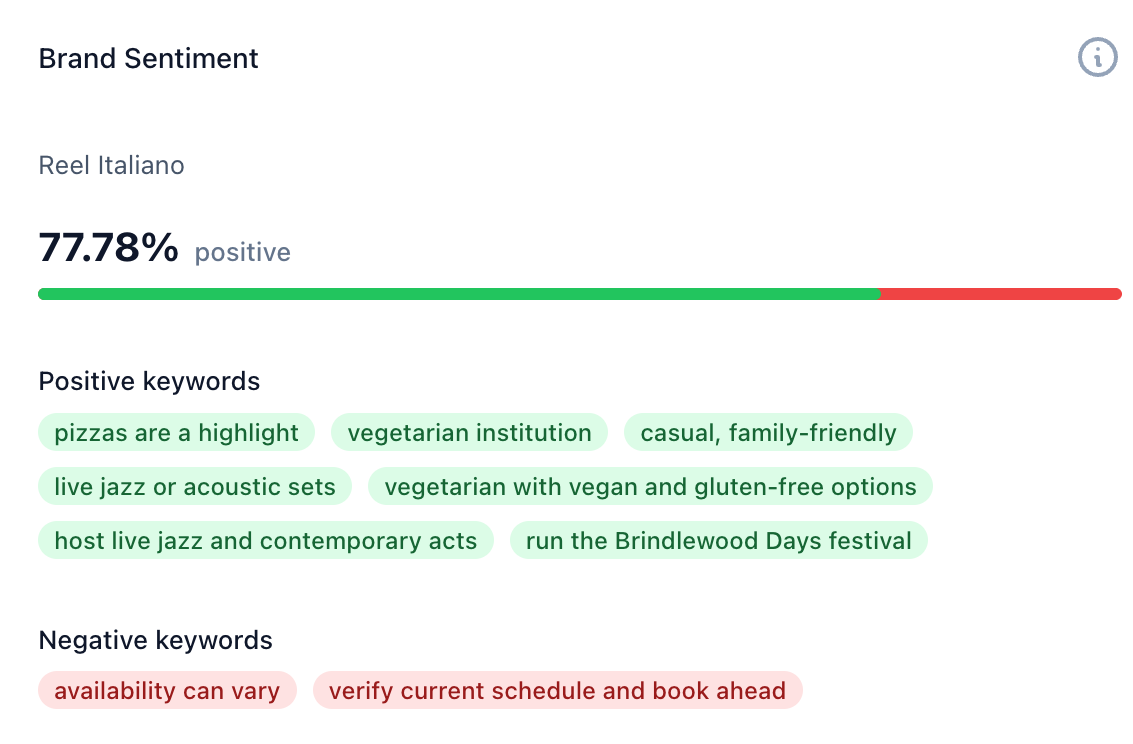
- Sentiment Tracking: This feature analyzes keywords associated with a brand within AI responses to gauge overall sentiment (positive, negative, neutral). This helps identify tone issues, perception shifts, and areas for reputational management.
- Citation Analysis (Brand Mentions): Users can monitor when and where their brand is cited, and crucially, which other sources AI platforms reference alongside their brand. This reveals citation gaps and opportunities to strengthen presence.
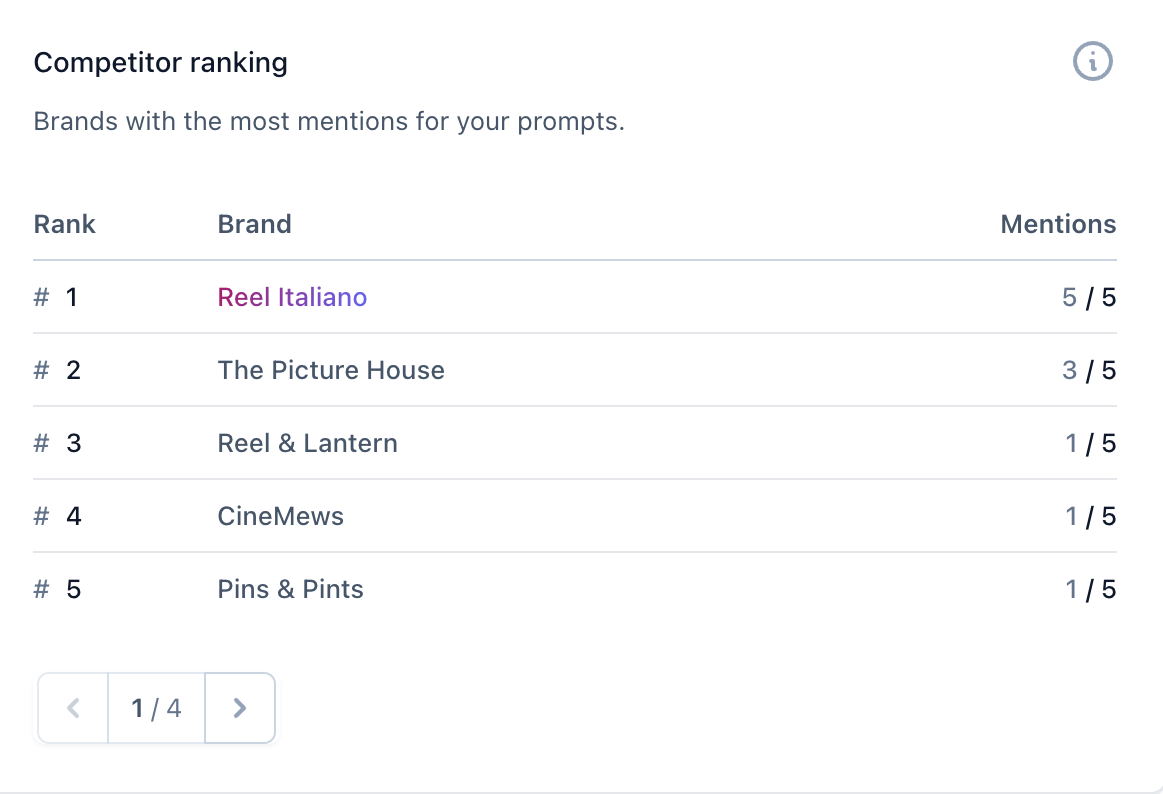
- Competitor Benchmarking: Recognizing that AI visibility is relative, this feature allows brands to compare their citations, mentions, and sentiment against competitors. This provides insights into who is gaining more AI exposure and why.
- Question Monitoring: Since AI search is query-driven, this tool enables tracking of specific brand-related or industry questions to see if the brand appears in the AI-generated answers. This offers direct insight into areas of visibility and where presence might be lacking.
- AI Visibility Index: Instead of fragmented metrics, Yoast consolidates signals like citations, mentions, sentiment, and conventional rankings into a single, comprehensive visibility score. This offers a holistic and temporal view of brand performance across the AI ecosystem.
Furthermore, tools like llms.txt, a feature within Yoast SEO, offer a proactive way to guide AI models. By creating a structured, LLM-friendly markdown file, brands can highlight their most important pages, effectively communicating which content matters most and making it easier for AI systems to interpret and surface key information when generating answers. This is akin to providing a clear sitemap specifically for AI.
AI Citations: The New Currency of the AI-Driven Web
AI citations represent a fundamental shift in how users discover and trust information online. They do not merely complement traditional rankings; they redefine them by determining which sources become integral to the AI’s answer itself. In this evolving landscape, users are increasingly satisfied with AI-generated summaries, often eliminating the need to click through to an original source. Consequently, if content is cited, it achieves visibility; if not, it risks becoming digitally invisible.
This profound transformation necessitates a re-evaluation of SEO strategies. The focus expands beyond mere traffic generation to encompass trust, relevance, and inclusion within the AI’s answer layer. As articulated in recent discussions on "Rethinking SEO in the Age of AI," the central question for SEO professionals is evolving from "Can Google find my website?" to the more critical "Does the AI have a reason to remember my brand?" This pivotal question underscores the strategic imperative for brands to not only be found but to be recognized as authoritative and trustworthy sources in the burgeoning AI-driven digital realm.