rifanmuazin
Inconsistent pipeline generation and lagging engagement metrics within Business-to-Business (B2B) sales and marketing teams often stem not from a deficiency in available channels, but from a fundamental misalignment in the timing of outreach. While many organizations meticulously implement paid campaigns, email nurturing sequences, Sales Development Representative (SDR) outreach, and retargeting efforts, their effectiveness is frequently undermined by a lack of strategic orchestration. This pervasive issue, rather than a shortage of digital or human touchpoints, is now recognized as the primary impediment to improved buyer engagement and robust pipeline development.
The prevailing approach to combating declining engagement typically involves a reactive strategy of simply adding more tactics. The underlying assumption often treats digital fatigue as a technological problem, leading to an influx of new platforms or content. However, industry experts now posit that the real challenge lies in the orchestration of these existing tools and strategies. B2B teams, in their pursuit of reaching prospects, are frequently deploying these established methods in a manner that, while well-intentioned, ultimately detracts from the buyer experience. This can manifest as repetitive messaging, irrelevant offers delivered at inopportune moments, or a disconnect between initial engagement and subsequent follow-up.
The Orchestration Deficit: Beyond Channel Mix
The current landscape of B2B engagement is characterized by a multitude of available channels, from sophisticated marketing automation platforms and social media advertising to direct email campaigns and personalized SDR calls. While these channels are individually powerful, their collective impact is often diminished by a failure to synchronize their deployment. The theory that adding more channels will inherently improve reach and engagement overlooks a critical nuance: buyers are not merely looking for more communication, but for the right communication, delivered at the right time.
This orchestration deficit means that many B2B teams are, in essence, operating in silos. Marketing automation might send a generic email blast while an SDR is simultaneously attempting a personalized cold call, or a retargeting ad appears for a prospect who has just completed a high-intent action and would benefit from direct human interaction. This disjointed approach can lead to a perception of intrusiveness or a lack of genuine understanding from the brand, ultimately eroding trust and diminishing the likelihood of conversion.
The Limits of Personalization Without Proper Timing
A common fallback strategy for teams struggling with engagement is to increase personalization efforts. While personalization is undoubtedly a crucial component of modern B2B marketing, it is not a panacea for poor timing. A highly personalized message, if delivered too early in the buyer’s journey, can still be perceived as intrusive and unwelcome. Conversely, an automated follow-up that arrives too late can leave a prospect feeling neglected, particularly if they have moved on to consider competitors or have progressed through their own decision-making process.
Buyers today are increasingly sophisticated and discerning. They respond most effectively to outreach that demonstrates an understanding of their current context and stage in the buying cycle, rather than simply being a relevant message delivered without consideration for timing. This suggests a need for a more nuanced approach that prioritizes not just what is being communicated, but when and how it is delivered.
Shifting the Paradigm: From "What to Send" to "What We Know"
To address this timing challenge, B2B teams are being urged to shift their strategic focus. Instead of posing the question, "What should we send next?", the more productive inquiry becomes, "What do we actually know about this account?" This fundamental shift requires a deeper understanding of buyer behavior, account intelligence, and engagement signals.
At a high level, this involves understanding:
- Buyer Intent: Is the prospect actively researching solutions, evaluating vendors, or in the decision-making phase?
- Engagement History: What touchpoints has the prospect had with the brand previously? What content have they consumed? What actions have they taken?
- Account Context: What are the specific challenges, goals, and priorities of the target organization?
Consistently answering these questions allows teams to align their outreach efforts with the real behaviors and needs of their prospects, moving beyond mere assumptions and generic segmentation.
Identifying the Common Pitfalls in Outreach Timing
Several common missteps frequently occur in B2B outreach, directly impacting engagement and pipeline development:
Human Outreach Too Early
Initiating direct human contact, such as a cold call or a highly personalized email from an SDR, before a prospect has demonstrated any level of awareness or interest can be counterproductive. This premature outreach often results in low response rates and can create a negative first impression, potentially deterring future engagement. Furthermore, it represents a significant investment of valuable human resources with a limited return on investment.
Automation Too Late
Conversely, allowing high-intent accounts to languish in automated nurture streams while competitors are engaging them directly represents a missed opportunity. Automation can be highly effective for broader outreach to lower-priority accounts, but it should be strategically transitioned to human touchpoints once a prospect reaches a certain threshold of engagement or demonstrates intent. The delay in human intervention can allow competitors to gain a foothold.
No Prioritization of Effort
A significant error is treating all engaged accounts with the same level of urgency and attention, regardless of their potential value or the depth of their engagement. This lack of prioritization means that high-value prospects might receive the same automated follow-up as a low-value lead, diluting the impact of personalized efforts and wasting resources on less critical interactions.
The Impact of AI on Outreach Orchestration
The increasing integration of Artificial Intelligence (AI) into marketing and sales operations further underscores the importance of precise timing and orchestration. As AI scales execution capabilities, the ability to deliver the right message through the right channel at the optimal moment becomes even more critical. Without a well-defined orchestration strategy, AI-powered tools could inadvertently exacerbate the problem of poorly timed outreach, leading to an overwhelming volume of potentially irrelevant communications for prospects.
The Evolution of B2B Engagement: Aligning Effort with Signal
High-performing B2B teams are increasingly adopting a strategy that aligns their outreach efforts with observable buyer signals. This approach involves:
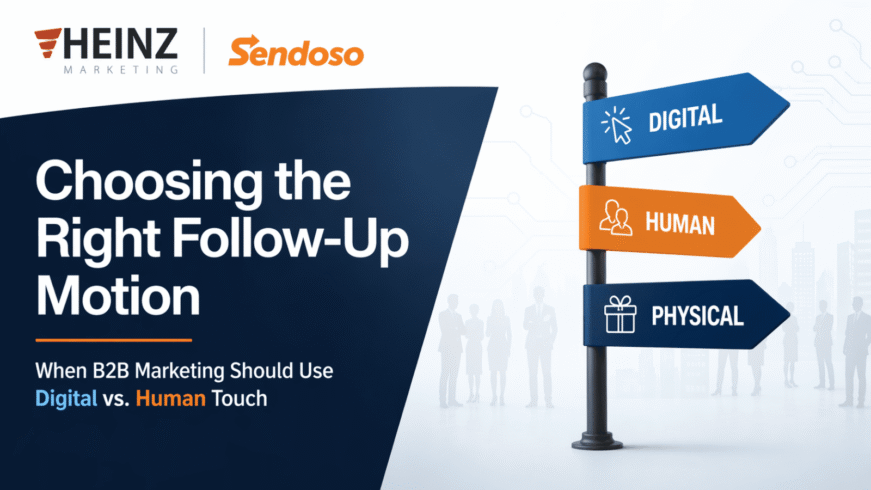
- Leveraging Digital for Initial Awareness and Nurturing: Digital channels, such as targeted advertising, content marketing, and email campaigns, are effectively used to build initial awareness and nurture prospects through the early stages of the buyer journey.
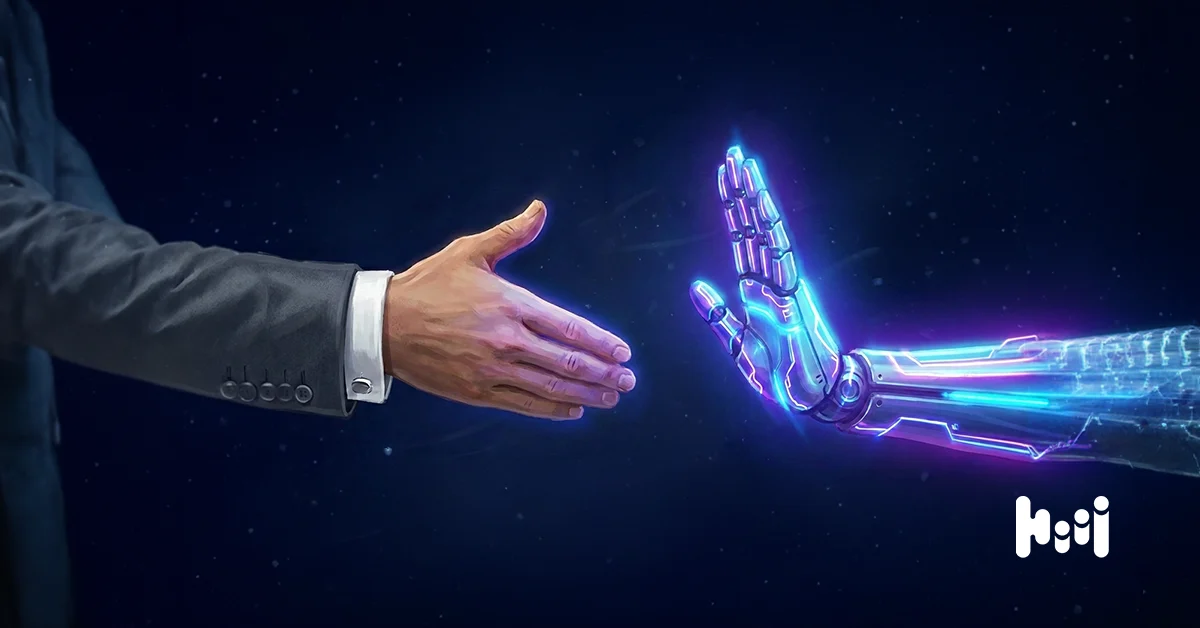
- Employing Human Touch for Engagement and Conversion: Direct human interaction, whether through SDR calls, personalized emails from account managers, or virtual meetings, is reserved for prospects who have demonstrated higher levels of engagement or intent. This human touch is crucial for building relationships, addressing specific needs, and closing deals.
- Dynamic Re-engagement Based on Signals: Teams are implementing systems to dynamically shift between digital and human outreach based on prospect behavior. For example, a prospect who shows increased engagement with digital content might trigger a personalized outreach from an SDR.
Crucially, these high-performing teams avoid deploying intensive human outreach too early in the buyer’s journey. This strategic sequencing ensures that resources are used efficiently and that the buyer experience remains positive.
A Framework for Mastering Outreach Timing
To provide a practical solution for B2B teams grappling with these challenges, a refined framework for timing engagement has been developed. This framework, often built in collaboration with technology partners, aims to clarify when to leverage digital channels and when to deploy human interaction for maximum impact.
This strategic approach helps teams to:
- Identify Key Buyer Signals: Understand the indicators that suggest a prospect is ready for a specific type of outreach.
- Map Channel Strategies to Buyer Stages: Align digital and human touchpoints with different phases of the buyer’s journey.
- Optimize Follow-Up Cadence: Develop a systematic and timely approach to follow-up that respects the buyer’s pace.
- Personalize at Scale: Utilize data and technology to ensure that both digital and human outreach are relevant and impactful.
Conclusion: The Imperative of Strategic Timing
In conclusion, for B2B organizations experiencing inconsistent pipeline generation and engagement issues, the solution does not lie in simply adopting more tactics or channels. The critical factor for success is a profound improvement in the timing of outreach. The focus must shift from a volume-based approach to one that emphasizes strategic decision-making about the next best action.
By understanding buyer intent, leveraging account intelligence, and meticulously orchestrating the deployment of digital and human touchpoints, B2B teams can move beyond fragmented efforts and create a cohesive, buyer-centric engagement strategy. This refined approach, prioritizing context and timing over mere relevance, is essential for building stronger relationships, fostering deeper engagement, and ultimately driving more predictable and sustainable pipeline growth in today’s competitive B2B landscape. The strategic imperative is clear: make better decisions about what to do next, rather than simply doing more.