rifanmuazin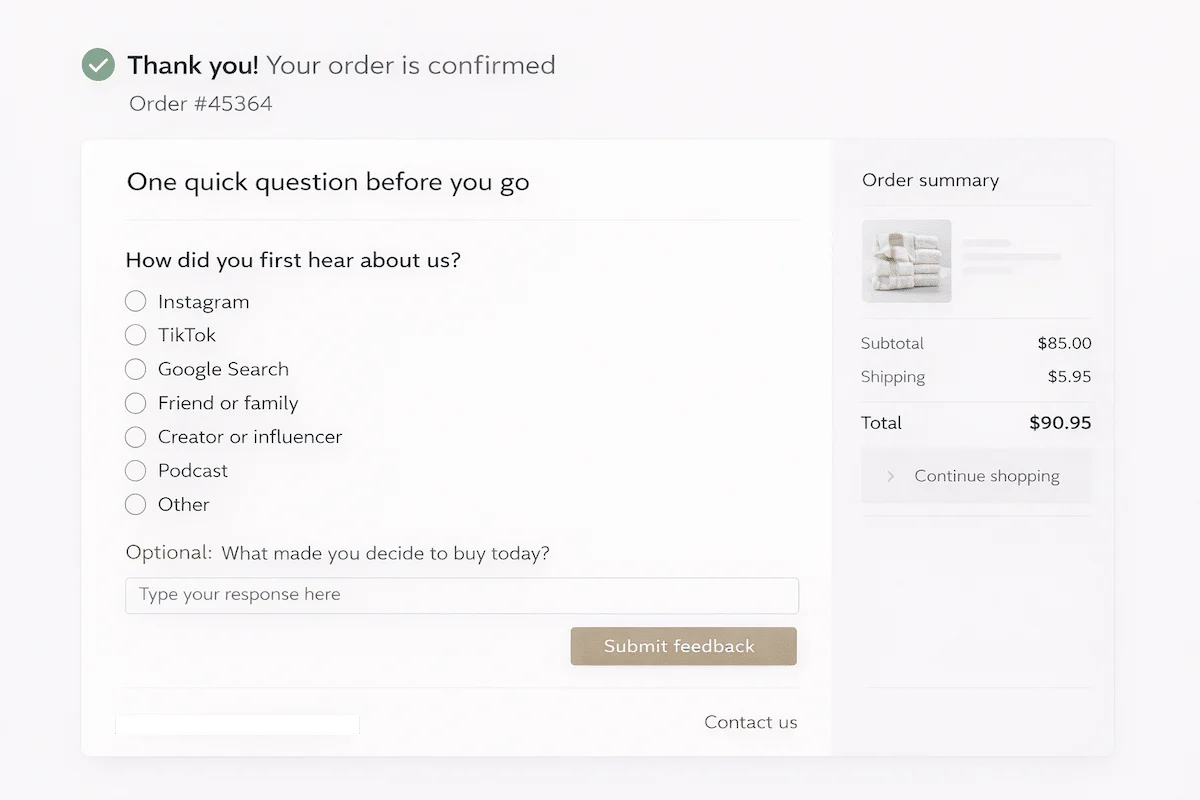
In the modern digital economy, data-driven decision-making has transitioned from a competitive advantage to a fundamental requirement for e-commerce and software-as-a-service (SaaS) enterprises. While quantitative analytics tools provide a comprehensive "what" regarding user behavior—tracking clicks, scrolls, and exits—they consistently fail to provide the "why." This gap in qualitative intelligence is increasingly being bridged by strategic customer feedback surveys, which serve as diagnostic tools to identify friction points, psychological barriers, and unmet user needs. Industry benchmarks indicate that while traffic acquisition costs continue to rise, the ability to convert existing visitors remains the most viable path to sustainable profitability.
The implementation of targeted surveys at critical junctures of the customer journey allows brands to move beyond vague feedback and toward actionable insights. By deploying specific survey types—ranging from product page inquiries to post-purchase attribution—organizations can systematically dismantle the barriers that prevent users from progressing through the sales funnel.
The Landscape of Digital Friction and Product Page Performance
The product page serves as the primary battleground for conversion. However, recent data from the Baymard Institute suggests that a significant majority of digital storefronts are failing to meet basic user experience (UX) standards. According to their latest benchmarks, 52% of desktop sites and 62% of mobile sites possess "mediocre" or poor product page UX. This deficiency often results in "pre-cart abandonment," where a user engages with the content but fails to initiate a purchase.
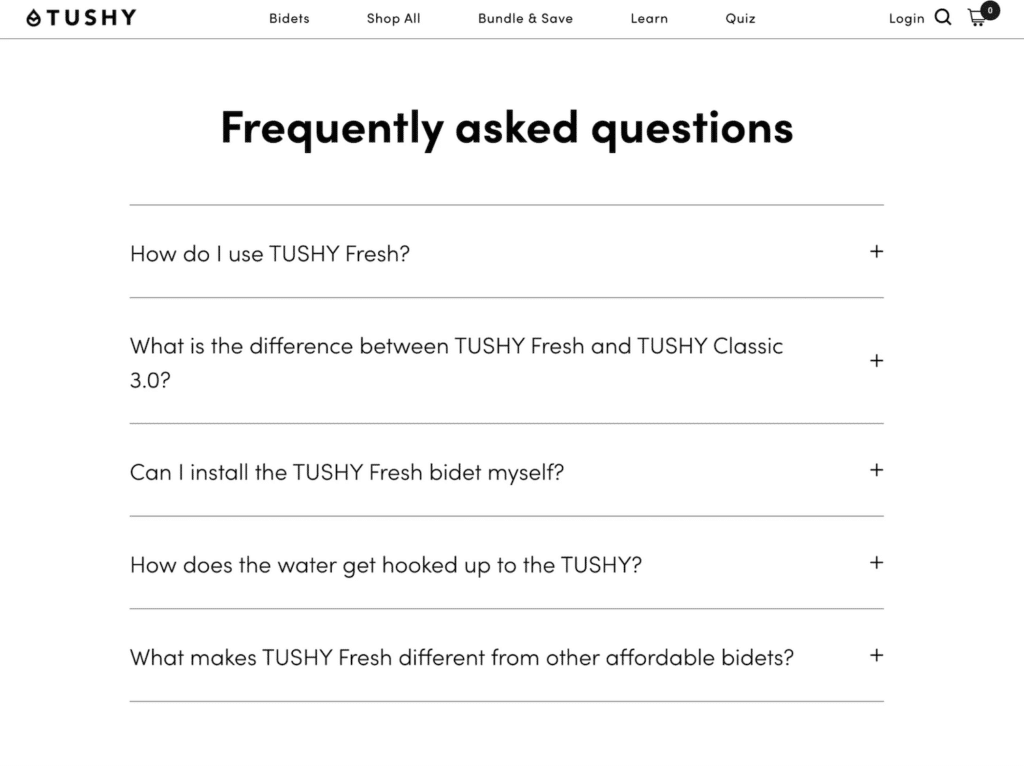
Research into consumer psychology reveals five primary drivers for this hesitation: lack of critical information, pricing transparency issues, uncertainty regarding product fit or compatibility, shipping anxiety, and a general lack of brand trust. To combat this, brands such as TUSHY have integrated comprehensive FAQ sections directly into their product pages, addressing installation and compatibility concerns before they manifest as abandonment.
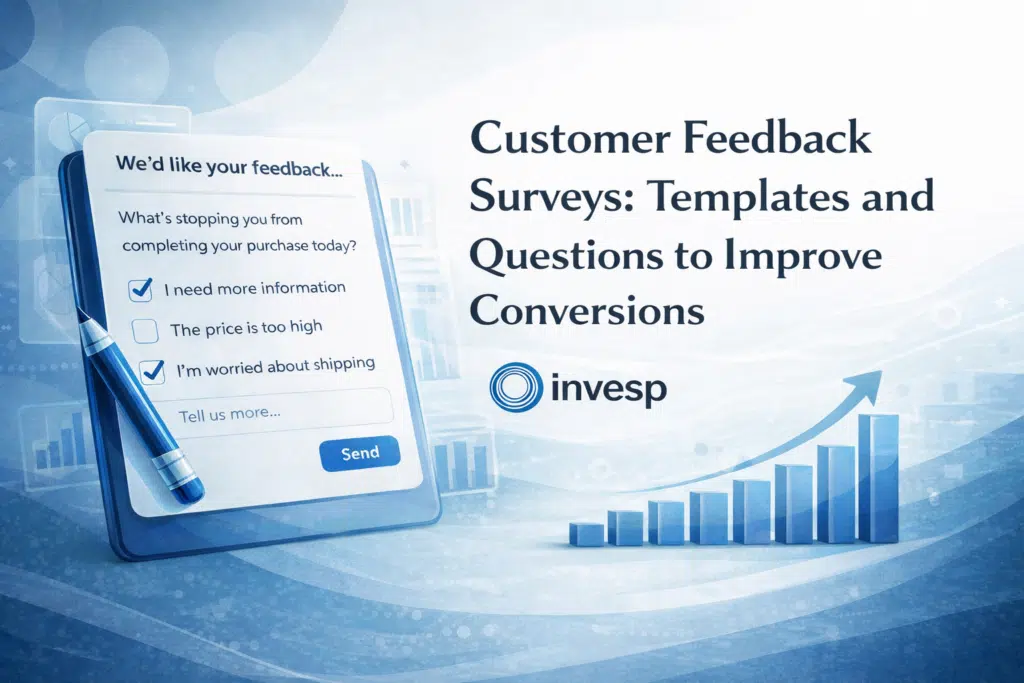
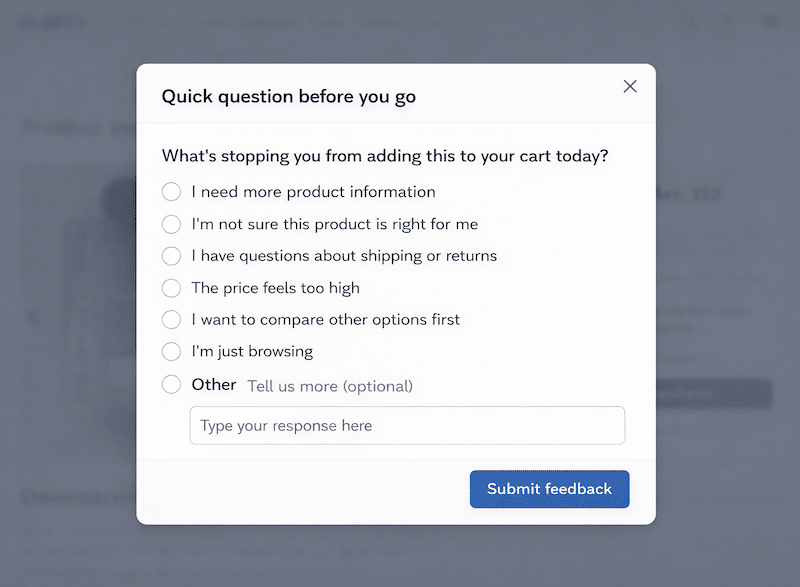
From a journalistic perspective, the "first-touch" survey is essential here. By asking, "What’s stopping you from adding this to your cart today?" brands can categorize responses into specific buckets: information gaps, price sensitivity, or technical UX issues. This allows for a granular approach to optimization, where a brand might discover that 30% of its users are leaving simply because a sizing chart is difficult to locate.
Analyzing the Checkout Abandonment Crisis
If the product page is where interest is piqued, the checkout process is where intent is tested. The Baymard Institute reports an average global cart abandonment rate of 70.19%. This figure represents billions of dollars in lost revenue annually. Unlike the product page, where users may be "just browsing," a user in the checkout phase has demonstrated high intent. Therefore, abandonment at this stage is almost always a result of friction, unexpected costs, or technical failure.
The chronology of checkout abandonment usually follows a specific pattern: the user sees the final total, encounters a mandatory account creation wall, or finds the shipping timeline unacceptable. Industry leaders like Shopify emphasize that any increase in perceived effort during this stage leads to an exponential drop in conversion.
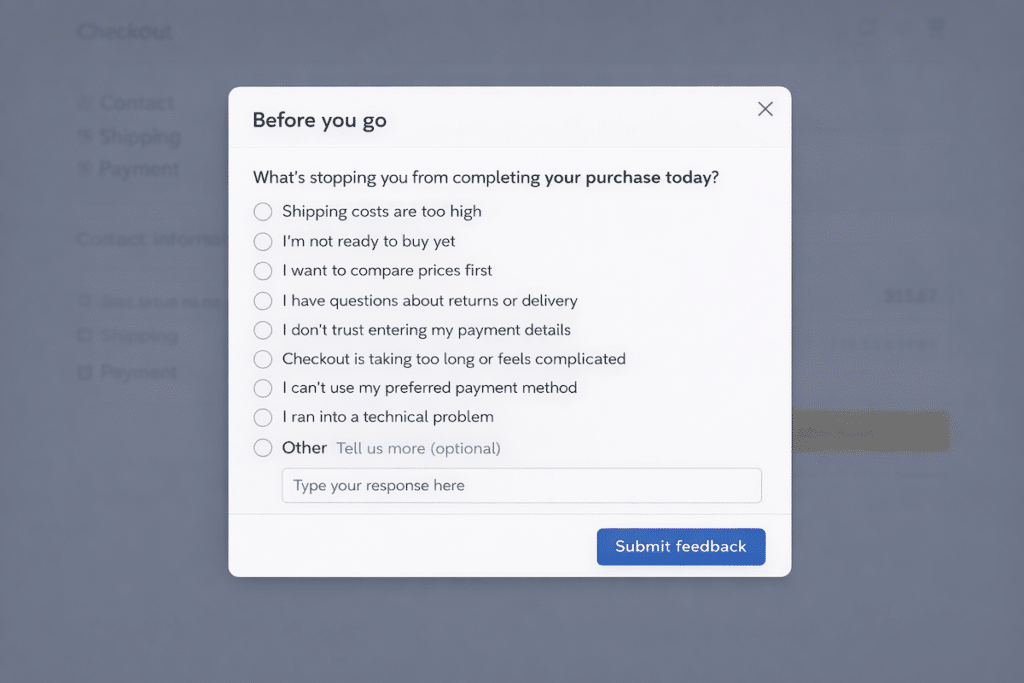
To diagnose these failures, abandonment surveys must be brief and direct. The question "What’s stopping you from completing your purchase today?" helps distinguish between "just looking" (low intent) and "shipping was too expensive" (fixable friction). When a significant percentage of users cite "extra costs" or "delivery time," the business has clear evidence to support a pivot toward flat-rate shipping or expedited logistics partnerships.
Post-Purchase Attribution and the Challenge of "Dark Social"
The moments immediately following a successful transaction offer a unique opportunity to capture "zero-party data"—information provided directly by the customer. Post-purchase surveys are critical for solving the "attribution puzzle." In an era of increased privacy regulations and the deprecation of third-party cookies, traditional analytics often misattribute sales to "Direct" or "Organic" channels when the true driver was a podcast, an influencer, or word-of-mouth.
A notable case study involves the brand Weezie, which utilized post-purchase surveys to discover that approximately 35% of its revenue was driven by word-of-mouth recommendations. This insight, which was invisible to standard digital tracking tools, allowed the company to reallocate its marketing budget toward community-building and referral programs rather than over-investing in paid search.
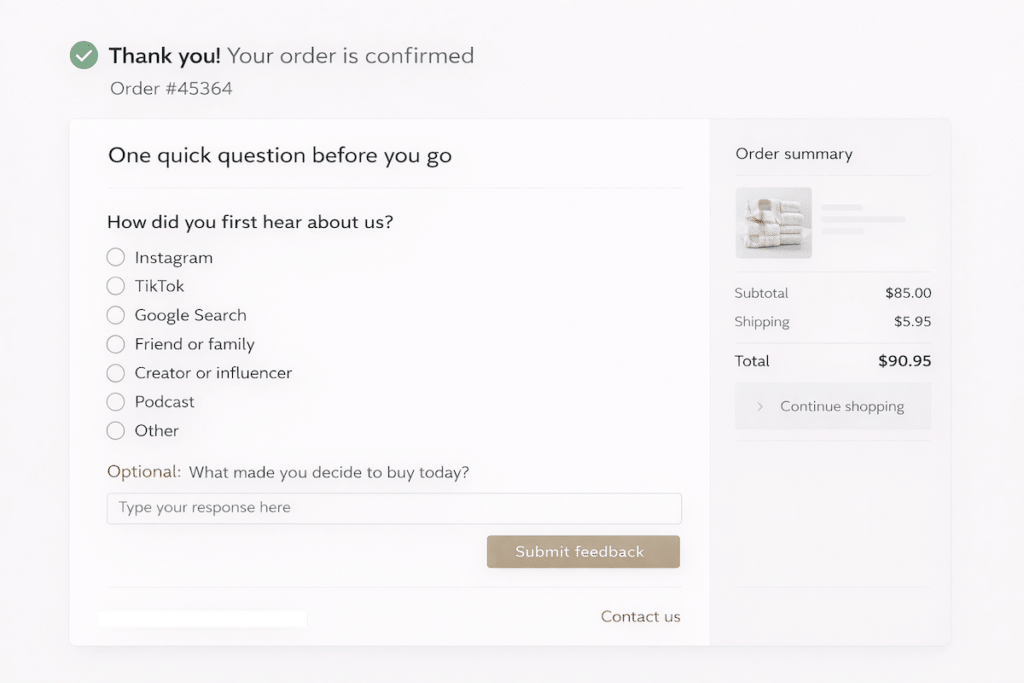
The standard industry question for this phase is "How did you first hear about us?" (HDYHAU). By offering options such as social media, podcasts, and personal recommendations, companies can gain a clearer understanding of their true marketing reach. This data is vital for calculating accurate Customer Acquisition Costs (CAC) and determining the actual Return on Ad Spend (ROAS) across fragmented media channels.
The SaaS Activation Gap: From Sign-up to Success
In the SaaS sector, the primary challenge is not the initial sign-up, but the "activation" of trial users. Data from Amplitude’s product benchmark report paints a stark picture of the industry: by the 14th day of a trial, the median product retains only 2% of its new users. Even top-tier performers rarely exceed a 9% retention rate at this stage.
This "activation gap" occurs when a user signs up but fails to find the "Aha! moment"—the point where the product’s value becomes self-evident. The reasons for this drop-off are typically categorized as "time-to-value" issues, where the setup process is too complex, or the user is overwhelmed by the interface.
To address this, SaaS providers utilize "in-app" surveys triggered by inactivity. By asking, "What’s stopping you from getting started today?" developers can identify if the hurdle is technical (e.g., "I couldn’t integrate my data") or educational (e.g., "I don’t know where to start"). Correcting these issues often involves simplifying the onboarding flow or introducing interactive tutorials to guide the user toward their first successful task.
The Economics of Retention and the Impact of Returns
The final stage of the conversion lifecycle concerns what happens after the product is delivered or the subscription begins. Retention is the primary driver of long-term profitability. However, the National Retail Federation (NRF) reported that retailers expected 16.9% of annual sales to be returned in 2024, with that figure projected to rise to 19.3% for online sales in 2025. This represents a staggering $890 billion impact on the retail sector.
Returns and cancellations are rarely random; they are typically the result of an "expectation mismatch." Research from PowerReviews indicates that "poor fit" is the leading cause of retail returns, followed by damaged items and products not matching their online descriptions. In the subscription economy, "lack of use" or "price-to-value" discrepancies are the primary drivers of churn.
Exit surveys—conducted at the point of cancellation or return—are the only way to systematically collect this data. By understanding that "fit" is the primary reason for returns, an e-commerce brand can invest in better sizing technology or more detailed product photography, directly reducing the logistics costs associated with processing returns.
Broader Implications and Best Practices for Data Collection
The shift toward qualitative feedback represents a broader trend in the digital landscape: the rise of "Conversation CRO." As automated tracking becomes less reliable due to privacy shifts, the direct line of communication between the brand and the consumer becomes the most valuable asset.
To ensure survey efficacy, experts recommend several key principles:
- Specificity over Breadth: Broad questions like "How was your experience?" yield vague data. Questions must be tied to specific actions, such as "What stopped you from buying?"
- Timing and Context: Surveys must be triggered by specific behaviors (e.g., exit intent on a checkout page) to capture the user’s mindset in real-time.
- Friction Reduction: Using multiple-choice options for the initial question increases response rates, with an optional open-text field providing the necessary nuance for deep analysis.
- Actionable Integration: Survey data should not exist in a vacuum; it must be integrated into A/B testing roadmaps and product development cycles.
The ultimate goal of these surveys is not merely to collect feedback, but to build a more accurate model of the customer’s journey. By identifying the specific moments where intent turns into hesitation, businesses can implement targeted interventions that improve the user experience and, consequently, the bottom line. As digital competition intensifies, the organizations that succeed will be those that listen to their customers as closely as they track their clicks.